Throughout the morning, nine patients attended the clinic and each received a fully accessible experience, with the team adapting the clinic environment and tailoring appointments to meet their individual needs.
Routine diabetic eye screening is a vital part of diabetes care, helping to detect early signs of eye damage before symptoms develop and prevent the risk of sight loss. The screening is quick and painless, involving eye drops to widen the pupils followed by photographs of the retina, the part of the eye that can be affected by diabetic retinopathy.

However, whilst people with learning disabilities are ten times more likely to develop eye conditions such as diabetic retinopathy, they are less likely to take up their screening appointments.
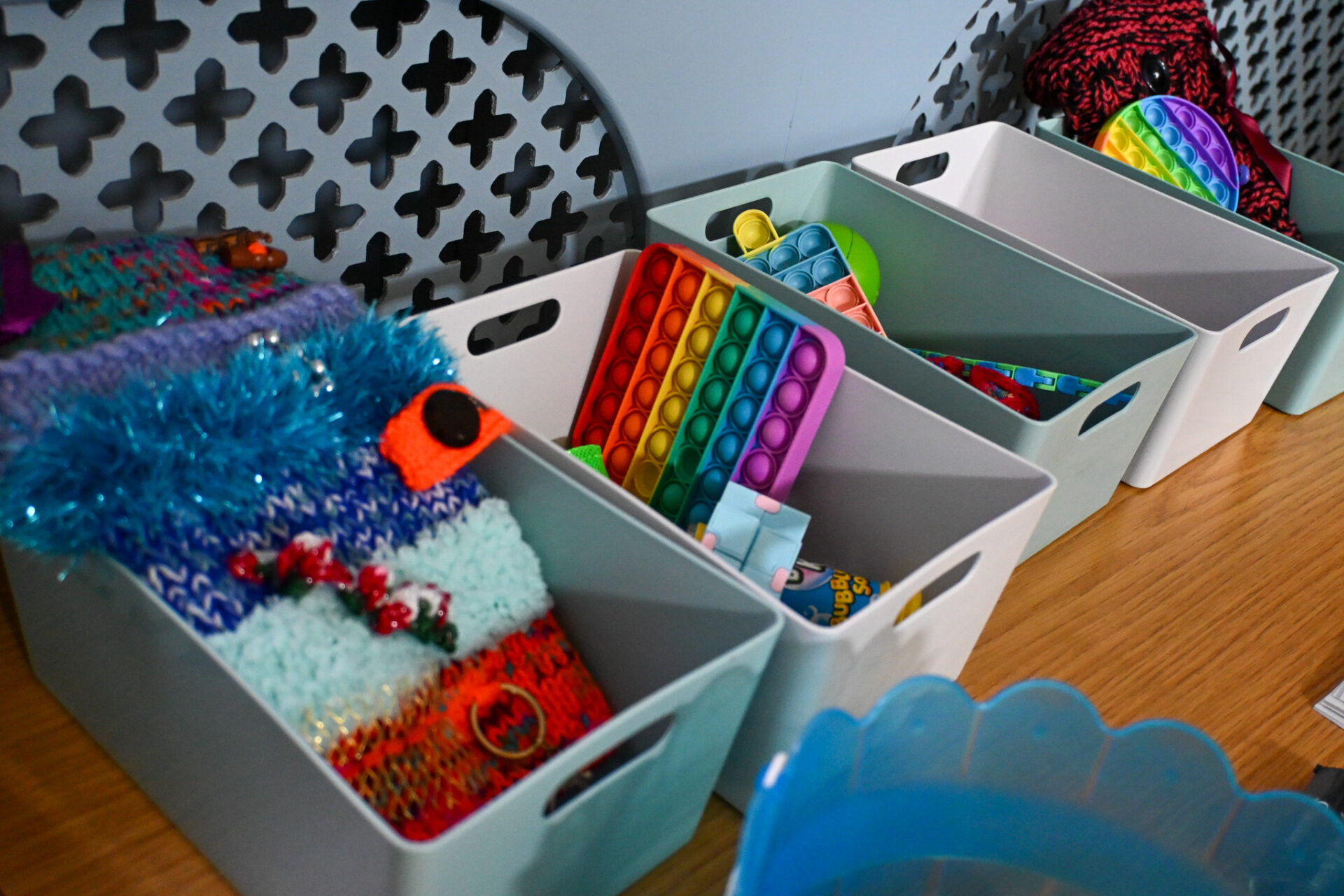
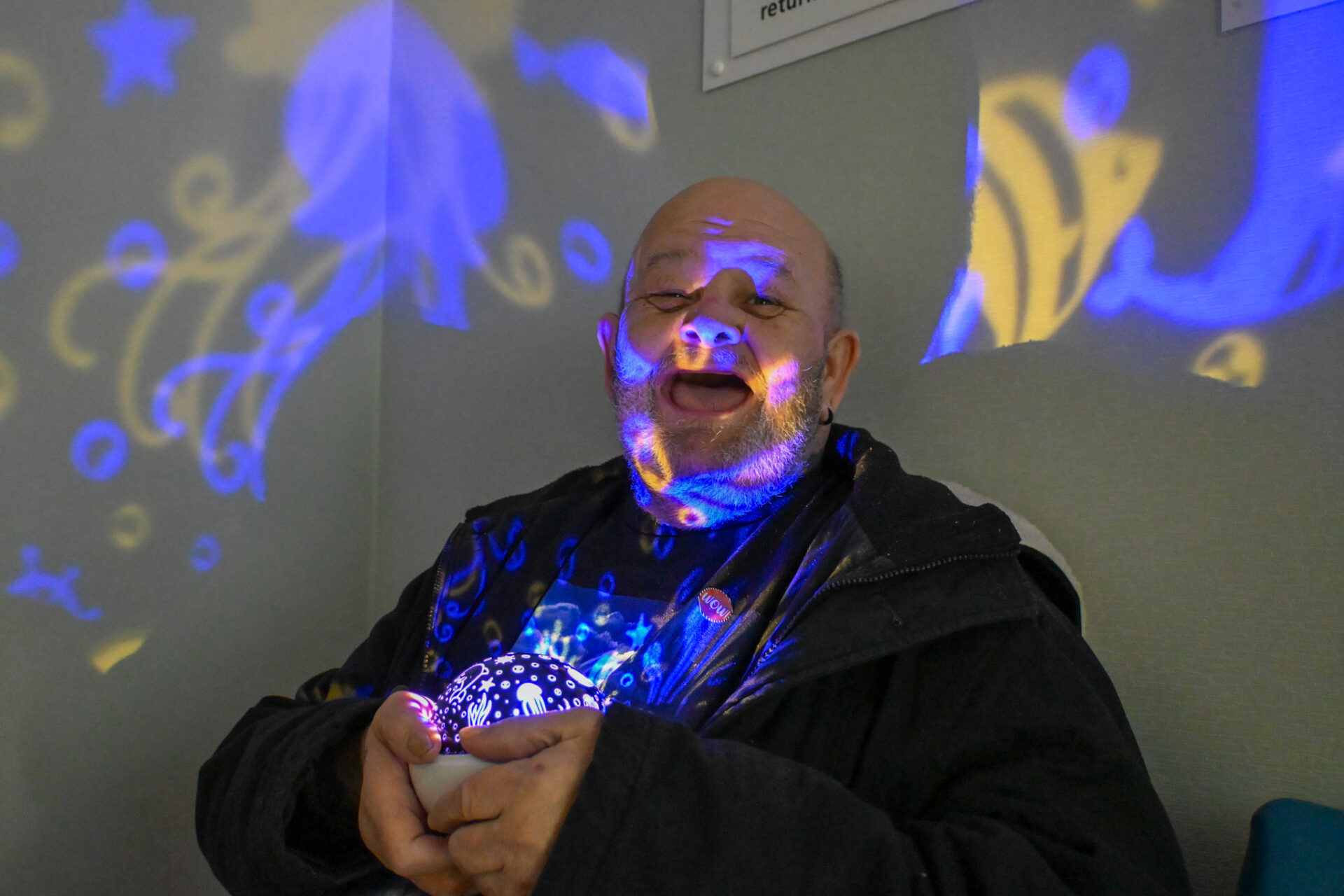
To provide the best possible support, the team ensured the department remained quiet, calm and welcoming. Patients were offered longer appointment times and a space that felt more relaxed than a standard clinical setting. Low lighting was used in the waiting and examination rooms to reduce sensory overwhelm, while a sensory table offered items such as fidget toys and twiddle muffs for patients who benefit from tactile reassurance. A sensory light projector and gentle music in the waiting room created a soothing atmosphere, which was praised by both patients and carers.
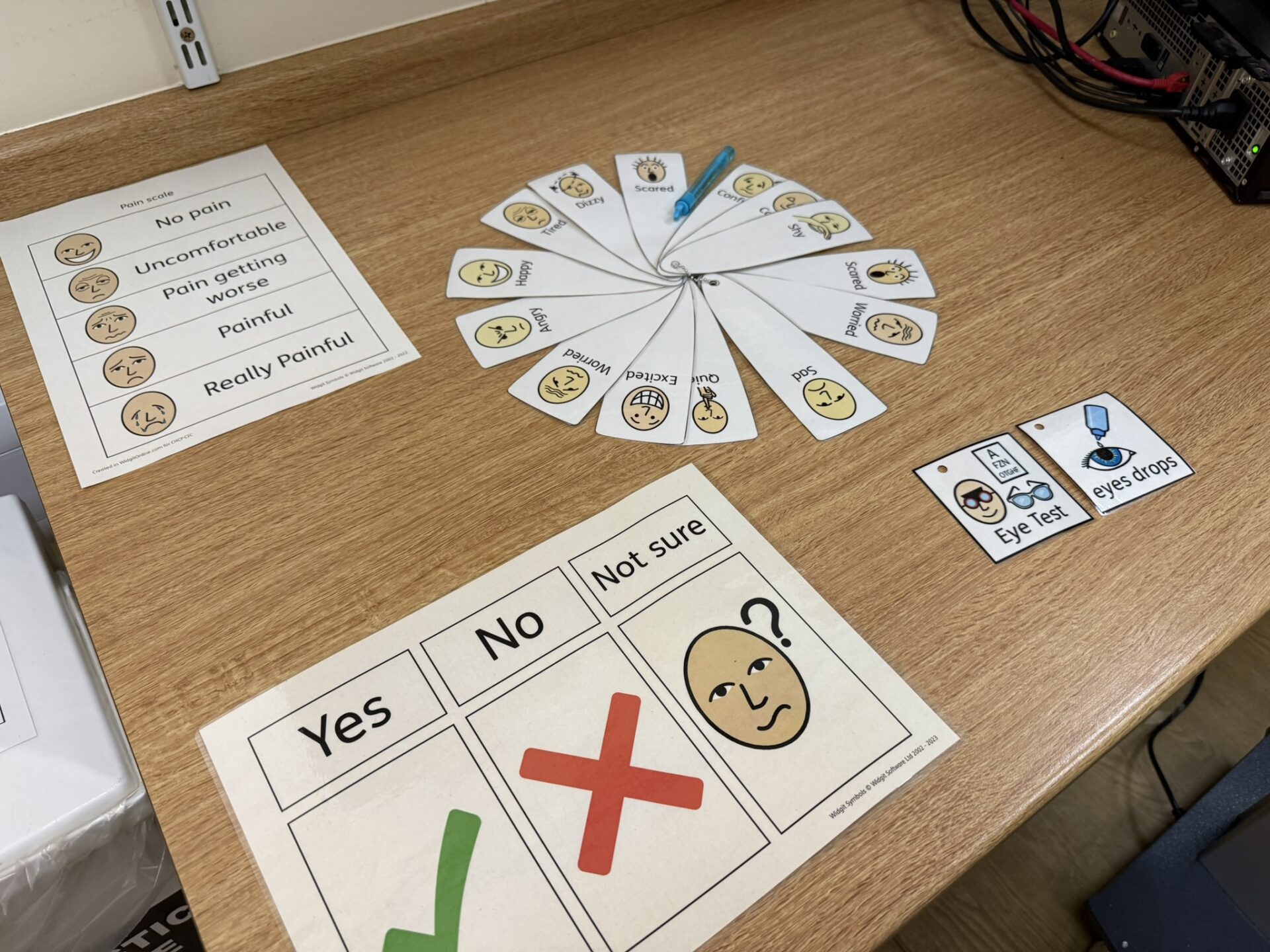
Accessible communication played a vital role in the success of the day. Easy-read letters and printed information were developed specifically for the session, alongside communication cards to ensure each patient understood what was happening and could express their express emotions, preferences and decisions.
Many patients said they found the appointment letter easier to read and understand, showing how small changes to communication can make a meaningful difference to their healthcare experience.
The clinic was also supported by Rebecca Knapton, Acute Learning Disability Liaison Nurse at the Trust, whose familiarity with many of the patients helped put them at ease. Her presence contributed to the positive, friendly atmosphere that patients and carers repeatedly fed back on during the session.
Every patient also left with a certificate, which proved extremely popular, with many eager to show theirs to friends and family once they returned home.
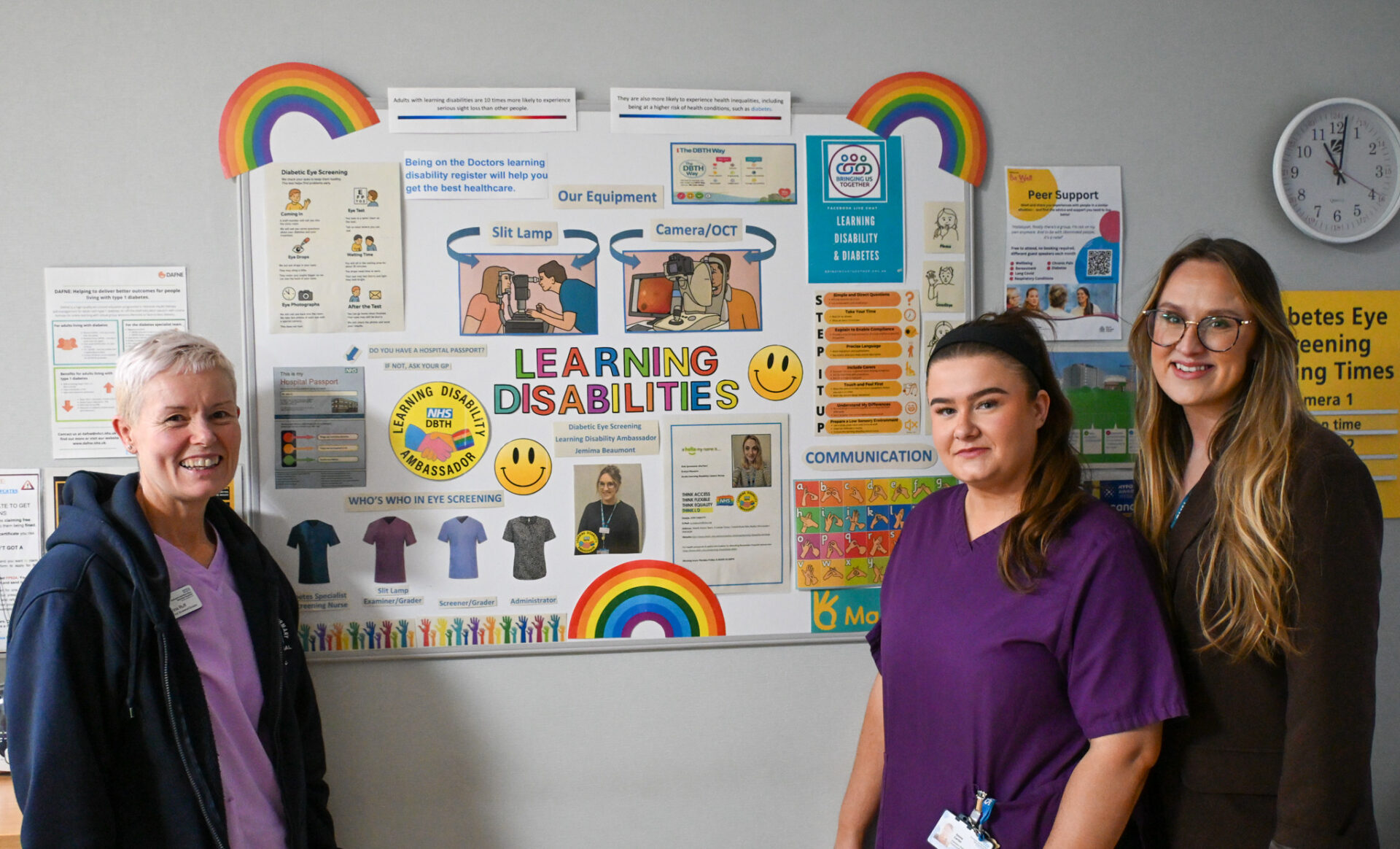
Jemima Beaumont, Failsafe and Engagement Lead for the Diabetic Eye Screening Programme at DBTH, said: “It was really easy to implement such small changes that make a huge impact for our patients with learning disabilities.
“As clinicians, it’s easy to just focus on keeping clinics running smoothly and on time for all patients, but by creating these dedicated sessions and adapting them to support individuals, we can see just how much of a positive impact we can make.
“We know that access, confidence and awareness all play a role in whether someone attends screening – and we’re trying to tackle those challenges head-on.”
Earlier this year, the team hosted a pop-up diabetic eye screening clinic at Bentley Pavilion to support people who may be less likely to attend their routine appointments. Building on this success, the team hopes to expand their work within the local community further and reach more patients who face barriers to accessing their screening.
Zara Jones, Deputy Chief Executive at DBTH, said: “It is fantastic to see such a positive response from patients and carers and it reflects our commitment as a Trust to tackle health inequalities by providing fairer access to care and more inclusive support for those who need it.”
For more information on diabetic eye screening, visit: https://www.dbth.nhs.uk/diabetic-eye-screening/