
Dani was just 26 when she first became unwell. At the time, she was working as a community nurse in Doncaster. After developing a limp, her health quickly declined. Within a year, she was wheelchair-bound.
Following extensive tests, Dani was diagnosed with a neurological disorder – a condition that affects how the nervous system works. As her symptoms worsened, she was forced to give up the career she loved and move from the home she shared with her husband, Gareth, into a bungalow that could better meet her needs.
The physical changes soon began to affect her mental health.
“I lost my independence, and it made me feel so low mentally,” Dani said. “My friends became estranged, and I felt alone in an uphill battle.”
Dani was later referred to Vivek Kumar, Urology Consultant at DBTH, who diagnosed her with a neurogenic bladder – a condition caused by nerve damage that affects bladder control.
“Mr Kumar did everything he could to try to save my bladder,” Dani explained “I had regular Botox injections for years to try to ease the symptoms, but eventually the pain became unbearable.”
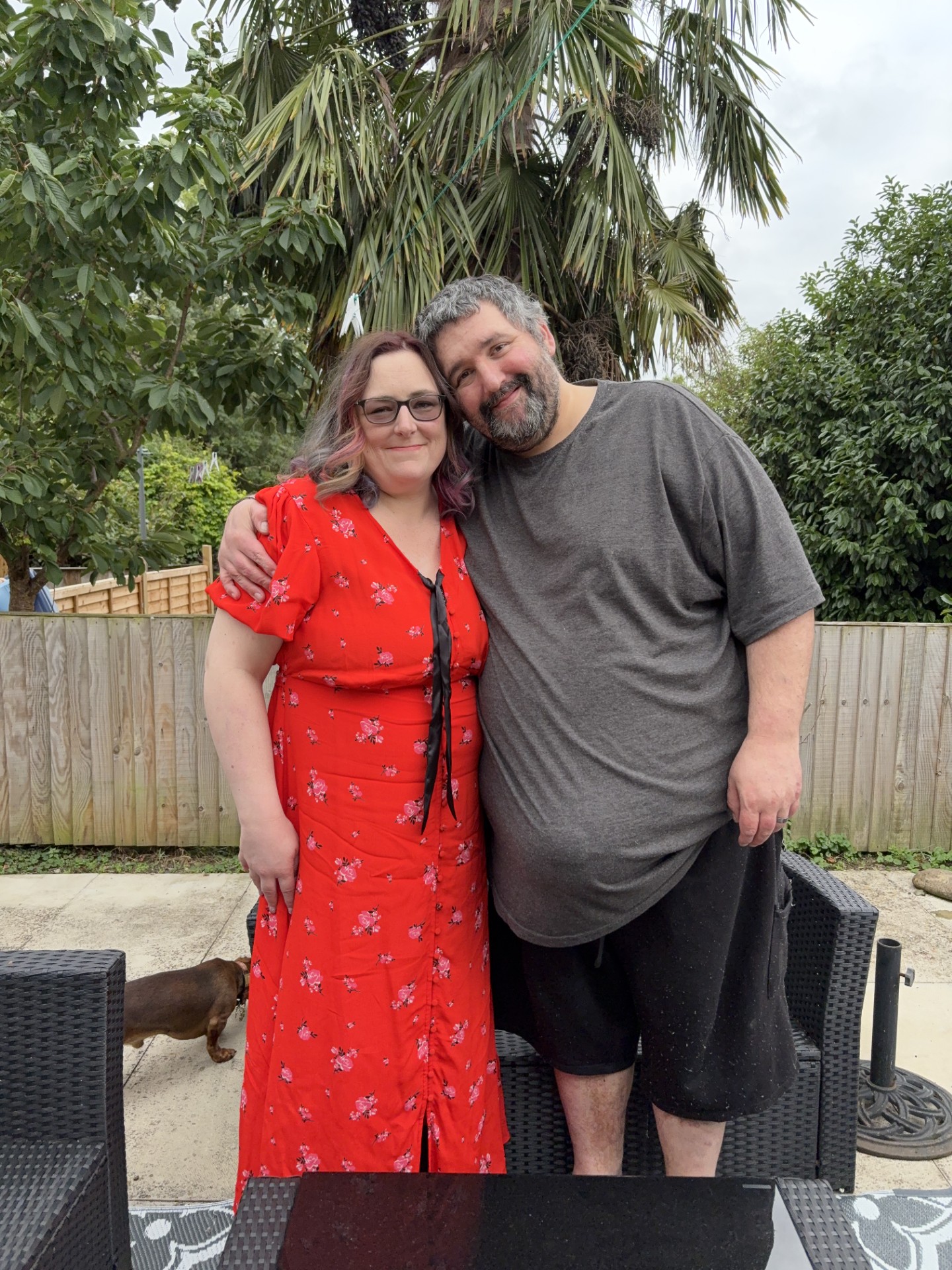
In February 2025, doctors agreed that Dani would undergo major surgery to remove her bladder and form a urostomy. When the operation took place three months later, a hysterectomy was also recommended to reduce the risk of future complications.
While the surgery marked a turning point, recovery was not easy.
“What I struggled with the most after the operation was my emotions,” Dani said. “The hysterectomy sent me into early menopause, and I was also learning how to live with a stoma.
“I’ve had to learn how to walk again too – the last time I walked was 13 years ago. It’s surreal. I never thought I’d have the chance.”
Now discharged from Mr Kumar’s care after 15 years, Dani is continuing her recovery with physiotherapy support at Doncaster Royal Infirmary.
“The physio team are helping me get to a place where I can start driving and even look at getting a job again,” she said. “People who knew me before the operation don’t recognise me. I don’t even have carers anymore – it’s back to just me and my husband in our home.”
Mr Kumar added: “When Dani came to us, she was at one of the lowest points in her life. Our focus was on understanding the full impact her condition was having on her day-to-day life and doing what was right for her as a person, not just treating individual symptoms.
“The progress she has made since surgery has been remarkable and shows the difference that personalised NHS care, delivered by many teams working together, can make.”
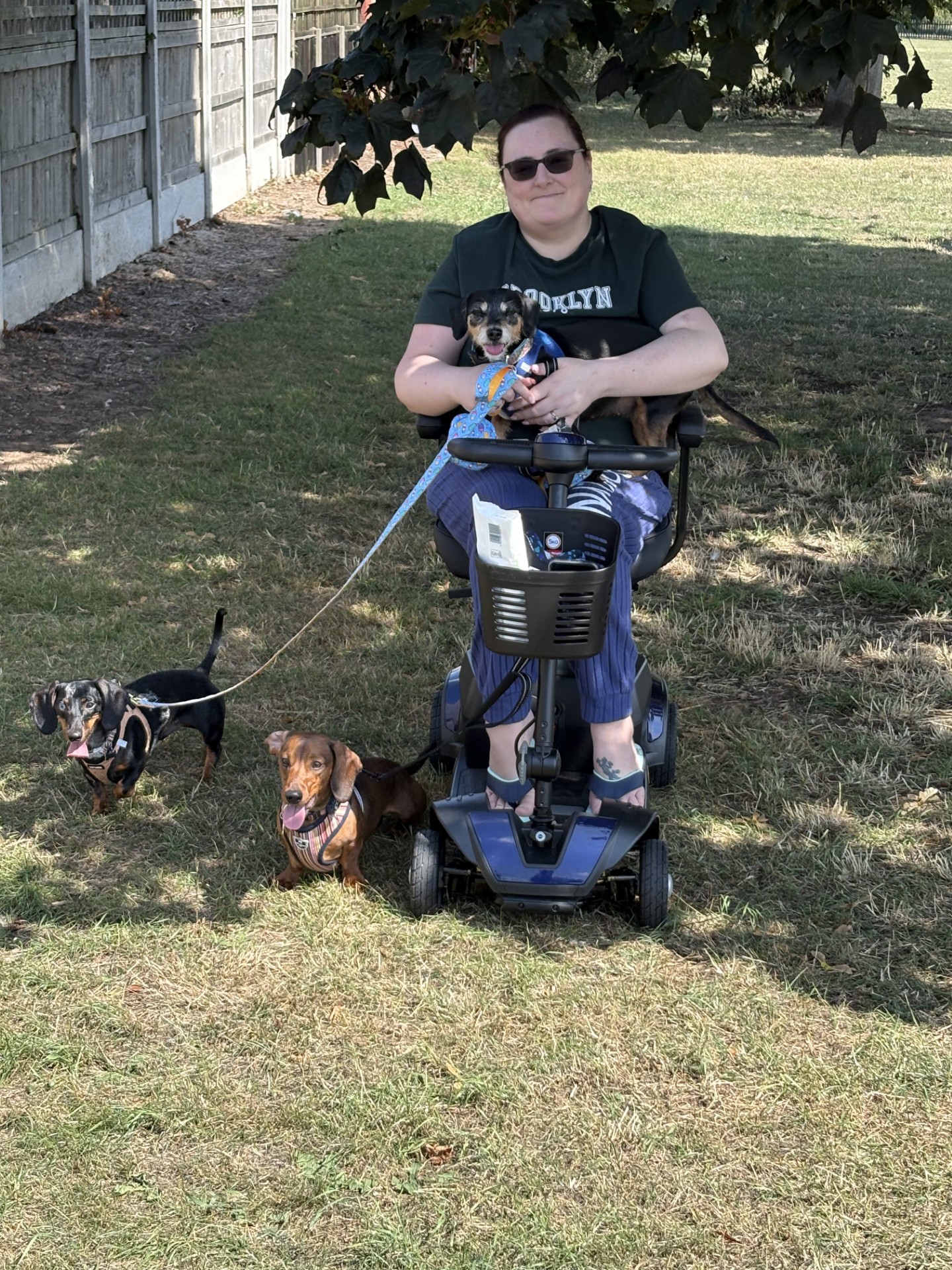
Dani also paid tribute to the wider DBTH teams who supported her throughout her journey.
“I really wouldn’t be where I am today without everyone who has looked after me, including the stoma nurses, who have given me so much information and support following my operation.”
Dani’s story highlights the life-changing impact of safe, compassionate, person-centred care, supporting patients to regain independence and improve their quality of life.