
The Trust which operates Bassetlaw Hospital, Doncaster Royal Infirmary and Montagu Hospital has moved up 15 places, from 60th to 45th out of 134 organisations, placing it in the top third of providers nationally.
The rankings form part of the NHS National Oversight Framework, which assesses performance across areas including patient care, waiting times, workforce and finance.
DBTH is one of Yorkshire’s leading acute trusts, caring for more than 440,000 people across South Yorkshire, North Nottinghamshire and the surrounding areas. The improvement follows a challenging autumn and winter period for the NHS, during which services have continued to face sustained pressure.
Mark Bailey, Interim Chair of the Board, said: “Moving up 15 places is a positive step and reflects the hard work, resilience and professionalism of colleagues right across DBTH.
“I want to place on record a sincere thank you to all of our colleagues. This progress has come during one of the busiest and most challenging periods of the year, and it is down to their continued effort, teamwork and commitment to our patients.
“We are pleased to see improvement, but we are clear that there is more to do. Our focus remains on delivering consistent, reliable care for our patients and continuing to improve performance in the areas that matter most.”
Despite this progress, DBTH remains in Segment 3 of the framework. While performance in several areas is improving, national rules mean organisations operating with a financial deficit cannot move into a higher segment.
Mark continued: “Over the next few years, we are developing an ambitious and balanced programme to improve access and quality of care, alongside disciplined deficit reduction. This is about making sure our services are sustainable for the future, while continuing to deliver safe, high-quality care for our communities.
“We know that the experience of our colleagues is central to delivering further improvement, and we will continue to both support, listen and actively involve our teams as this work develops.”
The National Oversight Framework is a relatively new system that brings together a range of indicators to provide an overall picture of how NHS organisations are performing compared to others across England.
The full detail can be viewed at: https://www.england.nhs.uk/
Content out of date? Information wrong or not clear enough? Report this page.
The Emergency Department (ED), sometimes referred to as A&E, treats a wide range of urgent and emergency conditions – from broken bones and breathing problems to life-threatening emergencies. DBTH runs services at Doncaster Royal Infirmary and Bassetlaw Hospital, delivering around 200,000 episodes of care each year across both sites.
The new approach sets out clearly how nurses can develop their skills and take on greater responsibility as they gain experience.
For the first time, this sets out in one place what nurses need to learn and experience as they progress in their careers, including the skills they are expected to develop and roughly how long it may take to move to the next stage.
In practice, it explains how nurses can grow in their roles within the Emergency Department. A newly qualified registered nurse will spend their first year building core emergency care skills, including trauma training and practical clinical skills such as taking blood and assessing patients.
As they gain experience, nurses can progress into more senior roles such as Sister or Charge Nurse, where they help lead shifts, coordinate teams and support junior colleagues in a busy department.
From there, some nurses may move into specialist roles such as Emergency Nurse Practitioner or Advanced Clinical Practitioner, where they are trained to assess and treat certain patients themselves. Others may move into education roles, helping train future nurses, or into senior leadership roles overseeing departments and developing services.

Karen Jessop, Chief Nurse at Doncaster and Bassetlaw Teaching Hospitals, said: “Our Emergency Departments are busy places where our nurses deal with a huge range of situations every day, and they do an incredible job caring for patients when they often need help the most.
“This new approach gives nurses a clear route to build their careers – from newly qualified registered nurse through to senior roles such as Sister or Charge Nurse, and on to specialist and leadership positions.
“Just as importantly, it helps us support our colleagues to grow their careers here in Doncaster and Bassetlaw, so we can keep experienced nurses in our hospitals.
“For patients, that means strong teams with the skills, confidence and experience to provide the best possible care.”
The new approach also reflects a wider national focus on strengthening nursing careers, with recent plans across the NHS aimed at improving early-career support for nurses and providing clearer opportunities to progress and develop within the profession.
Recently, the Trust has also set out proposals to increase the number of registered nurses on adult inpatient wards in line with national best practice. The first phase of the plans focuses on strengthening the mix of skills within teams by increasing registered nurse roles.
The investment would cost around £534,000 a year and is expected to be partly offset by savings through reduced reliance on temporary workers who help cover short-term staffing gaps.
Anyone interested in starting a career in healthcare or exploring opportunities with DBTH can find out more at www.dbth.nhs.uk/jointheteam
Content out of date? Information wrong or not clear enough? Report this page.
As the King’s representative in the county, the Lord Lieutenant recognises organisations making a difference to local communities and brings valuable experience from a background in social care.
The visit provided an opportunity to reflect on a year of progress since the opening of the Emergency Department, Children’s Assessment Unit and Acute Medical Unit, with the final phase, including Minor Injuries and Same Day Emergency Care, completed in December last year.
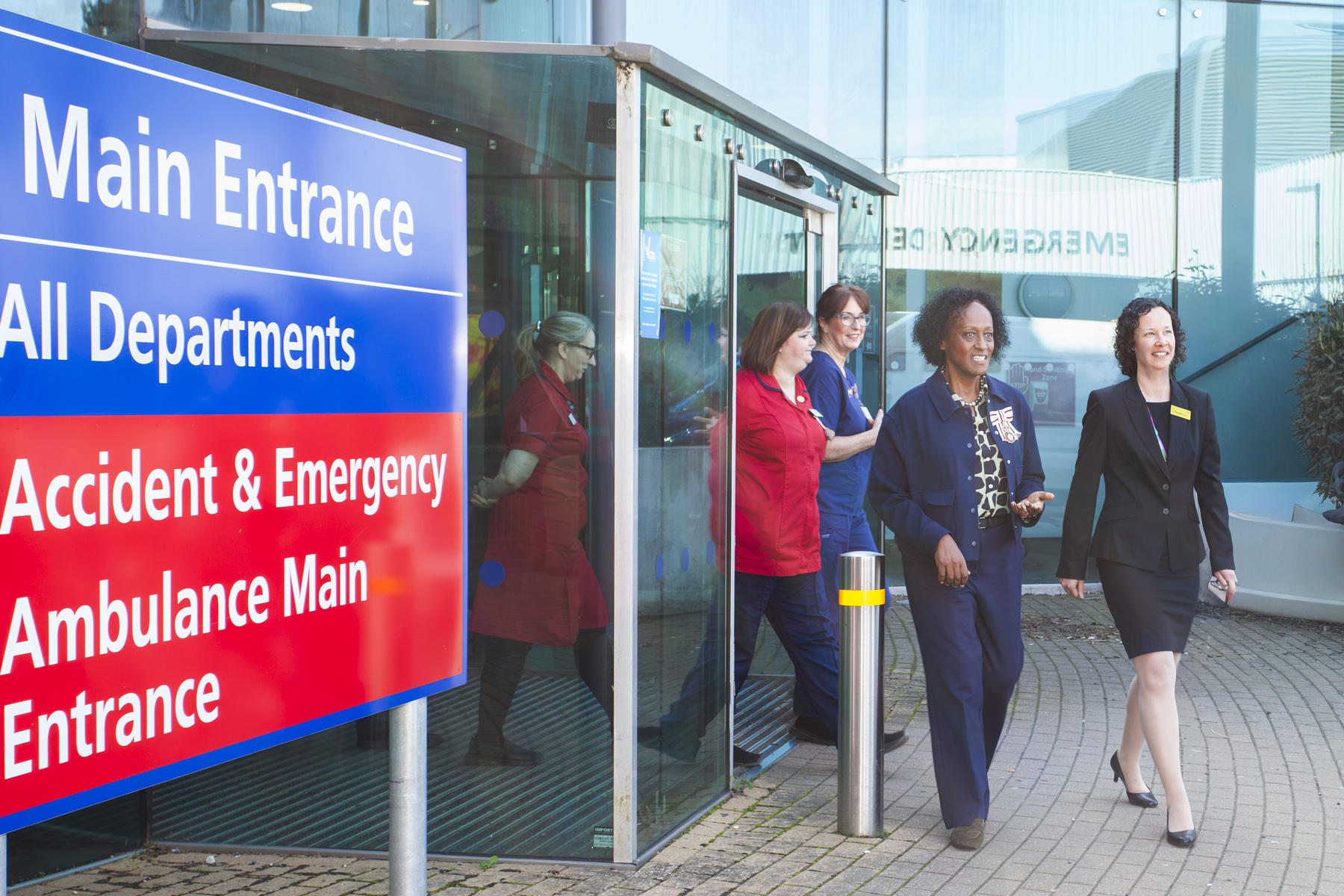
During the visit, the Lord Lieutenant met with clinical teams and toured key areas throughout the facility, seeing first-hand how the co-location of services is supporting a more streamlined patient journey and improving flow through urgent care.
A key improvement has been the return of longer observational stays within the Children’s Assessment Unit, now located alongside the Children’s Emergency Department.
This close proximity allows quicker transfer between departments where appropriate, supporting smoother and more efficient patient pathways. It also means more children from Bassetlaw and surrounding areas can receive care closer to home.
Previously, some children requiring overnight observation or assessment would need to travel to other hospitals, creating additional stress and disruption for families. Providing these services locally improves access to care, reduces disruption and allows families to remain together during what can be a difficult time.
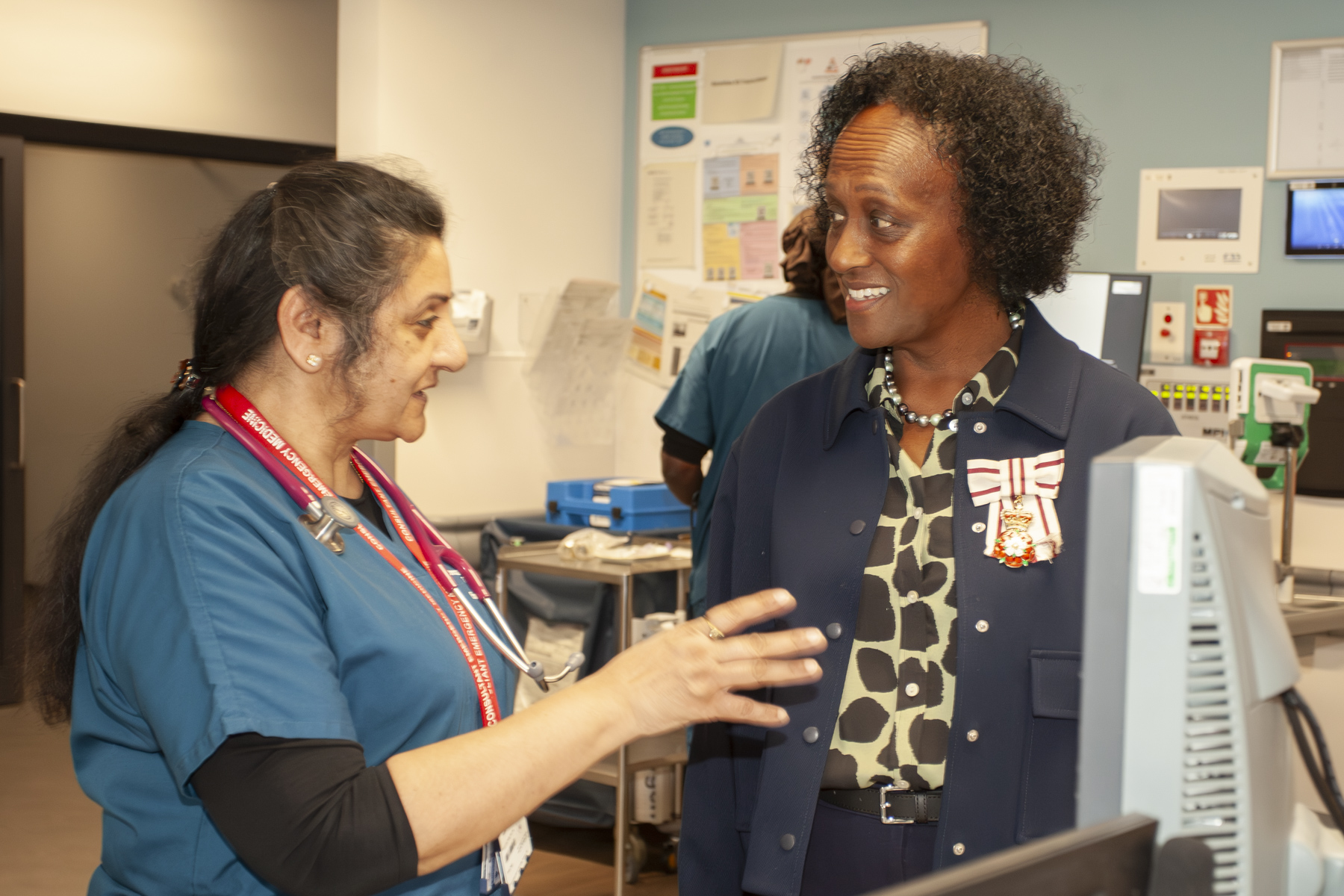
The Emergency Department has also seen significant improvements to its clinical environment.
Features include individualised observation bays and a dedicated “fit to sit” area, providing a more appropriate setting for patients who can safely wait while remaining under clinical supervision.
The department is now located alongside the newly refurbished Minor Injuries and Same Day Emergency Care services, enabling patients to be directed to the most appropriate service for their needs.
For those requiring further assessment or admission, close proximity to the Acute Medical Unit provides a clear and efficient transition to specialist or ward-based care.
Together, these developments support a more streamlined urgent care pathway, helping ensure patients receive the right level of care more quickly.
During the visit, the Lord Lieutenant also reflected on the importance of community, relationships and friendship in supporting the delivery of healthcare. This was evident throughout the emergency care building, where charitable support has played an important role in enhancing the environment for patients and families.
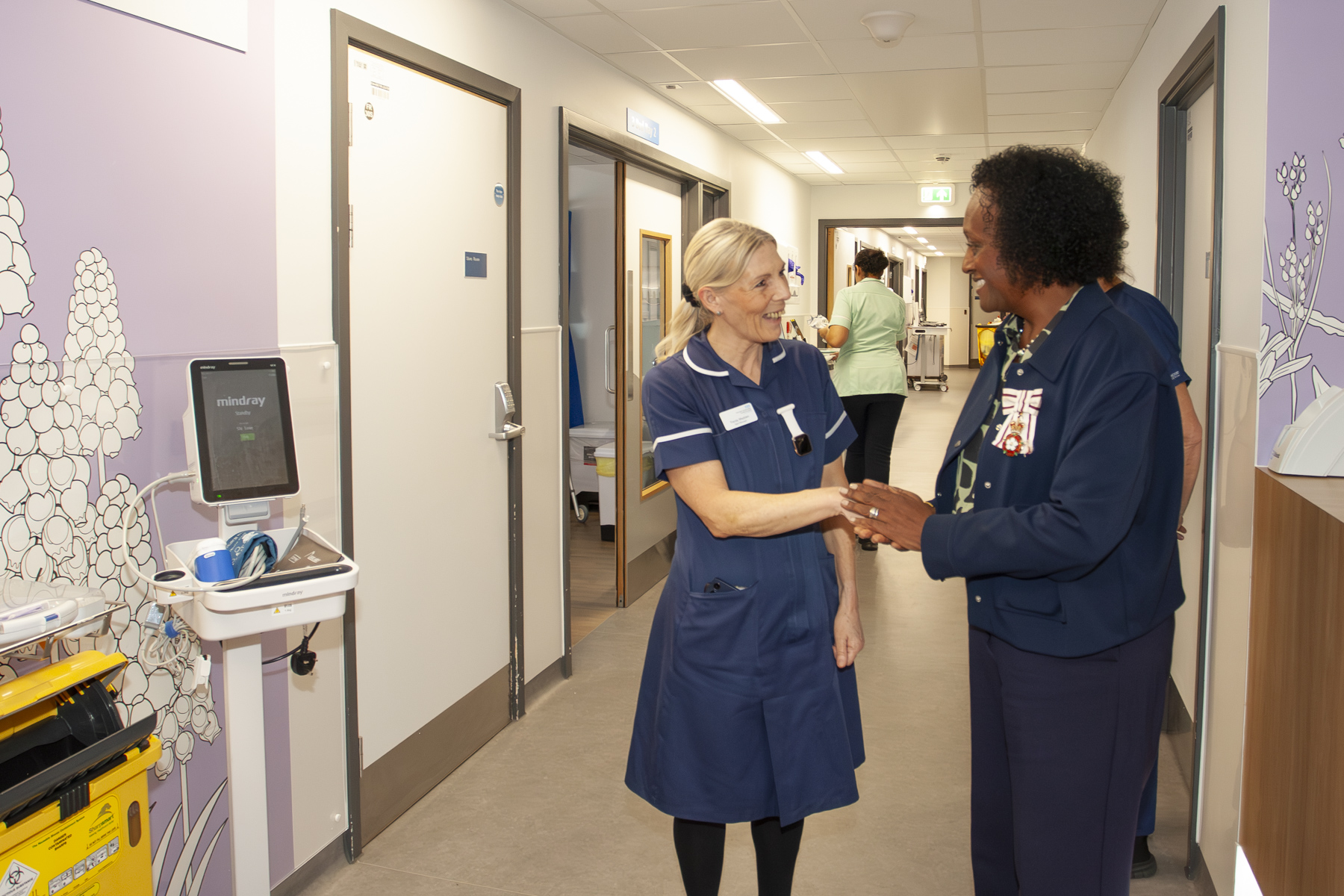
The Bassetlaw Emergency Village Appeal, supported by Doncaster and Bassetlaw Teaching Hospitals Charity, has enabled additional features that help create a more positive and reassuring experience, particularly for children.
The Lord Lieutenant met representatives from the League of Friends of Bassetlaw Hospital and the Rotary Club of Retford, whose fundraising has contributed to enhancements including interactive devices, toys to complement play areas, and calming features such as skylights within clinical bays.
Support for the visit was also provided by volunteers from the Rapid Relief Team, who offered refreshments to clinical teams involved in the tour and working on the day.
The tour concluded at the hospital’s children’s playground area, also made possible through charitable donations.
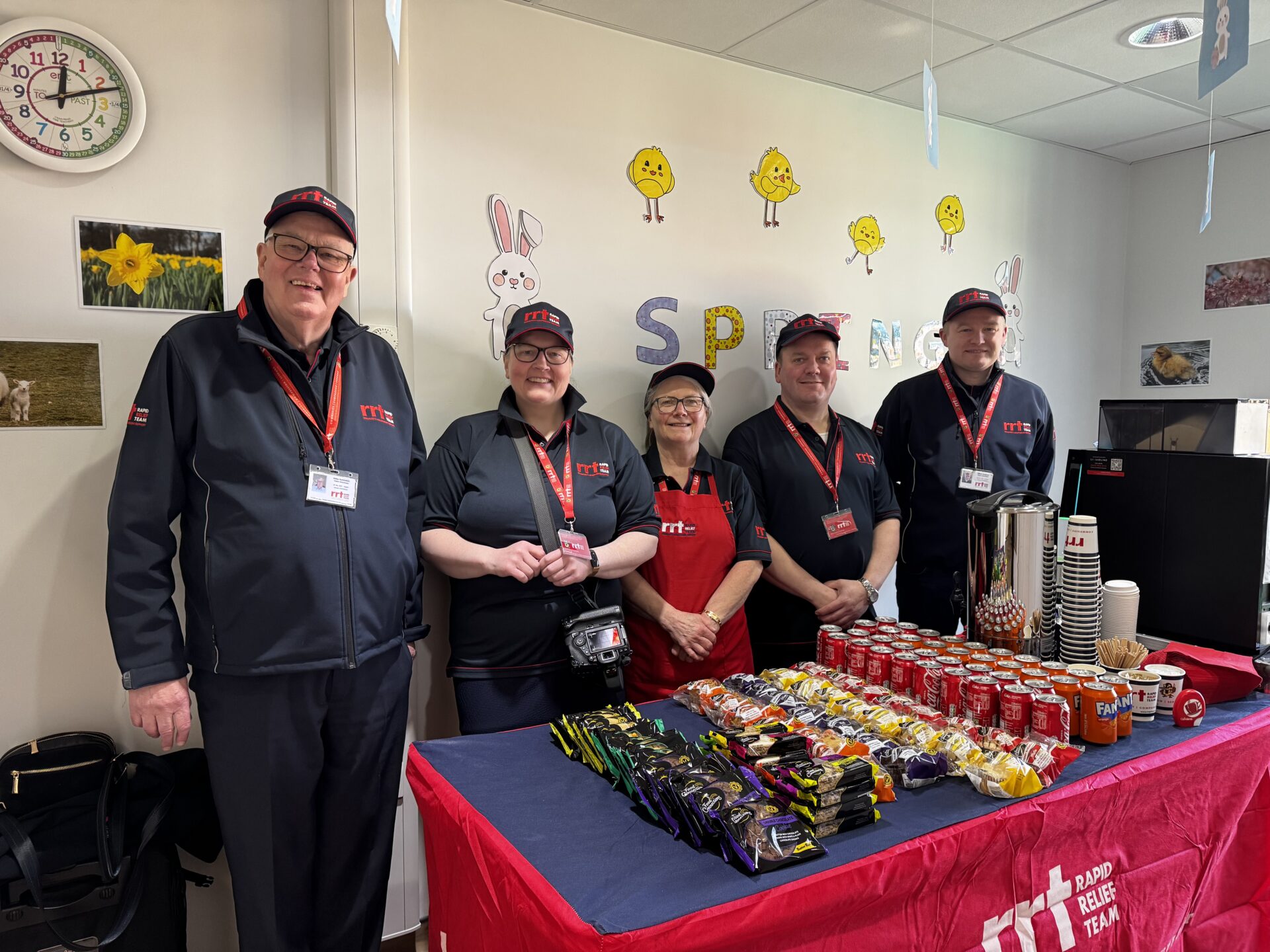
Zara Jones, Acting Chief Executive of the Trust, said: “While these services have been caring for patients for some time, today has been an important opportunity to reflect on the difference this investment is making for our communities.
“We have been able to bring together services that work closely alongside one another, improving the way patients move through urgent care and strengthening the experience for those who need our care.
Just as importantly, these developments mean more children and families can access care closer to home, supported by teams working in an environment designed around their needs, ensuring patients are in the right place, at the right time, for the right care.”
The visit marked an important milestone in recognising the progress made over the past year and the continued commitment of staff, partners and the local community to delivering high-quality care for patients across Bassetlaw and the surrounding areas.
Content out of date? Information wrong or not clear enough? Report this page.
The Trust’s Diabetic Eye Screening Programme held a special clinic at Worksop Library, where 20 patients came along for checks.
The screening looks for diabetic retinopathy – a condition that can affect people with diabetes and damage the back of the eye. If it is not picked up early, it can lead to sight loss.
Anyone with diabetes can develop this condition, which is why regular screening is important – even if your eyesight seems fine.
In the early stages, there are usually no symptoms. Most people will not notice any changes until damage has already started.
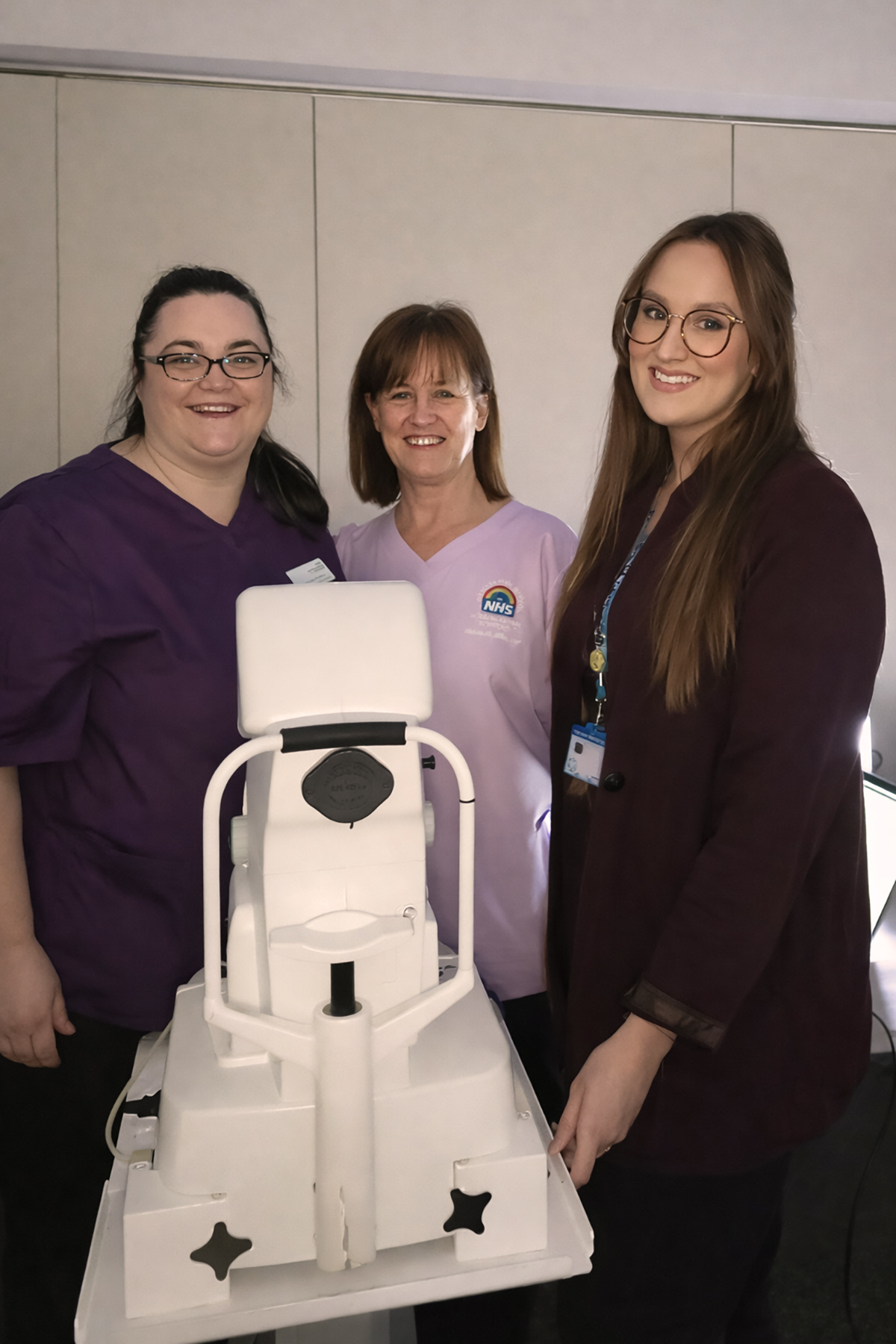
The clinic screened 40 eyes in total. All the patients who attended had previously missed appointments, with some not having a check for up to 14 years. Holding the clinic in a familiar community setting helped reach people who had found it difficult to attend hospital appointments.
Patients shared why they had not attended in the past. Some said they felt anxious about the test and expected it to be painful or uncomfortable.
Others spoke about practical challenges, such as getting to hospital, finding parking, or relying on others for transport.
By offering appointments closer to home, the clinic helped remove some of these barriers and made it easier for people to access care – particularly for those who might otherwise miss out.
Jemima Beaumont, Diabetic Eye Screening Lead at the Trust, said: “Getting people back into screening after many years is a huge achievement and shows the value of bringing services into the community.
“Many people told us they had avoided screening because they were worried about what would happen, but they were surprised by how quick and painless it is. Others face real challenges getting to hospital. By bringing clinics into community venues, we can make it easier for people to look after their eye health.”
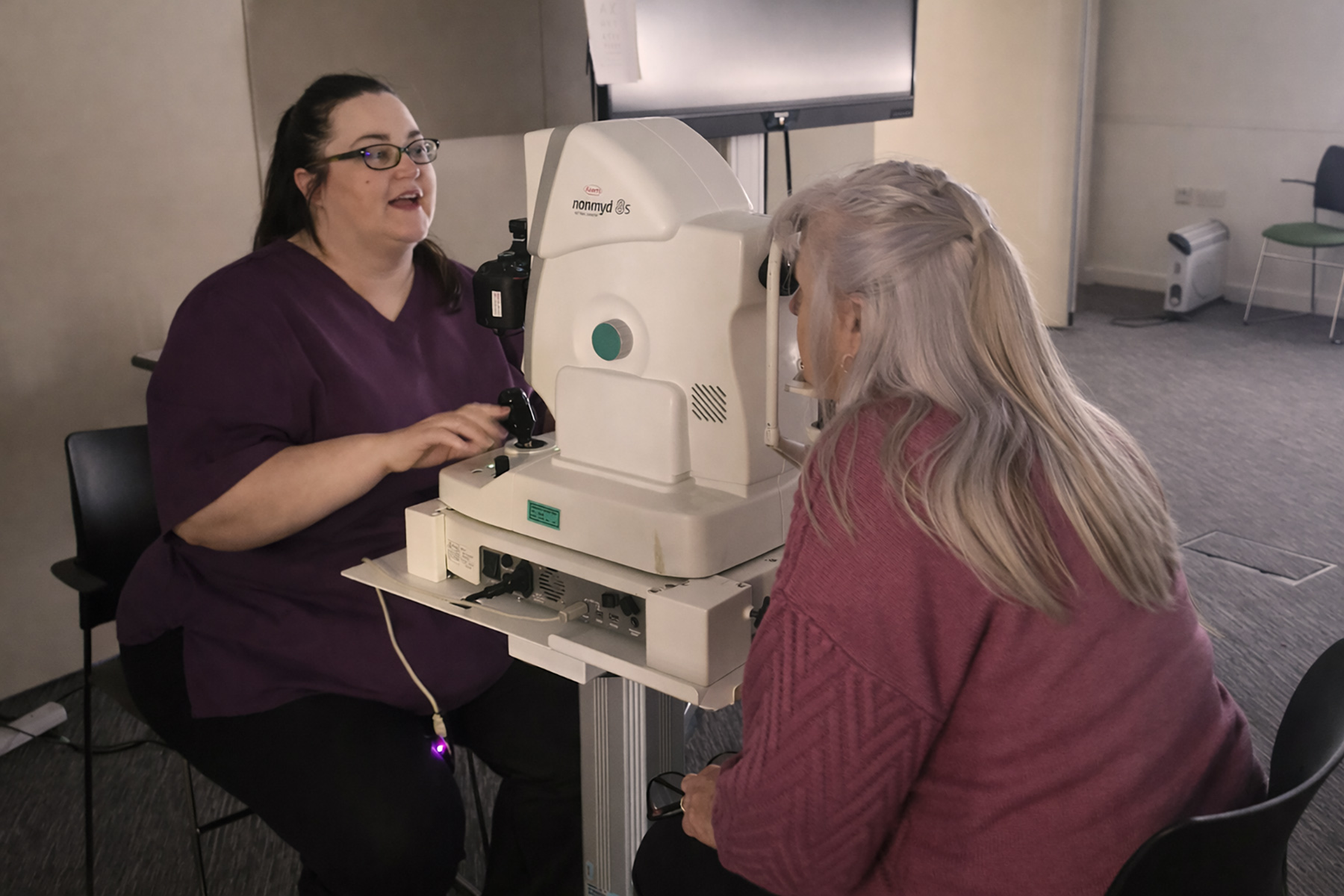
The Trust worked closely with the team at Worksop Library to deliver the clinic, with library manager Steve Powell offering the space free of charge due to a shared commitment to improving local health outcomes.
The Trust will continue looking at ways to bring screening closer to communities across Doncaster and Bassetlaw, helping more people protect their sight, as well as tackling health inequalities.
Content out of date? Information wrong or not clear enough? Report this page.
The announcement builds on the charity’s marathon debut last year, when its first-ever runner, Inta, completed the event and raised more than £2,000 for the Children’s Ward at Doncaster Royal Infirmary.
Now, the charity is expanding with a team of four determined fundraisers ready to line up on the start line in London this spring.
Adrian Petts, Head of Charity at DBTH Charity, said: “As a growing charity we are so thrilled to enter our largest team yet to the London Marathon this year.
“Our runners have poured all their efforts into their fundraising, and it’s been brilliant watching them find new ways to fundraise – we couldn’t ask for a better team.”
Among them is Kieran Benson, an eRoster Support Analyst at DBTH, who is running in memory of his grandparents, all of whom received care from the Trust.
He said: “The compassion and support they were shown has always stayed with me.
“Running the London Marathon felt like the perfect way to challenge myself while giving something back to a charity that has helped my family and friends so much.”
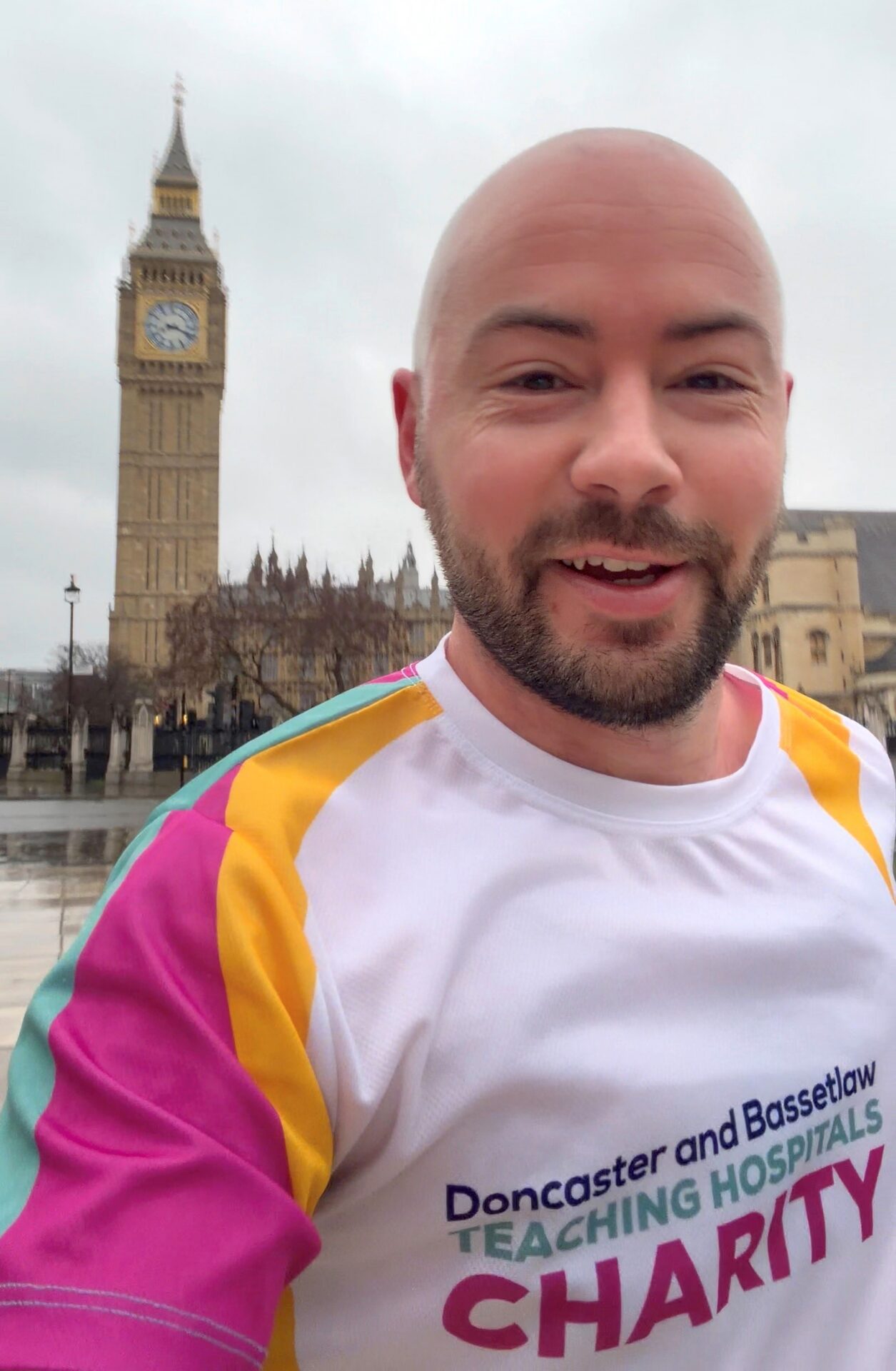
A proud local, Kieran has organised a seven-a-side charity football match, hosted a quiz night at BRIX Coffee Co, completed the Doncaster 10K and secured support from local businesses including Albemarle Homes. He has currently raised £3,248.
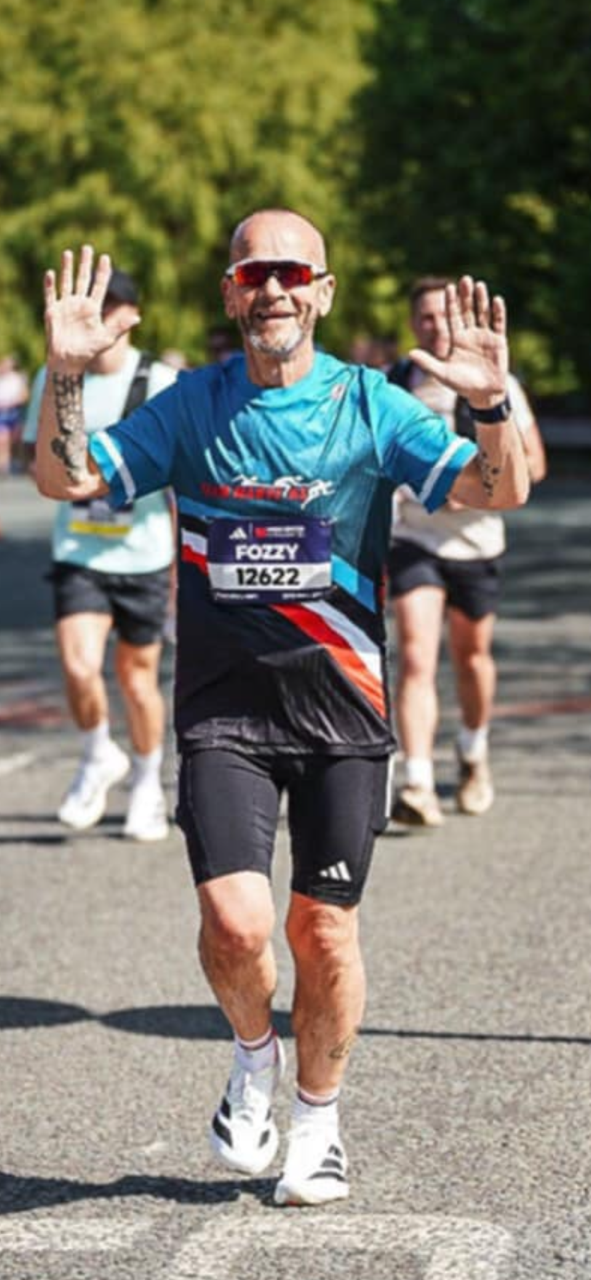
Steve Forster is also taking on the challenge, inspired by the difference the charity makes across the community.
He said he admires the impact of DBTH Charity’s work and wanted to set himself a meaningful challenge while raising awareness and funds for a cause that will inevitably touch everyone’s lives at some point.
Alongside juggling training with everyday commitments, Steve recently completed the Brass Monkey Half Marathon in York and continues to train with support from his local running club, Team Manvers and has raised over £1,200 already.
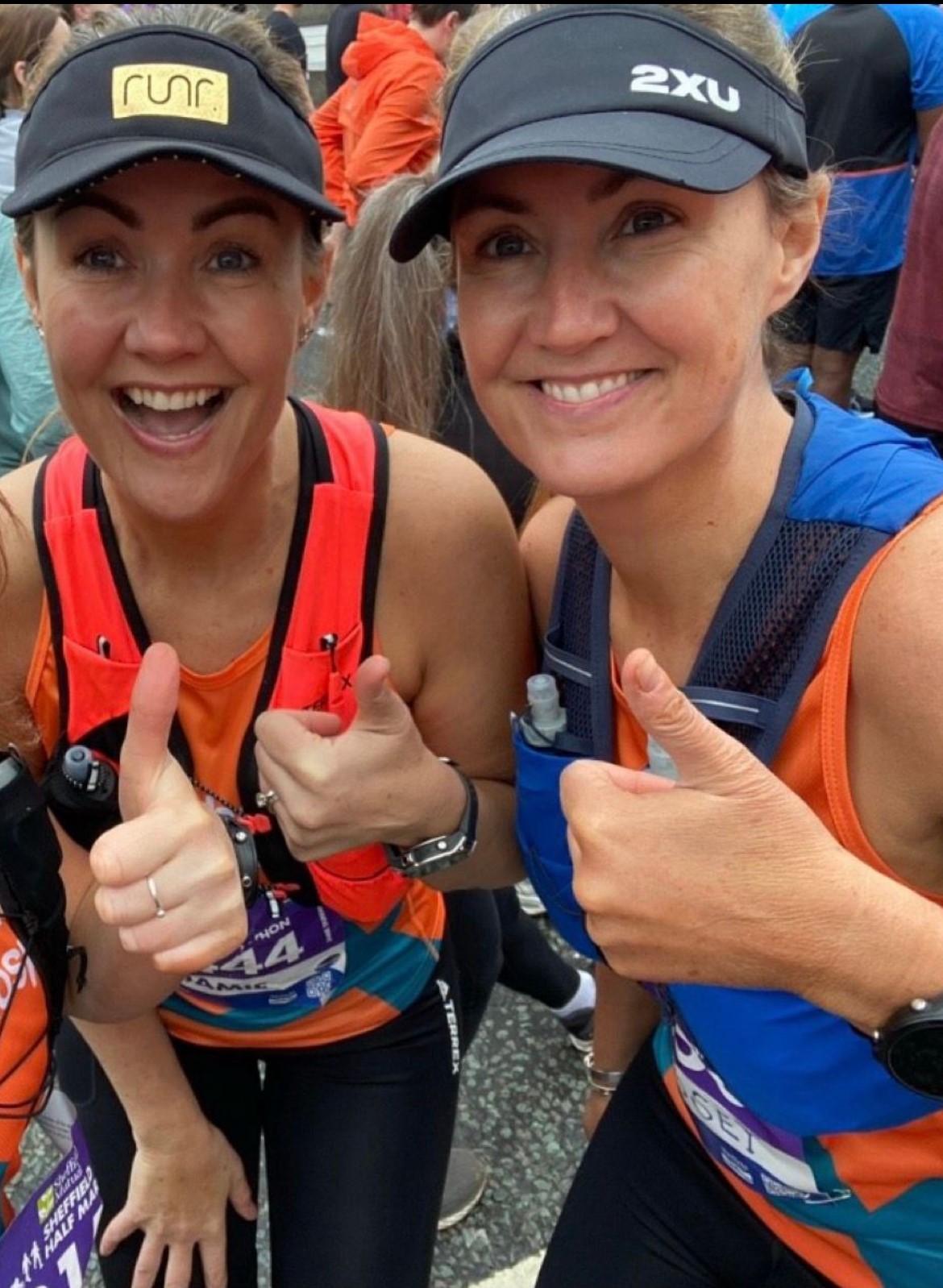
For Lyndsey Dunworth, the marathon marks a milestone year as she celebrates her 50th birthday.
She said: “I chose to fundraise for DBTH Charity because it supports local hospitals that all of my family have used at some point, and I wanted to support local fundraising where possible.”
“This year is my 50th birthday, and running the London Marathon felt like a once-in-a-lifetime opportunity!”
Lyndsey is training alongside her twin sister, who is fundraising for Rotherham Hospice.
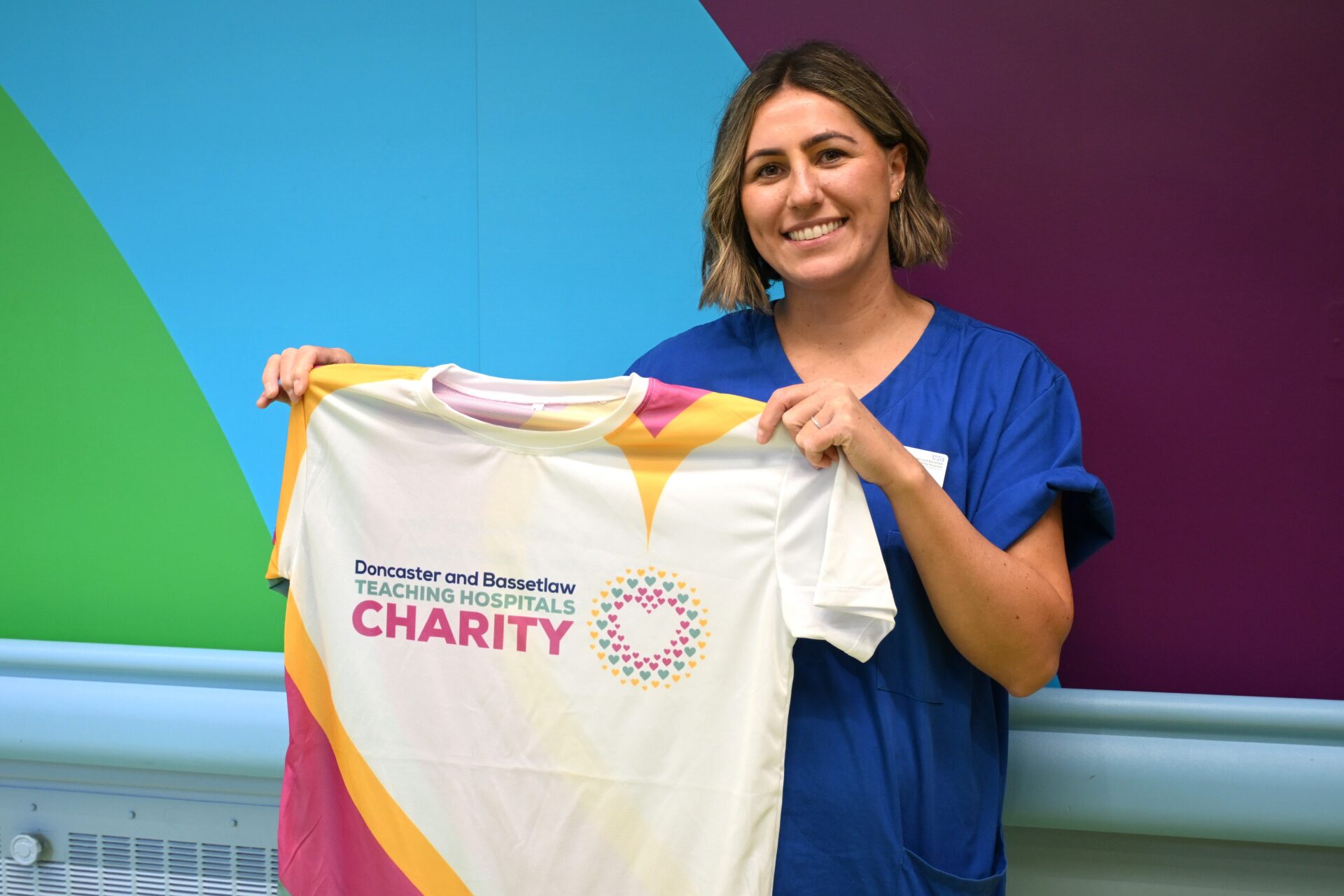
Nicole Tucker, a midwife at DBTH, is swapping hospital corridors for the streets of London as she prepares for the 26.2-mile course.
Having seen first-hand the difference the charity makes, Nicole is passionate about giving back. Her training journey has already included completing her first 10K, finishing the Yorkshire 10 Mile and building up to longer distances in the new year.
She said: “This charity helps us go beyond the basics and deliver the kind of care that really stays with people.”
As a midwife, Nicole is no stranger to long stints on her feet, running up and down corridors and catching babies at all hours of the day.
She continued: “Signing up for a run might just feel like another day at work except with slightly less screaming and tears hopefully”
Nicole even put her motivation into verse:
“I support the women, calming the screams,
“Survive on tea and half-baked dreams.
“But now I’m running with my shoes laced tight,
“For charity, and not just fright!
“From robots sharp to memory kits,
“This charity funds all the hits.
“So I’ll jog, I’ll puff, I might just crawl
“But I’ll do it with love for one and all!”
Together, the four runners have already raised more than £5,300, funds which will support projects that go above and beyond NHS provision – from enhanced equipment and improved environments to wellbeing initiatives that benefit patients and staff across the Trust’s hospitals.
Adrian continued: “Each runner has their own personal reason for taking part, but they all share the same goal – to give back and make a difference for our patients, families and colleagues.
“The support from our communities so far has been fantastic, and we can’t wait to cheer them on.”
To support Team DBTH Charity in the 2026 London Marathon, visit their fundraising pages:
Nicole – https://fundraise.dbthcharity.co.uk/fundraisers/nicolegottheruns/london-marathon
Lyndsey – https://fundraise.dbthcharity.co.uk/fundraisers/lyndseydunworth/london-marathon
Steve – https://fundraise.dbthcharity.co.uk/fundraisers/stephenforster/london-marathon
Kieran – https://fundraise.dbthcharity.co.uk/fundraisers/kieranbenson/london-marathon
If you’re interested in running the London Marathon 2027 for DBTH Charity, please contact the team by email dbth.charity@nhs.net or call 01302 648282.
About DBTH Charity:
Doncaster & Bassetlaw Teaching Hospitals’ Charity is the official charity which supports Doncaster and Bassetlaw Teaching Hospitals Trust to go above and beyond by providing additional equipment, services and amenities for our patients, visitors and staff which cannot be funded by the NHS alone.
These additional extras would not be possible without the support of our community. With your help, we can continue to work with our Trust to fund innovative and exciting projects that make a difference to our patients, their families and our colleagues who care for them.
Visit the charity website to find out more: https://dbthcharity.co.uk/
Content out of date? Information wrong or not clear enough? Report this page.
Amanda Abbott works within the Trust’s lung cancer service as a Patient Cancer Navigator, helping guide patients through the diagnostic and treatment pathway. While Amanda has supported patients in this way for more than a decade, work is now underway nationally to formally recognise and standardise this role across the NHS, ensuring patients receive consistent support wherever they are treated.
Patient Cancer Navigators provide a vital link between patients and clinical teams. They help coordinate appointments, support communication between services, and ensure patients can access the information and practical support they need. For many patients, having a consistent point of contact can make the pathway easier to understand and less daunting.
Being investigated for lung cancer can be an anxious and uncertain time, often involving multiple appointments, tests and discussions about treatment. The navigator role helps ensure patients understand what to expect at each stage while also helping teams coordinate care more effectively.
Patients have responded positively to the service, often saying they value having a named person who can guide them through the pathway and answer questions along the way.
Amanda said: “It’s important that patients feel supported and informed throughout their care. This role can help make the pathway clearer and more aligned, it makes a real difference to them knowing there is someone who they can speak to.”

The experience gained at DBTH has also contributed to wider national developments. Amanda has been involved in shaping the Lung Cancer Nursing UK Professional Development Framework, which helps define how navigator roles support cancer pathways across the NHS. The role is now increasingly recognised nationally under the title Patient Cancer Navigator, helping ensure consistency for patients across different hospitals.
The success of the lung cancer navigator role at DBTH has also led to similar roles being introduced across other cancer pathways at the Trust over the past two years. By embedding navigators within Clinical Nurse Specialist teams, the organisation has helped demonstrate how these roles can improve coordination of care and enhance the patient experience.
Karen Jessop, Chief Nurse at DBTH, said: “Patient Cancer Navigators provide invaluable support for patients at what can be a very uncertain time. By helping coordinate care and offering a consistent point of contact, they play an important role in improving the overall patient experience.”
Roles such as Patient Cancer Navigators also provide opportunities for colleagues working in non-clinical positions to become more closely involved in supporting patients throughout their care. Alongside this, the Trust continues to invest in the development of its specialist cancer workforce, supporting Clinical Nurse Specialists to develop their expertise and, where appropriate, progress into Advanced Clinical Practitioner roles.
Through initiatives such as this, and as set out in the Trust’s Healthier Together strategy, DBTH continues to review and develop how care is delivered — ensuring patients receive high-quality, coordinated support while also helping shape the future of cancer services across the NHS.
To learn more about the Trust’s priorities, career opportunities or information about cancer services, please visit the DBTH website.
Content out of date? Information wrong or not clear enough? Report this page.
We have exciting opportunities to join the Emergency Preparedness, Resilience and Response (EPRR) team at Doncaster and Bassetlaw Teaching Hospitals.
The team plays an important role in ensuring the organisation is ready to respond to major incidents, emergencies, and service disruption, supporting colleagues across our hospitals to maintain safe services for patients.
Working across clinical and corporate teams, the EPRR function helps coordinate plans, training and exercises, ensuring the Trust meets national requirements for emergency preparedness and business continuity.
If you are organised, proactive, and interested in helping healthcare services remain resilient during both planned and unexpected events, we would encourage you to apply.
Emergency Preparedness, Resilience and Response (EPRR) Officer
Band 5 | Full time (37.5 hours) | Permanent
Based primarily at Doncaster Royal Infirmary, the EPRR Officer will support the operational delivery of the Trust’s emergency preparedness programme.
Working across clinical and corporate services, the postholder will help coordinate planning, training, exercises, and documentation to ensure the organisation is prepared for incidents and maintains compliance with national EPRR standards.
The role also includes operational leadership of the Trust’s FFP3 Fit Testing programme, supervising delivery across sites and ensuring appropriate safety and compliance standards are met.
- Find out more and apply here.
EPRR Clinical Resilience Officer
Band 6 | Full time | Fixed term (24 months)
This role focuses on strengthening digital and clinical resilience across the Trust, supporting services to maintain continuity during disruption or system changes.
Working closely with clinical teams, digital services and programme teams, the postholder will help develop and test business continuity and disaster recovery arrangements linked to the Trust’s electronic patient record programme and wider digital infrastructure.
The successful candidate will help ensure services have robust downtime and recovery processes, coordinate testing and exercises, and support teams during major system deployments or incidents.
- Find out more and apply here.
Content out of date? Information wrong or not clear enough? Report this page.
The survey is carried out independently and anonymously by research organisation IQVIA, allowing colleagues to speak openly about their experiences at work and helping the organisation understand both its strengths and where improvements are needed.
The results show the Trust, which operates hospitals in both South Yorkshire and North Nottinghamshire, is performing above the benchmark for six of the seven areas used across the NHS to understand workforce experience.
These include whether colleagues feel respected at work and feel safe and supported in their roles. The Trust is in line with the average in the seventh area, which focuses on teamwork.
Colleagues responding to the survey highlighted strong opportunities for learning and development, progress with flexible working, and positive experiences around health, safety and wellbeing at work.
Many also reported feeling supported by their immediate teams and managers, with overall morale comparing favourably with similar NHS organisations and survey measures such as bullying and harassment also remaining lower than in comparable organisations nationally.
The survey also highlights areas where further progress is needed.
Feedback around engagement, involvement in decisions and whether colleagues feel comfortable raising concerns will help shape the Trust’s priorities over the coming months, with a focus on strengthening communication and involving teams more closely the development of improvements within services.
Mark Bailey, Interim Chair of the Board at DBTH, said: “We are very grateful to the almost 4,000 colleagues who took the time to share their experiences. Because the survey is anonymous and independently run, it gives people the confidence to be open and candid about what it is really like to work here, and we genuinely value that honesty.
“This survey builds on the work we have already been doing to listen to colleagues through previous surveys and engagement across the organisation. Together, it gives us a rich insight into the experiences of services, staff groups and individuals, helping us better understand where things are working well and where more attention, and action, is needed.
“It is encouraging to see our Trust comparing favourably with similar organisations across many of the national measures of colleague experience. At the same time, results like this never mean the work is finished. We will continue to build on the many positive things colleagues have highlighted, while also focusing on areas where particular teams or groups feel their experience could be better.”
The findings will inform wider cultural work beginning across the organisation in the coming weeks to better understand colleagues’ experiences and respond to the survey findings in a coordinated and meaningful way.
Mark added: “Alongside colleagues across the Trust, the Board of Directors will look carefully at these findings alongside how our services are performing, because the experience of our colleagues is closely linked to the care we provide for patients and the communities we serve.
“We will continue to listen to colleagues and act on what they tell us as we work to make our Trust the best possible place to work and receive care.”
The NHS Staff Survey takes place every year, and colleagues will have another opportunity to share their experiences when the next survey opens in September.
Members of the public can read more about the findings here: https://www.nhsstaffsurveys.com/
Doncaster and Bassetlaw Teaching Hospitals operates Doncaster Royal Infirmary, Bassetlaw Hospital and Montagu Hospital, providing care to around half a million people across South Yorkshire and Nottinghamshire each year.

Content out of date? Information wrong or not clear enough? Report this page.
It’s a busy role that keeps Jarnel constantly on the move. During a typical shift, he walks between 25,000 and 30,000 steps each day – around 12 miles as he helps colleagues and patients across our sites.
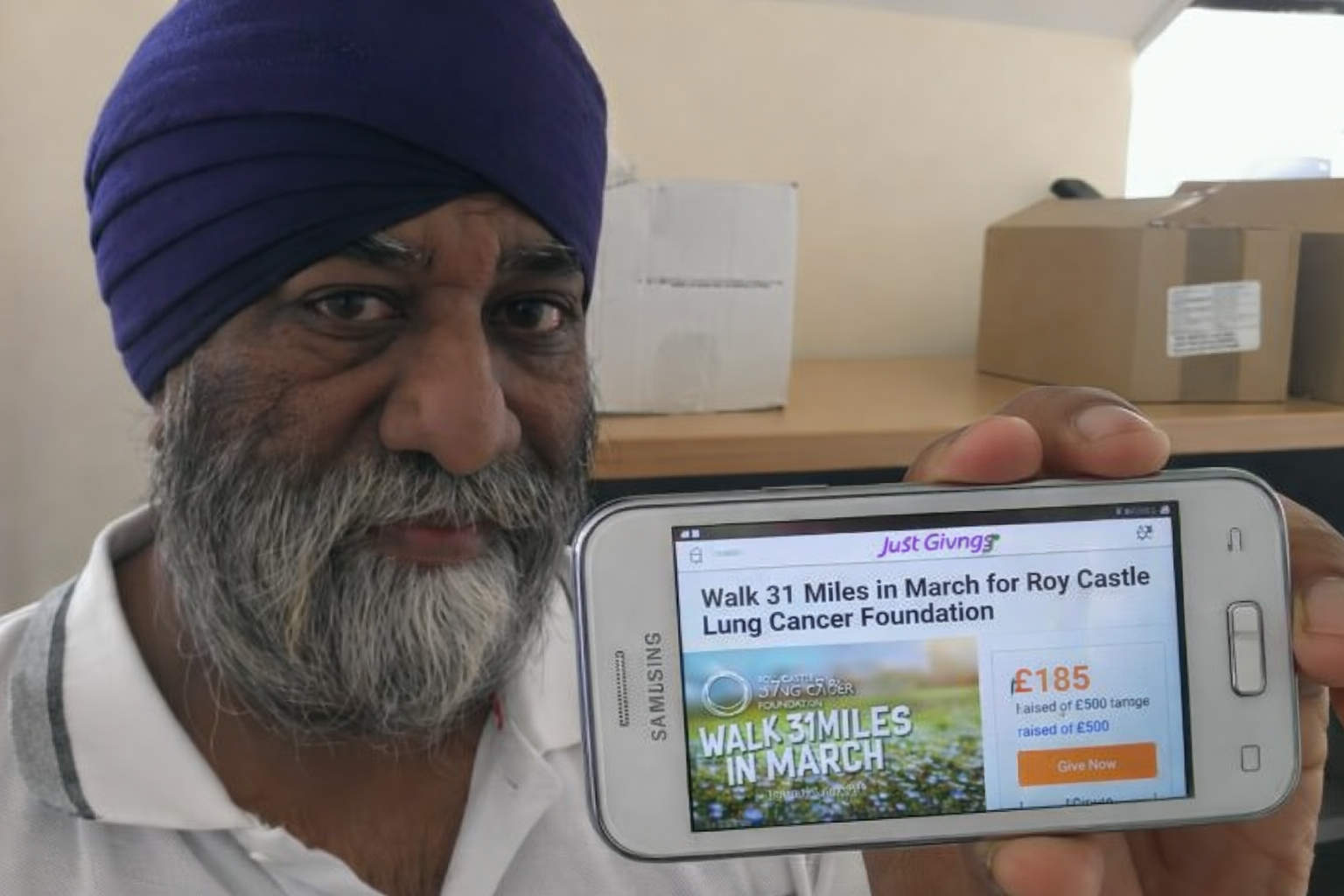
So when it comes to walking, Jarnel is already well practised. This March, he’s turning those miles into a fundraising effort by taking on the Walk 31 Miles in March challenge in support of the Roy Castle Lung Cancer Foundation.
While the distance itself may be modest compared to the steps he covers at work, the aim is to use his daily miles to raise awareness and vital funds for a cause that makes a real difference.
Jarnel is undertaking the challenge in honour of everyone affected by lung cancer – those currently facing it, those we have sadly lost, and the families who continue to carry their memory. While he already walks miles each day through his role, he is dedicating an extra mile every day in his own time to raise awareness and vital funds.
The Roy Castle Lung Cancer Foundation is the UK’s leading lung cancer charity. It funds research to improve treatments and survival rates, campaigns for earlier diagnosis, and provides practical and emotional support to patients and families facing lung cancer. Its work helps ensure people affected by the disease receive the information, care, and hope they need.
Jarnel is no stranger to supporting good causes. Over the years he has helped raise thousands of pounds for charity, including organising sponsored walks between Sheffield and Doncaster with Sikh Youth Doncaster. In recognition of his charitable work, he was even invited to attend the wedding of the Duke and Duchess of Sussex in 2018.
So far, Jarnel has raised just under £200 of his £500 goal, and with a little help from colleagues we can help him get there.
If you are able to support him, every donation makes a difference.
Support him here: https://www.justgiving.com/fundraising/jarnel1771501111981
Content out of date? Information wrong or not clear enough? Report this page.
Residents of Doncaster and Mexborough might recognise South Africa-born Ellie from her clinical role – however, that’s just the tip of the iceberg when it comes to her life.
Despite already taking on the Ironman World Championships and the Ice Swimming World Championships in late 2024 and early 2025, Ellie pushed herself even further last year with two extraordinary challenges: a relay swim across the English Channel and the iconic New York City Marathon.

Last September, Ellie completed her 21-mile relay swim in 17 hours and 34 minutes alongside five other women, none of whom knew each other prior but have since formed a watertight bond.
Reflecting on the gruelling conditions, Ellie said: “We had everything against us – the riptides and jellyfish were unforgiving. We almost didn’t make it to the end, even our observer wasn’t sure we would.
“This seemed to spur us on more – we started chanting and singing to each other to motivate us and it worked!”

Just over a month later, Ellie jetted off to the US to race in the New York Marathon. Despite the rapid turnaround, she achieved a Time Qualifier, meaning she automatically secured a place in a future race based on her finishing time for her age category.
She explained: “After the relay, I was so exhausted mentally and physically, but I knew I had to get stuck into training for the marathon.
“I’ve ran the London Marathon in the past and now New York; I think I want to complete the Boston Marathon next.”
Just a week after running New York, Ellie swapped trainers for wedding heels and took to the waters once again to marry her fiancé, John, on a cruise in the Bahamas.
Since then, Ellie has represented Team GB at the European/African Ice Swimming Championships in Molveno, Italy, bringing home a silver medal.

After an intense couple of years, Ellie plans to take a break from competing for the rest of 2026, focusing instead on refining her technique and race strategy.
Ellie added: “Ice swimming is getting more popular, which is fantastic. I am thinking about going for the world championships but changing direction and competing in the breaststroke category instead.
“Me and the girls who I completed the relay with are meeting up in June to take on Chillswim Coniston – we can’t sit still for too long!”
Mark Bailey, Interim Chair of the Board at Doncaster and Bassetlaw Teaching Hospitals (DBTH), said: “Ellie’s commitment to everything she does for our country, from her work at our orthopaedic centre to representing us at European and international sporting events, is truly motivating.
We are full of admiration and respect for her, and we know that no matter what she puts her mind to, she can succeed. A huge congratulations, Ellie – Team DBTH are truly fortunate to have you!”
Content out of date? Information wrong or not clear enough? Report this page.