The Trust is a finalist in four categories at the 2026 Awards for Excellence in Waste Management for the NHS in England: Waste Management Champion of the Year, Best Reduction of Clinical Waste, Biggest Reduction in Carbon Emissions and Best Digital and Data Innovation.
Over the past year, teams across DBTH have been working to reduce unnecessary clinical waste, increase recycling and make greater use of lower-carbon methods of disposing of waste.
One of the biggest changes has been improving how clinical waste is separated. By working with clinical teams to ensure waste goes into the appropriate stream, the Trust reduced the amount of waste placed in orange clinical waste bags by 30%, while increasing the use of lower-carbon offensive waste routes by 36%.
Alongside other improvements, including greater use of reusable sharps containers and changes to how waste is treated, the programme has delivered more than 300 tonnes of measurable carbon savings.
Recycling has also increased significantly. Following the introduction of new recycling arrangements, Montagu Hospital increased its recycling rate from zero to more than 34%, while Bassetlaw Hospital increased its rate to almost 45%.
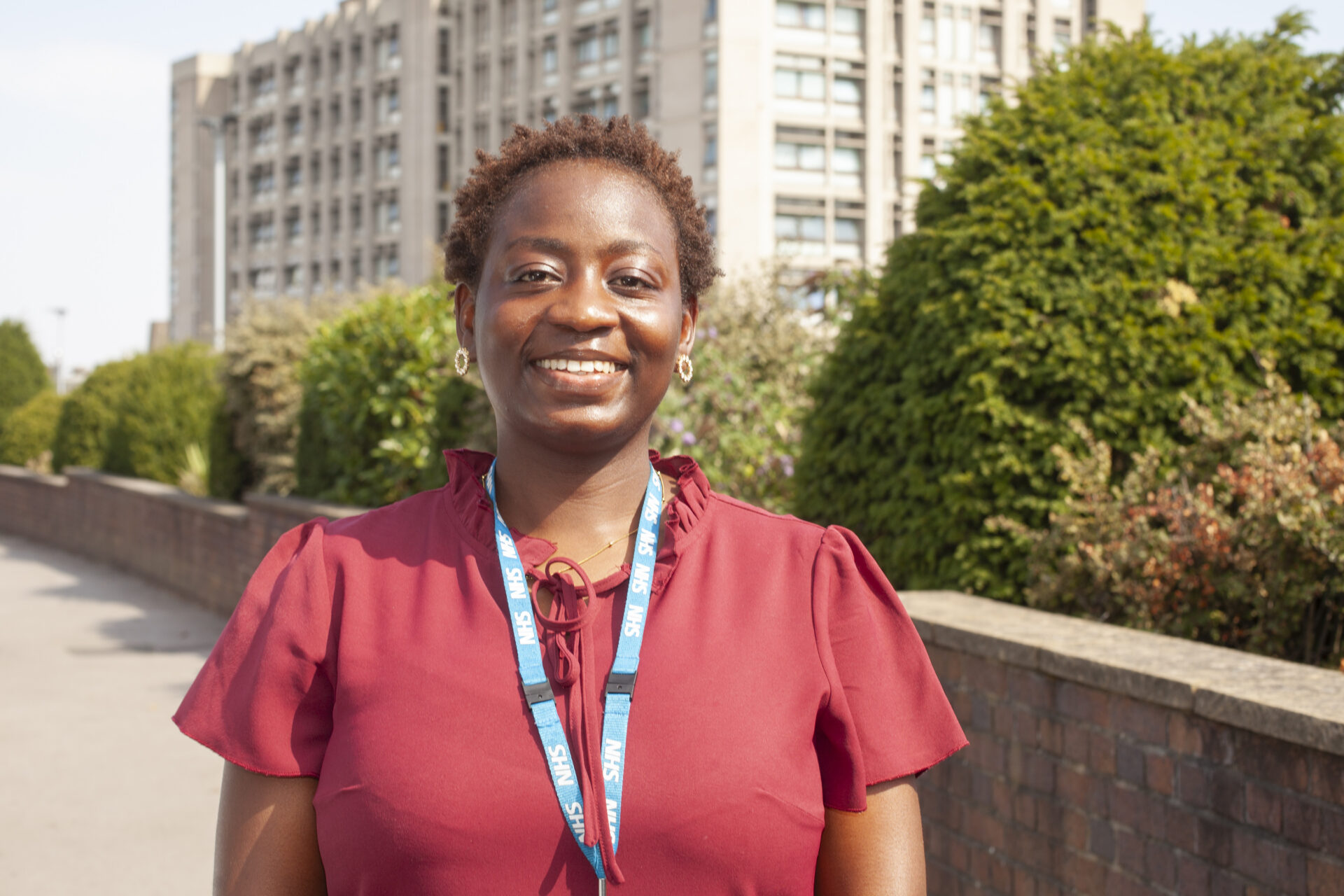
The work has been led by Adeola Bayode, Waste and Sustainability Manager at DBTH, who joined the Trust in June 2025 and has also been individually shortlisted for Waste Management Champion of the Year.
Adeola said: “This recognition reflects a huge amount of work by colleagues across the Trust. Waste management might not always be something people immediately associate with healthcare, but the decisions we make about the thousands of items we dispose of every day have an environmental and financial impact.
“Much of this work has been about making relatively simple changes and helping colleagues understand what needs to go where. By getting that right, we can reduce the amount of waste requiring more intensive treatment, recycle more and reduce our carbon footprint, while always making sure that clinical safety comes first.
“I’m incredibly proud that this work has been recognised nationally, but particularly grateful to the clinical, facilities, portering and other teams who have helped make these changes part of everyday practice.”
Dr Kirsty Edmondson Jones, Director of Infrastructure at DBTH, said: “Four national shortlistings is fantastic recognition for Adeola and for the many colleagues who have supported this work across our hospitals.
“What is particularly encouraging is that these improvements are delivering benefits on several fronts. We are reducing our environmental impact, making better use of resources and improving the way we understand and manage waste across the organisation.
“With an organisation of our size, relatively small changes made consistently across our services can add up to a significant difference. There is still more we want to do, but saving more than 300 tonnes of carbon emissions shows what can be achieved when colleagues work together to make sustainability part of how we operate every day.”
DBTH has also been shortlisted for its work with Veolia to develop a digital dashboard giving teams much quicker access to information about the amount and type of waste being produced across the Trust.
Previously, much of this information was reviewed retrospectively through monthly spreadsheets. The dashboard provides more timely information on waste streams, treatment routes, costs and environmental impact, allowing teams to identify trends and areas for improvement more quickly.
The system has supported improvements in clinical waste management and reduced the time required to compile information for annual NHS reporting by an estimated 14 hours. The approach has subsequently been adopted by other NHS organisations using the same waste contractor.
The Trust is continuing to build on the work, including plans to extend pharmaceutical waste diversion across its hospitals and introduce the new recycling arrangements at Doncaster Royal Infirmary.
The winners of the Awards for Excellence in Waste Management for the NHS in England 2026 will be announced at the Science and Industry Museum in Manchester on Thursday 1 October.