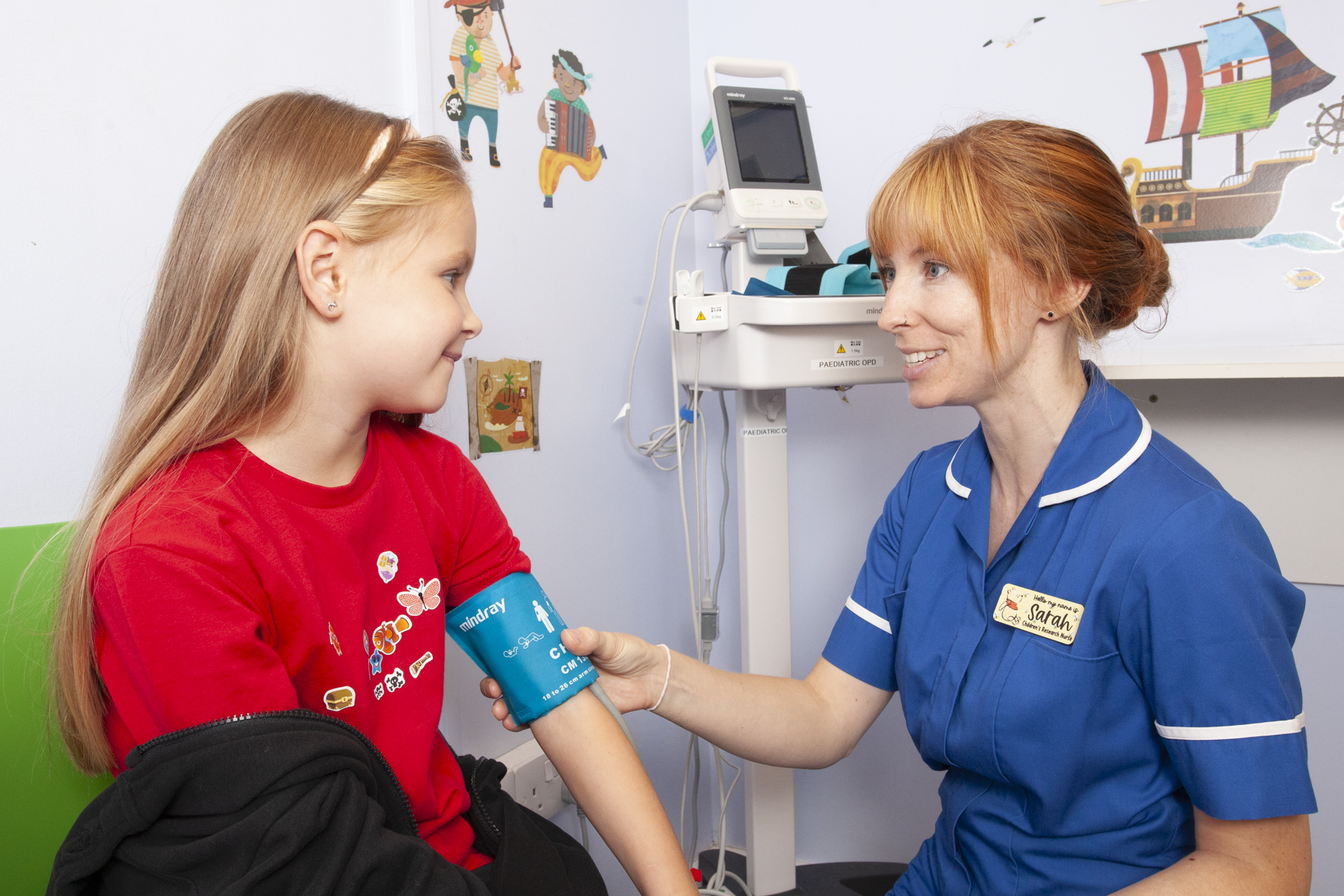
The CHESS study is a national research project investigating the clinical and cost-effectiveness of a self-care support intervention for young children with neurodisability. The study aims to improve children’s self-care skills and participation in everyday activities while supporting families and healthcare professionals with evidence-based approaches to care.
The study provides parents and therapists with specialised materials and training to build self-care routines, communicate care priorities, and overcome physical barriers.
The Children’s Therapy team at DBTH has worked closely with eligible families to support recruitment into the study. All participants remain anonymous, and their involvement will contribute to important research designed to improve outcomes for children and families across the NHS.
The team recently attended specialist CHESS training and is now moving forward with plans to implement the intervention locally as the study progresses.
Claire Ziolkowski, Clinical Manager for Children’s Therapy at Doncaster and Bassetlaw Teaching Hospitals, said: “We are delighted to achieve our recruitment target for the CHESS study. The enthusiasm and commitment shown by our team and the families who have chosen to participate has been fantastic.
“Attending the recent training session has given us valuable insight into the intervention, and we are excited to begin planning how we will embed this approach within our services. Research like CHESS is vital in helping us develop evidence-based therapies that can make a real difference to children and families in our communities.”
The Trust’s involvement demonstrates its ongoing commitment to supporting high-quality research and innovation, helping to shape the future of children’s therapy services both locally and nationally.
With the recruitment target achieved, the team is looking forward to the next phase of the study and contributing to a growing body of evidence that will inform future care for children with neurodisability.
The CHESS trial, led by Newcastle University, will involve 960 families across 40 NHS sites.