
- Grade: Band 4 (£28,392 – £31,157)
- Contract: Permanent
- Hours: Full time – 37.5 hours per week
- Site: Doncaster Royal Infirmary
Apply here: https://www.dbth.nhs.uk/jointheteam/#!/job/v7880572
Duties will include management and co-ordination of the Clinical Rotas for Trauma & Orthopaedics department, staff rostering, annual leave and sickness management and monitoring, ensuring application and adherence to Trust HR and Service policies and procedures.
Duties will also include line management of an administrative team within Podiatric Surgery and providing Team Leader cover for Podiatric Surgery. Cross cover will also be required for Team Leader colleagues, managing clinics, waiting list and outsource.
Main duties of the job
Implement effective monitoring and managing systems for annual leave and sickness in line with Trust Policy, liaising with the Service Manager where service implications are identified
In conjunction with the Service and Business Managers, maintain staffing levels within budget, identifying potential problems so that timely corrective action may be taken.
Day to day operational management responsibility of medical staffing rotas. Identifying and reporting vacancies in rotas, alerting clinical and non-clinical managers including Clinical Rota Masters in order to assist with timely recruitment of permanent and/or temporary medical staff.
Content out of date? Information wrong or not clear enough? Report this page.
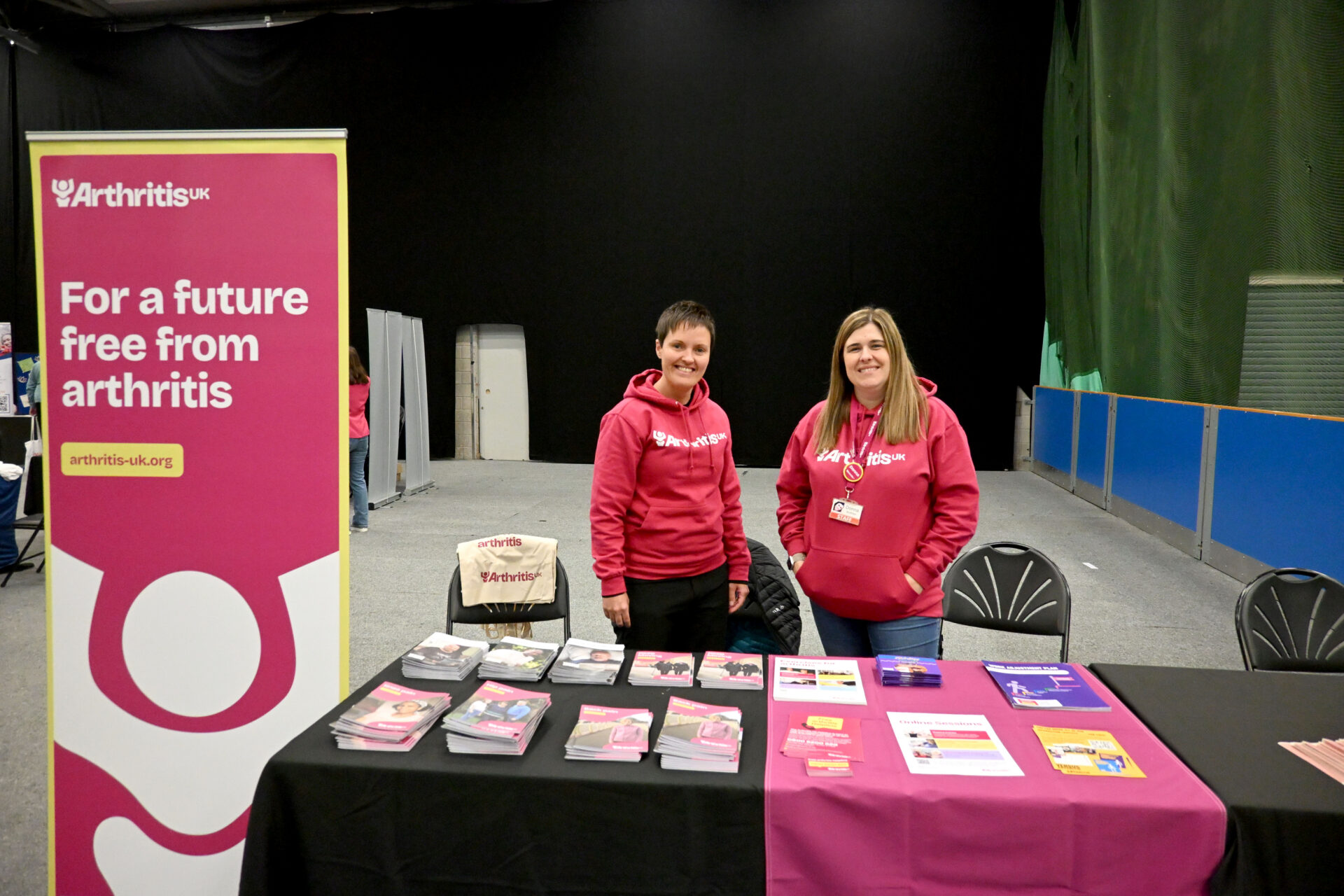
The event brought together NHS teams, council services and local community groups, giving people the chance to get advice, support and health checks all in one place, on the same day.
Instead of focusing on just one issue, the day was built around “what matters to you”, helping clinicians understand people’s wider needs and offer support that fits their health, lifestyle and day-to-day life.
By bringing services together and focusing on those who may face barriers to care, the approach also aims to reduce health inequalities – the differences in health outcomes people experience depending on factors such as where they live, their income or access to support.
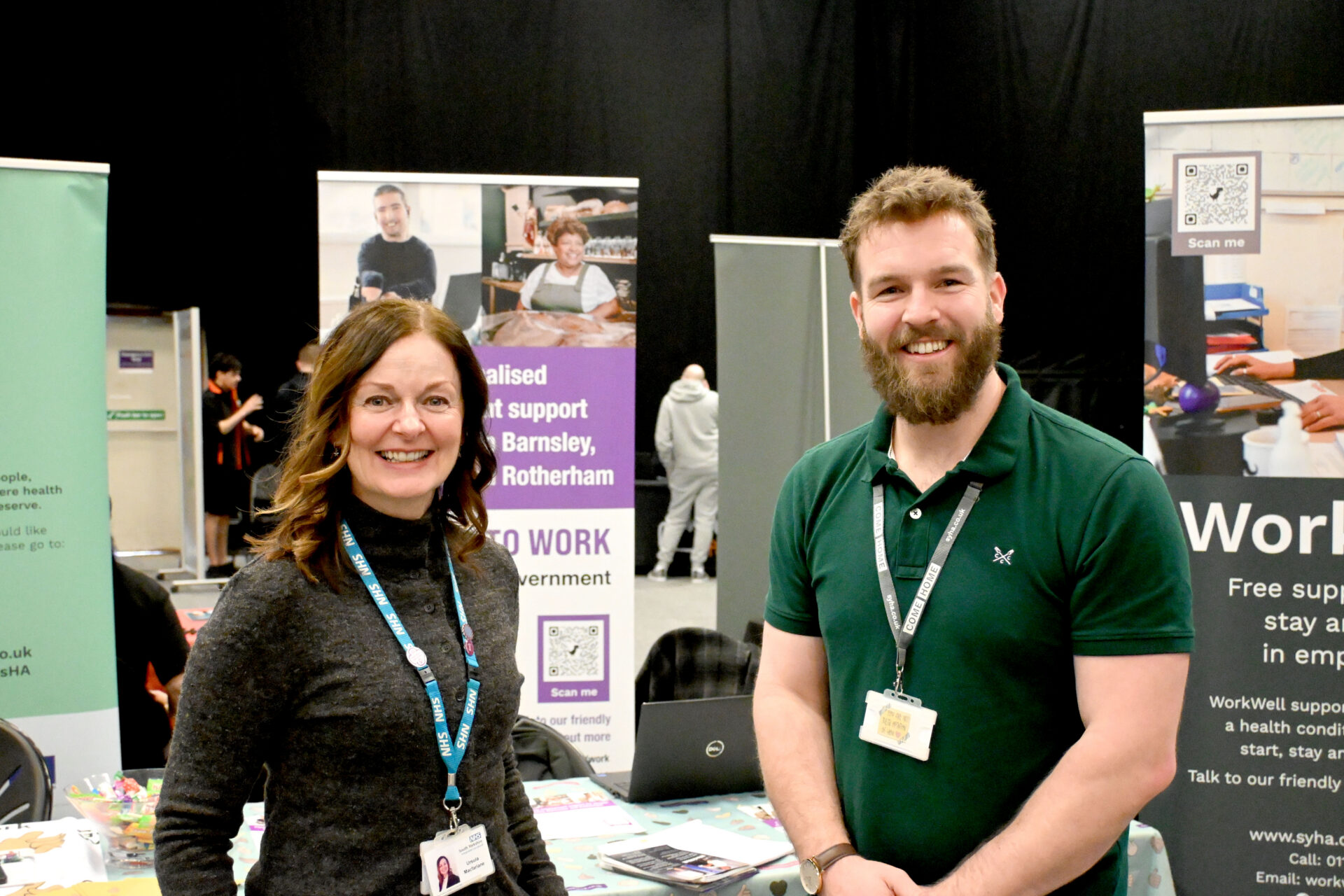
A great success, around 150 people attended on the day.
Heather Jackson, Head of Therapies at DBTH, said: “Community Appointment Days allow us to step away from traditional clinic-based appointments and focus on what really matters to people.
“By bringing everything into one venue, we were able to offer more personalised support which helps people get the right advice and care all on the same day. It’s a powerful example of how working in partnership can improve access, reduce delays, and give patients the confidence to better manage their own health.”
Patients attending the first event were invited from waiting lists for musculoskeletal conditions, such as back, knee and shoulder pain, and asked to complete a short questionnaire before arrival.
Throughout the day, patients arrived at set times and were guided through the event, starting with a one-to-one conversation with a clinician about what support would help them most. From there, they were directed to the right services, all under one roof.

As well as clinical areas for checks and referrals, there was practical advice, digital support and help for specific conditions, alongside personalised exercise guidance and the chance to book onto classes. A dedicated Community Health Hub also connected people to wider support, including talking therapies, help with jobs and housing, financial advice, stop smoking services and NHS Health Checks.
Feedback has been very positive, with many people saying they felt listened to and supported, while colleagues valued the chance to work together in a different environment.
With partners, the Trust is now looking at how it can build on this approach to improve access to services and bring care closer to home, particularly for those who may find it hardest to access traditional healthcare.
Zara Jones, Acting Chief Executive at Doncaster and Bassetlaw Teaching Hospitals, said: “I want to thank everyone involved with making this day a success. With initiatives like this, we can reduce health inequalities by making sure our most vulnerable patients get the support they need, so everyone has a fair chance to live a healthy life.”
Plans are in place to extend the offer of Community Appointment Days into more local venues around Doncaster. For further information about upcoming events and local health services, visit the Trust’s website www.dbth.nhs.uk or follow Doncaster and Bassetlaw Teaching Hospitals on social media.
Content out of date? Information wrong or not clear enough? Report this page.
Anyone with an NHS appointment during the industrial action should attend unless they have been contacted to say it has been postponed.
Regardless of any strike action taking place, it is important that people who need urgent medical care continue to come forward as normal, especially in emergency and life-threatening cases.
Find out more about other NHS services:
NHS 111:
There are a range of services available to help. Visit 111.nhs.uk or phone 111, 24 hours a day, 365 days a year for advice, appointments or to get directed to the most appropriate service.
Pharmacy
Local pharmacies can help with less urgent conditions and may be able to offer treatment and some prescription medicine without you needing to see a GP (this is called Pharmacy First).
Conditions they can treat through Pharmacy First are:
- Earache (aged 1 to 17 years)
- Impetigo (aged 1 year and over)
- Infected insect bites (aged 1 year and over)
- Shingles (aged 18 years and over)
- Sinusitis (aged 12 years and over)
- Sore throat (aged 5 years and over)
- Urinary tract infections or UTIs (women aged 16 to 64 years)
Some pharmacies open late (until midnight) and at weekends.
Self-care
Colleagues within NHS Nottingham and Nottinghamhire have also developed self-care information to help you manage common conditions such as minor burns and scalds, conjunctivitis, constipation and cystitis on our website: notts.icb.nhs.uk/your-health/stay-well/self-care/
Children’s health and wellbeing
Find advice for worried parents, covering common illnesses and when to seek treatment for you baby or child. This covers conditions such as chickenpox, asthma, earache, scarlet fever and many more. Visit: https://notts.icb.nhs.uk/your-services/childrens-health-and-wellbeing/
Mental health
If you need mental health support, or are in crisis, you can call 111 (option 2) to be directed to the right support. You can also find information on mental health services and support.
Nottinghamshire Crisis Sanctuaries can help you with support, information and guidance if you are over 18 years old and experiencing mental health issues or in a mental health crisis.
You can just drop in to one of the sanctuaries or visit https://www.nottinghamshirecrisissanctuaries.tv/ for more information.
- Beeston: 318 High Road, NG9 1EJ: 6pm to 11pm Monday to Sunday
- Mansfield: top of St John Street, NG18 1QJ: 4pm to 9pm Monday to Sunday
- Worksop: Hardy Street, S80 1EH: 5pm to 10pm Wednesday and Sunday
- Nottingham City: the Wellbeing Hub, 73 Hounds Gate, NG1 6BB: 6pm to 11pm Monday to Sunday
Details for support for mental health services in South Yorkshire can be viewed here: https://www.rdash.nhs.uk/services/adult-community-mental-health/
General practice
Contact your General Practice team about symptoms that aren’t going away. They can offer telephone, online, or face-to-face appointments with a GP, nurse or other healthcare professional depending on what your health concern is. Remember, your GP is open until 6.30pm and if you need help out of hours, please visit 111 online or phone 111.
Urgent treatment centres and minor injury units
For sprains, fractures, minor burns and skin infections:
- Doncaster Same Day Health Centre is open from 10am to 10pm at Cavendish Court, South Parade, DN1 2DJ. Available for appointments seven days a week, year round. Professional help from doctors, nurses and paramedics.
- Montagu Hospital – Minor Injuries Unit is open every day (except Christmas Day) from 9am to 9pm with the last admission at 8pm. Adwick Road, Mexborough, S64 0AZ.
- Nottingham – The NHS Urgent Treatment Centre (next to the BBC building) is open every day from 7am-7pm. Seaton House, London Road, Nottingham, NG2 4LA Tel: 0115 883 8500
- Newark – Newark Hospital is open every day 8am-10.30pm (last patient seen at 9.30pm). Boundary Road, NG24 4DE
Dental care
For urgent dental care you can call your local NHS dentist or contact NHS111.
Content out of date? Information wrong or not clear enough? Report this page.
As the Easter weekend approaches (Friday 3 April to Monday 6 April) and the school holidays get underway, missed appointments can increase as plans change and other commitments take priority. However, each missed appointment is a slot that could have been used to care for another patient.
The NHS App is a simple, secure and convenient way for patients to stay on top of their care. It allows users to manage appointments, receive reminders, check test results, and manage prescriptions – all in one place and at no cost.
Patients receive timely reminders and updates directly to their phone, with push notifications helping ensure appointments are not forgotten during busy periods.
If plans do change, the app also allows patients to check details and rearrange appointments quickly – helping to free up that slot for someone else who may be waiting for care.
Denise Smith, Chief Operating Officer at DBTH, said: “School holidays and Bank Holidays are often when routines change, and we can sometimes see more missed appointments as a result.
“If patients are unable to attend their appointment, they are encouraged to let the service know as soon as possible or rearrange it using the NHS App. This allows that time to be offered to another patient who needs it.
“Downloading the app is a simple step, but it makes a real difference – helping patients stay on track with their care and supporting services to make the best use of available appointments.”
The app also supports more efficient use of NHS resources, helping to reduce reliance on printed letters and postage, while improving communication with patients. These savings can be reinvested directly into frontline services.
While health professionals are encouraging digital uptake, traditional methods – such as letters and text messages – will remain in place for those who need them. The aim is to offer more choice and make it easier for people to access care in a way that suits them.
The NHS App is free and available to anyone aged 13 or over who is registered with a GP in England. It can be downloaded via the App Store (iOS) and Google Play (Android), and takes just minutes to set up.
To find out more or to get started, visit: www.dbth.nhs.uk/patients-visitors/nhs-app/

Content out of date? Information wrong or not clear enough? Report this page.
Laura’s pregnancy was difficult from the start. Early bleeding and other complications meant she needed weekly specialist scans in Sheffield.
However, at 32 weeks Laura noticed reduced movements and attended triage at Doncaster Royal Infirmary.
Laura explained: “I expected they would just monitor me and send me home.”
While providing a urine sample, Laura suddenly became unwell and activated the emergency alarm. Specialty Doctor in Obstetrics and Gynaecology, Mr Islam Wafa, quickly assessed her and confirmed that her placenta – the organ that supplies the babies with oxygen and nutrients during pregnancy – had ruptured, meaning she needed an immediate emergency C-section.
From the moment Laura entered the hospital to being taken into surgery, just six minutes had passed.
Laura recalled: “The first thing I said when I woke up was, ‘Where are my babies?’ They were in Neonatal Intensive Care while I was in intensive care.”
Laura later learned she had lost six litres of blood during surgery, and that it took seven hours for the team to stabilise her. One of the twins was also born unresponsive and required a blood transfusion.
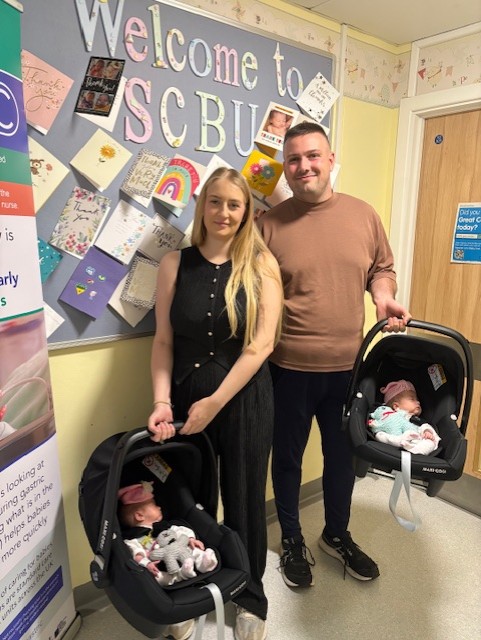
Reflecting on the events, Laura added: “I was told that if I hadn’t already been in hospital next to the emergency alarm when my placenta ruptured, we probably wouldn’t have made it.”
After being discharged, Laura returned to hospital when she woke up shaking and was diagnosed with an infection, requiring three days of antibiotics and a further inpatient stay.
She continued: “While I was there, I had a visitor, the surgeon who had saved our lives. He had come back from Egypt, where he had flown to straight from my C-section, and heard that I was back in hospital. He came to see me on his day off.
“I was so thankful to see him and to be able to say thank you. He said he was just doing his job, but to me that job is incredible – I wouldn’t be here without him, and I wouldn’t have two beautiful babies either.”
Laura praised the team who cared for her and her babies: “I want to say a huge thank you to everyone who worked through the night to save us, especially Mr Wafa, who undoubtedly saved our lives.”
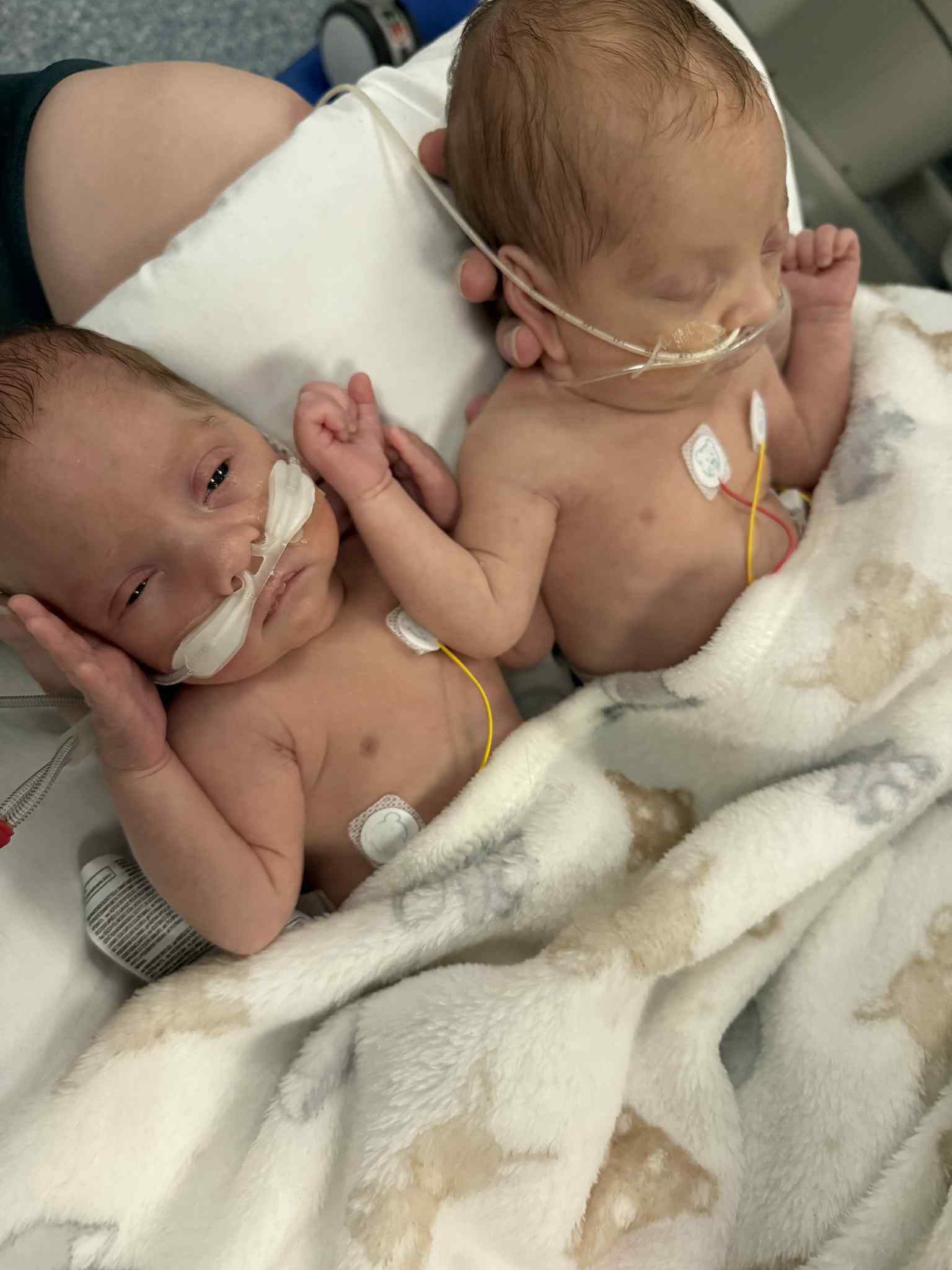
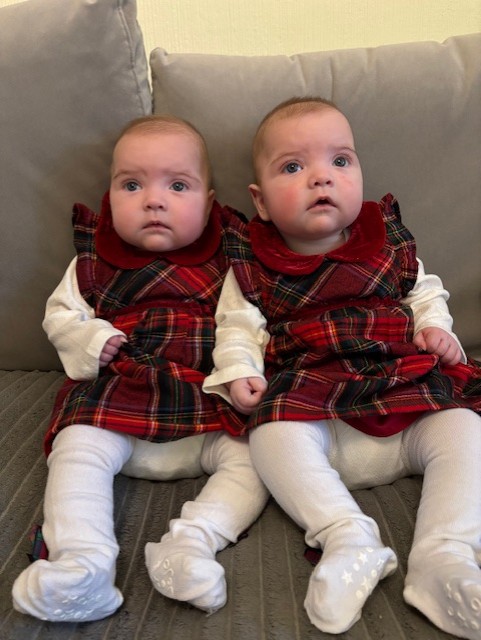
Laura and her daughters spent seven weeks on the neonatal unit in Doncaster, where she also thanked Jason Boyd, Advanced Neonatal Nurse Practitioner, and the wider team who cared for the twins. Their hospital journey ended at Bassetlaw Hospital’s Special Care Baby Unit (SCBU), where the babies continued to improve before finally going home.
Looking back on the experience, Laura said: “From a pregnancy filled with fear and uncertainty, we received the most incredible care imaginable.
“We rarely hear people thanking surgeons for their support during birth. In our case, Mr Wafa made a significant impact on us. We will never forget the care, dedication and compassion shown by him and the wider team.”
Dr Nick Mallaband, Acting Executive Medical Director at DBTH, commented: “We are incredibly pleased to hear that Laura and her babies are doing well following what was an extremely serious and time-critical situation.
“Stories like this highlight the skill, dedication and teamwork of our colleagues across maternity, theatres, intensive care and neonatal services, who work together every day to provide safe care for mothers and babies. I would like to thank all colleagues involved for their swift actions and professionalism in such a challenging emergency.”
Content out of date? Information wrong or not clear enough? Report this page.
Hospital visits can sometimes feel unfamiliar or daunting for children and young people, and small changes to the environment can make a big difference to how safe and comfortable they feel. To help improve the experience, two pupils from the Hospital School; Keira, aged 12, and Nyla, aged seven, were invited to design illustrations for a new self check-in kiosk at Doncaster Royal Infirmary.
Their colourful characters and playful designs now feature on the kiosk signage, using bright, child-friendly visuals. The artwork helps make the check-in process feel less clinical and more approachable.
The redesign of the Children’s Outpatients kiosk forms part of a Trust-wide investment in upgrading self check-in kiosks, introducing modern, more reliable units to enhance the patient experience. Involving young patients in the design of the Children’s Outpatient clinic kiosk, the Trust wanted to ensure that children’s voices are reflected in practical ways that will benefit others.

The kiosk signage also proudly includes the names of the two young artists, recognising their contribution and helping them feel valued and involved in making a difference for other children.
The Hospital School caters for children and young people from Reception age up to and including GCSE level, providing education and a sense of normality for young people during their time in hospital. For pupils who are in hospital during SATs or GCSE examination periods, exams can be taken within the school.
Equipped with its own classroom and a small library, the school is staffed by qualified teachers and is available to any child on the Children’s Ward, whether they are in hospital for a short stay or receiving longer-term care. If well enough, children are encouraged to take part in learning either in the classroom or at their bedside. Alongside supporting education, the school plays an important role in wellbeing, routine and maintaining a sense of normal life during what can be a challenging time.
The school was rated ‘Good’ by Ofsted in its most recent inspection, with educators permanently based within the hospital school and available during regular school hours.
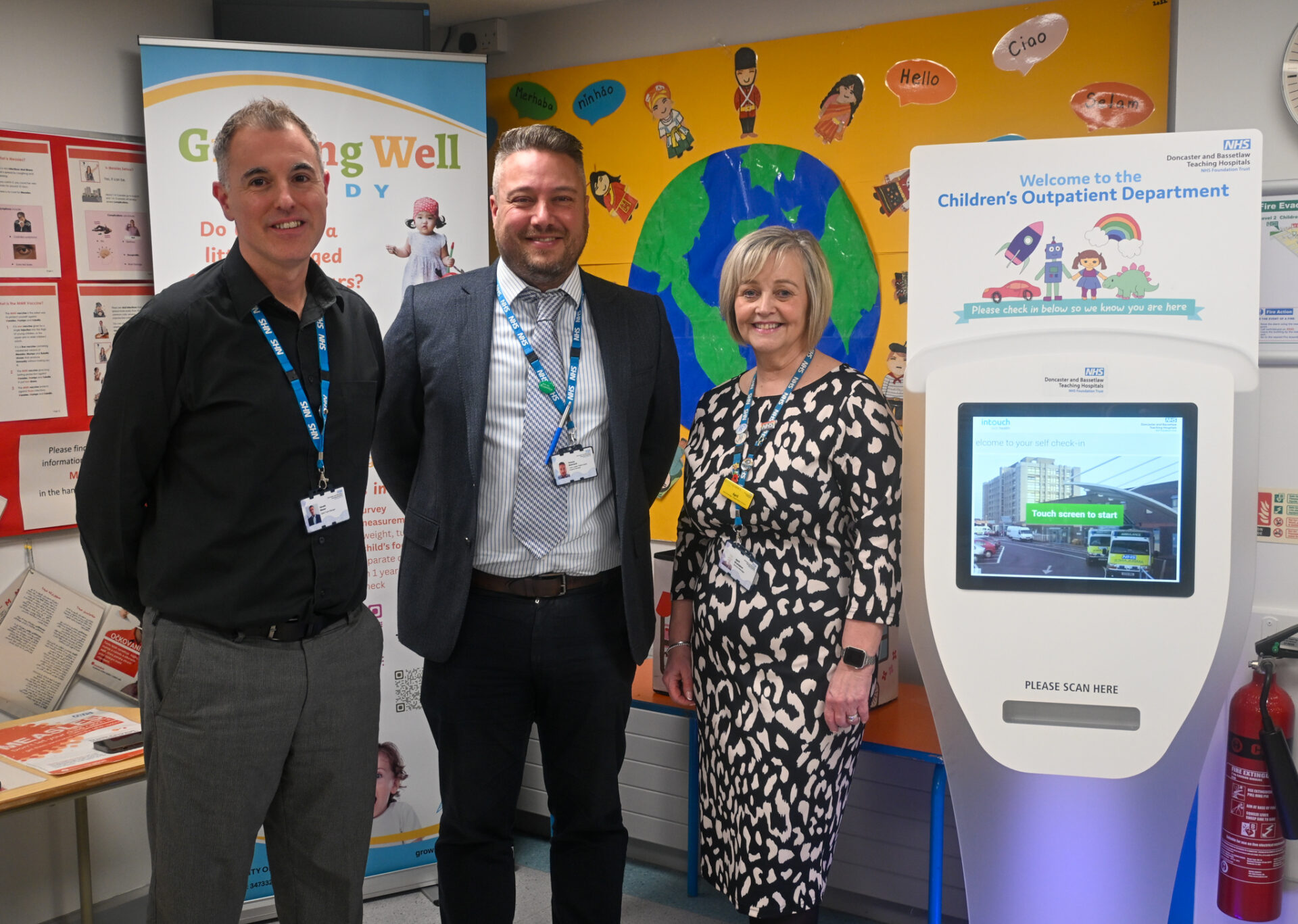
The project brought together the Hospital School, Patient Administration Systems team and Children’s Outpatients colleagues to make a small but meaningful improvement to the clinic environment.
Claire Riley, Hospital School teacher at DBTH, said: “This project gave our pupils the opportunity to see how their creativity can make a real difference to other children coming into hospital. It helps them feel proud, valued and involved, while supporting a more positive experience for patients and families.”
April Brumpton, Service Manager at DBTH, said: “Simple changes to our environment can have a big impact on how children feel when they arrive for appointments. Having artwork designed by children, for children, is a powerful way of showing that their voices matter and that we are listening to what helps them feel more at ease.”
The illustrations have now been installed on the self check-in kiosk in the Children’s Outpatients Clinic, where they will be seen by hundreds of young patients and their families each week.
Content out of date? Information wrong or not clear enough? Report this page.
This year, the Easter break takes place from Friday 3 April to Monday 6 April, during which time NHS services often see a rise in demand.
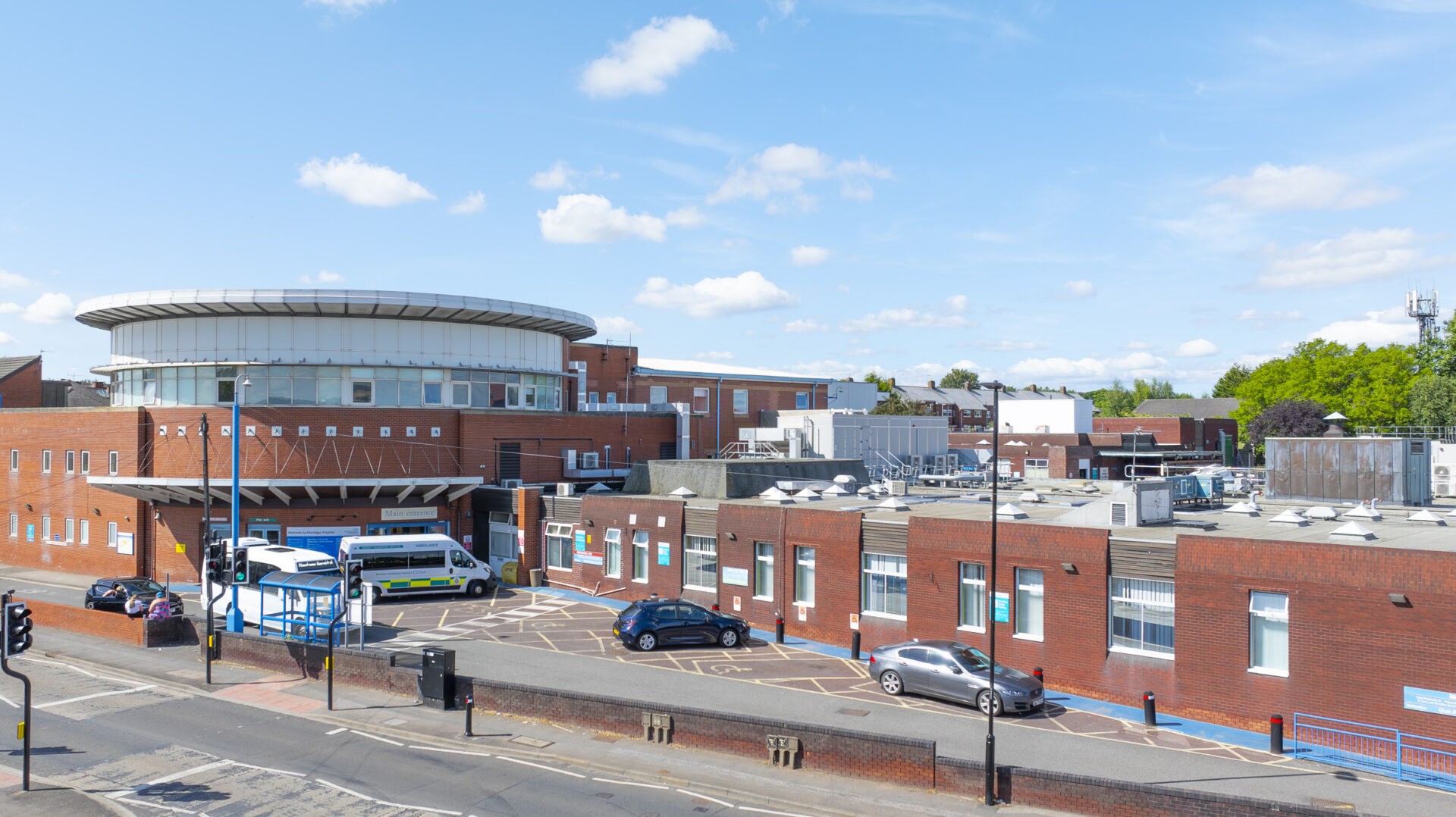
The Trust, which runs Doncaster Royal Infirmary, Bassetlaw Hospital and Montagu Hospital, is encouraging everyone to plan ahead and consider the most appropriate place for their care if they become unwell.
Dr Nick Mallaband, Acting Executive Medical Director at DBTH, said: “Bank Holidays can be especially busy for the NHS. If you take time now to check you’ve got enough of your regular medications, know which local services are open, and understand where to go if you need help, you’ll be doing your bit to help keep emergency care free for those with urgent and life-threatening issues.
“Planning ahead also gives you the best chance of enjoying a safe, comfortable and relaxing Easter weekend.”
The Trust is encouraging people to make sure they have enough repeat medication to last through the long weekend and to use local pharmacies for expert advice on minor illnesses such as coughs, colds, sore throats or rashes.
If urgent medical advice is needed but it’s not an emergency, NHS 111 can be accessed online or by phone for help and guidance.
Emergency care will continue to operate 24/7, and should be reserved for serious or life-threatening issues.
Information on local pharmacy opening times can be found at: https://www.nhs.uk/service-search/pharmacy
Content out of date? Information wrong or not clear enough? Report this page.
The Trust which operates Bassetlaw Hospital, Doncaster Royal Infirmary and Montagu Hospital has moved up 15 places, from 60th to 45th out of 134 organisations, placing it in the top third of providers nationally.
The rankings form part of the NHS National Oversight Framework, which assesses performance across areas including patient care, waiting times, workforce and finance.
DBTH is one of Yorkshire’s leading acute trusts, caring for more than 440,000 people across South Yorkshire, North Nottinghamshire and the surrounding areas. The improvement follows a challenging autumn and winter period for the NHS, during which services have continued to face sustained pressure.
Mark Bailey, Interim Chair of the Board, said: “Moving up 15 places is a positive step and reflects the hard work, resilience and professionalism of colleagues right across DBTH.
“I want to place on record a sincere thank you to all of our colleagues. This progress has come during one of the busiest and most challenging periods of the year, and it is down to their continued effort, teamwork and commitment to our patients.
“We are pleased to see improvement, but we are clear that there is more to do. Our focus remains on delivering consistent, reliable care for our patients and continuing to improve performance in the areas that matter most.”
Despite this progress, DBTH remains in Segment 3 of the framework. While performance in several areas is improving, national rules mean organisations operating with a financial deficit cannot move into a higher segment.
Mark continued: “Over the next few years, we are developing an ambitious and balanced programme to improve access and quality of care, alongside disciplined deficit reduction. This is about making sure our services are sustainable for the future, while continuing to deliver safe, high-quality care for our communities.
“We know that the experience of our colleagues is central to delivering further improvement, and we will continue to both support, listen and actively involve our teams as this work develops.”
The National Oversight Framework is a relatively new system that brings together a range of indicators to provide an overall picture of how NHS organisations are performing compared to others across England.
The full detail can be viewed at: https://www.england.nhs.uk/
Content out of date? Information wrong or not clear enough? Report this page.
The Emergency Department (ED), sometimes referred to as A&E, treats a wide range of urgent and emergency conditions – from broken bones and breathing problems to life-threatening emergencies. DBTH runs services at Doncaster Royal Infirmary and Bassetlaw Hospital, delivering around 200,000 episodes of care each year across both sites.
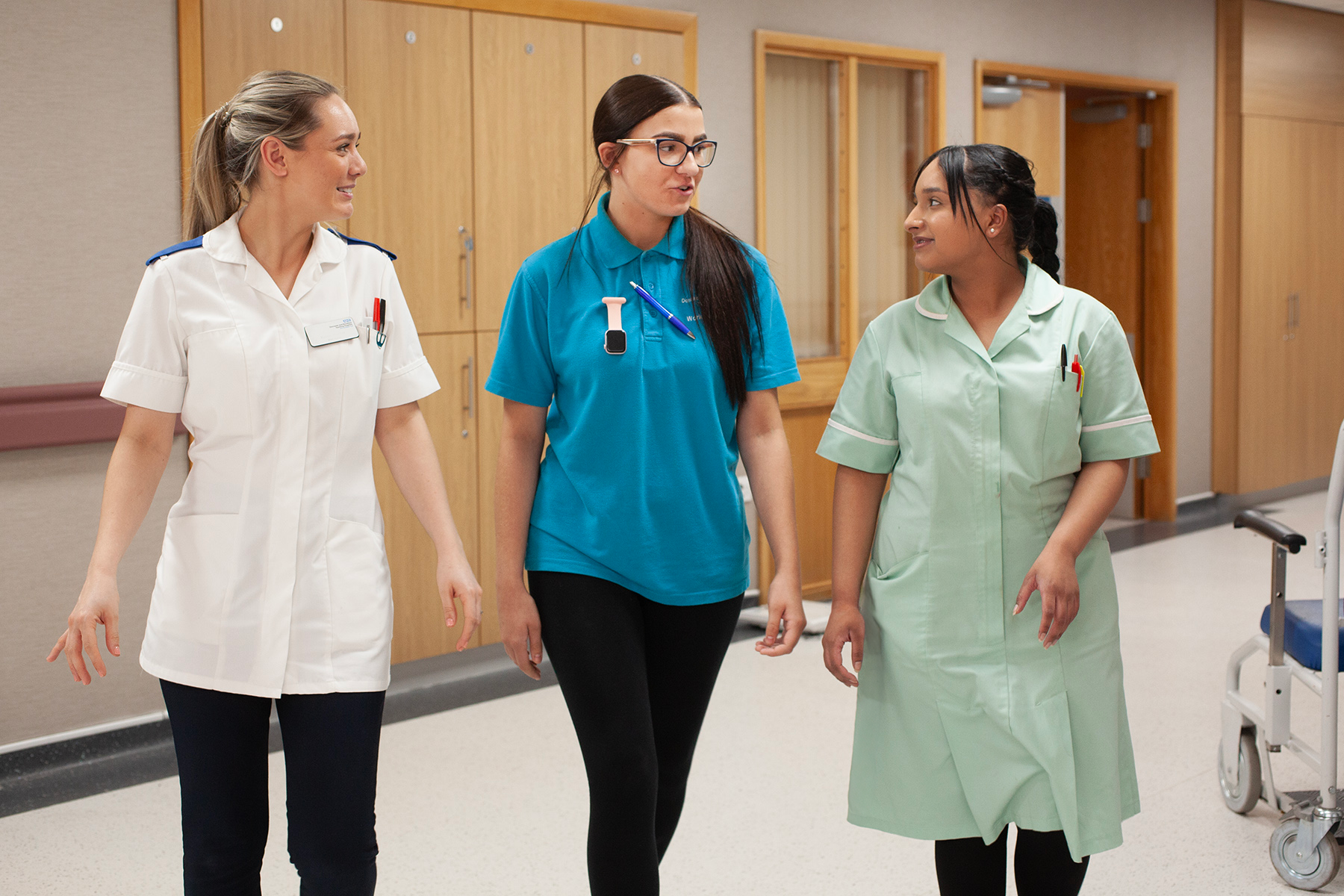
The new approach sets out clearly how nurses can develop their skills and take on greater responsibility as they gain experience.
For the first time, this sets out in one place what nurses need to learn and experience as they progress in their careers, including the skills they are expected to develop and roughly how long it may take to move to the next stage.
In practice, it explains how nurses can grow in their roles within the Emergency Department. A newly qualified registered nurse will spend their first year building core emergency care skills, including trauma training and practical clinical skills such as taking blood and assessing patients.
As they gain experience, nurses can progress into more senior roles such as Sister or Charge Nurse, where they help lead shifts, coordinate teams and support junior colleagues in a busy department.
From there, some nurses may move into specialist roles such as Emergency Nurse Practitioner or Advanced Clinical Practitioner, where they are trained to assess and treat certain patients themselves. Others may move into education roles, helping train future nurses, or into senior leadership roles overseeing departments and developing services.

Karen Jessop, Chief Nurse at Doncaster and Bassetlaw Teaching Hospitals, said: “Our Emergency Departments are busy places where our nurses deal with a huge range of situations every day, and they do an incredible job caring for patients when they often need help the most.
“This new approach gives nurses a clear route to build their careers – from newly qualified registered nurse through to senior roles such as Sister or Charge Nurse, and on to specialist and leadership positions.
“Just as importantly, it helps us support our colleagues to grow their careers here in Doncaster and Bassetlaw, so we can keep experienced nurses in our hospitals.
“For patients, that means strong teams with the skills, confidence and experience to provide the best possible care.”
The new approach also reflects a wider national focus on strengthening nursing careers, with recent plans across the NHS aimed at improving early-career support for nurses and providing clearer opportunities to progress and develop within the profession.
Recently, the Trust has also set out proposals to increase the number of registered nurses on adult inpatient wards in line with national best practice. The first phase of the plans focuses on strengthening the mix of skills within teams by increasing registered nurse roles.
The investment would cost around £534,000 a year and is expected to be partly offset by savings through reduced reliance on temporary workers who help cover short-term staffing gaps.
Anyone interested in starting a career in healthcare or exploring opportunities with DBTH can find out more at www.dbth.nhs.uk/jointheteam
Content out of date? Information wrong or not clear enough? Report this page.
As the King’s representative in the county, the Lord Lieutenant recognises organisations making a difference to local communities and brings valuable experience from a background in social care.
The visit provided an opportunity to reflect on a year of progress since the opening of the Emergency Department, Children’s Assessment Unit and Acute Medical Unit, with the final phase, including Minor Injuries and Same Day Emergency Care, completed in December last year.
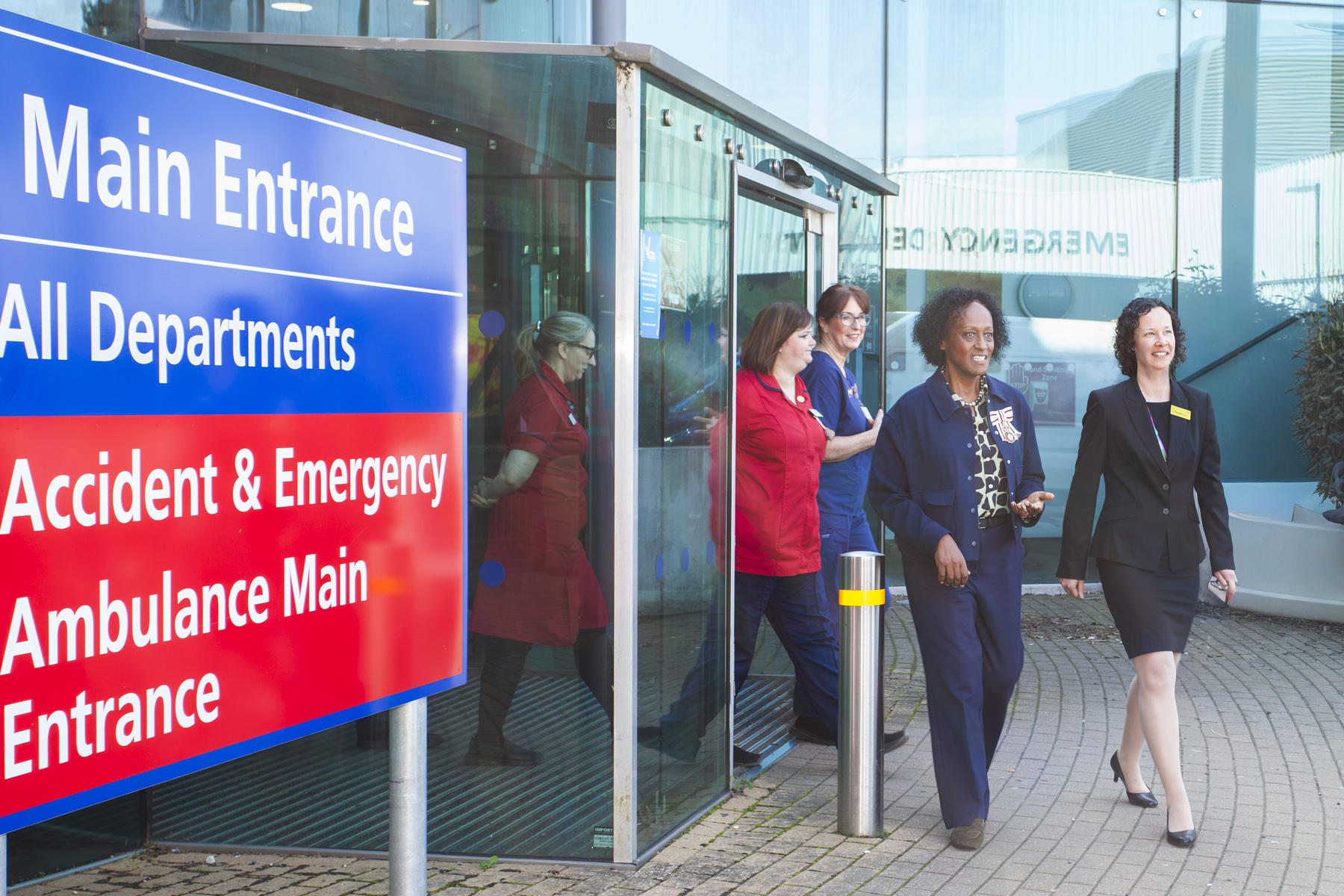
During the visit, the Lord Lieutenant met with clinical teams and toured key areas throughout the facility, seeing first-hand how the co-location of services is supporting a more streamlined patient journey and improving flow through urgent care.
A key improvement has been the return of longer observational stays within the Children’s Assessment Unit, now located alongside the Children’s Emergency Department.
This close proximity allows quicker transfer between departments where appropriate, supporting smoother and more efficient patient pathways. It also means more children from Bassetlaw and surrounding areas can receive care closer to home.
Previously, some children requiring overnight observation or assessment would need to travel to other hospitals, creating additional stress and disruption for families. Providing these services locally improves access to care, reduces disruption and allows families to remain together during what can be a difficult time.
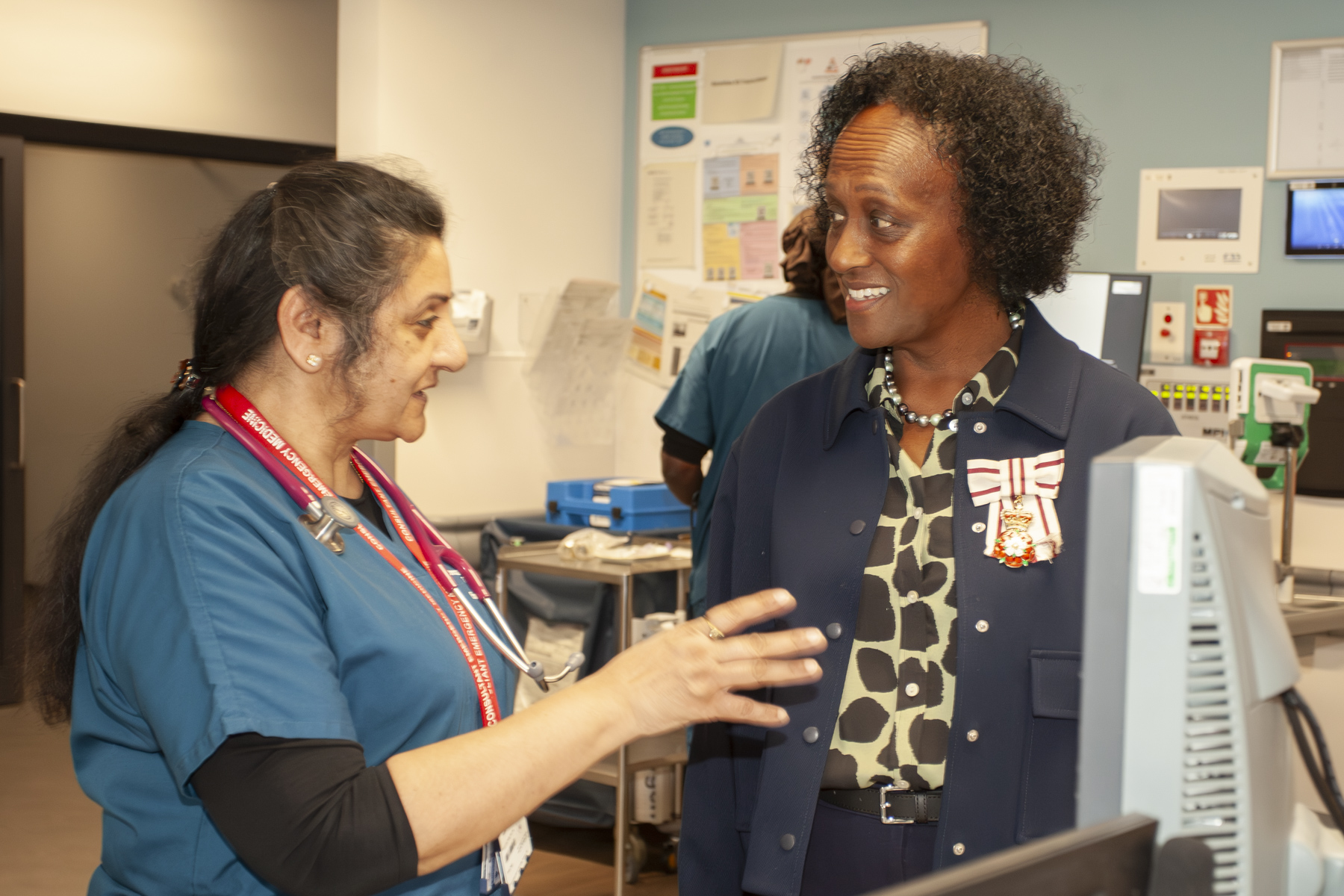
The Emergency Department has also seen significant improvements to its clinical environment.
Features include individualised observation bays and a dedicated “fit to sit” area, providing a more appropriate setting for patients who can safely wait while remaining under clinical supervision.
The department is now located alongside the newly refurbished Minor Injuries and Same Day Emergency Care services, enabling patients to be directed to the most appropriate service for their needs.
For those requiring further assessment or admission, close proximity to the Acute Medical Unit provides a clear and efficient transition to specialist or ward-based care.
Together, these developments support a more streamlined urgent care pathway, helping ensure patients receive the right level of care more quickly.
During the visit, the Lord Lieutenant also reflected on the importance of community, relationships and friendship in supporting the delivery of healthcare. This was evident throughout the emergency care building, where charitable support has played an important role in enhancing the environment for patients and families.
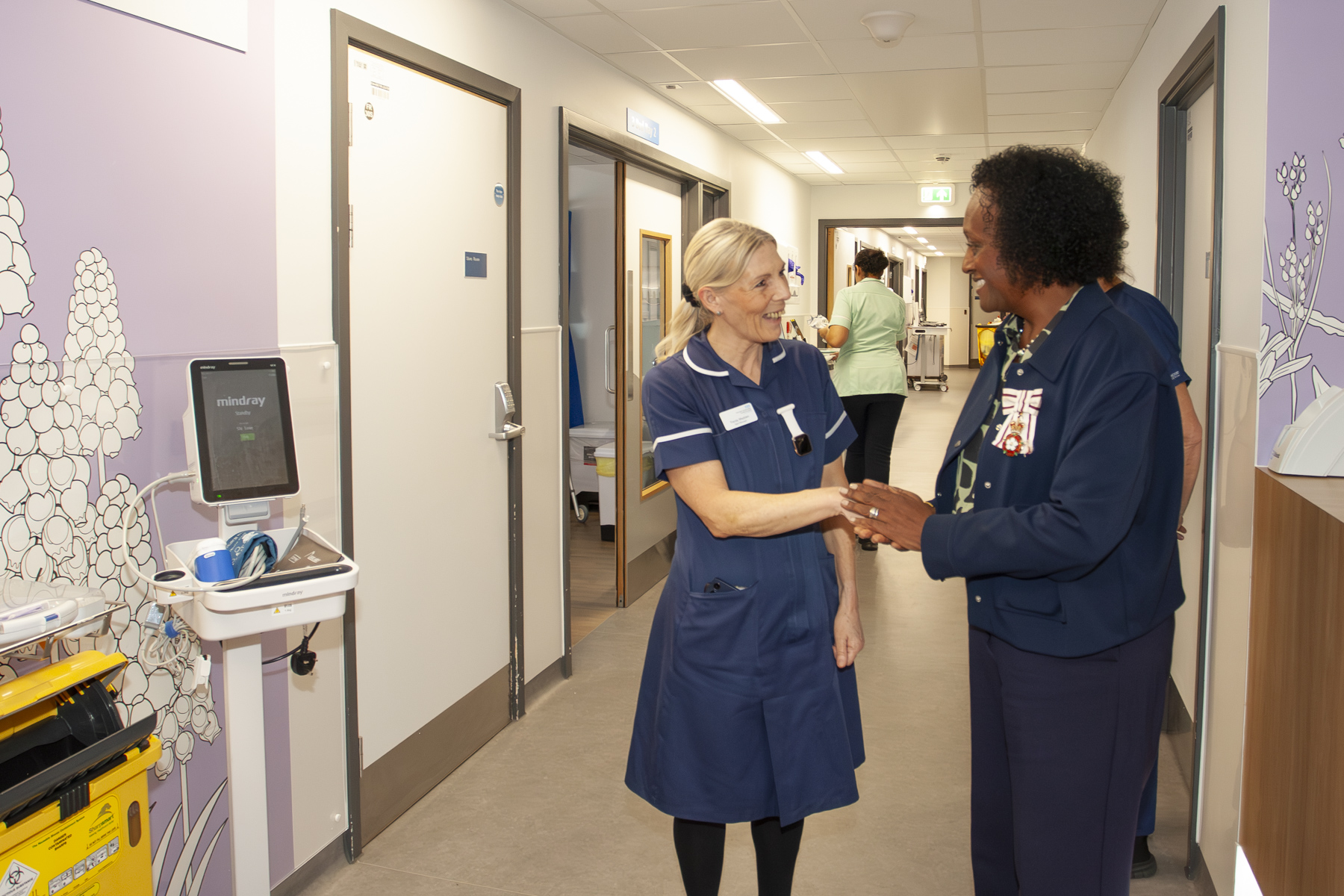
The Bassetlaw Emergency Village Appeal, supported by Doncaster and Bassetlaw Teaching Hospitals Charity, has enabled additional features that help create a more positive and reassuring experience, particularly for children.
The Lord Lieutenant met representatives from the League of Friends of Bassetlaw Hospital and the Rotary Club of Retford, whose fundraising has contributed to enhancements including interactive devices, toys to complement play areas, and calming features such as skylights within clinical bays.
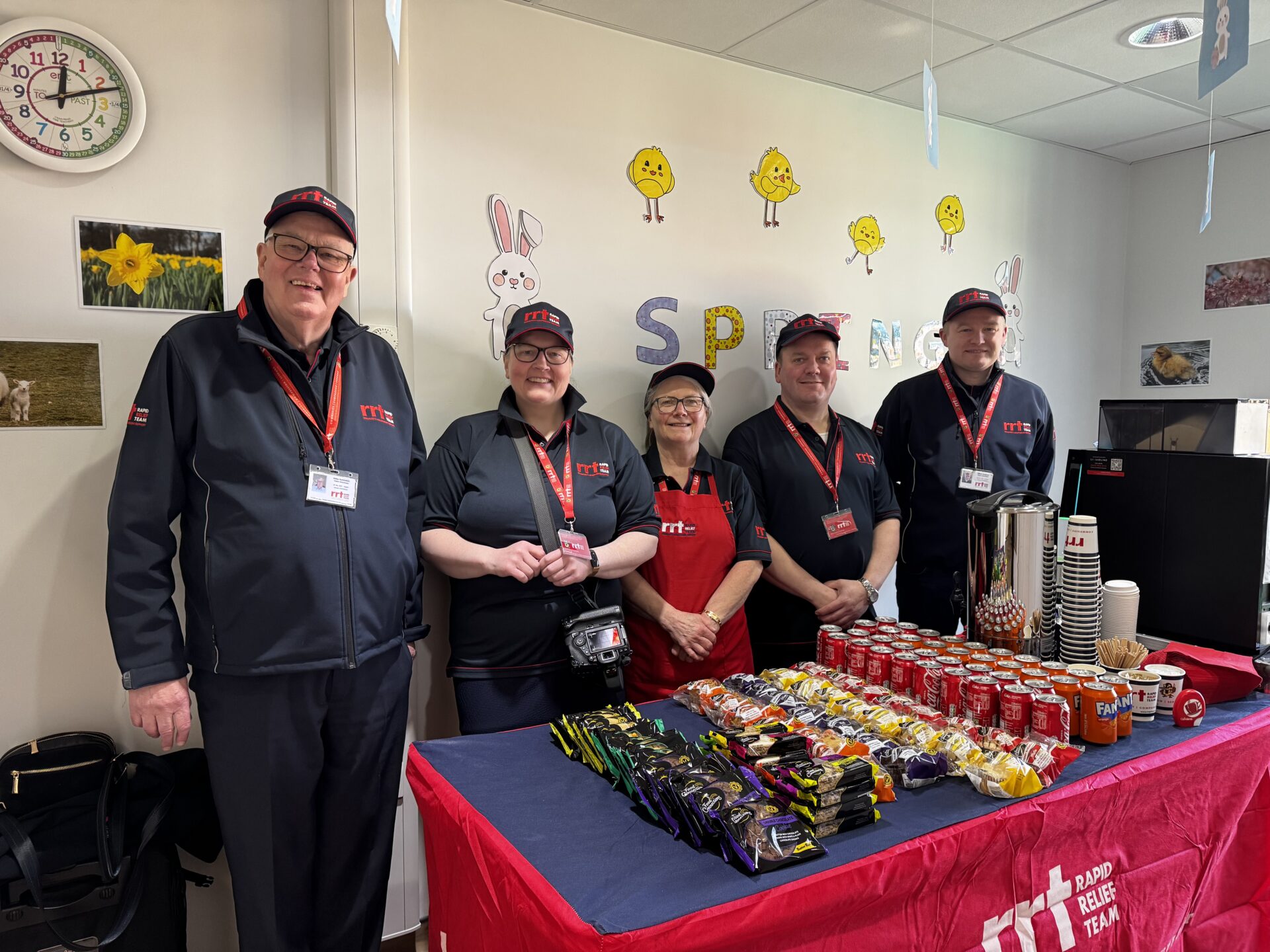
Support for the visit was also provided by volunteers from the Rapid Relief Team, who offered refreshments to clinical teams involved in the tour and working on the day.
The tour concluded at the hospital’s children’s playground area, also made possible through charitable donations.
Zara Jones, Acting Chief Executive of the Trust, said: “While these services have been caring for patients for some time, today has been an important opportunity to reflect on the difference this investment is making for our communities.
“We have been able to bring together services that work closely alongside one another, improving the way patients move through urgent care and strengthening the experience for those who need our care.
Just as importantly, these developments mean more children and families can access care closer to home, supported by teams working in an environment designed around their needs, ensuring patients are in the right place, at the right time, for the right care.”
The visit marked an important milestone in recognising the progress made over the past year and the continued commitment of staff, partners and the local community to delivering high-quality care for patients across Bassetlaw and the surrounding areas.
Content out of date? Information wrong or not clear enough? Report this page.