
The Trust has set out proposals to increase the number of registered nurses on adult inpatient wards, in line with national best practice. The first phase of the plans focuses on strengthening the mix of skills within teams by increasing registered nurse roles.
The investment would cost around £534,000 a year and is expected to be partly offset by savings through reduced reliance on temporary workers, who help cover short-term gaps in staffing.
In late 2025, DBTH also welcomed around 100 newly qualified nurses and midwives, showing its commitment to building and developing its own permanent workforce. Nurses and midwives make up around a quarter of the Trust’s workforce, and the organisation expects the plans to help reduce pressure on wards, improve patient flow, and support colleagues in their roles.
The proposals also reflect the Trust’s five-year strategy, Healthier Together, which focuses on putting people first and creating a positive and supportive working environment.
Karen Jessop, Chief Nurse, said: “Having well-supported, skilled nursing teams makes a real difference on our wards. It means colleagues have more time for patients, can support each other better, and feel confident in the care they are providing.
“This investment recognises the safety critical role of registered nurses. International evidence shows that higher registered nurse staffing is consistently linked to lower mortality, fewer adverse events and a better experience for patients. Ensuring we have the right number of skilled registered nurses is fundamental to delivering safe, high quality care.
“By strengthening our permanent workforce in a planned and sustainable way, we are building stronger services for the future.”
New roles will be filled in stages, in line with service need and graduate nurse availability.
The Trust says it will continue to invest in recruitment, training, and development to make DBTH a supportive and welcoming place to work.
Current opportunities at DBTH can be found at: https://www.dbth.nhs.uk/jointheteam/
Content out of date? Information wrong or not clear enough? Report this page.
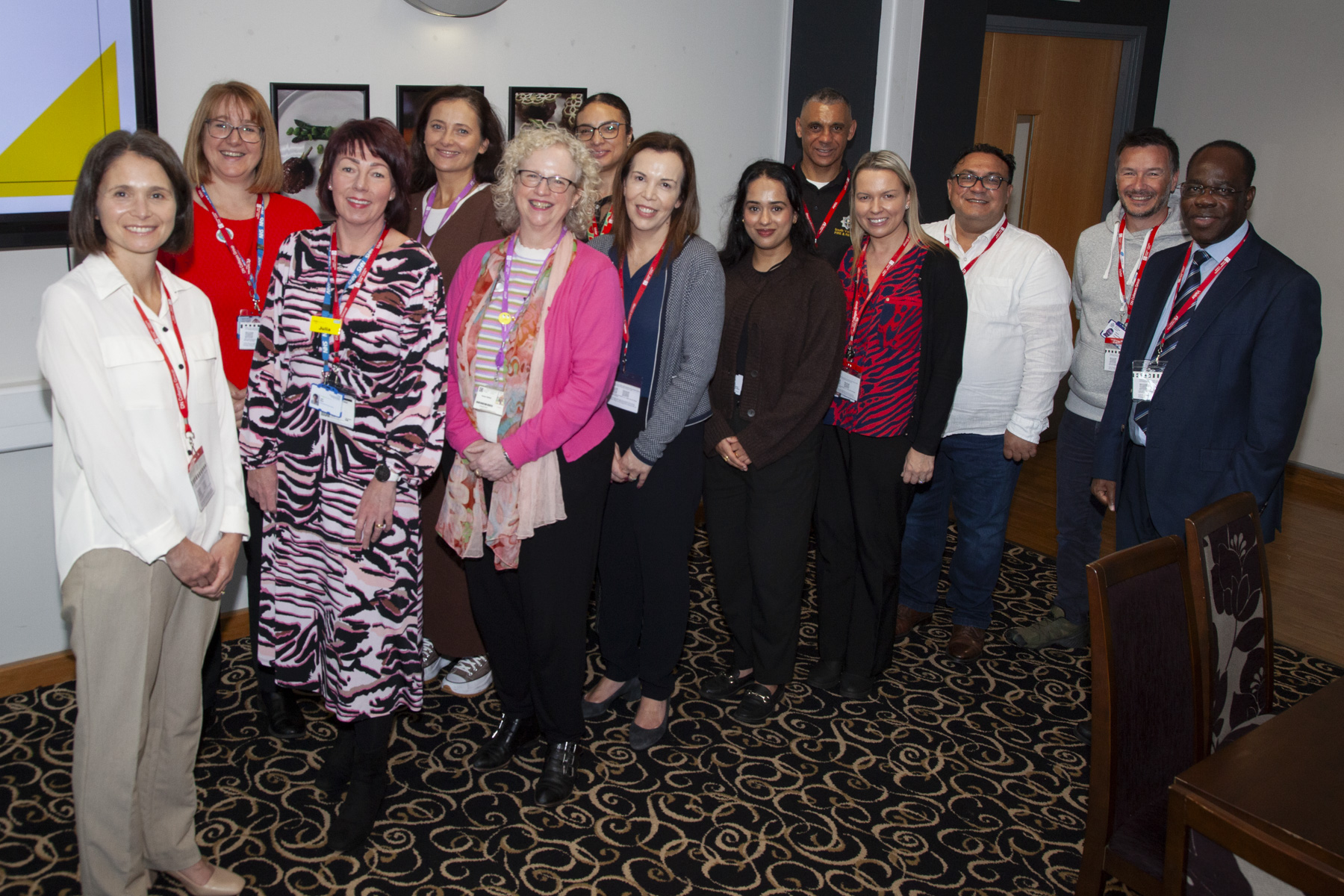
The award follows a detailed assessment of how DBTH supports colleagues, listens to concerns, challenges discrimination and takes a proactive approach to tackling racism. The assessment also covered the Trust’s work with a patient safety engagement group in maternity services.
Bronze status is the first level in the framework and reflects important foundations being put in place, rather than a finished piece of work.
Anti-racism means actively working to prevent discrimination, challenge unfair treatment and make sure people are treated with dignity and respect. It goes beyond simply “not being racist” and focuses on building fair systems, positive behaviours and inclusive cultures.
Around 80% of DBTH colleagues identify as White British, with around 20% from other ethnic backgrounds. This diversity brings different skills, experiences and perspectives, and makes it even more important that everyone feels respected, supported and able to progress in their chosen field.
DBTH’s Bronze award reflects strong leadership at Board level, ongoing cultural awareness work, support for colleagues’ career development, and good practice through partnerships such as The Changing Lives project with the midwifery team.
The organisation has also been involved in wider community work, including the Doncaster Anti-Racism Partnership, which was previously shortlisted for a national award for its collaborative approach.
Zoe Lintin, Chief People Officer at DBTH, said: “We are proud to be the first Trust locally to achieve this recognition, and we are clear that this is only the beginning. Bronze status shows that we have built strong foundations, not that the job is done. Tackling racism takes long-term commitment, honest conversations and a willingness to listen and learn.
“Around one in five of our colleagues come from ethnic minority backgrounds, and it is vital that everyone feels valued, heard and supported to succeed here.
“This recognition is not an end point. It is a starting point for continued improvement, learning and accountability, and we are determined to keep raising our standards for our colleagues and our communities.”
The achievement supports the organisation’s People Plan, which focuses on looking after colleagues, helping them develop and making DBTH a great place to work. It also reflects the DBTH Way and its We Care values, which emphasise kindness, respect, teamwork and doing the right thing.
Over the coming years, DBTH plans to continue working towards higher levels in the framework by strengthening its approach, listening carefully to colleagues’ experiences and embedding inclusive practice into everyday work.
Content out of date? Information wrong or not clear enough? Report this page.
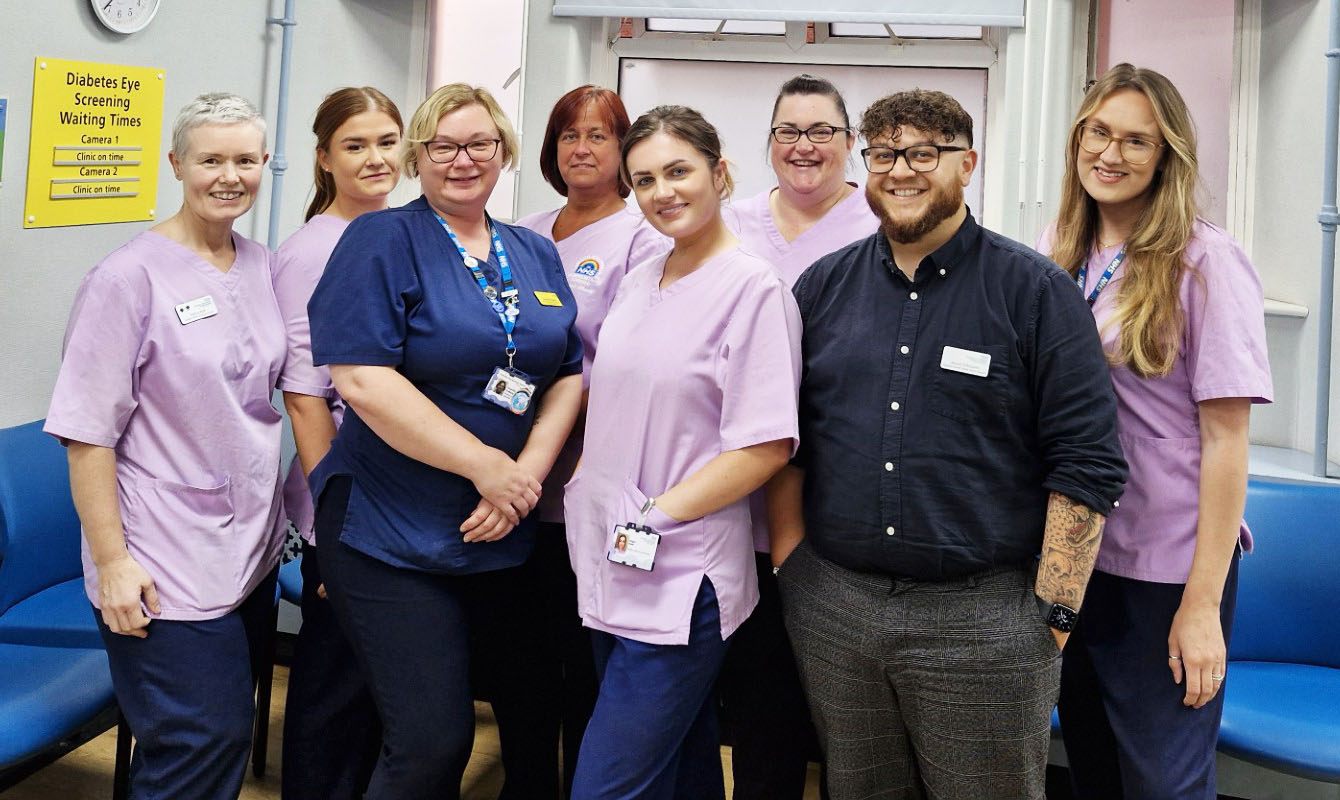
The event is being organised by the Doncaster and Bassetlaw Diabetic Eye Screening Programme to help improve attendance among local patients who may have missed their regular appointments. More than 100 people in the area have not attended their annual screening for three years or more.
Diabetic eye screening is a free NHS service offered to people aged 12 and over who have diabetes. It checks for early signs of diabetic retinopathy – a condition that can damage the blood vessels at the back of the eye and, if left untreated, can lead to sight loss.
In the early stages, diabetic retinopathy often has no symptoms. Many people do not notice any changes to their vision until damage has already occurred. Regular screening allows problems to be detected early, when treatment is most effective.
All eligible patients will receive a yellow invitation letter with details of their appointment.
Jemima Beaumont, Failsafe and Engagement Lead for the Doncaster & Bassetlaw Diabetic Eye Screening Programme, said: “Diabetic eye screening is one of the most important ways we can protect people’s sight. It’s quick, painless, and could prevent serious vision problems in the future. We know life gets busy and appointments can be missed, which is why events like this are so important. We’d really encourage anyone who’s been putting it off to come along and get checked.”
Patients who cannot attend their allocated appointment time are encouraged not to worry. They can either contact the screening team in advance or attend on the day and be seen where possible.
People can rearrange their appointment by calling 01302 642596 or emailing dbh-tr.ddesp@nhs.net
Walk-in patients are welcome between 9.30am and 3pm, and the team will do their best to accommodate everyone.
The screening programme hopes the event will help more people access this vital service and reduce the risk of avoidable sight loss across the community.
Content out of date? Information wrong or not clear enough? Report this page.
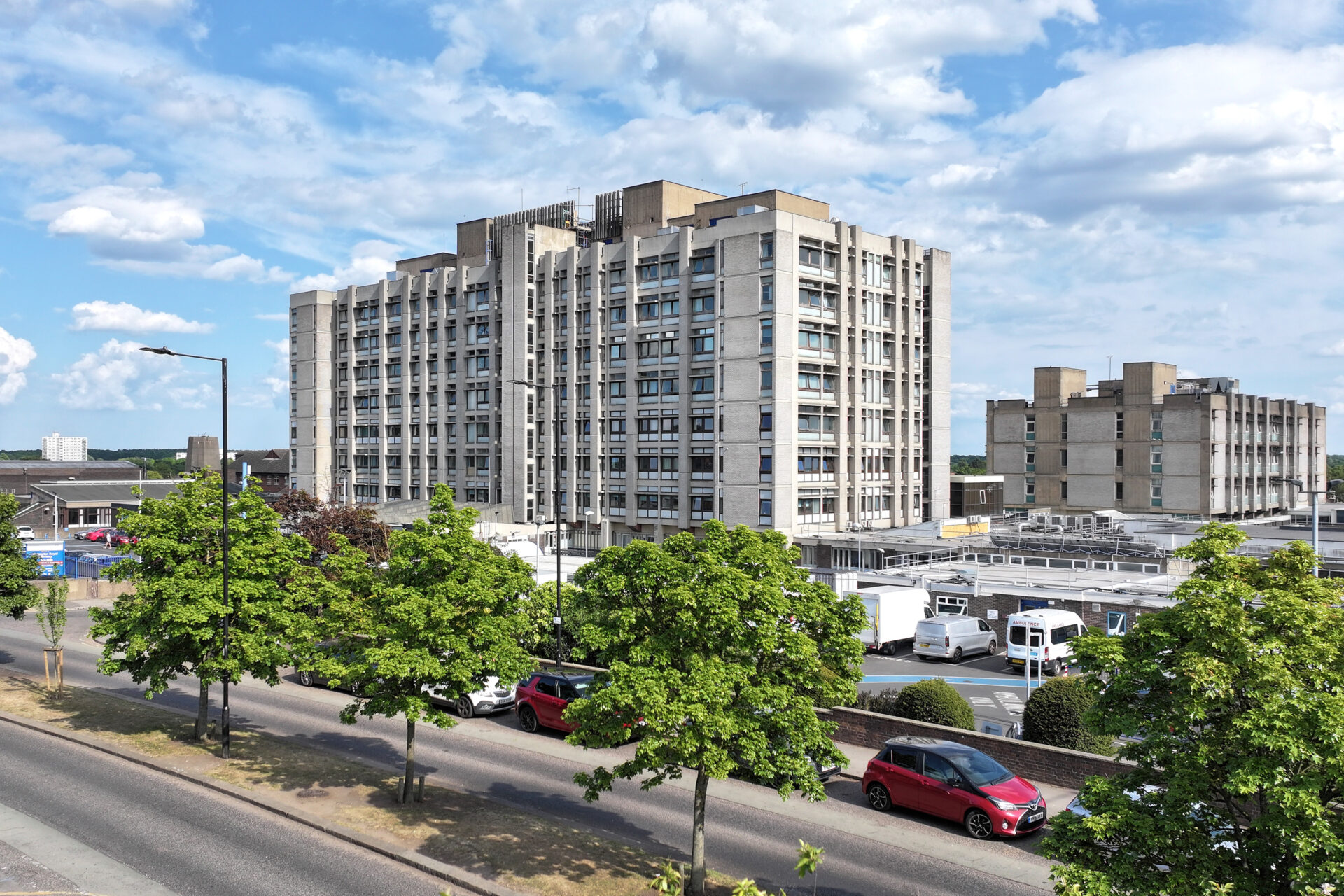
A range of volunteer roles are available across DRI for those who want to help support some of the most vulnerable people in the community.
The Trust is looking for caring and compassionate individuals with good communication skills and a willingness to help make patients feel welcomed and supported.
Volunteer opportunities are available in several areas, including the Emergency Department, the Discharge Lounge, Pharmacy as well as meeting and greeting patients and visitors.
Karen Jessop, Chief Nurse at DBTH, said: “Our volunteers are the heart of the Trust. They play a vital role in helping our services run smoothly and ensuring care is always delivered in a patient-first way.
“So many of our volunteers have been with us for years, for example, Margo and Yvonne, who have been the first friendly faces for many of our patients coming through our doors for over twenty years. Their commitment to our community is truly inspiring.”
Volunteers across the Trust are also recognised and celebrated each year at a festive volunteer brunch, giving them the chance to enjoy a special thank you and catch up with fellow volunteers.
For more information about becoming a volunteer at Doncaster Royal Infirmary, or to apply, visit: https://www.dbth.nhs.uk/jointheteam/
Content out of date? Information wrong or not clear enough? Report this page.
Doncaster and Bassetlaw Teaching Hospitals (DBTH) Charity launched the initiative for the first time in late 2025.
Volunteers from five local businesses donated their time to collect the trees from across South Yorkshire and Nottinghamshire on 9 January.
Sarah Dunning, Fundraising Manager for DBTH Charity, said: “We couldn’t have done the collections without our volunteers, and we are incredibly grateful to them for giving up their time, providing vehicles and lending a helping hand throughout the day.”
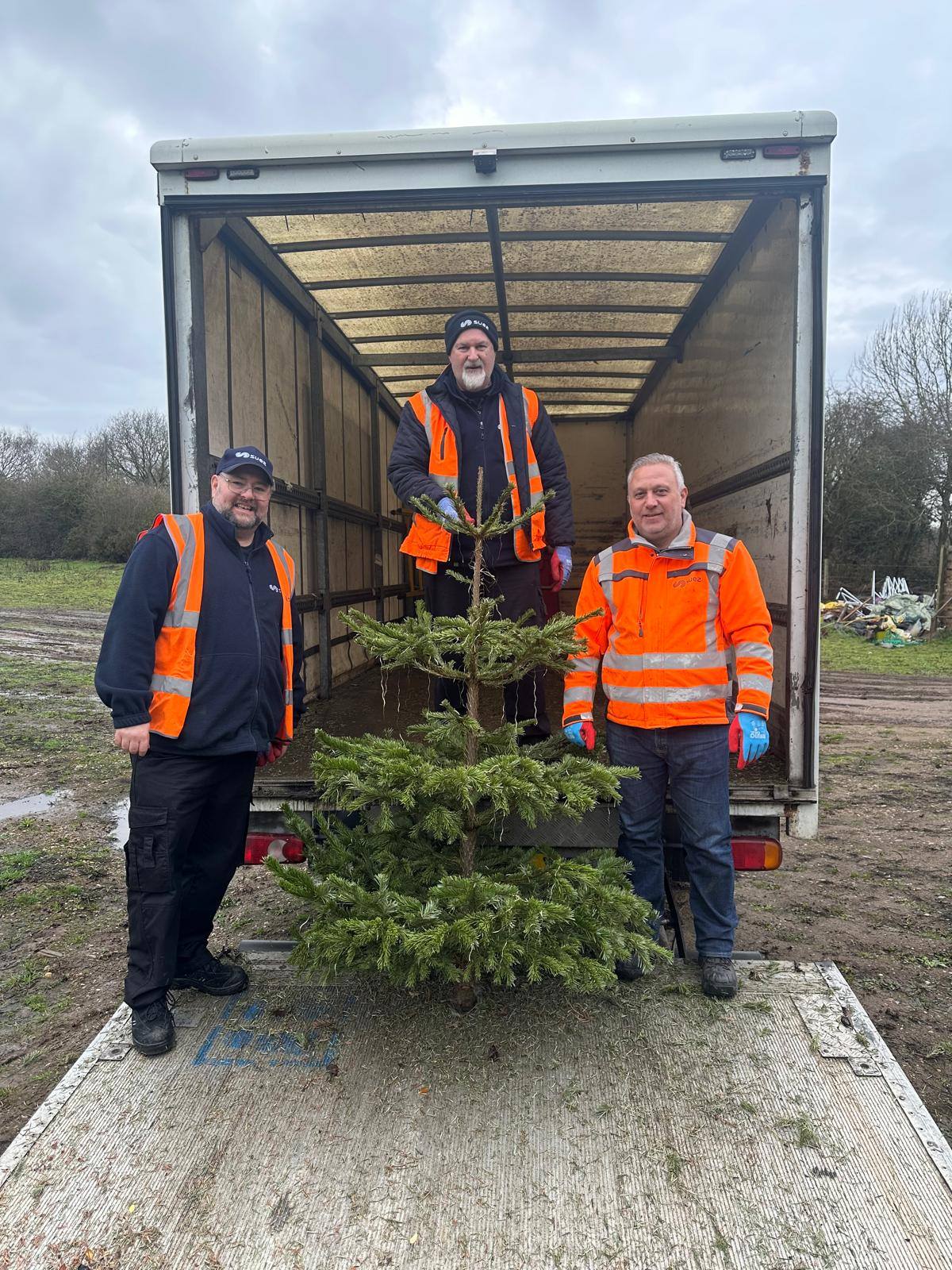
Members of DBTH Charity along with volunteers from NG Bailey, Sycon Contract, QC Electrical and Vinci Construction – all of whom are currently working on the new Critical Care department at Doncaster Royal Infirmary – and SUEZ Recycling and Recovery UK came together in near freezing temperatures, ready for some heavy tree-lifting.
Shane Atkins, SUEZ General Manager in Doncaster, said: “Supporting the local community is really important to us.
“SUEZ gives its staff a day a year to volunteer to support causes that matter to them, and the team and I were really pleased to be able to support this Christmas tree recycling scheme which not only benefited the hospital, but also local rescue animals.”
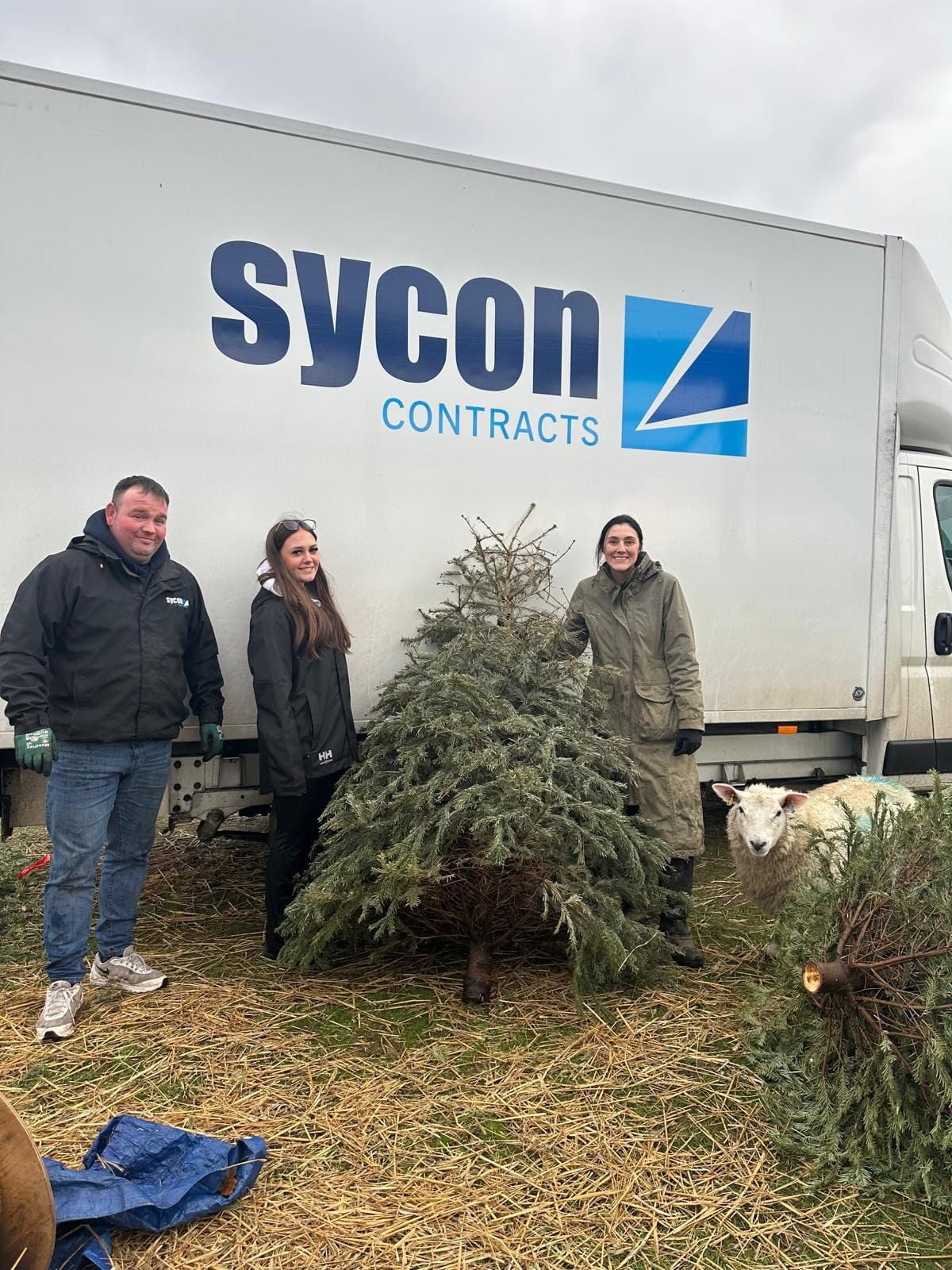
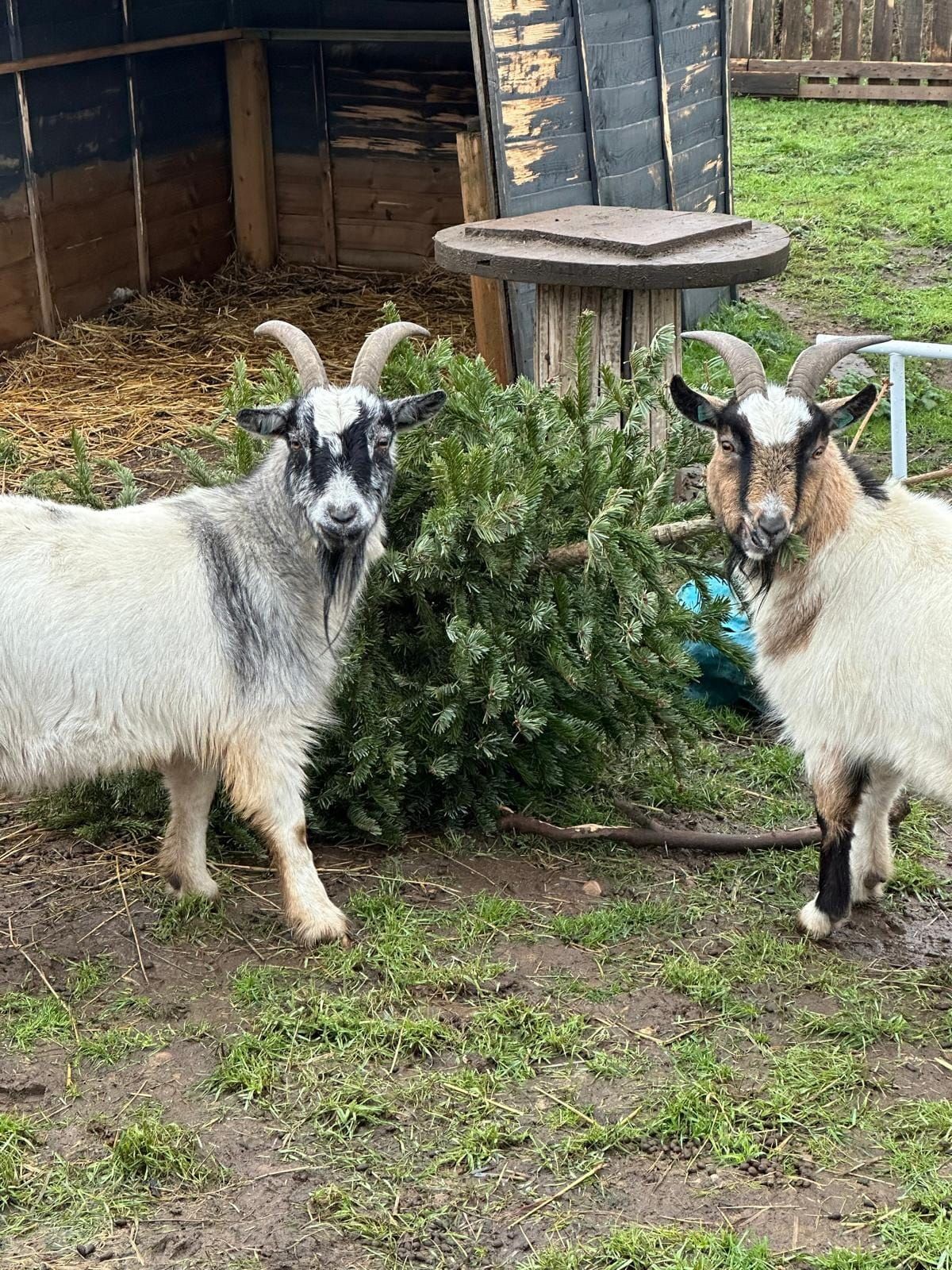
All 80 trees were eventually donated to Hearts & Hooves Rescue Centre, a farm animal rescue and rehabilitation centre in Doncaster, and the Yorkshire Wildlife Park.
Of the funds raised, 15% was donated to Hearts & Hooves to continue their work and the recycled trees will contribute to repairing hedgerows, making compost and caring for the animals, explained Sarah Jenkins, Founder and CEO of Hearts & Hooves.
Sarah said: “The donated Christmas trees have been a brilliant addition for our animals. They provide natural enrichment, nutrition, and stimulation, and it’s wonderful to see something that might have gone to waste being put to such good use.
“The funds raised through this initiative will go directly towards essential care and improvements at the rescue, including feed, veterinary support, and safe fencing for our horses, goats, alpaca, llama, chickens, ducks, sheep, and even our cow.
“We’re incredibly grateful for the generosity shown to us, and it’s heartwarming to see our community come together to support the wellbeing of these animals.”
DBTH Charity will use the funds raised to enable a multitude of projects across the Trust including, but not limited to, improvements to patient comfort, enhancements to services and providing resources for staff wellbeing.
Adrian Petts, Head of Charity for DBTH Charity, said: “It was important to us to find as many environmentally friendly and unique ways to recycle the trees.
“We were blown away by the support for this first tree recycling scheme. From families and neighbours to volunteers giving up their time, people really came together to make it happen.
“Every tree collected and every donation made will help us continue funding projects that make a genuine difference to patients, their loved ones and the teams who care for them.
“We’re incredibly grateful to everyone who got involved and we’re already making plans for 2027.”
If you would like to volunteer at next year’s tree collections, get in touch with our charity team by emailing dbth.charity@nhs.net or call 01302 648282.
About DBTH Charity:
Doncaster & Bassetlaw Teaching Hospitals’ Charity is the official charity which supports Doncaster and Bassetlaw Teaching Hospitals Trust to go above and beyond by providing additional equipment, services and amenities for our patients, visitors and staff which cannot be funded by the NHS alone.
These additional extras would not be possible without the support of our community. With your help, we can continue to work with our Trust to fund innovative and exciting projects that make a difference to our patients, their families and our colleagues who care for them.
Visit the charity website to find out more: https://dbthcharity.co.uk/
Content out of date? Information wrong or not clear enough? Report this page.
Sally was shown around the development by Zara Jones, Acting Chief Executive, and Dr Kirsty Edmondson-Jones, Director of Infrastructure, who talked her through how the new department is taking shape and what it will mean for patients.
The Department of Critical Care is being delivered through a £19.8 million investment and will provide a modern 22-bed unit for some of the hospital’s most seriously ill patients. The building is due to be completed early 2027.
Once complete, the new facility will care for people who need constant monitoring and specialist treatment. This includes patients recovering from major surgery, serious infections, severe injuries, breathing problems, and other life-threatening conditions. Care is provided around the clock by highly trained teams using specialist equipment.
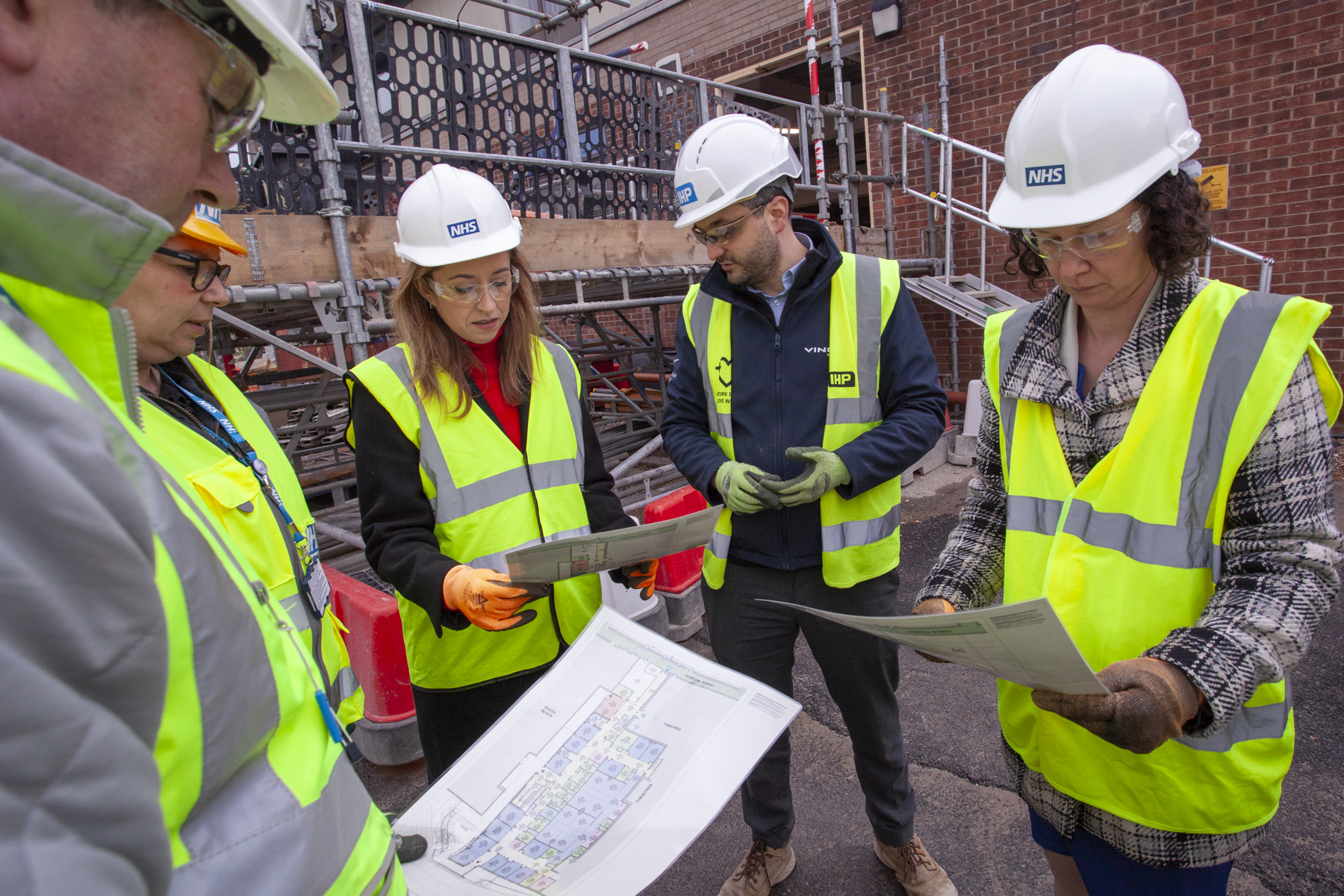
This is one of the biggest recent investments at DRI and forms part of a long-term programme to refurbish and modernise the site to ensure it is fit to meet the needs of future generations of patients and colleagues.
Much of the hospital was built in the 1930s and 1960s, to meet the needs of a very different era of healthcare. Many areas, despite adaptations over time, are now poorly suited to the needs of modern medicine, new technology, and today’s patient expectations, placing ongoing pressure on services.
In response, DBTH previously bid for national funding to support a major rebuild of the site. Although the bid was unsuccessful, work has continued to strengthen and renew the hospital through phased, long-term redevelopment and targeted investment.
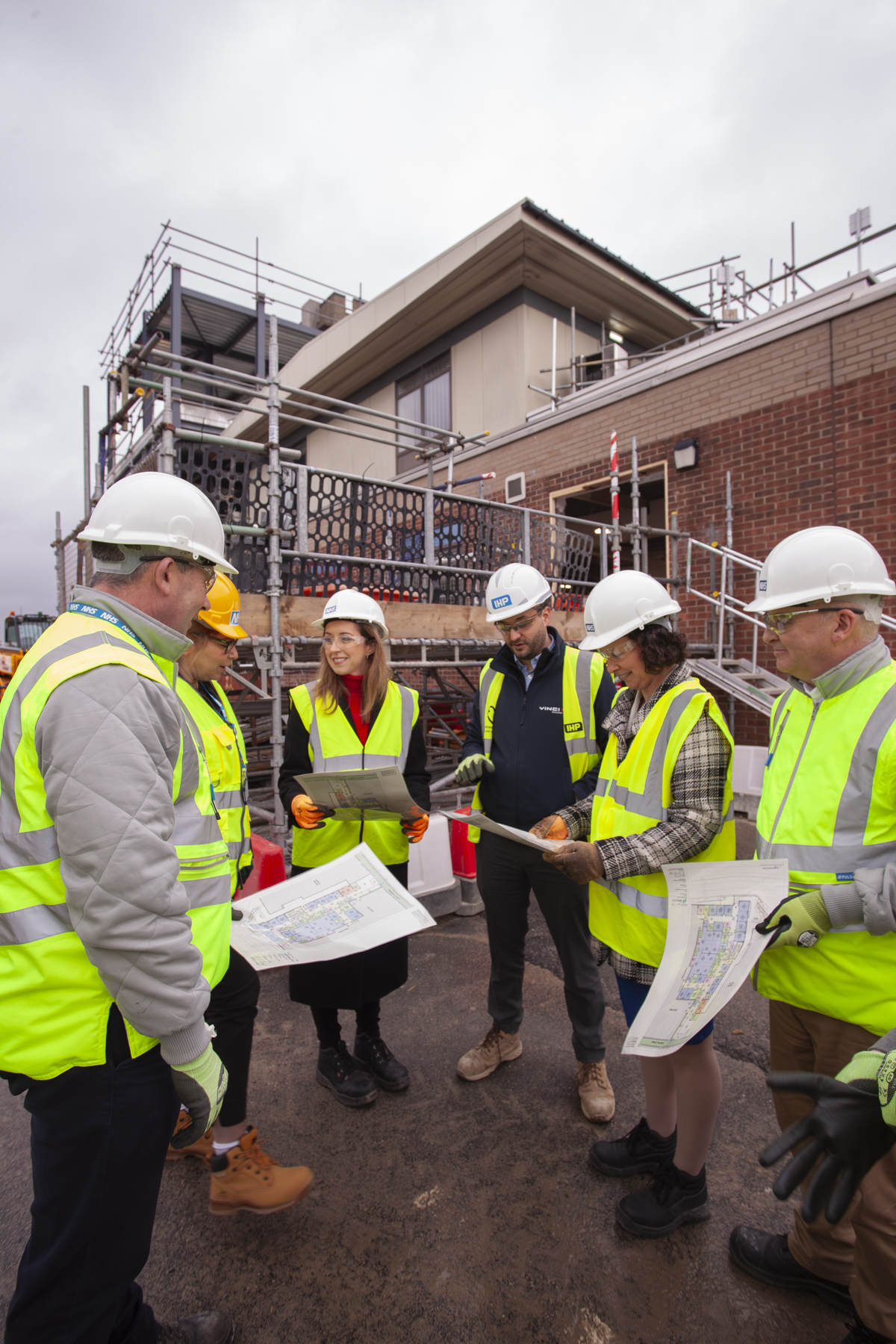
Recent projects, including the new Discharge Lounge and Surgical Same Day Emergency Care unit, have already helped improve patient flow and create space for the new Department of Critical Care. These developments have been delivered on schedule and are now supporting day-to-day services, reflecting DBTH’s strong track record of making effective use of capital investment.
Subject to national funding approvals, the next major planned step is the refurbishment of the East Ward Block, the main tower block dating back to the 1960s, which would modernise one of the site’s busiest buildings.
Zara Jones, Acting Chief Executive at DBTH, said: “We were pleased to welcome Sally to Doncaster Royal Infirmary and to show her the progress being made. The new Department of Critical Care will make a real difference for patients and colleagues. We value the strong and constructive support we receive from our local MPs. While we have invested record amounts in recent years, the age of many of our buildings means continued investment remains essential.”
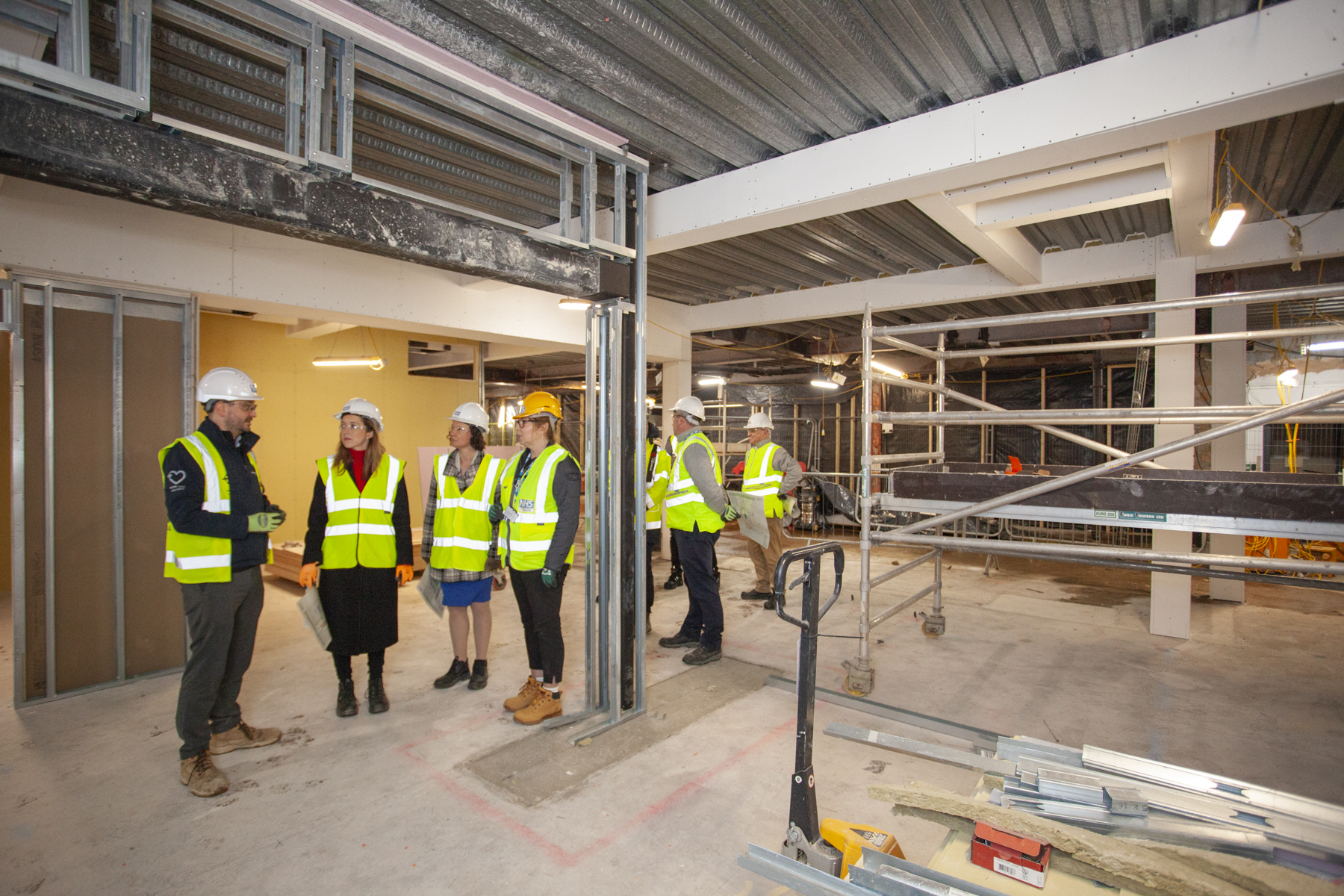
Sally Jameson MP said: “It was great to see the progress being made and to hear directly from colleagues and patients. I will continue to work with the Trust, local partners and Government, using my voice in Parliament to support continued investment and improvements for the people of Doncaster.”
Each year, Doncaster and Bassetlaw Teaching Hospitals cares for around 800,000 patients, with around 600,000 treated at Doncaster Royal Infirmary, making it one of the busiest hospitals in the region.
Further information about Sally Jameson MP’s campaign is available at: https://www.sallyjamesonmp.co.uk/news/dripetition
Content out of date? Information wrong or not clear enough? Report this page.
For nearly two decades, Margo Ram and Yvonne Barnes have been a familiar and friendly face at the main reception of Doncaster Royal Infirmary, providing voluntary services to the Trust.
In June 2005, their volunteering journey began and on one thing the pair agreed: “We gelled straight away!”
Their first three weeks of volunteer training was led by John Cassidy, a witty, well-liked, mentor at the Trust and former police officer from Scotland. Margo, a Scot herself, fondly remembers his banter, which reminded her of her late father.
Those early days set the tone for what volunteering would become for them both: full of connection and support.
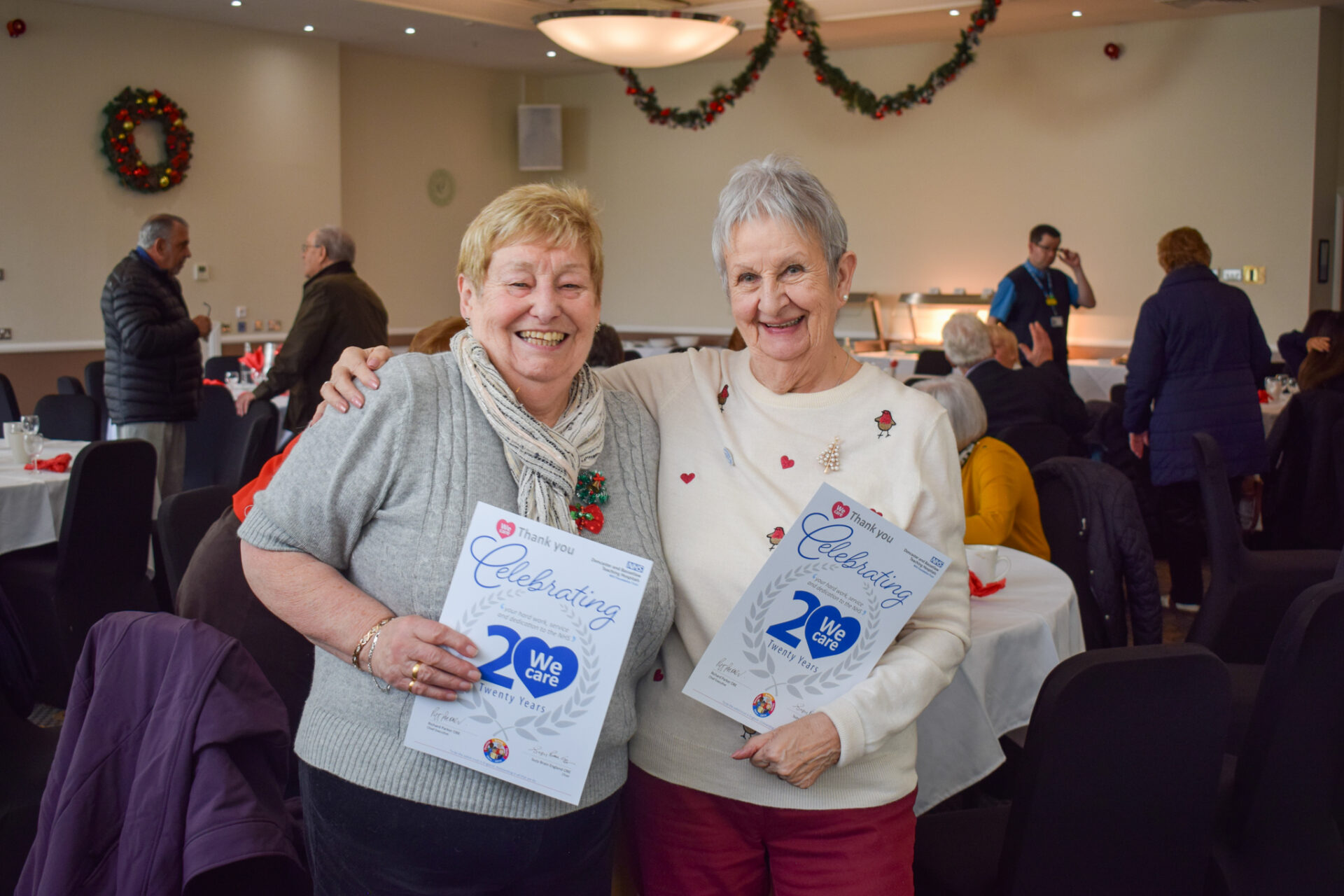
The duo makes a complementary pair – both with a warmth and calmness but unmistakable cheeky humour and quick wit, especially together.
Yvonne said: “The thing that makes working together so fulfilling is having a sense of humour. We know instinctively what each other is thinking.”
During their time, Margo and Yvonne said they have encountered their fair share of ‘dramas and characters’ sat at the front desk, as well as witnessing key events in the Trusts’ history.
Margo and Yvonne were volunteers during the coronavirus pandemic, though for their protection and the safety of others, they stayed at home for several weeks.
The pair were also in position during a visit in December 2008 from Her Royal Highness The Princess Royal, Anne, to Doncaster Royal Infirmary.
When asked how they support one another during difficult moments on the job, Margo said: “You just give a shoulder to cry on and a listening ear.”
Margo and Yvonne’s time as volunteers is nearly as long as their previous careers, with Yvonne working as a school secretary for 26 years, while Margo was a dinner lady.
Despite coming from different professional backgrounds, they both brought with them a shared love of people and community.
Margo and Yvonne play a vital role in helping patients and visitors find their way, often at moments when reassurance matters most.
They pride themselves on being able to read the room, knowing when someone needs a smile or a joke, and when they simply need calm, clear directions.
Margo said: “We love having banter with visitors. We’ve got a good eye for who is up for a joke.”
Despite many things being the same, a lot has changed during their two decades of service, Yvonne explained.
She said: “We’ve noticed maybe more people need help finding places or departments, or phoning for taxis. Even just having a word with them.”
“We still enjoy coming to the desk, meeting people, helping others and working with other staff.”
Outside of volunteering, their friendship continues. 20 years on, Margo, Yvonne and other volunteers still meet up weekly to socialise.
One such volunteer is Sue, who also has 20 years of volunteering service with the Trust and joined the team a few months after Margo and Yvonne in 2005.
Sue first stepped in to temporarily cover for Yvonne at the reception desk. When Yvonne returned, the connection between the three was immediate, and the group quickly became inseparable, Margo explained.
Margo said: “Sue is the third member of our team – the three degrees!”
In December 2025, the Trust celebrated its incredible volunteers with a Christmas brunch, funded by Doncaster and Bassetlaw Teaching Hospitals Charity – a small thank you for the enormous contribution volunteers like Margo, Yvonne and Sue make every single week and an opportunity to recognise those who have reached long service milestones.
Karen Jessop, Chief Nurse at DBTH, said: “Margo and Yvonne have made an important contribution to Doncaster Royal Infirmary over the past 20 years. As volunteers at the main reception, they support patients and visitors at what can often be a stressful time, offering clear guidance, reassurance and a welcoming presence.
“Their service and friendship highlight the positive role volunteering plays for individuals and the wider hospital community.”
To enquire about voluntary roles across the Trust, contact Voluntary Services on 01302 644403, or e-mail nicola.ramshaw@nhs.net.
About DBTH Charity:
Doncaster & Bassetlaw Teaching Hospitals’ Charity is the official charity which supports Doncaster and Bassetlaw Teaching Hospitals Trust to go above and beyond by providing additional equipment, services and amenities for our patients, visitors and staff which cannot be funded by the NHS alone.
These additional extras would not be possible without the support of our community. With your help, we can continue to work with our Trust to fund innovative and exciting projects that make a difference to our patients, their families and our colleagues who care for them.
Visit the charity website to find out more: https://dbthcharity.co.uk/
Content out of date? Information wrong or not clear enough? Report this page.
Dani was just 26 when she first became unwell. At the time, she was working as a community nurse in Doncaster. After developing a limp, her health quickly declined. Within a year, she was wheelchair-bound.
Following extensive tests, Dani was diagnosed with a neurological disorder – a condition that affects how the nervous system works. As her symptoms worsened, she was forced to give up the career she loved and move from the home she shared with her husband, Gareth, into a bungalow that could better meet her needs.
The physical changes soon began to affect her mental health.
“I lost my independence, and it made me feel so low mentally,” Dani said. “My friends became estranged, and I felt alone in an uphill battle.”
Dani was later referred to Vivek Kumar, Urology Consultant at DBTH, who diagnosed her with a neurogenic bladder – a condition caused by nerve damage that affects bladder control.
“Mr Kumar did everything he could to try to save my bladder,” Dani explained “I had regular Botox injections for years to try to ease the symptoms, but eventually the pain became unbearable.”
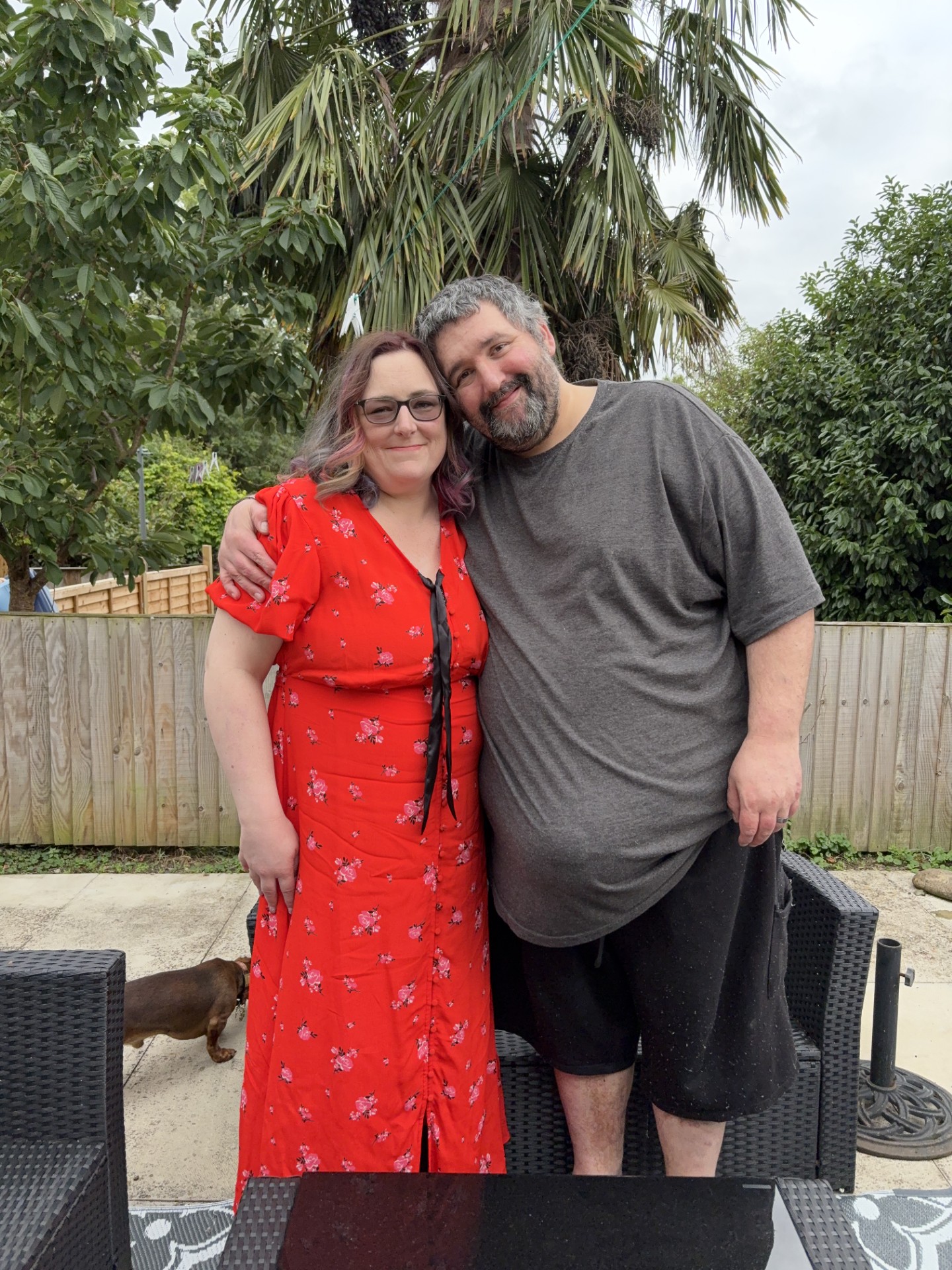
In February 2025, doctors agreed that Dani would undergo major surgery to remove her bladder and form a urostomy. When the operation took place three months later, a hysterectomy was also recommended to reduce the risk of future complications.
While the surgery marked a turning point, recovery was not easy.
“What I struggled with the most after the operation was my emotions,” Dani said. “The hysterectomy sent me into early menopause, and I was also learning how to live with a stoma.
“I’ve had to learn how to walk again too – the last time I walked was 13 years ago. It’s surreal. I never thought I’d have the chance.”
Now discharged from Mr Kumar’s care after 15 years, Dani is continuing her recovery with physiotherapy support at Doncaster Royal Infirmary.
“The physio team are helping me get to a place where I can start driving and even look at getting a job again,” she said. “People who knew me before the operation don’t recognise me. I don’t even have carers anymore – it’s back to just me and my husband in our home.”
Mr Kumar added: “When Dani came to us, she was at one of the lowest points in her life. Our focus was on understanding the full impact her condition was having on her day-to-day life and doing what was right for her as a person, not just treating individual symptoms.
“The progress she has made since surgery has been remarkable and shows the difference that personalised NHS care, delivered by many teams working together, can make.”
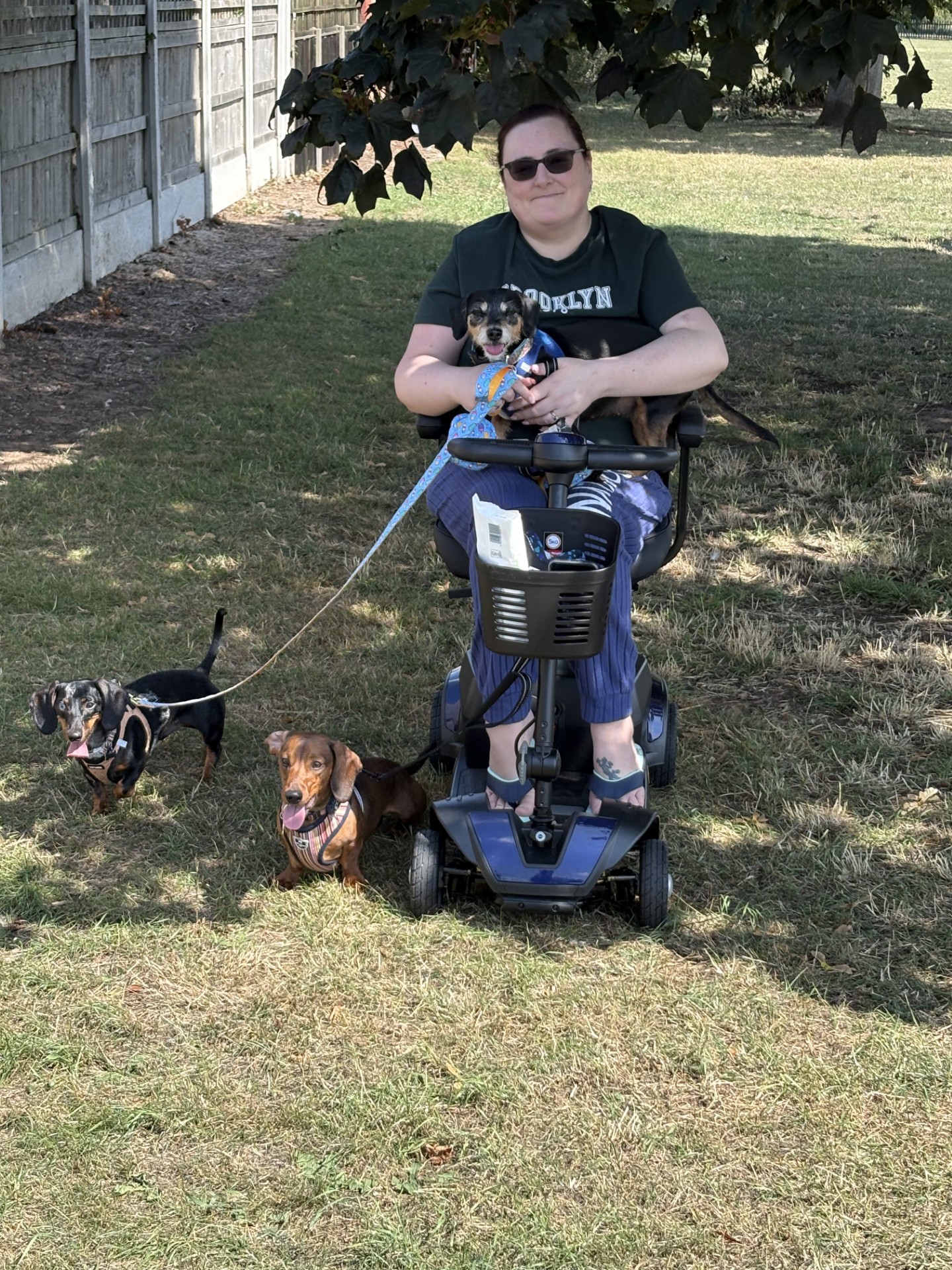
Dani also paid tribute to the wider DBTH teams who supported her throughout her journey.
“I really wouldn’t be where I am today without everyone who has looked after me, including the stoma nurses, who have given me so much information and support following my operation.”
Dani’s story highlights the life-changing impact of safe, compassionate, person-centred care, supporting patients to regain independence and improve their quality of life.
Content out of date? Information wrong or not clear enough? Report this page.
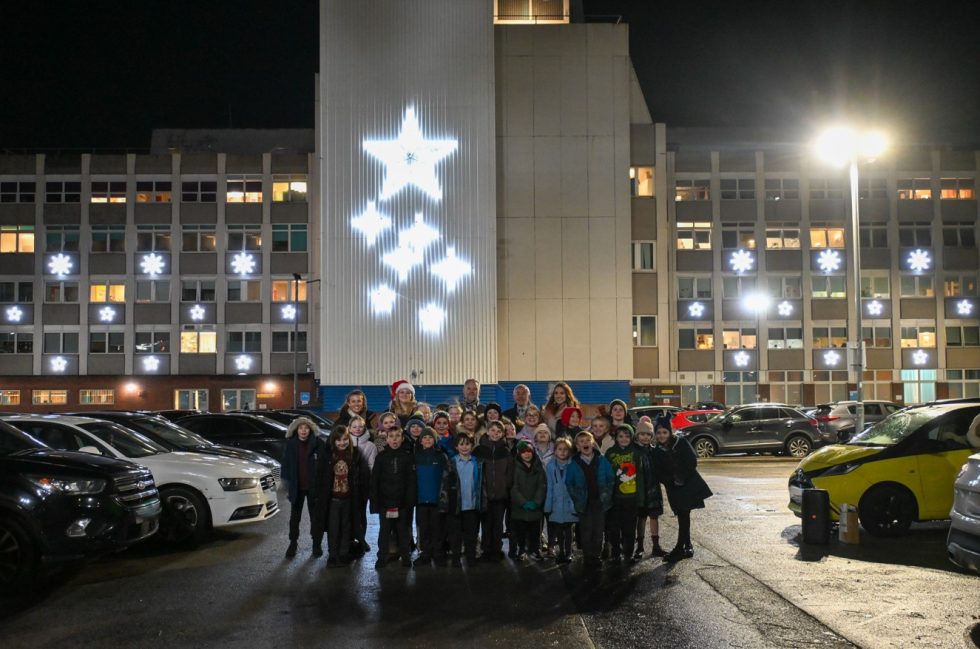
‘Our Shining Stars’ sees large, illuminated stars displayed across DBTH, with 2025 marking the first year the campaign has extended into the local community on Bawtry high street and local Bawtry restaurant, Ziniz.
This year, 26 sponsors generously supported the campaign, dedicating stars in honour of loved ones, colleagues and hospital teams, and helping to shine a light on the incredible care provided across the Trust.
Adrian Petts, Head of Charity, said: “Our Shining Stars continues to show just how generous and supportive our local community is. We are incredibly grateful to every individual, school and business who sponsored a star this year, whether in celebration, in thanks, or in memory of a loved one.
“The funds raised will make a real difference across our hospitals, helping us to enhance patient care, improve environments and support our hardworking staff. Seeing the campaign grow beyond our hospital sites and into the wider community this year has been particularly special, and it’s been heart-warming to see so many people come together to support local NHS services.”
The festive spirit was brought to life at special switch-on events at both Doncaster Royal Infirmary and Bassetlaw Hospital, where patients, teams and visitors gathered to celebrate.
The events at Bassetlaw and Doncaster also featured performances by school choirs from Norbridge Academy and St Wilfrid’s School. They performed seasonal favourites and helped create a warm and uplifting atmosphere for everyone attending.

The stars were sponsored by a wide range of local businesses, organisations, schools and individuals, including S.Y.S Scaffolding, OLS Limited and Doncaster College.
Several stars were also dedicated in memory of loved ones, including those sponsored by the Neonatal team in memory of Donna, Mason’s family in memory of Mason, and in memory of Karen Cross.
Each star represents a heartfelt tribute and a powerful symbol of the community’s support for local NHS services, helping the charity to fund projects that enhance patient care, improve hospital environments and support staff across the Trust.
The 2025 campaign builds on the continued success of Our Shining Stars, which has raised tens of thousands of pounds since its launch in 2020, while also reaching new audiences through its expansion beyond hospital grounds to Bawtry.

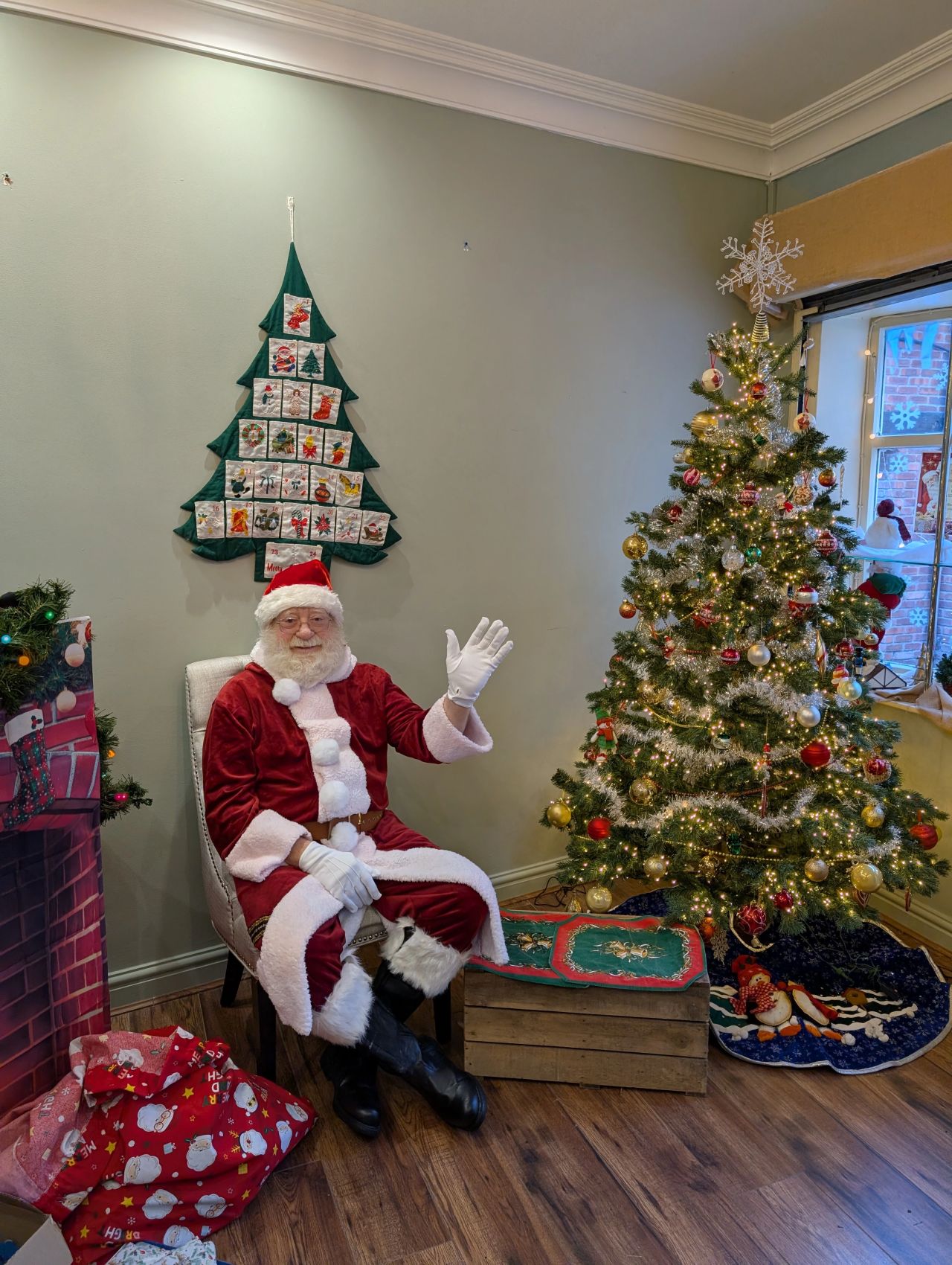
Ross Jarvie, Chair of Visit Bawtry (Bawtry Retail Association), said: “We have been delighted to be involved with Our Shining Star campaign this year. The stars looked fantastic on Zinizs and our partnership with the charity included a pop up Santas grotto in The Courtyard.
“We are already planning December 2026 to be even better!”
DBTH Charity would like to thank every sponsor, supporter and member of the community who helped make this year’s campaign such a success. Thank you to:
- Retford Oaks
- GXO Logistics
- The End of Life Team
- Visit Bawtry
- Ziniz
- Albemarle Homes
- RJ Electrical
- Amazon
- Jessica Edwards
- S.Y.S Scaffolding
- St Wilfrids Primary
- OLS Limited
- Doncaster College
- Clemence Rogers Home Care
- P+HS Architects
- Bermar Building
- Vinci
- NG Bailey
- Harrison College
- Hollies Bar
- Next
- Holmewood Lane Caravan Site
- Bawtry Freemasons
- Bassetlaw Labour Group
Would you like to sponsor a star in 2026? Get in touch with our charity team by emailing: dbth.charity@nhs.net.
About DBTH Charity:
Doncaster & Bassetlaw Teaching Hospitals’ Charity is the official charity which supports Doncaster and Bassetlaw Teaching Hospitals Trust to go above and beyond by providing additional equipment, services and amenities for our patients, visitors and staff which cannot be funded by the NHS alone.
These additional extras would not be possible without the support of our community. With your help, we can continue to work with our Trust to fund innovative and exciting projects that make a difference to our patients, their families and our colleagues who care for them.
Visit the charity website to find out more: https://dbthcharity.co.uk/
Content out of date? Information wrong or not clear enough? Report this page.
Non-Executive Directors (NEDs) play an important role in NHS organisations. They provide independent oversight, support and constructive challenge to executive decision-making, and help ensure organisations remain focused on delivering safe, high-quality care for patients. NEDs also contribute to good governance, financial oversight and accountability to local communities.
Helen brings a strong local connection to the role, having trained as a student diagnostic radiographer at Doncaster Royal Infirmary earlier in her career. She has also worked closely with Education and Research colleagues at the Trust over many years and supported the launch of Doncaster and Bassetlaw’s transition to Teaching Hospitals through her work with Sheffield Hallam University.
With a background spanning healthcare, higher education and governance, Helen began her career as a diagnostic radiographer in the NHS before moving into higher education. She spent more than 30 years at Sheffield Hallam University, where she held senior leadership roles including Deputy Dean and Dean of Academic Strategy. During this time, she led strategic change programmes, course portfolio development and complex organisational transformation.
Helen also brings significant experience in corporate governance, having served on university boards and as a long-standing Trustee of Sheffield City Trust, where she chaired the Charitable Purposes Committee. At a national level, she works as a Lead Partner Visitor for the Health and Care Professions Council and as an assessor for the College of Radiographers, supporting quality assurance and regulatory compliance. She holds a Master’s degree in Further and Higher Education and a postgraduate award in Health and Social Care Leadership.

Mark Bailey, Interim Chair of the Board at Doncaster and Bassetlaw Teaching Hospitals, said: “I am pleased to welcome Helen to the Board. She brings a breadth of experience across a range of sectors that will be valuable as we work together on the things that matter most to patients and the people who care for them. I look forward to her contribution and the positive impact she will have.”
Speaking about her appointment, Helen said: “I am delighted to be joining Doncaster and Bassetlaw Teaching Hospitals as a Non-Executive Director. Having trained at Doncaster Royal Infirmary and worked closely with the Trust over many years, this feels like a meaningful opportunity to give something back. I am looking forward to supporting the Board and contributing to the continued delivery of safe, high-quality care for patients and local communities.”
Helen took up her role on 1 January 2026.
Doncaster and Bassetlaw Teaching Hospitals provides care for more than half a million people each year across South Yorkshire and North Nottinghamshire. The organisation operates across three main hospital sites and employs more than 7,300 colleagues.
Content out of date? Information wrong or not clear enough? Report this page.