
Now entering its seventh year, the events will once again welcome year 8 students (aged 12 to 13) from schools across Doncaster and Bassetlaw to experience a unique, hands-on introduction to more than 100 careers within the NHS and care.
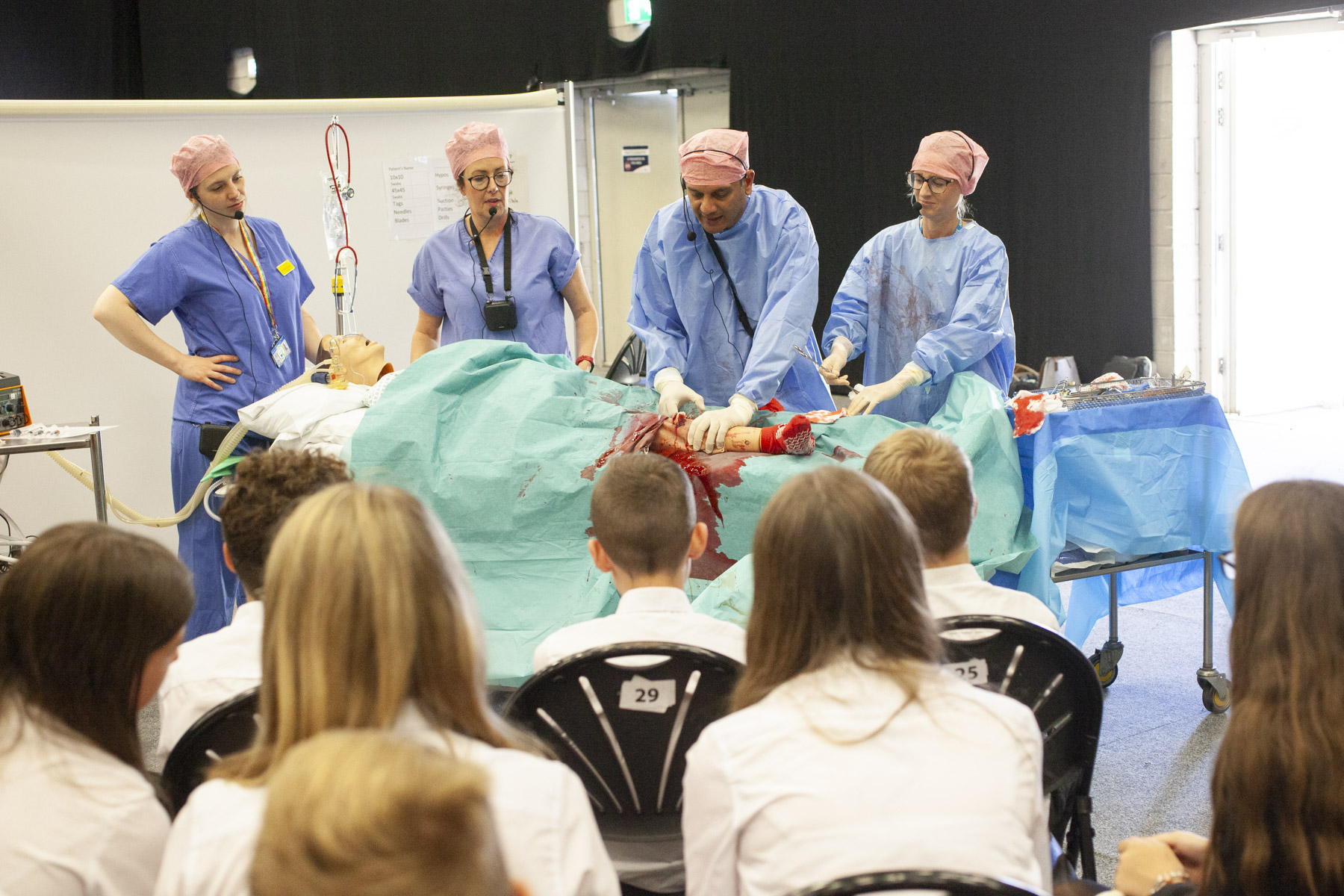
The 2026 events will take place at the Doncaster Dome and Worksop College in early July, offering pupils the chance to take part in a fully simulated hospital journey – from ambulance arrival through to discharge – alongside around 50 interactive stands showcasing the wide range of roles that keep health and care services running.
Last summer’s event was the most successful to date with nearly 2,000 students having attended the sessions across both venues.
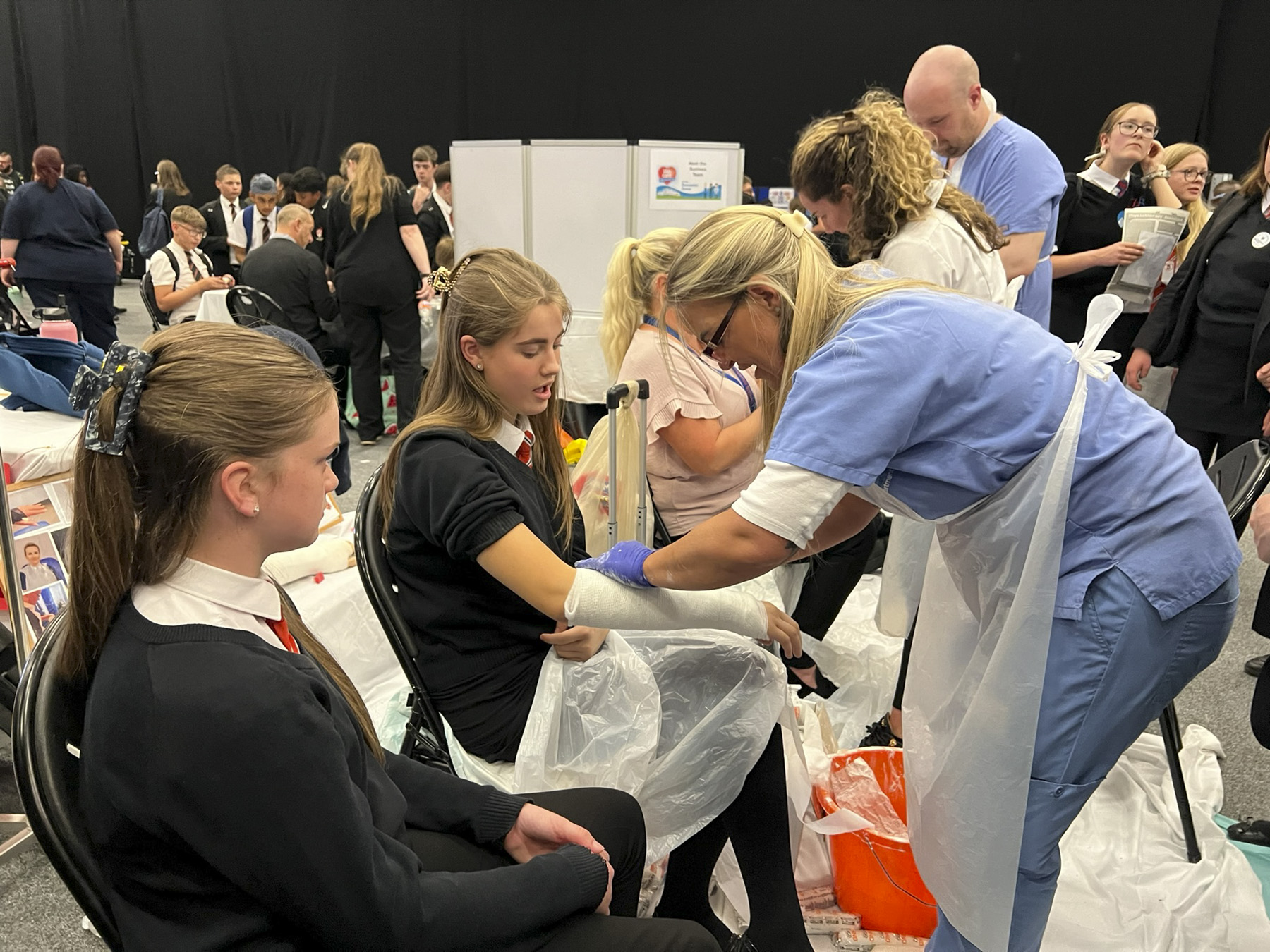
Since the events began in 2018, We Care Into the Future has helped to inspire thousands of young people to explore a future in health and care. Many of those early participants are now in further education or the workforce, with a growing number embarking on careers within the NHS and wider care sector, their ambitions potentially first sparked by conversations and experiences at that inaugural event.
Professor Sam Debbage, Director of Education and Research at DBTH, said: “When we launched We Care Into the Future in 2018, our aim was to start a conversation with young people about what a career in health and care could look like. Seven years later, we’re seeing those first attendees moving into further education, apprenticeships and the healthcare workforce – many, quite possibly, following paths first introduced to them through this initiative.
“The programme continues to grow each year, offering something far beyond the traditional careers fair. It’s about showing that the NHS is made up of hundreds of different careers – not just doctors and nurses, but scientists, engineers, coders, designers and countless others – all working together to make a difference. It’s inspiring, interactive and something we’re incredibly proud of, and we can’t wait to do it all over again this year.”

We Care Into the Future has become a model now replicated in other parts of the country, recognised for its engaging approach to early careers education and its success in helping young people see the full breadth of opportunity across health and care.
Schools across Doncaster and Bassetlaw have been invited to register their attendance since late last year, with capacity limited and places allocated on a first come, first served basis.
You can support the continued delivery of this event by donating to Doncaster and Bassetlaw Teaching Hospitals Charity here: https://dbthcharity.co.uk/we-care-into-the-future/
Content out of date? Information wrong or not clear enough? Report this page.
Across the NHS, hospitals are under significant pressure this winter. Demand for urgent and emergency care remains high and flu and other seasonal illnesses are impacting services nationwide.
At Doncaster and Bassetlaw Teaching Hospitals, we are feeling this every day. In December alone, more than 6,100 patients came through the doors of our Emergency Departments, giving a sense of the scale of activity our teams are managing.
At particularly busy times, waiting longer than expected can be frustrating, and we understand the concern this can cause, and we want to be open with our communities about these challenges and the action we are taking.
To help manage pressure safely through the winter, we have put additional measures in place across our hospitals, supported by more than £1.3 million of extra investment.
This includes opening additional beds, increasing staffing, and making changes to help patients be assessed, treated and discharged more quickly, with extra support in Emergency Departments, cleaning, diagnostics and patient transport.
We have also completed a full review of our sites to identify any further space that could be safely used for inpatient care if needed.
Our hospitals are a reflection of the communities they serve. They are made up of local people caring for local people – neighbours, friends and family members – doing their very best under sustained pressure. We want to thank our colleagues for their professionalism, compassion and dedication each and every day.
If you need urgent or emergency care, our hospitals remain the right place to come. At busy times, we ask for patience and understanding while teams focus on caring for those who need it most.
Supporting safe care this winter is something we can all play a part in. There are a few simple ways the public can help:
- Use NHS services appropriately – Emergency Departments are for urgent and life-threatening conditions, while NHS 111, GPs, community pharmacies and urgent treatment centres can often provide faster help for other needs.
- Get your flu jab if you are eligible, to protect yourself and others and help reduce pressure on hospitals.
- Keep planned appointments with us whenever you can, or let us know as early as possible if you are unable to attend, so we can make the best use of the capacity we have.
- Plan ahead where possible, including ordering repeat prescriptions in good time.
We also encourage open conversations. If something does not feel right during your care, please tell a member of the team at the time so it can be addressed quickly. If you would prefer to raise concerns afterwards, our Patient Advice and Liaison Service (PALS) is available to listen and support you.
Thank you for your continued trust. We remain committed to listening, learning and providing safe, compassionate care for our communities throughout the winter.

Content out of date? Information wrong or not clear enough? Report this page.
Before the Christmas period, the Same Day Emergency Care department welcomed colleagues into its new home, located close to the Emergency Department. Opening on the 22 December 2025, the SDEC marked an important milestone for emergency care.
To recognise the opening of the newly redeveloped facilities and to thank colleagues for their patience and support during construction works, the Rapid Relief Team (RRT) paid a special visit to the emergency care building on the same day it opened, offering support for colleagues transitioning to their new clinical space.
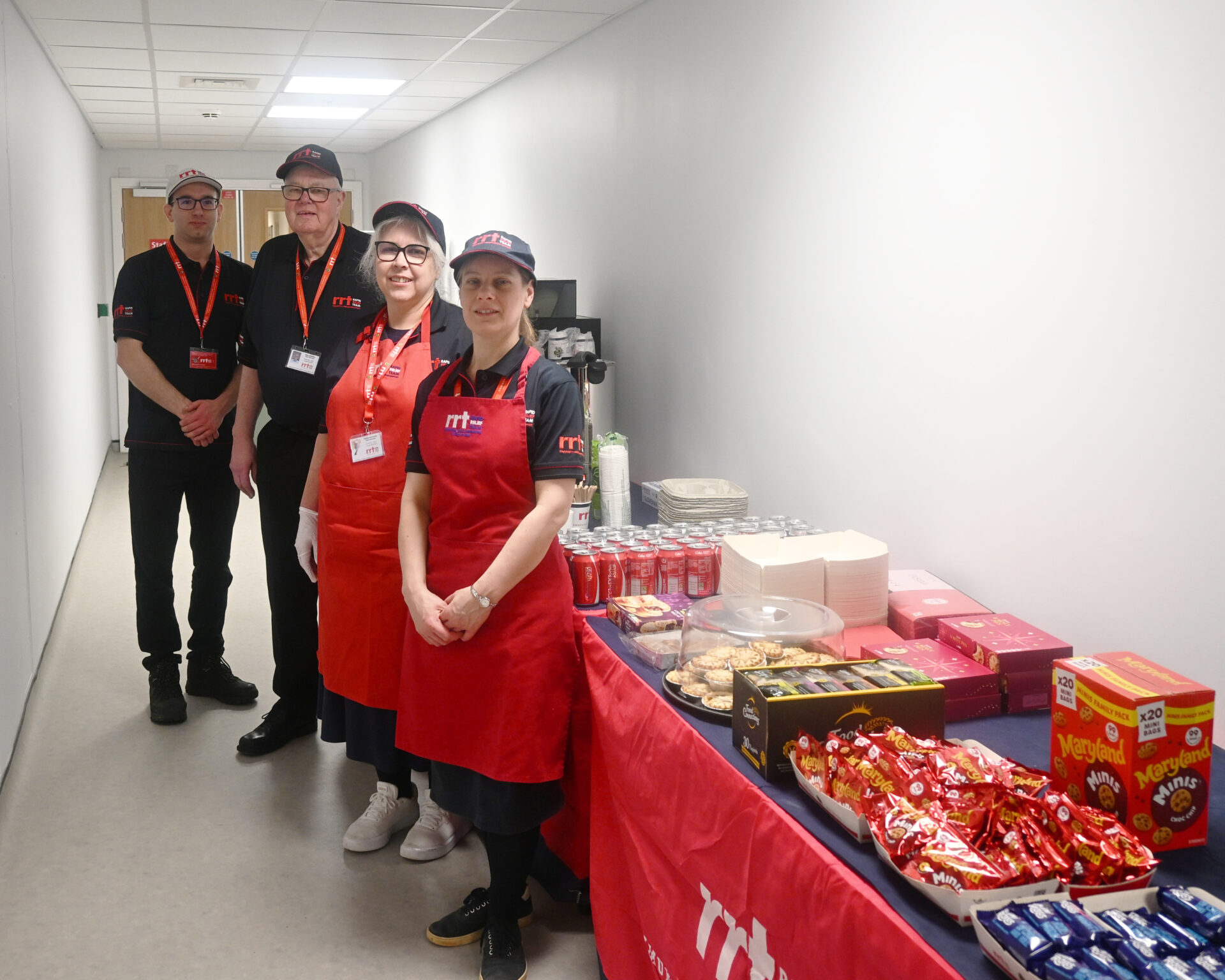
RRT is a volunteer-led charity made up of members of the Plymouth Brethren Christian Church. The group delivers hope and relief to those in need, from serving food and drinks during major incidents to supporting those affected by natural disasters. In recent years, they have also supported colleagues at DBTH through similar initiatives, offering refreshments and encouragement during particularly busy or challenging periods.
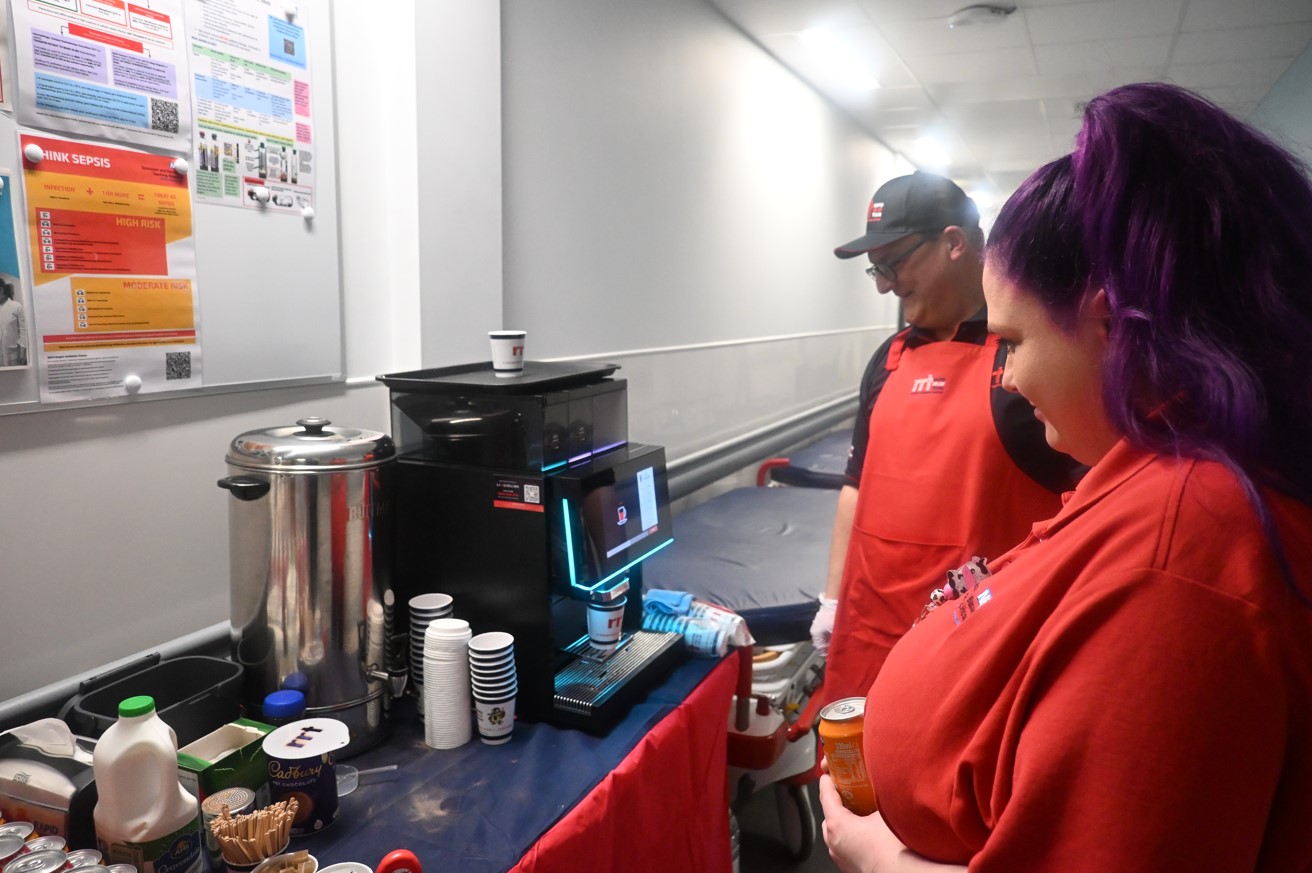
During their visit, RRT offered festive treats, including mince pies and hot drinks, alongside warm messages of support to colleagues working across the Emergency Department, Same Day Emergency Care, Minor Injuries Unit and Children’s Assessment Unit. With cases of flu and other seasonal illnesses particularly high this winter, the visit provided a welcome morale boost as teams prepare for what is traditionally one of the busiest times of year for emergency care services.
Mike Johnston from the Rapid Relief Team said: “We are honoured to support our crucial healthcare workers in what can be a very demanding time of year. Our charity is all about ensuring emergency services feel supported as they care for us all, and we hope these gestures help staff feel appreciated.”
Neil Cresswell, Service Manager for the Emergency Department, said: “Everyone has pulled together to get Same Day Emergency Care and Minor Injuries Unit up and running in our new home after working from temporary areas for the past four months. It’s wonderful to finally have a base where we can all work together cohesively. Having these services operating from the same area will help simplify the patient pathway and reduce the need for patients to move around the department unnecessarily.”
The Same Day Emergency Care service brings together medical and surgical pathways, allowing patients to receive rapid assessment and treatment and, where appropriate, avoid an overnight hospital stay.
The Minor Injuries Unit continues to ensure patients with less serious conditions are seen and treated efficiently, while local families benefit from the increased observations available within the Children’s Assessment Unit, so their young ones can receive care closer to home.
Joanna Stedman, Divisional Nurse for Urgent and Emergency Care, said: “SDEC and Minor Injuries provide rapid assessment and treatment for a range of urgent conditions without the need for admission. Patients are triaged to the service based on their needs, with access through the Emergency Department entrance. The co-location of these services supports better patient flow and ensures people are seen in the most appropriate place for their care.”

Jac Crossland, Matron for Urgent and Emergency Care and AMU at Bassetlaw, said: “The winter period is traditionally very busy for emergency services. Simple steps such as planning repeat prescriptions early, using NHS 111 online for advice and keeping essential medicines at home can help prevent unnecessary visits to the Emergency Department. Being prepared means our teams can focus on those who need us most.”
These new services complete a major programme of investment in emergency care at Bassetlaw Hospital, following the earlier opening of the new Emergency Department, Acute Medical Unit and Children’s Assessment Unit earlier this year. More recently, the Medical Imaging service has also been upgraded with the introduction of a new CT scanner in November. The additional scanner improves efficiency and resilience, ensuring continuity of service during maintenance of existing equipment and reducing the need for patients to travel to Doncaster Royal Infirmary for scans.
Further improvement schemes are set to begin in the new year, reflecting the Trust’s continued commitment to delivering high-quality care in modern, fit-for-purpose environments for patients across the region.
To keep up to date with the latest developments across Doncaster and Bassetlaw Teaching Hospitals, and to find out more about emergency care services in the area, visit www.dbth.nhs.uk.
Content out of date? Information wrong or not clear enough? Report this page.
With more than £100 million invested in buildings and clinical environments since 2020, DBTH has delivered one of the most ambitious programmes of improvement in its history. These developments reflect the Trust’s ongoing strategy: to providing the best care environments for both patients and its colleagues.
Beginning in January this year, the Emergency Care Building at Bassetlaw Hospital opened to patients after completing its construction phase in December 2024. This major redevelopment included a modern Emergency Department, an Acute Medical Unit and a Children’s Assessment Unit, restoring overnight paediatric inpatient care for the first time since 2017.

Joining these departments are a newly refurbished Minor Injury department and Same Day Emergency Care (SDEC) service, combining the medical and surgical SDEC services into one area. These services build on the emergency care provision at Bassetlaw Hospital and mark the completion of the whole project.
The new facilities provide improved access, increased flow to patient pathways and a more comfortable environment for families.
In March, the Trust unveiled the new Imaging Suite at the Montagu Community Diagnostic Centre. Featuring state-of-the-art MRI, CT and ultrasound facilities, the expansion increased local access to essential testing and benefits from reduced pressure on busy acute hospital sites. The new centre will help to provide tens of thousands of additional diagnostic appointments each year.

Later in September, the Phoenix Therapy Suite opened at Montagu Hospital. Equipped with specialist rehabilitation devices and interactive therapy equipment, the suite offers stroke survivors and other patients access to technology previously unavailable within the NHS. The facility provides a bright, purpose-built space to support intensive therapy programmes for its stroke inpatients.
Additionally in September, a new facility opened to further research within the Trust, with a dedicated area for clinical research. The new department, called the Clinical Research Hub, offers a reception area, clinical bay and support areas.
At Doncaster Royal Infirmary (DRI), the Trust introduced two key areas to support hospital flow and emergency care.
The Discharge Lounge at DRI is now positioned closer to the front of the site by main road and bus routes and benefits from a patient pick up area. Alongside this, new department for the Surgical Same Day Emergency Care (SDEC) service was located closer to other emergency services to improve rapid assessment and create better clinical links.

Both spaces have been designed to support smoother pathways, faster decision-making and improved patient experience.
Diagnostic services received a further boost with the installation of two new CT scanners.
At Bassetlaw Hospital, a second CT suite has opened to patients, ensuring the service remains continuous during times of routine maintenance. At DRI, an advanced SPECT-CT scanner is now in place, offering clinicians more precise imaging by combining structural and functional information in a single scan. Accompanying works have upgraded clinical areas and patient changing rooms, ensuring a calm and supportive environment.

Dr Kirsty Edmondson Jones, Director of Infrastructure at DBTH, said: “We’re delighted to see the progress made within the Trust to improve our patient facing areas, each milestone brings us closer to a modern, purpose-built environment. These developments will ensure our patients receive care in a space designed for the future, supporting the best possible outcomes.”
Major investment will continue into the new year, with the completion of the new Department of Critical Care at DRI, set for the end of 2026. The new building will improve access and feature 22 beds within patient bays, alongside clinical facilities to help care for some of the Trust’s vulnerable patients.
Zara Jones, Deputy Chief Executive at DBTH, said: “As part of our ‘Healthier Together’ strategy, we’re committed to improving the environments in which we provide care. These new facilities are fantastic examples of how investment in modern technology and infrastructure directly benefits our patients and local communities.”
To find out more about what the Trust has planned next, visit Providing the best care environments on the DBTH website.
Content out of date? Information wrong or not clear enough? Report this page.
Dorothy first stepped into the pharmacy department in 1975, not knowing that this would become her lifelong professional home. Starting as an assistant, she quickly proved herself to be reliable, knowledgeable, and committed to patient care behind the scenes.
In the early days of her career, Dorothy briefly explored becoming a pharmacy technician, completing a period of training on a technicians course. While she gained valuable experience, her true passion soon became clear – pharmacy purchasing.
For the past 47 years, Dorothy has been at the heart of pharmacy operations. Her role is pivotal in ensuring that essential medicines are available across all three hospital sites, supporting everything from emergency care to specialist treatments.
Dorothy’s work underpins the smooth running of the Trust’s clinical services. She has developed an encyclopaedic knowledge of medication supply chains, procurement systems, and the ever-changing pharmaceutical landscape. Her colleagues often describe her as the “walking bible” of pharmacy purchasing – a source of expertise, calm, and consistency in a field that is ever-changing.
Dorothy’s five decades in the pharmacy department have given her a unique perspective on how dramatically the service has evolved. She recalls a time when pharmacy operated its own sterilisation centre, producing sterile water antiseptic solutions and IV fluids on-site and inspecting instruments under a large microscope – tasks now handled by specialist external facilities.
Pharmacy teams also previously prepared their own creams and ointments, including products similar to today’s branded Drapolene cream. These were mixed, labelled, and dispensed in-house; now, such items arrive pre-packed and ready to use from wholesale suppliers. These changes reflect just how much the profession has modernised, and Dorothy has adapted to each development with remarkable ease and resilience.
Dorothy said: “It’s a very exciting but intense job, you have to be really on the ball and it can be quite demanding, especially in those days when we had to keep on top of all the details involved without computers. When I first started, all orders were written on duplicated copy pads.”

It’s not just changes in technology and pharmacy that Dorothy has witnessed over her five decades in the service, she also spoke with us about how working conditions were very different in 1975. Dorothy said: “My first salary in this job worked out at £22 a week and we had to work a full year before we were entitled to any holiday days.”
Throughout all of the changes she has witnessed, Dorothy has never been one to get left behind and is a firm believer in changing with the times.
At the age of 60, Dorothy decided to semi-retire. But her break from work lasted a grand total of 24 hours before she returned to her role full time. Far from slowing down, she credits the intensity and challenge of her role with keeping her mind sharp and her memory strong.
“I think that’s why I’ve been able to stay so long,” she reflected in her interview. “The job keeps me switched on.”
Dorothy marked the occasion with an afternoon tea at Mount Pleasant in Doncaster, alongside her colleagues also celebrating service milestones at DBTH. Coincidentally, the celebration was held on 5 December, just one day before Dorothy’s 76th birthday.
The event is an annual celebration for DBTH when it recognises colleagues like Dorothy who stand as a testament to the power of commitment, adaptability, and passion for patient care. Dorothy’s journey is a reminder that the NHS is built on people like her – individuals who dedicate their working lives to supporting others.
Fifty years on, Dorothy remains an integral part of the pharmacy team, often affectionately referred to as ‘Aunty Dorothy’ by her teammates, and still ensuring that patients receive the treatments they need, when they need them.
Content out of date? Information wrong or not clear enough? Report this page.
Mark took up the position 1 January 2026, following the completion of Suzy Brain England OBE’s final term of office at the end of 2025.
The Chair plays a vital role in leading the Board, ensuring it sets the organisation’s overall strategy, holds the executive team to account and acts in the best interests of patients and local communities. The Chair also works closely with the Council of Governors, representing the views of members and the public, and ensuring that the organisation remains open, transparent and focused on delivering high-quality care.
Mark has been a Non-Executive Director at DBTH since 2020. During this time, he has led Board Committees covering Charity, People, Finance and Performance and also operated as the Chair of Doncaster and Bassetlaw Health Services Ltd, providing oversight and guidance on key areas of the organisation’s work.
He also serves as a Non-Executive at the Derbyshire Community Health Services NHS Foundation Trust, Chair of the NHS Retirement Fellowship Charity and a trustee at Ashgate Hospice on a voluntary basis.
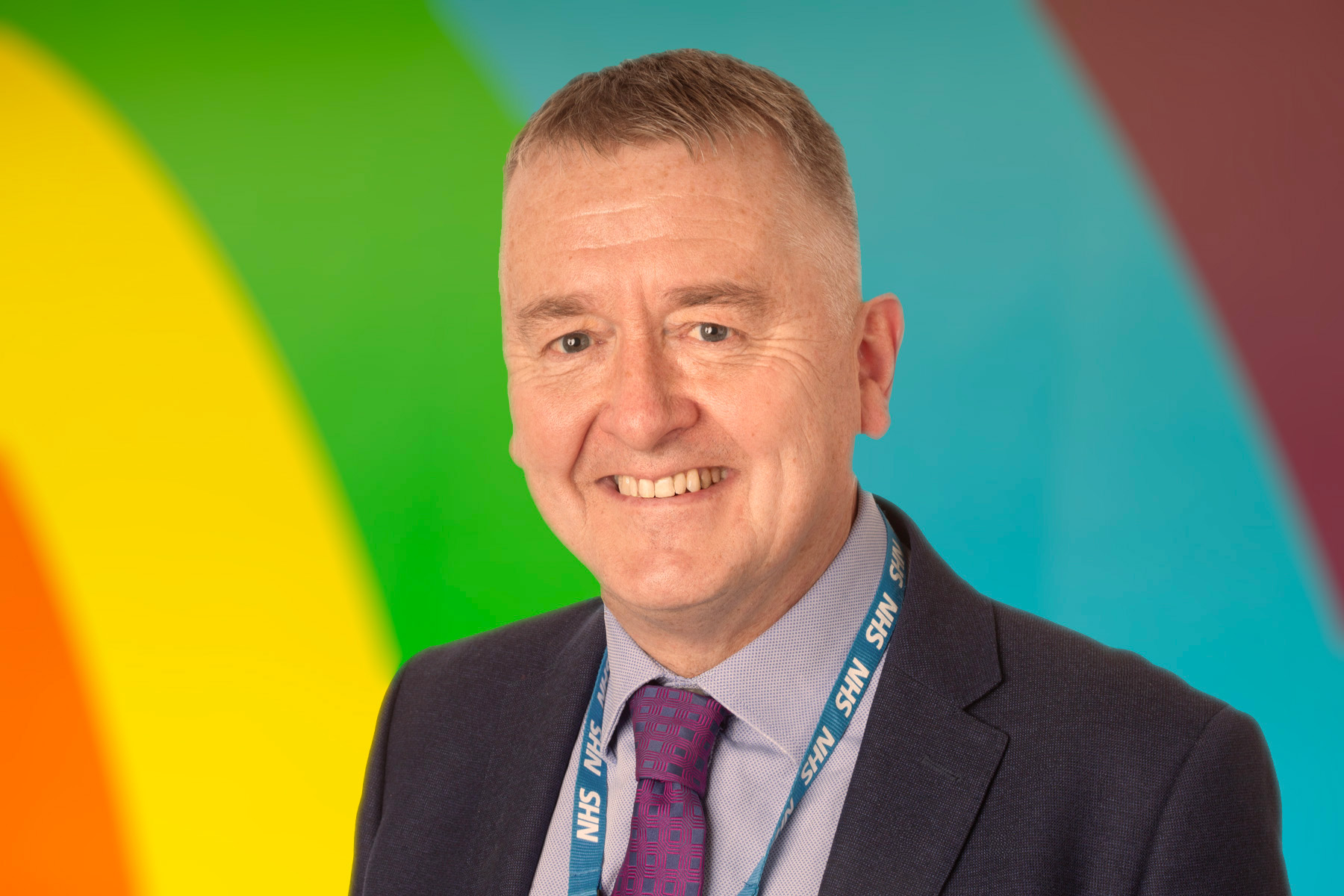
Mark brings three decades of business experience from a career in the aviation and power generation sector at FTSE 100 company Rolls-Royce plc where he held a range of customer facing leadership positions, including Group Director for Customers and Services.
With a background in engineering and manufacturing, Mark has developed expertise in strategic partnerships, business growth and customer service transformation. He has led on the implementation of digital and preventative analytics in safety critical environments – an area of growing importance as DBTH continues to modernise the way it uses technology in patient care.
Originally from Armthorpe, Doncaster, Mark now lives with his family in Ashbourne, on the edge of the Peak District in Derbyshire.
Richard Parker OBE, Chief Executive at DBTH, said: “We are very pleased to welcome Mark as Interim Chair. He has been an active and valued member of the Board since 2020 and brings with him a wealth of experience from both the private and public sectors.
“I look forward to working closely with him as we strive to deliver high-quality care for our patients and communities.”
Mark Bailey said: “My professional career has been very much about customer service; bringing people and technology together to deliver outcomes that matter to us all every day. At such at this important time for the NHS locally and nationally it is a great privilege to now have this opportunity to serve DBTH as Interim Chair.
“This Trust means a great deal to me personally. My brother was born at Doncaster Royal Infirmary, both of my late parents were cared for here, and two of my nieces have had children at Bassetlaw Hospital. As a young boy I myself had a pretty long stay at the Doncaster Royal Infirmary after surgery – so I know first-hand the critical role the skills and dedication to care of our teams has on the lives of local people and their families.
“I am excited about what lies ahead as we build on our new strategy and deliver key programmes such as the Electronic Patient Record and our ambitious capital developments. I look forward to working with colleagues and partners to make real progress for our patients and communities.”
“Finally, I want to thank Suzy for her outstanding leadership over the past nine years – she leaves a lasting legacy.”
Suzy Brain England OBE, who joined DBTH as Chair in 2016, completed her final term of office at the end of 2025, officially stepping down on 31 December.
Content out of date? Information wrong or not clear enough? Report this page.
Hospital services will remain available throughout New Year’s Day, including Emergency Departments at Doncaster Royal Infirmary and Bassetlaw Hospital, which are open 24 hours a day for people with serious or life-threatening conditions.
However, for less urgent health concerns, residents are being asked to consider alternative services that may be more suitable and quicker to access.
Dr Nick Mallaband, Acting Executive Medical Director at DBTH, said: “New Year’s Eve is traditionally a very busy time for the NHS, and we often see a rise in alcohol-related injuries and accidents that could be avoided. We want people to enjoy celebrating, but simple steps such as drinking in moderation, pacing yourself, staying hydrated and looking out for friends can help keep everyone safe and out of hospital.
“Planning ahead, knowing where to go for advice, and using the right service for your needs also helps ensure emergency care is available for those who truly need it.”
For health concerns that are not urgent, NHS 111 is available 24 hours a day online or by calling 111, offering advice and directing people to the most appropriate local service. Many community pharmacies will also be open over the New Year period, often with reduced hours, and can help with minor illnesses such as coughs, colds, sore throats, stomach upsets and rashes.
For sprains, cuts, grazes, minor burns and simple fractures, the Mexborough Montagu Minor Injuries Unit is open every day from 9am to 9pm, except Christmas Day. Support for common eye problems, including red or irritated eyes, eyelid inflammation or foreign bodies in the eye, is also available through the Minor Eye Conditions Service.
Residents are also encouraged to check they have enough of any regular medications to cover the Bank Holiday period and to stock up on basic household health essentials such as pain relief and first aid supplies. Making arrangements for a safe journey home, avoiding unnecessary risks, and checking in on friends and family can all help ensure celebrations end safely.
Some outpatient clinics and non-urgent services may be closed on New Year’s Day. Patients with scheduled appointments should attend as normal unless they have been contacted directly to say otherwise. Appointments and prescriptions can be viewed and managed using the NHS App.
For more information about local services and staying well this New Year, visit www.dbth.nhs.uk.
Content out of date? Information wrong or not clear enough? Report this page.
Players joined from Doncaster Rovers FC (DRFC), Doncaster Rovers Belles LFC, and Doncaster Rugby League, including DRFC Captain, Owen Bailey, defender Jamie Sterry, and Belles’s defenders, Katie Yates and Ruby Pitter. Also present was Club Doncaster Foundation Representative, Jack Payne.
The members, taking time out of their busy festive schedule, delivered a generous selection of gifts that had been thoughtfully wrapped and tailored to different age groups, ensuring children of all ages could enjoy a present of their own.
The visit was made even more memorable with the arrival of the club’s much-loved mascots, including Donny Dog, who helped lift spirits throughout the ward and posed for photos with patients, families and colleagues.
Doncaster Rovers captain Owen Bailey said: “We always look forward to the visit to the Children’s Ward at Christmas. There’s never a good time to be in hospital but we know it’s even tougher for kids and their parents at Christmas so it’s great to be able to drop in and hopefully lift spirits even just a small amount while we’re there. We thank all those that donated gift as part of our Pass The Parcel present drive.”
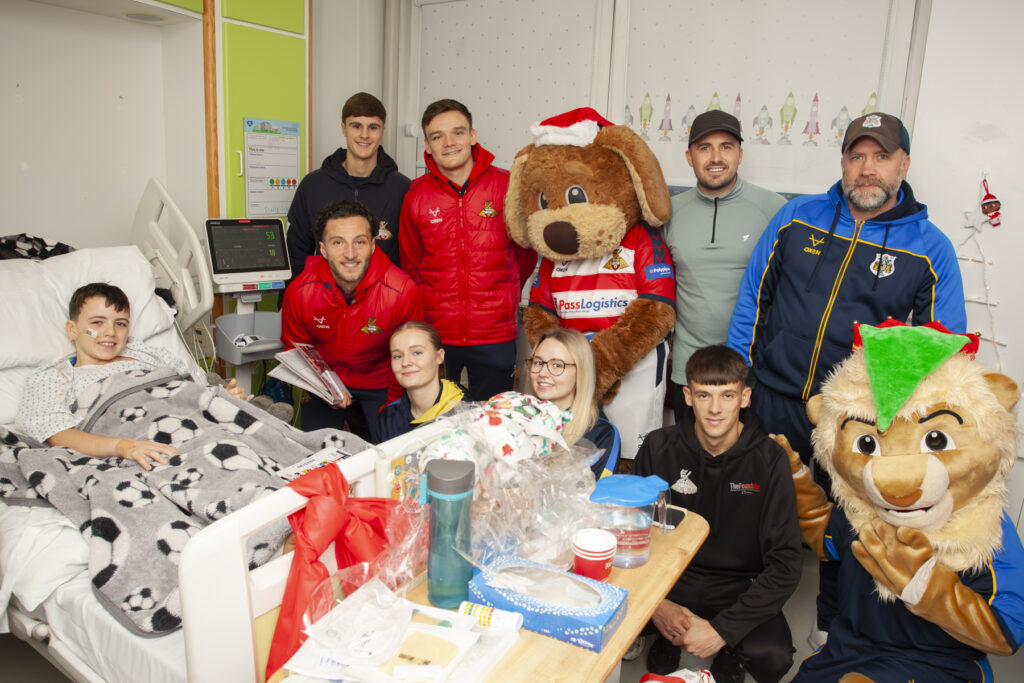
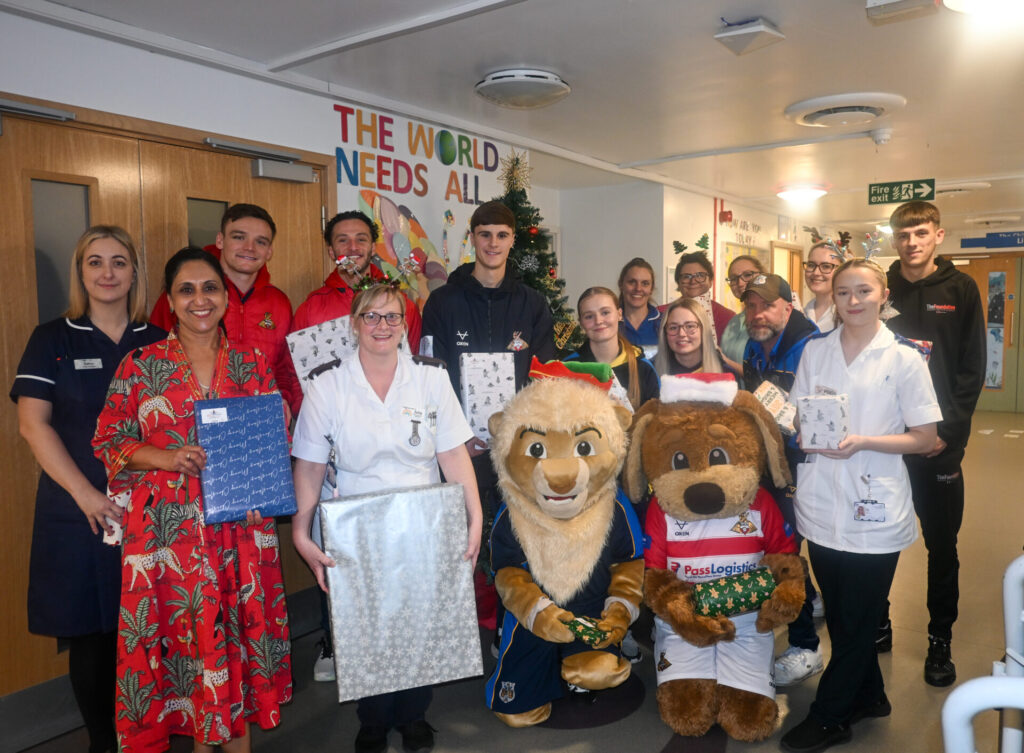
Selina Usher, Ward Manager on the Children’s Ward, said: “Visits like this make such a difference for our patients and their families. The players were very well received by patients, parents and staff alike – there was lots of excitement when they arrived, especially with Donny Dog in tow.
“We’re incredibly grateful to Doncaster Rovers for taking the time to visit and for bringing such thoughtfully chosen gifts that helped make the day feel a little brighter for everyone.”
The players spent time chatting with the children, helping them with their homework, talking to parents and helping to create a joyful atmosphere during what can be a challenging time for families spending the festive period in hospital.
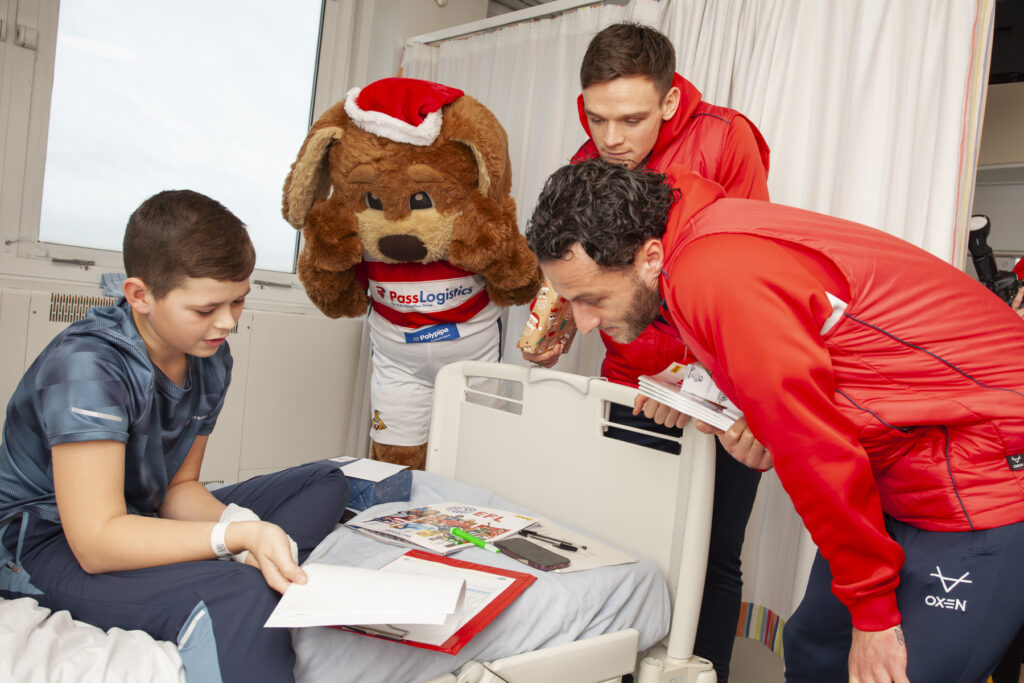
Selina continued: “Visits like these play an important role in boosting morale for patients, families and colleagues alike, helping to create positive moments and lasting memories during a hospital stay.”
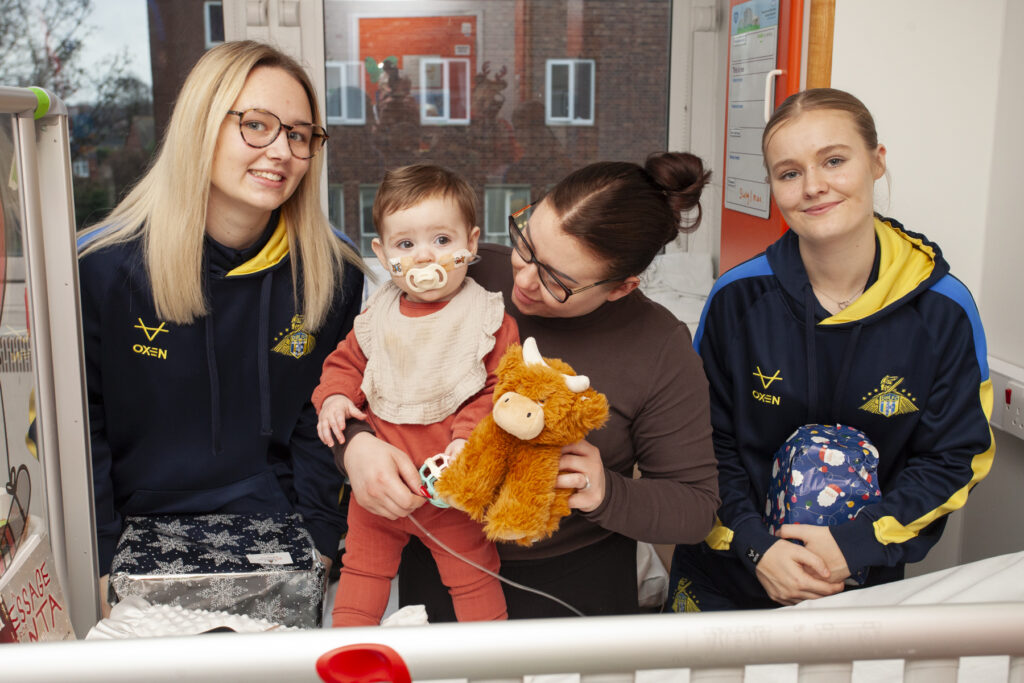
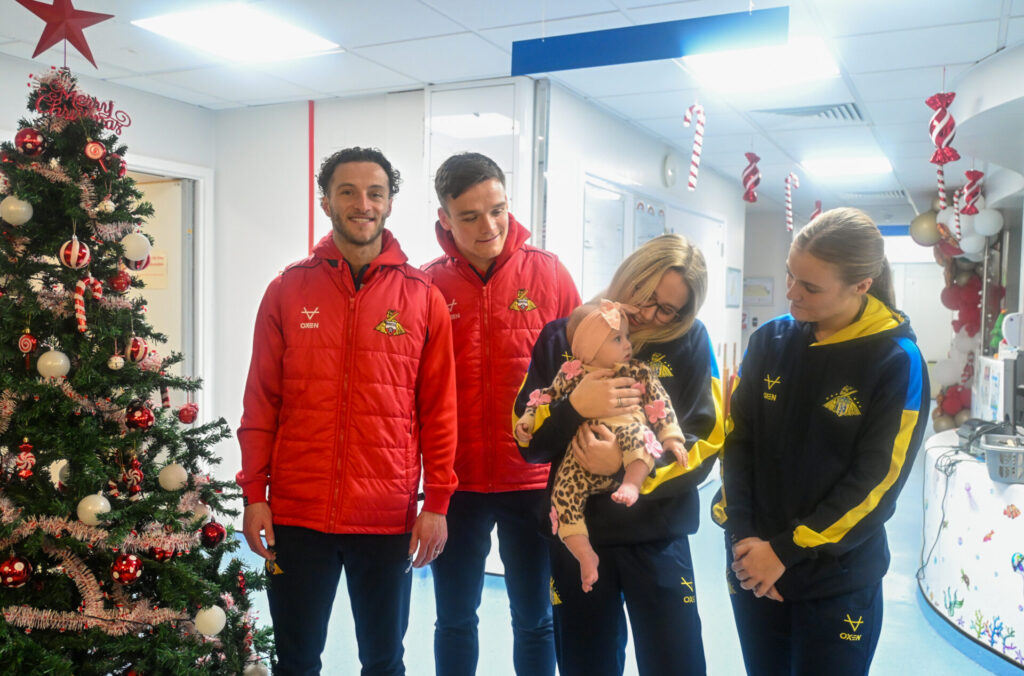
Doncaster and Bassetlaw Teaching Hospitals (DBTH) Trust would like to extend a heartfelt thank you to the players who attended, as well as Club Doncaster Foundation for co-ordinating the visit and bringing gifts as part of their festive campaign, Pass the Parcel.
To find out more about the Trust’s charitable activities and news, visit the Doncaster and Bassetlaw Teaching Hospitals Charity website: https://dbthcharity.co.uk/
Content out of date? Information wrong or not clear enough? Report this page.
We have taken a careful and sensible approach, reviewing the evidence and national guidance alongside local data and a Trust-wide risk assessment led by our infection prevention and control specialists.
Based on this assessment, we are not requiring routine mask wearing within our hospitals. We believe this is a proportionate and sensible approach given the current level of risk and the controls already in place.
In very specific clinical circumstances, face masks may be required. This will always be clinically directed, with masks supplied as part of infection prevention and control measures. This includes situations such as outbreaks, caring for patients with known or suspected infections, certain higher-risk clinical areas, or specific procedures.
Preventing the spread of respiratory viruses and seasonal illnesses relies on consistently getting the basics of infection prevention and control right. Within our hospitals, this includes hand hygiene, isolation and cohorting where required, effective environmental cleaning and decontamination, good ventilation and professional clinical judgement.
We are prioritising these fundamentals and further backing them with investment. This winter, the Trust has committed an additional £1.3 million in winter funding, with a proportion allocated to enhanced cleaning and decontamination measures across our hospitals.
The public also has an important role to play. If you are unwell with cold, flu or other respiratory symptoms, please consider whether your visit can be delayed or advice sought before attending. When in hospital, clean your hands regularly, cover coughs and sneezes, and dispose of tissues properly. We also encourage people to take up the offer of flu vaccination.
We recognise that other NHS organisations may take a different approach based on local circumstances, and we respect those decisions. When attending or visiting other healthcare settings, please follow the local guidance in place.
Most importantly, we respect the individual choice of colleagues, patients and visitors to wear a mask, and we ask everyone to respect those choices. Poor or disrespectful behaviour is not acceptable and will be challenged.
For those who wish to wear a face covering, the Trust will endeavour to make them available at the main entrances of each site, as well as in outpatient areas.
Please remember, where masks are worn by choice, they should always cover both the nose and mouth and should not be lowered for extended periods of time.
This position will continue to be kept under review and adapted if the risk picture changes.
Content out of date? Information wrong or not clear enough? Report this page.
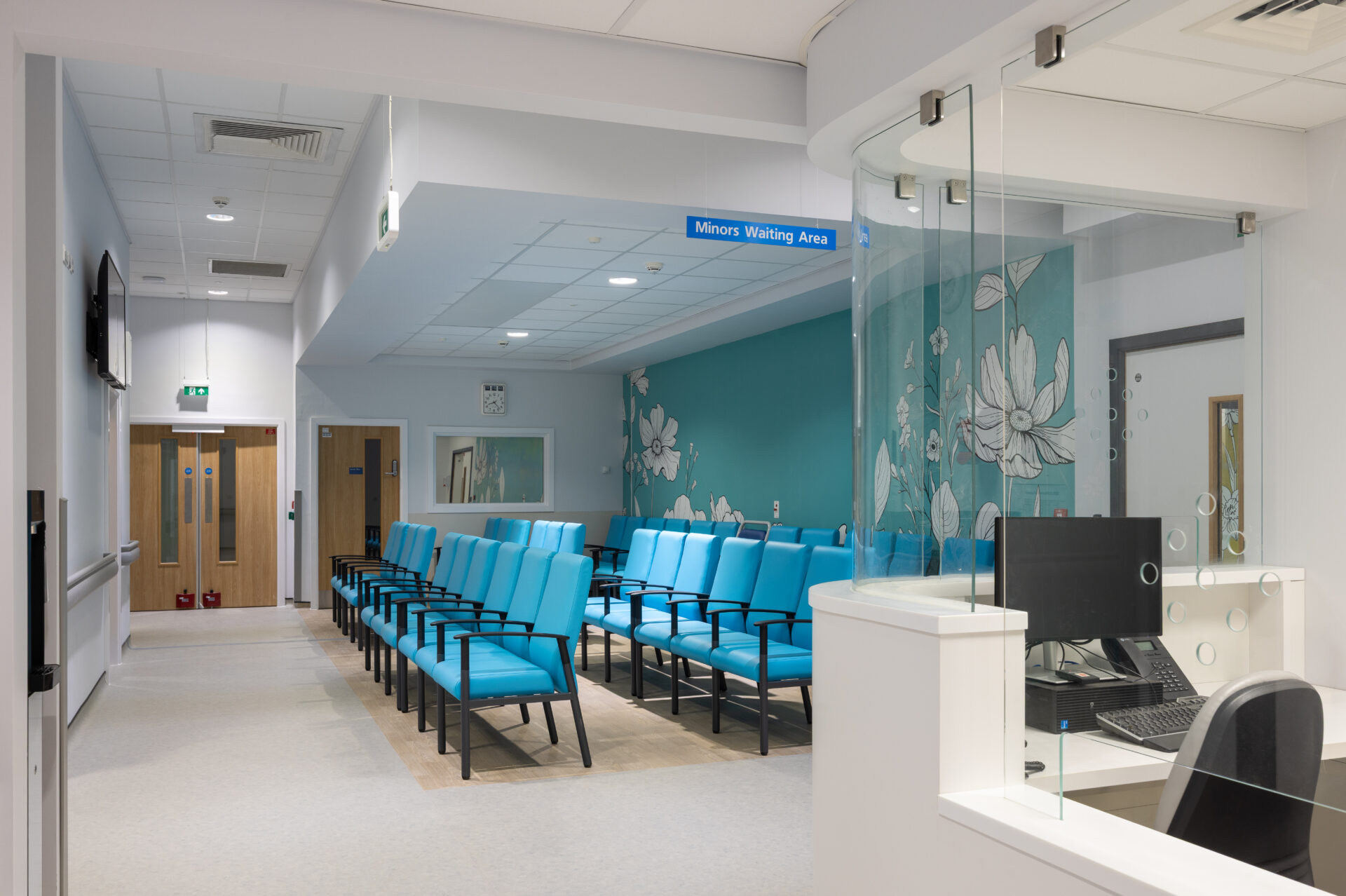
Both services opened to patients in December, with Minor Injuries welcoming its first attendees earlier in the month and SDEC opening on Monday 22 December 2025. Their introduction marks the second and final phase of the hospital’s emergency care redevelopment, following the opening of the Emergency Department (ED), Children’s Assessment Unit (CAU) and Acute Medical Unit (AMU) in January 2025.
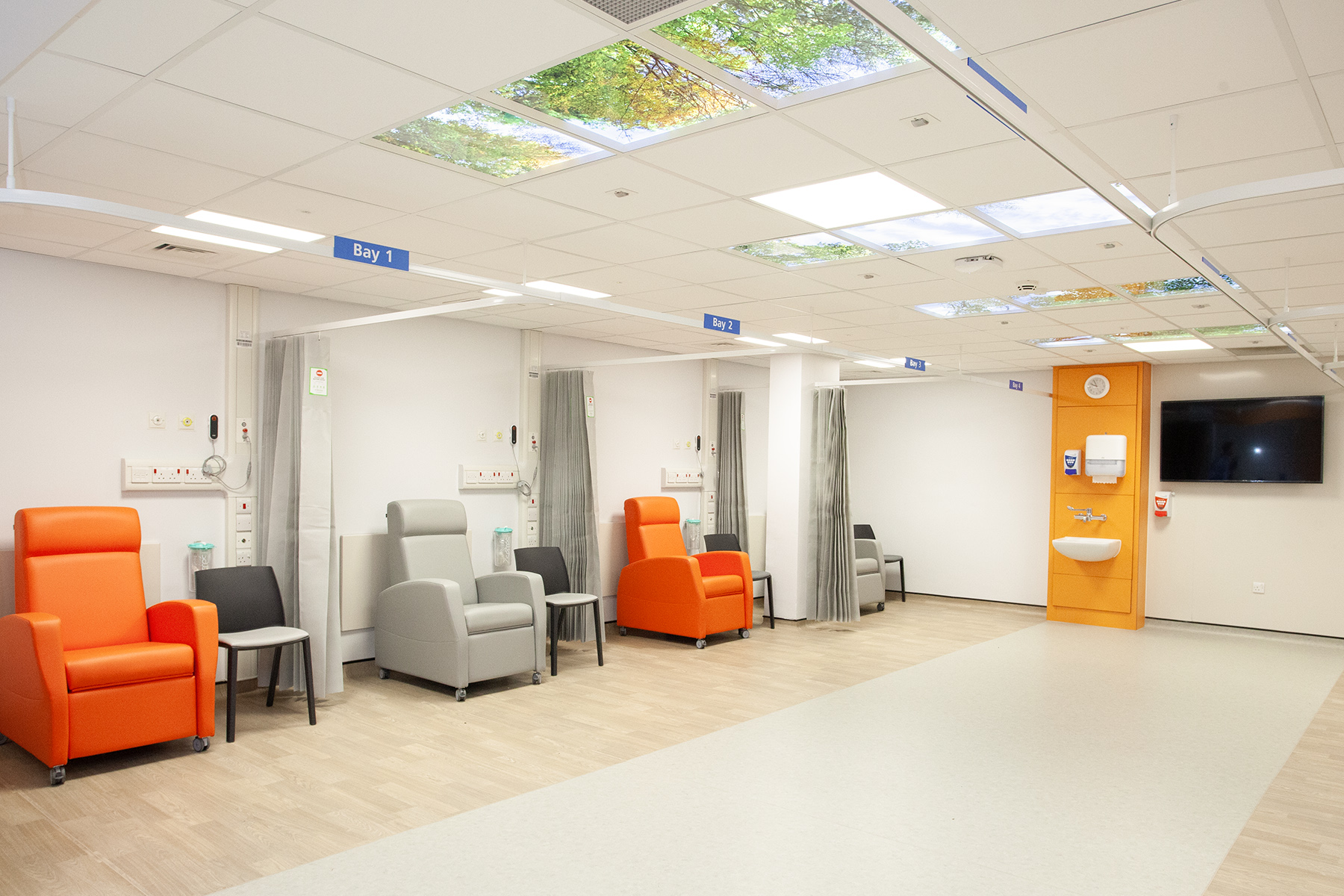
SDEC now brings together medical and surgical pathways, supporting timely assessment, diagnosis and treatment without the need for admission. The Minor Injuries service benefits from an improved clinical environment located close to its previous setting beside the Emergency Department. Bringing all urgent and emergency care services together in one area of the site supports smoother patient flow and more efficient service delivery.

The new areas include a dedicated ‘fit to sit’ treatment space, patient bays, and purpose-built consultation and treatment rooms. Both SDEC and Minor Injuries have their own waiting rooms, complete with reception areas and calming artwork to enhance the patient experience.
Dr Kirsty Edmondson-Jones, Director of Infrastructure, said: “This redevelopment has transformed the places in which our teams deliver emergency care. These improvements not only support safer and more efficient patient flow but also ensure that our patients receive high-quality care in areas designed to meet today’s clinical standards.”
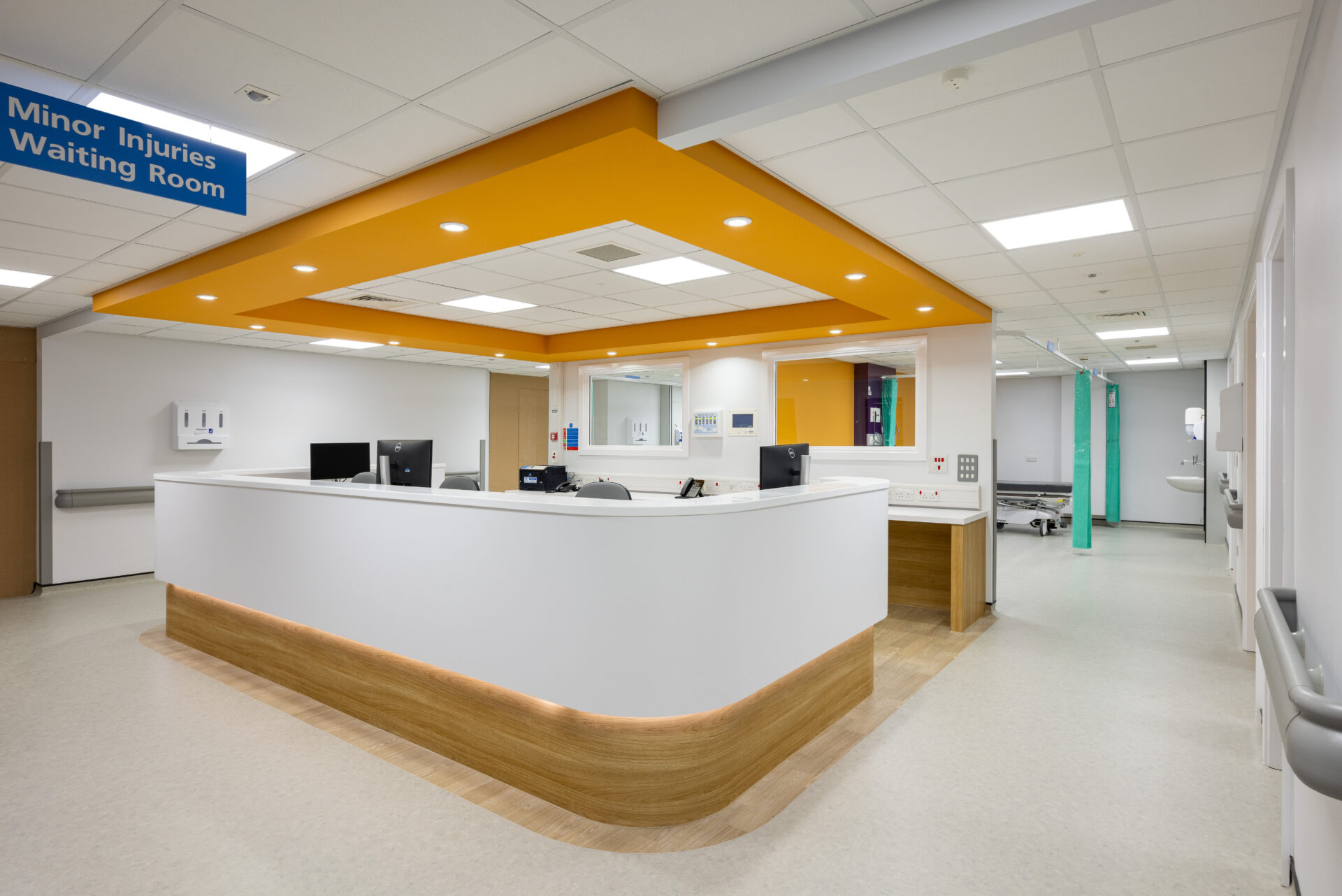
Located alongside the ED’s main entrance, the facilities allow clinical teams to triage and direct patients quickly to the most appropriate area. The wider redevelopment also accommodates the Emergency Department, resuscitation bays, a dedicated Children’s ED and the CAU, while the co-located AMU further supports patients requiring additional assessment before ward admission or specialist review.
Joanna Stedman, Divisional Nurse for Urgent and Emergency Care, said: “SDEC and Minor Injuries provide rapid assessment and treatment for a range of urgent conditions without the need for admission. Patients are triaged to the service based on their needs, with access through the Emergency Department entrance. The co-location of these services supports better patient flow and ensures people are seen in the most appropriate place for their care.”

With winter pressures building and forecasts predicting one of the most challenging flu seasons in recent years, residents are being encouraged to plan ahead and make informed choices when accessing care.
Many common illnesses can be managed safely at home. Keeping a well-stocked medicine cabinet with items such as paracetamol, rehydration solutions and a basic first-aid kit, can help treat minor ailments including diarrhoea, indigestion or vomiting. Pharmacies can support with seasonal illnesses such as colds and flu, as well as common conditions like uncomplicated urinary tract infections, acute ear infections or shingles. NHS 111 online or by phone can provide advice if you’re unsure where to go, and a dedicated minor eye injuries service is also available; details are on the Trust’s website. For dental pain, residents should contact NHS 111.
Jac Crossland, Matron for Urgent and Emergency Care and AMU at Bassetlaw, said: “The festive period is traditionally very busy for emergency services. Simple steps such as planning repeat prescriptions early, using NHS 111 online for advice and keeping essential medicines at home can help prevent unnecessary visits to the Emergency Department. Being prepared means our teams can focus on those who need us most.”
The SDEC service is open 8am to 8pm daily, with the Minor Injuries service available 9am to 9pm, with last admission at 8pm at Bassetlaw Hospital. Please note that the Minor Injuries Unit at Montagu Hospital is open every day except Christmas Day (25 December) and can only treat patients one year old or over.
Further information about urgent and emergency care options, along with details of the Trust’s ongoing improvements to patient care environments, is available on the DBTH website: www.dbth.nhs.uk
Content out of date? Information wrong or not clear enough? Report this page.