
Since its founding in the 1960s, DCDT has played an integral role in enhancing cancer care across Doncaster and Bassetlaw. Through tireless fundraising efforts and the unwavering generosity of local people, the charity has helped transform the diagnosis and treatment of cancer patients in our region.
In their final year as a registered charity, DCDT raised significant funds to purchase three cutting-edge ultrasound machines for the Trust. This includes a lung ultrasound machine, a breast ultrasound machine, and an advanced multi-purpose ultrasound device capable of performing transperineal, transrectal, abdominal and other small parts scans—equipment that is vital in the diagnosis and monitoring of cancer.
One of these new machines will support services at Bassetlaw Hospital, complementing a similar device previously donated to Doncaster Royal Infirmary. Crucially, the machine will aid in the diagnosis of prostate cancer, now the most commonly diagnosed cancer in the UK.
While DCDT is closing its doors, its mission is far from over. A dedicated fund has now been established within the Doncaster and Bassetlaw Teaching Hospitals Charity. This ring-fenced fund will continue to raise money specifically for cancer detection, equipment, treatment and innovation—ensuring that DCDT’s vision and impact carry on long into the future.
Richard Parker OBE, Chief Executive at DBTH, said: “Doncaster Cancer Detection Trust has been an incredible force for good in our community. Their legacy lives on, not just in the equipment and buildings they’ve helped fund, but in the lives they’ve touched and the hope they’ve brought to so many families.
“We are honoured to continue their mission through a dedicated fund established as part of our hospitals’ charity, and we thank every supporter who has contributed over the years and will continue to do so in the future.”
Over the decades, DCDT has supported many landmark projects, including the funding of the original scanner unit at Doncaster Royal Infirmary in the 1970s, The Jeannette Fish CT Suite, and countless other advances in cancer care.
As DCDT formally ceases operations, DBTH Charity is committed to upholding its legacy, continuing to fundraise for life-saving equipment and services that support cancer patients across Doncaster, Bassetlaw, and beyond.

Content out of date? Information wrong or not clear enough? Report this page.
Last year’s campaign saw the exteriors of all three hospital sites, Doncaster Royal Infirmary (DRI), Bassetlaw Hospital, and Montagu Hospital, sparkling over the Christmas period with 24 festive and dazzling stars.
Since its launch in 2020, the campaign has raised tens of thousands of pounds thanks to local businesses, schools and families, with last year’s campaign raising a grand total of £15,200 in star sponsorship.
Suzy Brain England OBE, Chair of the Board at DBTH, said: “Our Shining Stars has become a special tradition for our hospitals and communities.
“Every star represents a memory, festive cheer and the generosity of our supporters, whose contributions help us go ‘above and beyond’ for our patients and colleagues.
“I’m pleased to see the campaign grow even further this year, reaching into Bawtry for the first time, and I’m looking forward to seeing the stars shining across our sites once again.”
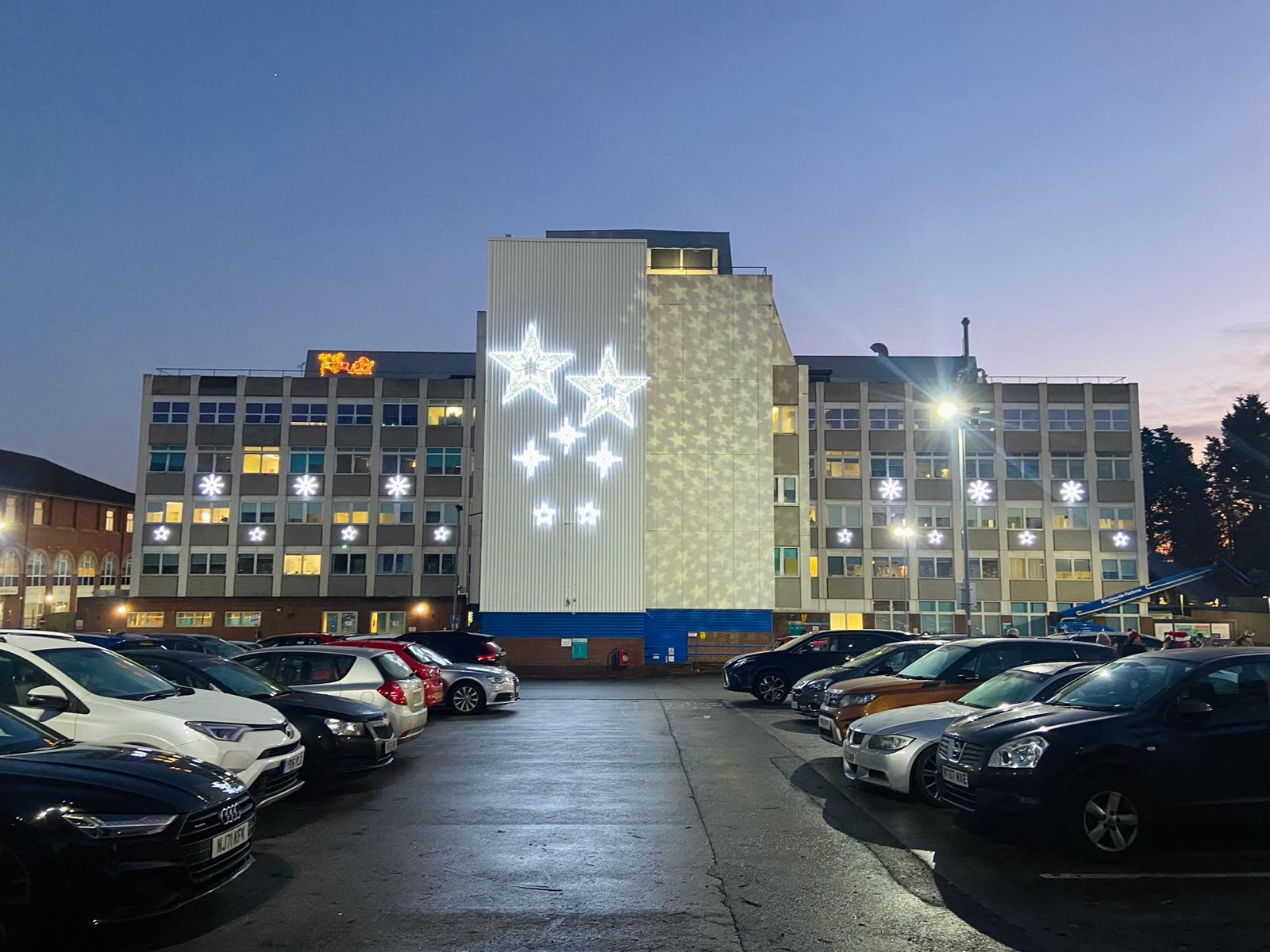
All funds raised are devoted to enhancing patient care, supporting families and uplifting hospital staff through projects beyond NHS provisions.
A highlight of 2024 was the debut of a roving star. Thanks to First Group, one star was mounted on a participating bus, making a mobile statement of solidarity and support.
DBTH Charity is proud to announce their largest star offering to date, with 58 stars available for sponsorship across DRI, Bassetlaw Hospital and at a brand-new location, Bawtry.
Sarah Dunning, Fundraising Manager for DBTH Charity, said: “We’re really excited that for the first time we’ll be taking our stars outside of the hospital grounds, working in partnership with Visit Bawtry and Ziniz Restaurant.
“This is going to be an amazing opportunity and we’ll be working with retailers throughout the month to help raise vital funds for DBTH Charity with a host of fundraising activities, including attending Bawtry’s famous Christmas Light Switch on event on Sunday 30 November.”
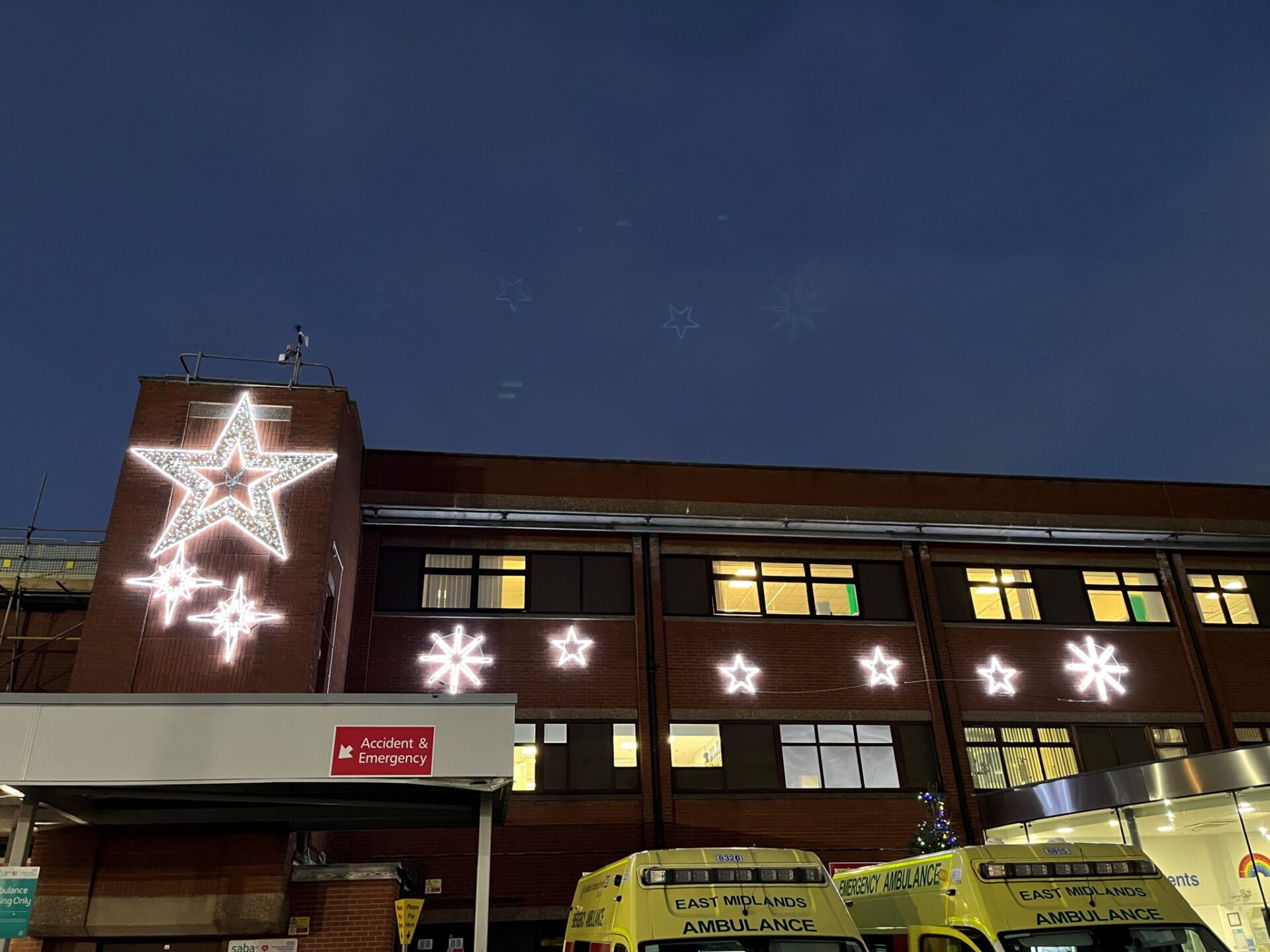
Each site will have a dedicated switch-on event: DRI and Bassetlaw Hospital stars will switch-on on Friday 28 November and Bawtry stars will start shining on Saturday 29 November.
The charity will also be hosting a festive Christmas fair at Bawtry New Hall on 29 December earlier in the day before the switch-on.
Sponsorship packages for stars range from £300 to £2,000, with all funds being reinvested into projects at the Trust which improve patient experience.
Ross Jarvie, Chairman at Visit Bawtry (Bawtry Retail Association), said “We are delighted to be part of the ‘Our Shining Stars’ campaign. This gives us an opportunity to combine two of our favourite things: supporting local charities and Christmas!
“We are grateful to the Calzini family for giving us their building frontage. Bawtry is the perfect place for festive shopping and drinks. We look forward to seeing you.”
To apply for a stall at the Bawtry Christmas Fair, please email the charity on dbth.charity@nhs.net. The fair is almost at capacity, so don’t wait to secure your place!
To sponsor a star, visit: https://dbthcharity.co.uk/our-shining-stars-2025/
About DBTH Charity:
Doncaster & Bassetlaw Teaching Hospitals’ Charity is the official charity which supports Doncaster and Bassetlaw Teaching Hospitals Trust to go above and beyond by providing additional equipment, services and amenities for our patients, visitors and staff which cannot be funded by the NHS alone.
These additional extras would not be possible without the support of our community. With your help, we can continue to work with our Trust to fund innovative and exciting projects that make a difference to our patients, their families and our colleagues who care for them.
Visit the charity website to find out more: https://dbthcharity.co.uk/
Content out of date? Information wrong or not clear enough? Report this page.
David Bottomley, who played for Doncaster Dragons RUFC, was diagnosed with bowel cancer at the age of 69.
Following major surgery and the life-changing experience of living with a colostomy bag, David found himself struggling physically and mentally, until he joined Active Together Doncaster, a fitness, nutrition and wellbeing service funded by Yorkshire Cancer Research and designed by Sheffield Hallam University’s Advanced Wellbeing Research Centre, delivered in partnership with Doncaster and Bassetlaw Teaching Hospitals (DBTH).

David said: “Before my diagnosis, an injury had affected my ability to be active, and I’d started to put on weight. The less I did, the harder it became to rekindle my interest in exercise and sport. It was a vicious cycle and my fitness and health deteriorated.
“Then I was diagnosed with bowel cancer and needed major surgery. I was suddenly faced with new challenges. But during this process I was introduced to the wonderful people at Yorkshire Cancer Research’s Active Together service in Doncaster.
“The Active Together team helped me get moving again. The sessions gave me energy, strength and a sense of purpose. I move much more effectively whilst doing everyday tasks and I’m now able to take my dog on long walks.
“I feel energised, the strength I lost is returning and people are starting to remark on how well I look. This is great motivation, and I am now training at home doing the exercises I learned in my Active Together sessions.”

Since launching in August 2024, Active Together Doncaster has helped 221 people prepare for and recover from cancer treatment. The service is underpinned by well-established scientific evidence showing that exercise can increase survival, improve recovery from treatment and reduce the risk of cancer returning.
The programme offers both prehabilitation (support before treatment, helping people build strength, improve fitness and enhance mental wellbeing before surgery or chemotherapy) and rehabilitation (support after treatment to aid recovery and reduce the risk of cancer returning).
John Brinkley, Physiotherapy Manager at Montagu Hospital, said: “Prehabilitation helps ensure patients are in the best possible condition before vital cancer treatments or surgery. Not only does prehabilitation help patients prepare well for treatments, it can also reduce complications, shorten recovery times and improve quality of life. We’ve seen firsthand how this approach can make a meaningful difference for people going through a very challenging time.”
David shared his experience during a visit from Sally Jameson, MP for Doncaster Central, who praised the programme and echoed Yorkshire Cancer Research’s call for exercise to be included in the Government’s upcoming National Cancer Plan.

Yorkshire Cancer Research’s White Rose campaign is calling for exercise to be prescribed by the NHS for everyone with cancer, no matter who they are or where they live. The charity’s vision is for services like Active Together to be available across the UK, helping people live longer, healthier lives.
Sally Jameson MP said: “Active Together is a powerful example of how a community-based exercise treatment service can help people throughout their cancer experience, from diagnosis to recovery.
“It was great to meet David and hear how Active Together has supported his recovery from cancer treatment. The National Cancer Plan must take bold, decisive action and ensure that, wherever people live, they can benefit from the life-saving potential of exercise before, during and after treatment.”
To pledge support for Yorkshire Cancer Research’s call for exercise to be introduced for everyone following a cancer diagnosis, visit Stand With Yorkshire – Yorkshire Cancer Research.
Content out of date? Information wrong or not clear enough? Report this page.
In August 2024, Stuart McCluskie, an Army Reserves Recruiter and keen runner, spent nine days in the Intensive Care Unit (ICU) at Bassetlaw Hospital.
The 50-year-old, who was in training for a 100-mile ultra marathon, battled pneumonia so severe he was almost placed in a coma but described feeling ‘like a fraud’ when he was admitted to the unit.
Stuart said: “I felt like I didn’t need to be there. I almost felt like a fraud, and it was only about three months after discharge that I realised how severe my case was.”
“The nurses informed my loved ones that I was incredibly fortunate to still be here.”
While the cause of his pneumonia remains unknown, it was the team’s rapid response that saved Stuart’s life.
Stuart said: “The team were nothing short of outstanding and very professional. They put up with me pestering them about when I could start running again.”
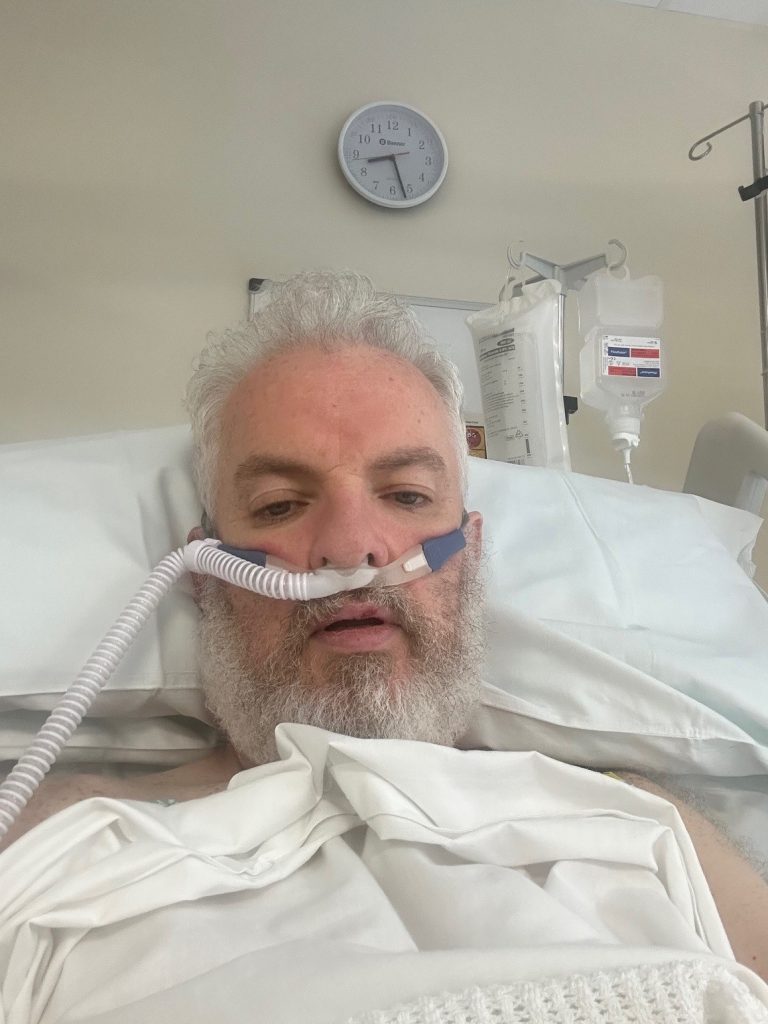
Following his discharge at the start of September, Stuart realised it was going to take time and patience to return to his usual level of activity.
He said: “On day one from my release from hospital, I set the goal of walking to the bottom of the garden and back, around 30 metres. Little did I know how much my body had endured and it took me 20 minutes to recover.”
Stuart continued this circuit every day for ten days, slowly upping the distance each time.
He said: “I struggled in the early days. With me being bedbound for nearly two weeks I didn’t realise how much my muscles had wasted away.”
Just four months after leaving the hospital, Stuart completed his first half marathon.
He said: “My goal was to make it round in one piece. This was my slowest half marathon, but it remains the most important I’ve ever completed.”
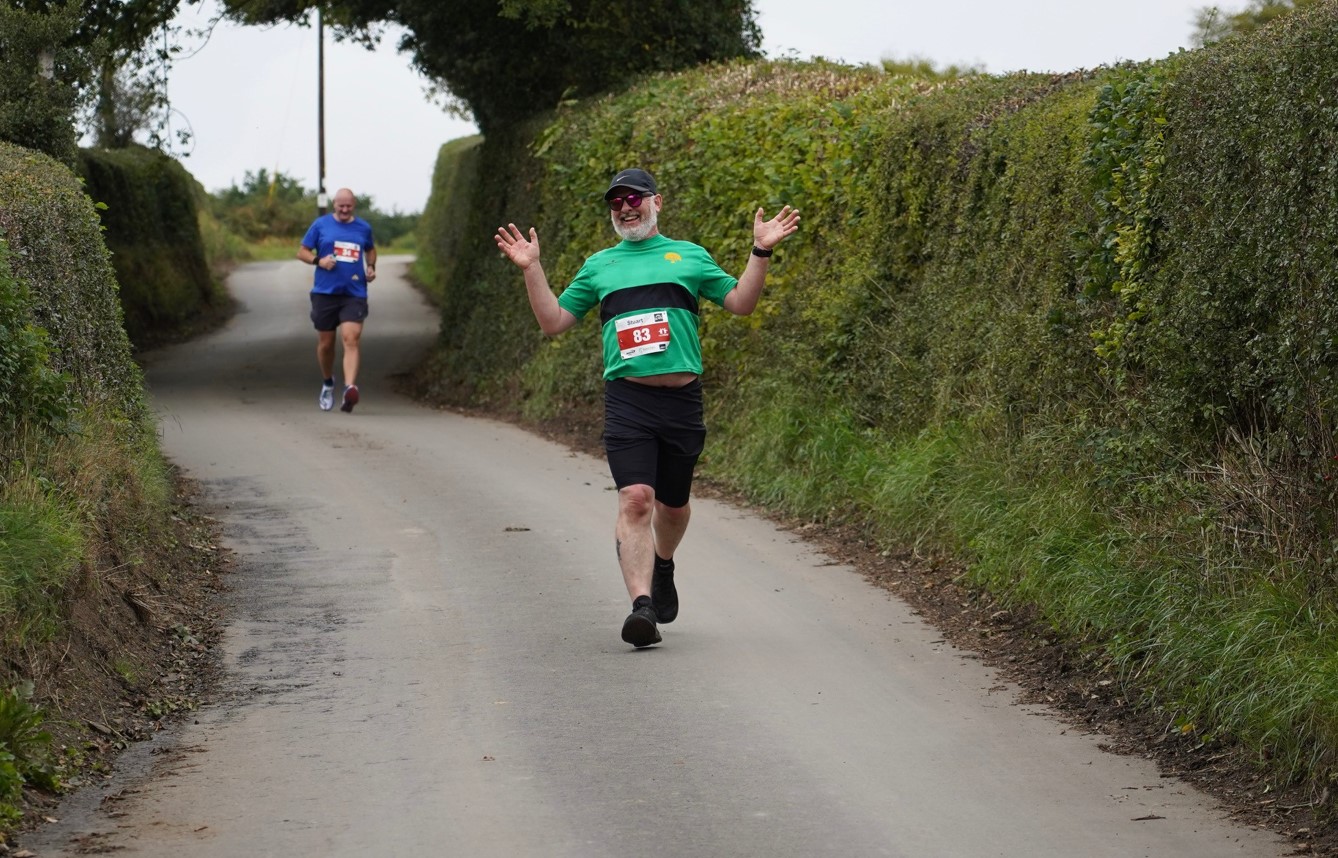
Since then, Stuart has completed a multitude of endurance events to build up to this milestone challenge, including several half marathons and an overnight endurance event.
Now, almost exactly a year on, Stuart is preparing to take on the Rotherham Round Ultra, a gruelling 50-mile race around the boundary of Rotherham.
Having clocked up months of training sessions and races, with trusty running partner Diesel the Dalmatian, Stuart is excited to take on the challenge.
He said: “The main thing I am looking forward to is the sense of achievement.”
The ultra marathon marks not only a personal triumph but also a heartfelt thank you to the hospital team who cared for him.
Stuart has already returned to ICU several times to share his story with staff – and even to deliver gifts of Tunnocks Teacakes, which became a running joke during his stay.
He said: “The whole year has been very emotional. This is a fitting way for me to say I’ve overcome pneumonia.”
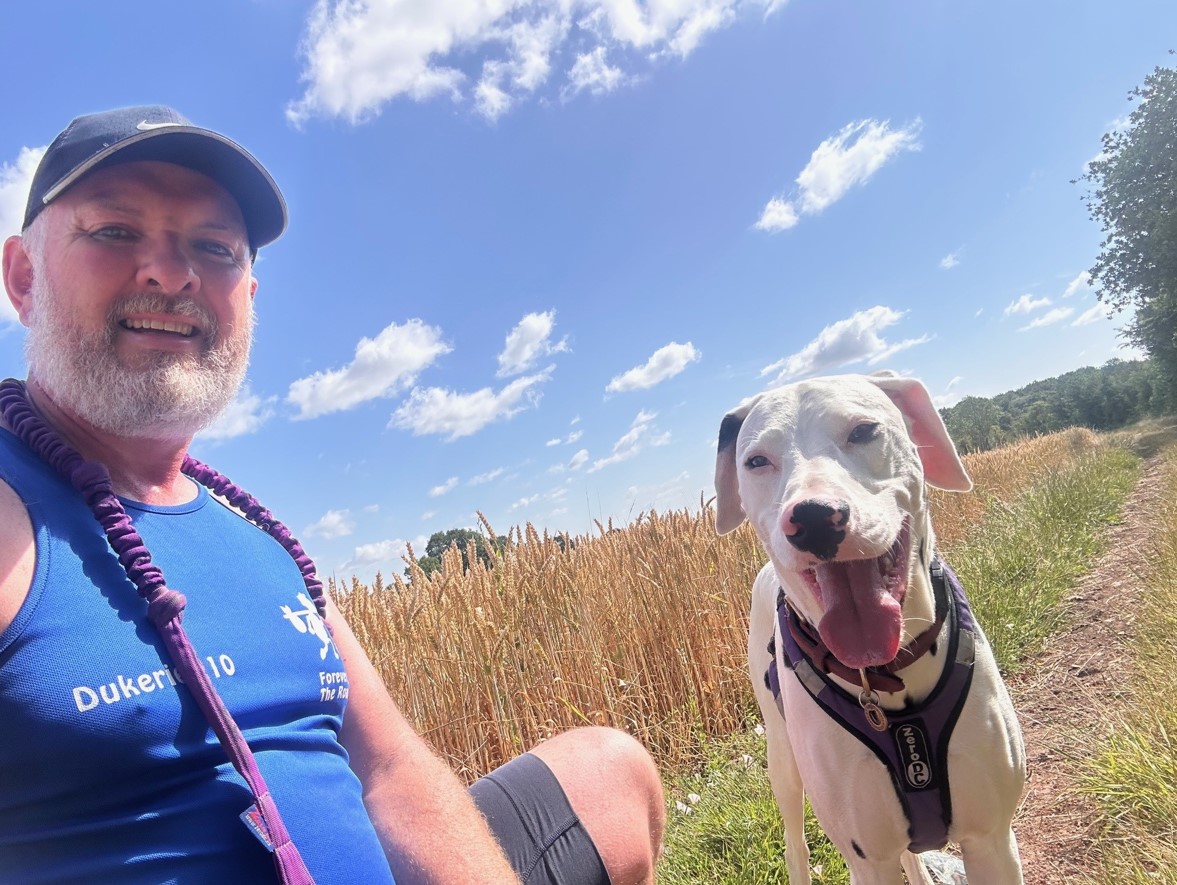
Stuart is raising funds through his JustGiving page for Doncaster and Bassetlaw Teaching Hospitals (DBTH) Charity, and specifically the team at Bassetlaw Hospital ICU.
He said: “The funds raised will significantly contribute to the welfare of patients who find themselves in need of care during their most vulnerable moments.
“Together, we can ensure that others receive the same level of compassionate care that helped me on my journey to recovery.”
You can support Stuart here: www.justgiving.com/page/stuart-mccluskie-5
About DBTH Charity:
Doncaster & Bassetlaw Teaching Hospitals’ Charity is the official charity which supports Doncaster and Bassetlaw Teaching Hospitals Trust to go above and beyond by providing additional equipment, services and amenities for our patients, visitors and staff which cannot be funded by the NHS alone.
These additional extras would not be possible without the support of our community. With your help, we can continue to work with our Trust to fund innovative and exciting projects that make a difference to our patients, their families and our colleagues who care for them.
Visit the charity website to find out more: https://dbthcharity.co.uk/
Content out of date? Information wrong or not clear enough? Report this page.
The appointment was formally announced at the Trust’s Annual Members Meeting, held at Doncaster Royal Infirmary in late September.
Mark will take up the position in January 2026, following the completion of Suzy Brain England OBE’s final term of office at the end of 2025.
The Chair plays a vital role in leading the Board, ensuring it sets the organisation’s overall strategy, holds the executive team to account and acts in the best interests of patients and local communities. The Chair also works closely with the Council of Governors, representing the views of members and the public, and ensuring that the organisation remains open, transparent and focused on delivering high-quality care.
Mark has been a Non-Executive Director at DBTH since 2020. During this time, he has led Board Committees covering Charity, People, Finance and Performance and also operated as the Chair of Doncaster and Bassetlaw Health Services Ltd, providing oversight and guidance on key areas of the organisation’s work.
He also serves as a Non-Executive at the Derbyshire Community Health Services NHS Foundation Trust, Chair of the NHS Retirement Fellowship Charity and a trustee at Ashgate Hospice on a voluntary basis.
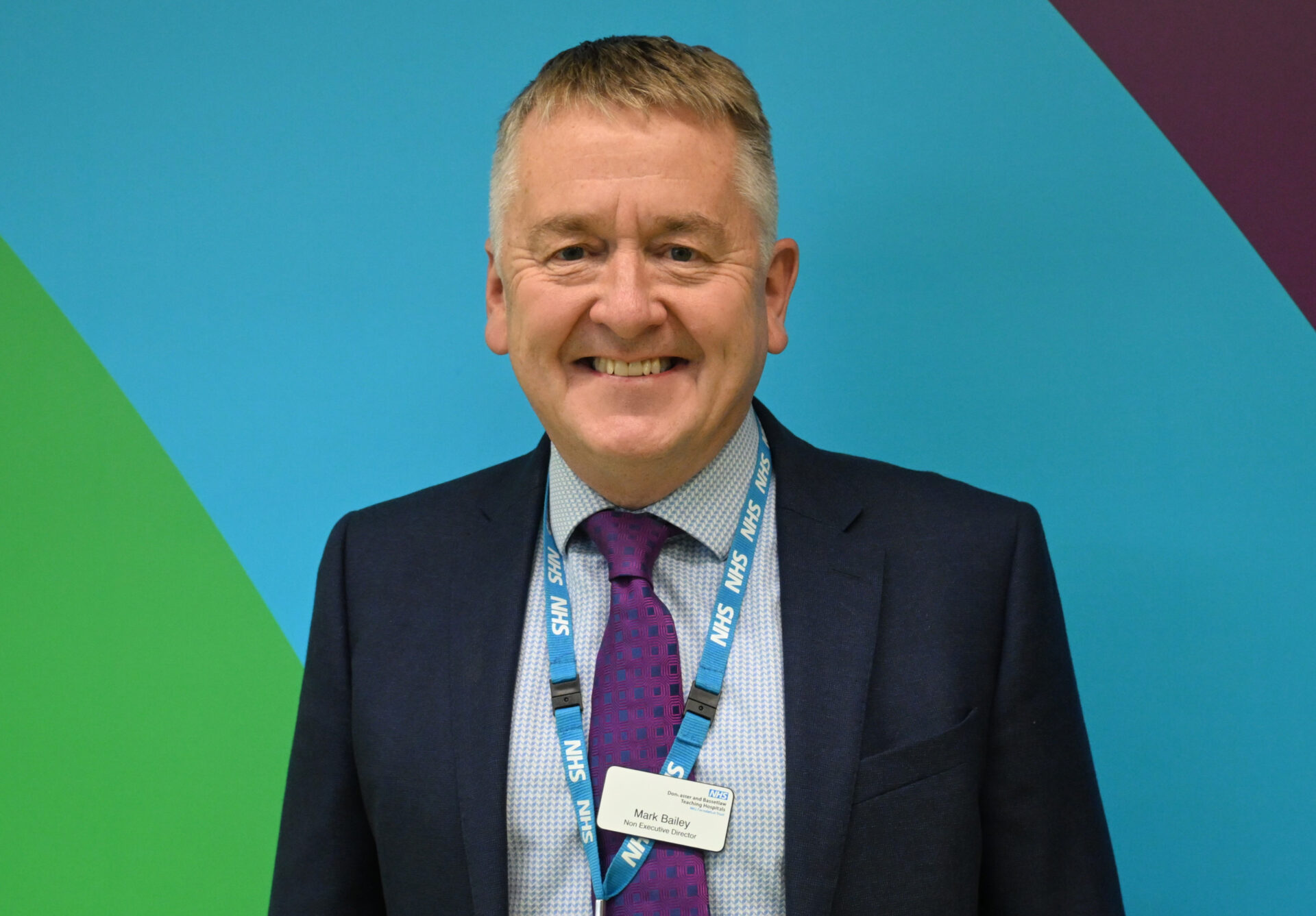
Mark brings three decades of business experience from a career in the aviation and power generation sector at FTSE 100 company Rolls-Royce plc where he held a range of customer facing leadership positions, including Group Director for Customers and Services.
With a background in engineering and manufacturing, Mark has developed expertise in strategic partnerships, business growth and customer service transformation. He has led on the implementation of digital and preventative analytics in safety critical environments – an area of growing importance as DBTH continues to modernise the way it uses technology in patient care.
Originally from Armthorpe, Doncaster, Mark now lives with his family in Ashbourne, on the edge of the Peak District in Derbyshire.
Richard Parker OBE, Chief Executive at DBTH, said: “We are very pleased to welcome Mark as Interim Chair. He has been an active and valued member of the Board since 2020 and brings with him a wealth of experience from both the private and public sectors.
“I look forward to working closely with him as we strive to deliver high-quality care for our patients and communities.”
Mark Bailey said: “My professional career has been very much about customer service; bringing people and technology together to deliver outcomes that matter to us all every day. At such at this important time for the NHS locally and nationally it is a great privilege to now have this opportunity to serve DBTH as Interim Chair.
“This Trust means a great deal to me personally. My brother was born at Doncaster Royal Infirmary, both of my late parents were cared for here, and two of my nieces have had children at Bassetlaw Hospital. As a young boy I myself had a pretty long stay at the Doncaster Royal Infirmary after surgery – so I know first-hand the critical role the skills and dedication to care of our teams has on the lives of local people and their families.
“I am excited about what lies ahead as we build on our new strategy and deliver key programmes such as the Electronic Patient Record and our ambitious capital developments. I look forward to working with colleagues and partners to make real progress for our patients and communities.”
“Finally, I want to thank Suzy for her outstanding leadership over the past nine years – she leaves a lasting legacy.”
Suzy Brain England OBE, who joined DBTH as Chair in 2016, will complete her final term of office at the end of 2025, officially stepping down on 31 December.
Content out of date? Information wrong or not clear enough? Report this page.
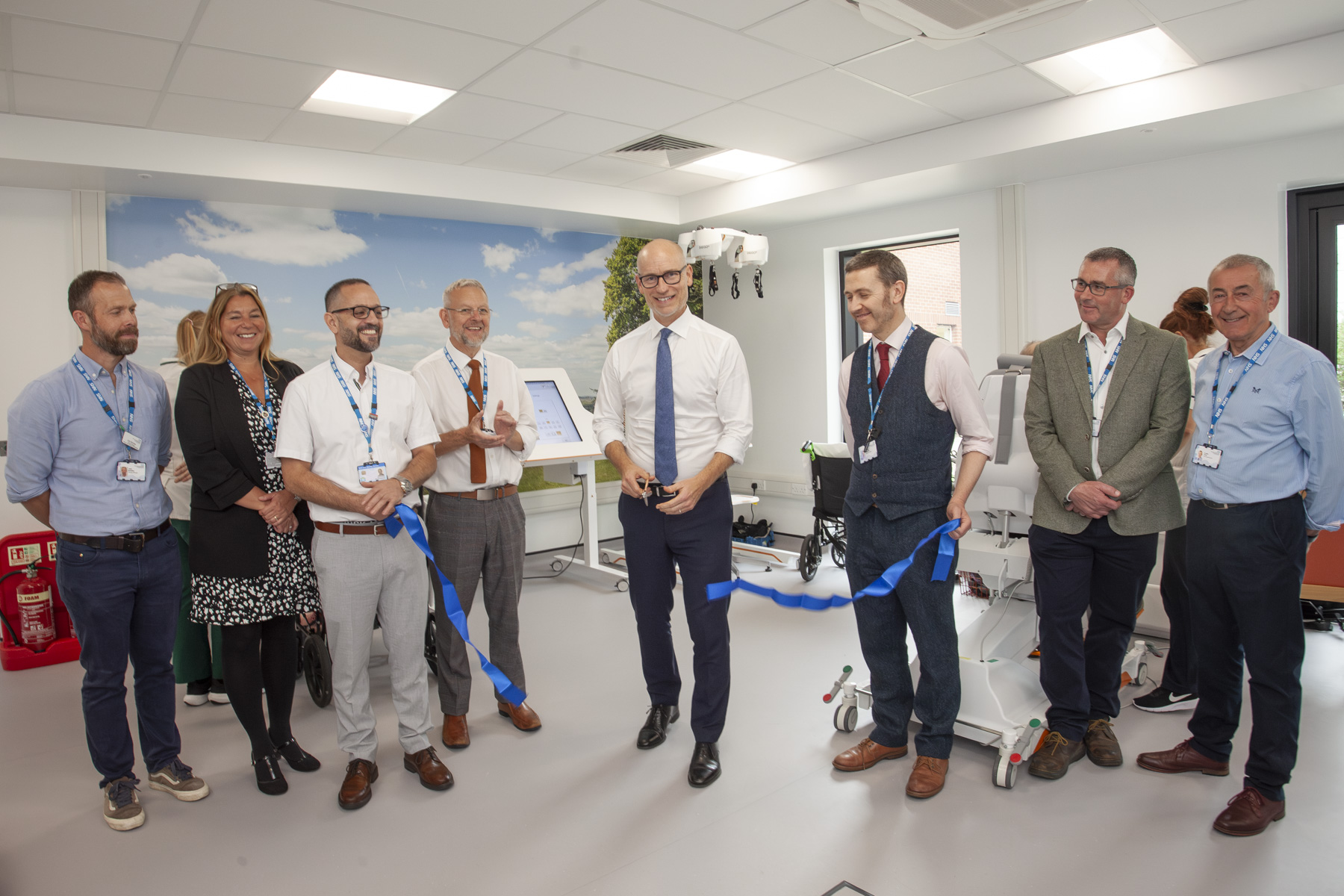
The Minister of State for Care, Stephen Kinnock MP, has visited Montagu Hospital in Mexborough to officially open the Phoenix Therapy Suite – the first NHS stroke rehabilitation facility of its kind in the country.
During the visit, the Minister was welcomed by senior leaders and clinicians from Doncaster and Bassetlaw Teaching Hospitals (DBTH), before touring the state-of-the-art centre. He observed a number of patients using the cutting-edge therapy systems and took the opportunity to try several of the devices himself, including balance and gait training machines designed to rebuild strength and coordination following stroke.
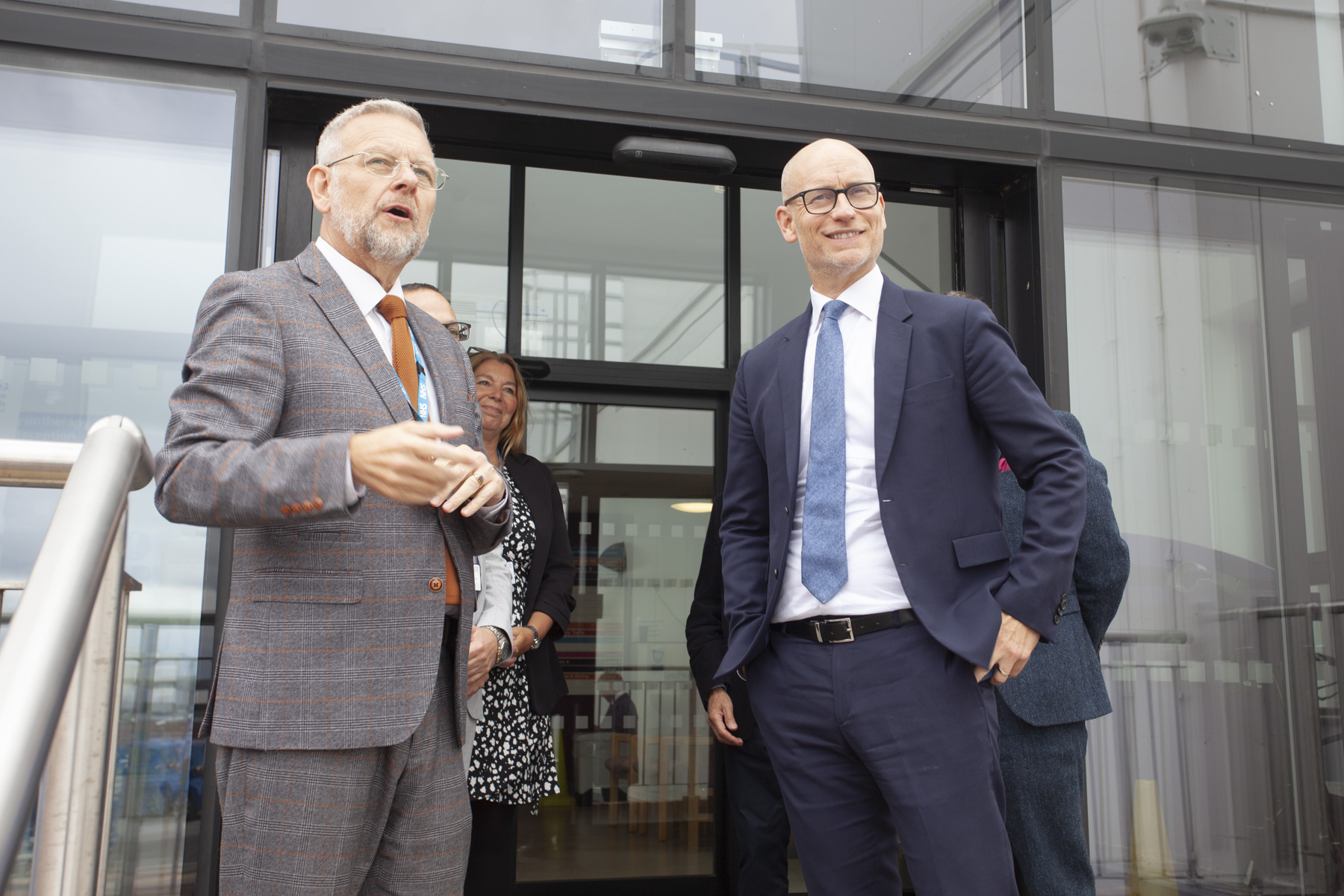
Based within the Fred and Ann Green Rehabilitation Centre, the Phoenix Therapy Suite is designed to accelerate stroke recovery by combining advanced robotics with gamified, interactive activities.
The facility brings together seven highly specialised devices which enable patients to complete hundreds of guided movements in each session – far more than is possible in conventional therapy – while keeping them motivated and engaged throughout their rehabilitation.
The equipment includes robotic gait trainers to help people relearn how to walk, leg trainers that rebuild strength and coordination using pressure sensors to track progress, and multi-purpose therapy stations that work on upper limb, trunk and postural control.
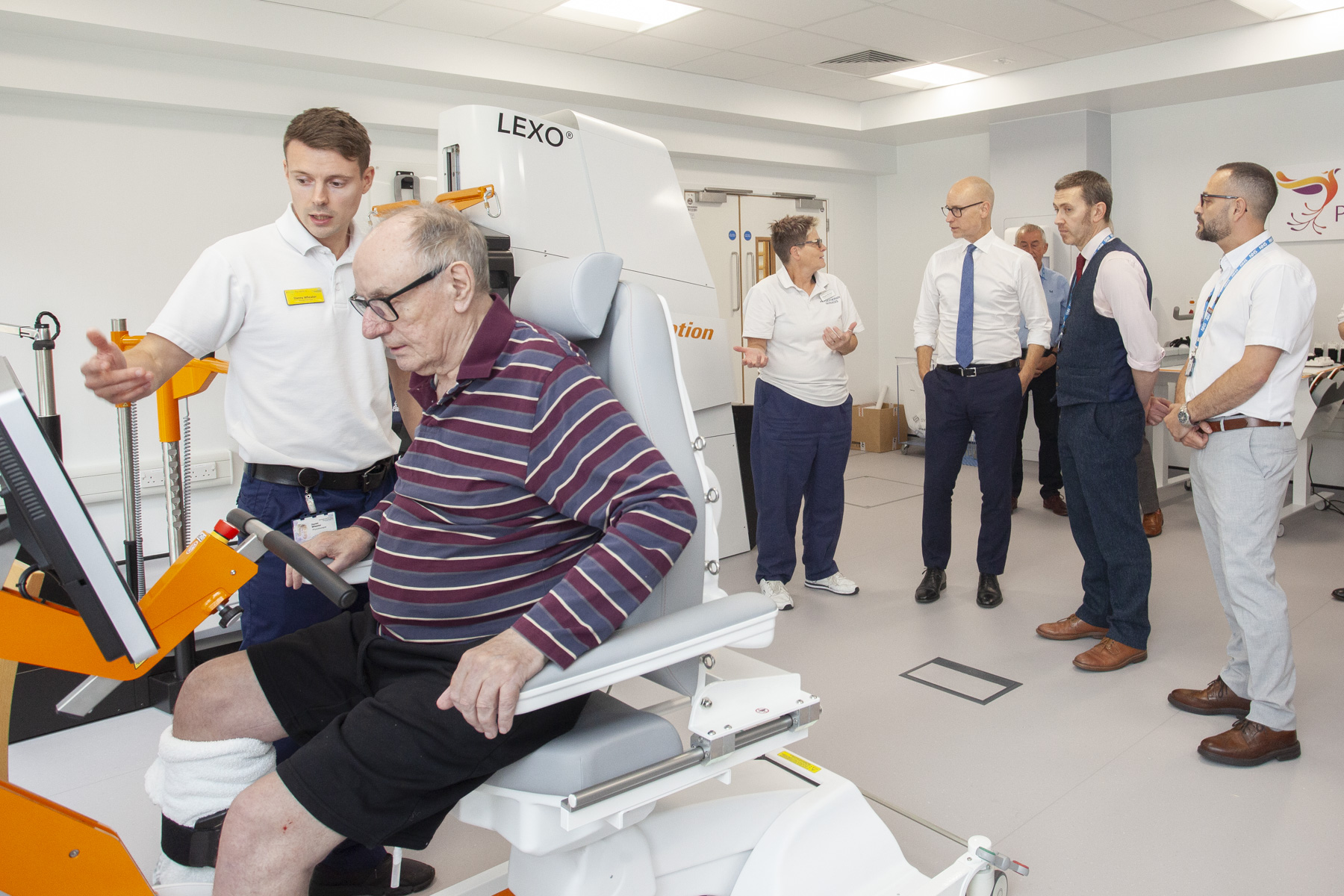
Other systems support arm movements using virtual reality, guide individual finger motions to restore grip and dexterity, provide cognitive rehabilitation through visual scanning and problem-solving tasks, and challenge balance and core stability while monitoring performance.
The development was supported by £1.3 million in capital funding and £580,000 from the Fred and Ann Green Legacy, with further contributions from DBTH Charity.
The suite opened earlier this summer and is already supporting patients from across South Yorkshire and North Nottinghamshire, helping them access therapies that were previously only available in private healthcare settings.

Dr Peter Anderton, Stroke Consultant at DBTH and project lead for the suite, said: “This facility is revolutionary for NHS stroke care. It gives our patients access to world-class robotic therapies that can transform recovery, helping people to regain movement, independence and confidence following a stroke.
It’s inspiring to see patients already benefitting – it’s a privilege to see people making progress every day.”
The Phoenix Therapy Suite is the latest in a series of major investments at Montagu Hospital, which has also seen the development of the Mexborough Elective Orthopaedic Centre of Excellence and a new Community Diagnostic Centre, as part of DBTH’s wider programme to modernise care and improve patient outcomes.
Content out of date? Information wrong or not clear enough? Report this page.
Flu can be serious during pregnancy, increasing the risk of complications and the chance of needing hospital care.
Having the flu jab not only protects the mother, but also passes on vital antibodies to the baby, giving them some protection for the first few months of life.
Katrina Taylor, Specialist Midwife for Public Health, said: “Flu is not just a bad cold; it can be dangerous during pregnancy. The flu jab is quick, safe and free, and it gives you the best protection against getting seriously ill.
“It also helps protect your newborn in those precious early months. Please don’t wait – speak to your midwife or doctor and get vaccinated as soon as you can.”
Dr Nick Mallaband, Acting Executive Medical Director at DBTH, added: “Getting vaccinated is one of the simplest and most effective things you can do to stay well during pregnancy. It lowers your risk of becoming seriously unwell and protects both you and your baby. We urge all expectant mums to take up this offer.”
Pregnant women can drop in for their free flu vaccination at the Antenatal Clinics at Doncaster or Bassetlaw Hospitals between 9am and 4pm, Monday to Friday.
Don’t wait – protect yourself and your baby. Get your flu jab today.

Content out of date? Information wrong or not clear enough? Report this page.
The Annual Members Meeting is an opportunity for colleagues, patients, members of the public and local stakeholders to learn more about Doncaster and Bassetlaw Teaching Hospitals and the work we do across our hospitals and services.
During the meeting, we presented our Annual Report and Accounts for 2024/25, reflect on our achievements, and shared our plans for the future.
Speakers included the Lead Governor, Chair of the Board, Chief Executive, and Chief Financial Officer.
Resources:
- Meeting papers
- Presentations
- Minutes from Annual Members Meeting 2024
- DBTH Annual Report and Accounts 2024/25
Submitted questions:
Question: In the past the Trust has relied on international recruits to fill vacancies, particularly in nursing – with recent changes – do you anticipate this to pose challenges to the Trust’s ability to recruit, and ultimately deliver care?
Answer: We do not anticipate continuing international recruitment at the same levels seen in recent years, and this is partly because our higher education institutions have been able to increase the numbers of learners who are now starting to qualify and join us as registered professionals.
This year, for example, more than 100 newly qualified nurses and midwives will join us.
We continue to work collaboratively across South Yorkshire, Nottinghamshire and more widely to review applicant numbers and offer as many opportunities for recruitment as possible, while remaining open to international recruitment again in the future if required.
Question: What are the plans to improve future recruitment of doctors to DBTH?
Answer: We are working closely with our deaneries to enhance and further develop our training programmes, making sure placements at DBTH are the best they can be. By giving learners a positive experience from the very start, we aim to encourage them to stay and build their careers with us.
The Trust also runs an active Certificate of Eligibility for Specialist Registration (CESR) programme, with output amongst the highest of any organisation nationally. This provides colleagues with a supported pathway to achieving specialist registration and long-term careers here.
We are placing particular focus on hard-to-reach specialties, with targeted advertising and tailored recruitment campaigns to attract the right people. More broadly, we are committed to improving our recruitment approach by listening to feedback and continuing to develop our offer.
Question: As it appears to be a trust in its minority with regards to being without a dedicated psycho oncological support service, I ask as follows. Does the trust feels that it should be doing more with regards to providing such support in the light of the absence of this, when compared with other neighbouring trusts in South , North and West Yorkshire, Humberside, Lincolnshire, Nottinghamshire and Derbyshire amongst others?
Answer: This subject has recently been reviewed by the Cancer Management Team (CMT), who have scoped provision across South Yorkshire and Bassetlaw (SYB) to understand the support available for patients.
At DBTH, we currently provide psycho-oncology support for cancer patients through AB Counselling.
This includes:
- Level 3 counselling
- Integrative psychotherapy (Level 4)
- Psychologist input
- Clinical supervision for all Cancer Nursing teams.
The scoping work has highlighted that access to level 4 psychotherapist support is limited across the region, with only one psychotherapist available within the service. This means that patient choice can be restricted, and DBTH is working with AB Counselling and partners across SYB to consider how this can be improved.
In addition, the Cancer Alliance has recently launched a patient web portal outlining psycho-social support across SYB, which DBTH has contributed to: https://sybshowsup.com/psycho-social-support/
Question: Has the re-opening of Doncaster Airport been reviewed for potential impact on Trust resources?
Answer: The Trust is aware of the plans to reopen Doncaster Airport in the coming years and has previous experience of the site being operational.
Our planning for the future takes into account a wide range of factors, both within the Trust and in collaboration with the wider Integrated Care System, to ensure any potential impacts are understood and managed ahead of time.
Question: In the light of recent advancements in the techniques available for the treatment of prostate cancer has the trust got any ambitions or plans for the introduction of such treatments. For example Hifu, Nano and cryo therapy.
Answer: The Trust does not currently have plans to introduce treatments such as High-Intensity Focused Ultrasound (HIFU), NanoKnife (irreversible electroporation) or cryotherapy. However, we are always exploring advancements in clinical practice and new technologies. For example, we have recently introduced robotic surgery, and we continue to review emerging innovations to ensure our patients benefit from safe, evidence-based developments in care.
Question: Does the Trust still plan to build a new hospital in Doncaster?
Answer: Unfortunately, Doncaster was not included in the Government’s New Hospital Programme.
Our focus has therefore pivoted to a phased refurbishment of Doncaster Royal Infirmary, with progress already underway. This includes the new Department of Critical Care and the recently opened Discharge Lounge, alongside ambitious plans for a new hospital block which we hope to progress in the near future.
These developments form part of our long-term ambition to ensure Doncaster has modern, fit-for-purpose hospital facilities.
Question: I would like to know what is being done to address bullying at DBTH? And has staff morale slipped in part due to a lack of full confidence in implementation of Freedom to Speak Up?
Answer: These are important questions, and require a considered response. The Trust takes allegations of bullying very seriously and fully recognises the impact that inappropriate behaviour can have on colleagues.
Bullying is not acceptable. We have clear policies and processes in place to investigate concerns and to provide support, and we expect everyone at DBTH to act in line with our values and the DBTH Way, alongside their professional responsibilities.
The most comprehensive measure of how colleagues feel is the annual national NHS Staff Survey. At DBTH we had a 62% response rate in the most recent survey (4,570 colleagues).
The results show:
- Instances of bullying and harassment from managers and colleagues were reported as lower than the national average.
- Colleagues feeling safe to Speak Up about concerns was rated higher than average.
- Willingness to report bullying, harassment or abuse scored slightly below average, which is an area we are determined to address.
- Encouragingly, the Trust scored higher than average on being “compassionate and inclusive,” colleagues feeling “each have a voice that counts,” and colleagues feeling “safe and healthy.”
- These results suggest a largely positive picture, however they also highlight that there is more to do.
Improving culture and ensuring colleagues feel safe and supported remain key priorities within our People Plan, which sets out several strategic workstreams:
Speaking Up:
- We welcome and encourage colleagues to raise concerns, with transparent processes in place and strong Board-level oversight.
In addition to operational leadership, there is a non-executive director lead role on Freedom to Speak Up (FTSU), as well as bi-annual reporting at the People Committee and Trust Board.
We have a Speaking Up strategic plan supported by a planning and reflection tool. Over the last year, we have: Increased the number of trained Speaking Up Champions across all sites; Expanded Guardian capacity within the service; Strengthened and clarified our processes.
Just Culture:
- We are embedding a person-centred approach that focuses on learning from situations and experiences, particularly in how employee relations matters are handled.
Staff Networks:
- Our networks have been strengthened this year with the introduction of executive sponsorship, providing safe spaces for colleagues to share experiences and raise issues.
We remain committed to our anti-racism work, which continues in collaboration with partners across Doncaster.
Finally, and additionally to the People Plan, we have locally implemented the national Sexual Safety Charter, supported by a working group.
This has included introducing a new policy, awareness campaigns and posters, and launching an online reporting tool to make it simpler and safer to raise concerns about behaviours.
Through these combined actions we are committed to building and sustaining a compassionate, inclusive culture where colleagues feel safe, supported, and confident to raise concerns. While our survey results show positive progress, we are not complacent.
We will continue to listen, learn and take action to address bullying, strengthen confidence in Speaking Up, and ensure DBTH is a place where colleagues feel valued and respected.

Content out of date? Information wrong or not clear enough? Report this page.
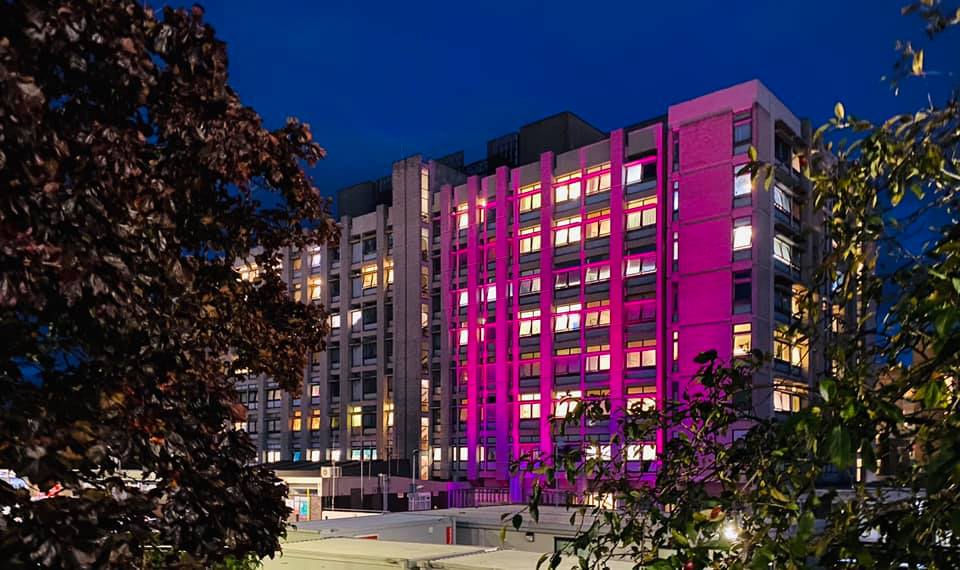
DBTH has joined councils, business, hospitals and community groups around the country in turning their buildings pink, symbolising the colour of the ‘Yes I Donate’ organ donation campaign, to inspire people to share with their families their decision to register as an organ donor.
Nationally, three people die each day, waiting for a life saving transplant. There are currently more than 8,000 people waiting for a transplant, and the list is the highest it has ever been, making it more imperative to raise awareness of organ donation and encourage families to have open-hearted discussions about their donation decision.
Jane Tute, Specialist Nurse in Organ Donation for NHS Blood and Transplant, said: “It was wonderful to see the pink lights shining across Doncaster and Bassetlaw Hospitals again this year.
“NHS Blood and Transplant are urging people to add their name to the register and we hope those who have seen the hospitals illuminated this week will reflect on their decision to donate.
“Families are more likely to support donation when they know their loved one’s decision, so have the ‘heart to heart’ with your loved ones today.”
The impact of your decision to become an organ donor can be phenomenal, with one donor potentially saving the lives of 9 people. In addition tissues such as skin, bone and heart valves can be donated to enhance the lives of others. Your decision to be a donor can even help to restore people’s sight with a corneal transplant, giving someone back the gift of sight.

Even though the law around organ donation has now changed to an ‘opt out’ system across England, Scotland and Wales, it’s important to remember that family members will still always be involved before organ donation goes ahead. This means it is just as important to register your decision on the NHS Organ Donor Register, ensuring your friends and family are aware of your decision.
At present, there are currently more than 30 million people in the UK who have registered their organ donation decision on the NHS Organ Donor Register, with more than 27 million of them explicitly agreeing to be an organ donor when they die. However, this still only represents around 44% of the UK population.
This week and beyond, the Trust encourages it’s patients, employees and wider community celebrate the gift of life, as every donation is precious and can make such a difference to the recipients and their loved ones.
Anthony Clarkson, Director of Organ and Tissue Donation and Transplantation for NHS Blood and Transplant said: “It’s brilliant of DBTH to show its support for Organ Donation Week. The modern organ donor card is pink, and it certainly gets conversations going.”
“We need people in South Yorkshire and North Nottinghamshire to not only talk to their families about organ donation, but to register their decision on the NHS Organ Donor Register. This could be the difference between life and death for someone else.”
Register your donation decision at www.organdonation.nhs.uk or using the NHS App, it only takes two minutes to confirm your decision and potentially save a life.
Content out of date? Information wrong or not clear enough? Report this page.
A series of practical improvements – including welcome booklets, bedside communication boards, daily 4pm huddles, child-friendly procedure guides, and clearer discharge information – are now in place to strengthen communication, provide reassurance, and make time in hospital less daunting for children and their carers.
These developments follow detailed feedback from patients, families, and colleagues, gathered through the NHS Staff Survey, the CQC Children and Young Person’s Survey, local patient experience reports, and day-to-day conversations on the wards.
Parents and carers told the paediatric team they value being heard, receiving clear and timely information, knowing who to approach with questions, and helping young patients feel prepared for what’s ahead.
Acting on this insight, the team worked together to design changes that directly respond to these priorities.
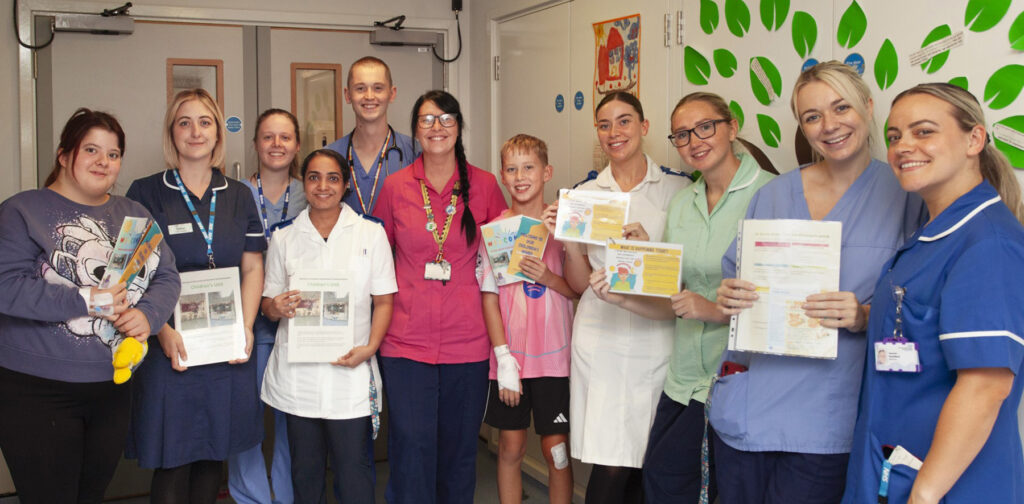
Families arriving on the wards will now receive age-appropriate welcome booklets for children, young people, and carers, setting out what to expect and how to settle in. At each bedside, a personal communication board offers a simple way to note down questions or updates ahead of ward rounds.
In addition a new daily 4pm huddle gives doctors and nurses a dedicated time to follow up on any concerns raised earlier in the day.
For young patients, visual procedure guides and medical role play kits help explain treatments in a clear, age-appropriate way. When it’s time to go home, updated discharge leaflets and checklists for parents, children, and young people make the process smoother and more reassuring.
Laura Churm, Divisional Nurse for Paediatrics, said: “We are committed to making sure every child, young person, and family receives the very best care and feels fully supported throughout their stay.
“These changes are directly shaped by what our patients, families, and colleagues have told us. By acting on this feedback, we can make improvements that really matter – and we will continue to adapt and refine as we go.”
Paediatric inpatient services at Doncaster Royal Infirmary and Bassetlaw Hospital are delivered by dedicated children’s care teams who work closely with families to provide safe, compassionate, and person-centred care.
These latest improvements are part of the Trust’s wider ambition to provide the best care environments – creating welcoming, supportive spaces where children, young people, and their families can feel confident, comfortable, and cared for at every stage of their hospital journey.
Content out of date? Information wrong or not clear enough? Report this page.