
The Phoenix Therapy Suite, based at Montagu Hospital within the Fred and Ann Green Rehabilitation Centre, offers state-of-the-art equipment designed to help stroke survivors regain independence and improve recovery.
Among the first to benefit from the equipment within the gym was patient Jeff Drabble, who has spent three weeks on the Stroke Rehabilitation ward. Jeff said: “My hand has become more controlled since using the hand trainer, and the leg trainer has given me the chance to feel what it’s like to be back on my feet. I’ve set myself the target of walking out of the ward unaided.”
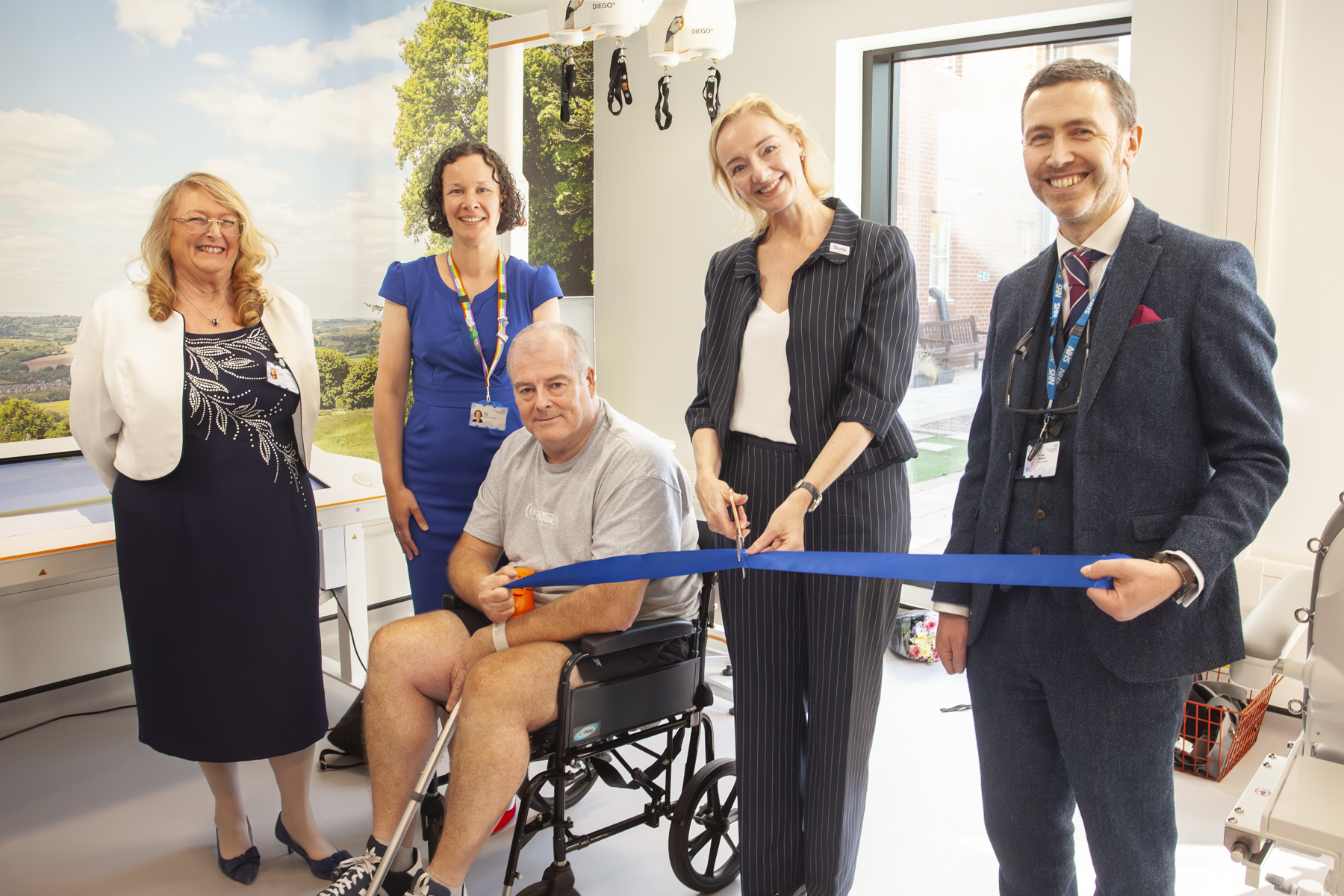
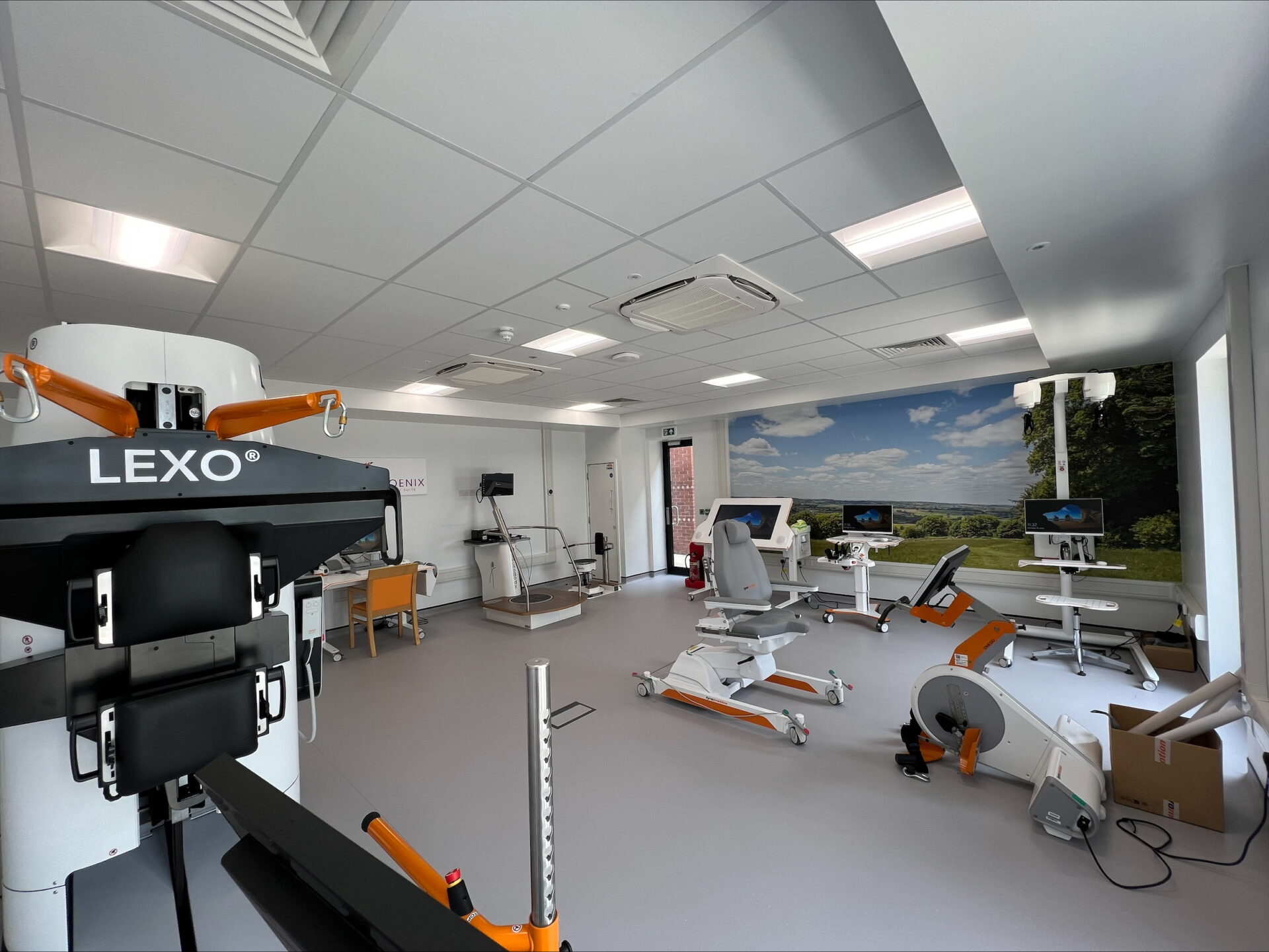
The suite includes advanced robotic and interactive devices which support walking, arm and hand movement, and cognitive function. Such technology, previously only available privately, allows patients to take part in personalised rehabilitation, while still working closely with specialist therapists.
Professor Deb Lowe, Medical Director of the Stroke Association, and Co-chair of the Stroke GIRFT programme, and an Honorary Professor of Stroke Medicine at the University of Central Lancashire, officially opened the facility.
Deb said: “The UK currently has 1.2 million stroke survivors, with numbers expected to almost double in the next decade. Facilities like the Phoenix Therapy Suite are game-changers – giving patients the chance not just to survive stroke, but to thrive and recover more fully.”
Also attending the ceremony were members of the Doncaster Stroke Group, which offers support and friendship to those affected by stroke in the local community. Chairperson Debbie Benson said: “This facility gives stroke survivors a chance to push their limits, regain their independence and look forward to a brighter future.”
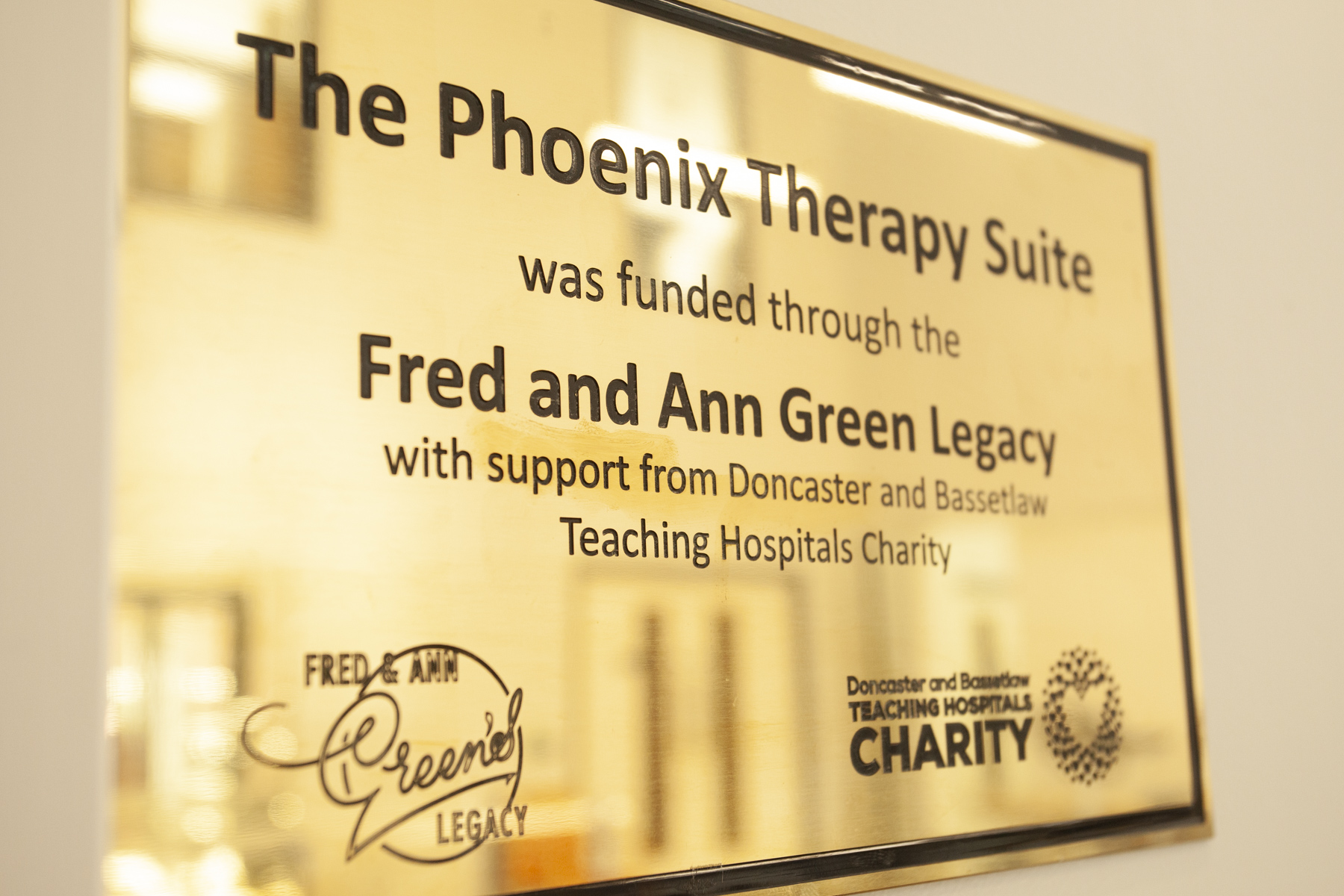
The new service was made possible thanks to the generosity of the late Fred and Ann Green, with the remainder of their legacy funds, and support from DBTH Charity, enabling the purchase of the equipment.
Zara Jones, Deputy Chief Executive at DBTH, said: “The Phoenix Therapy Suite is a perfect example of our new Trust strategy, Healthier Together, delivering exceptional care for all. It shows how technology can support recovery while empowering people to take control of their health and future.”
Looking ahead, the Trust plans to create a therapeutic garden adjacent to the suite, transforming a courtyard into a calm and restorative green space for patients. This will be enhanced by a garden room, so that the garden can be enjoyed year round.
Dr Peter Anderton, Stroke Consultant at DBTH, said: “There is strong evidence that time in green spaces benefits recovery. This garden will make the challenges of a prolonged hospital stay a little easier, and will be also be used in the rehabilitation of our Stroke survivors.”
To support the Phoenix Garden project, please visit: https://dbthcharity.co.uk/charity-gardens/#phoenix-garden
Content out of date? Information wrong or not clear enough? Report this page.
Feedback highlighted that patients felt supported and well-informed throughout their treatment. Almost all respondents said the advice from their main contact person was helpful, while the majority reported that their care plans were kept up-to-date.
Many also spoke positively about the information they were given on available support, and about how well the care team worked together. Privacy was rated particularly highly, especially when patients were receiving important test results.
Overall, respondents gave DBTH an average score of nine out of ten for the care they received and the service exceeded expected performance in a number of key areas, had no scores below the expected range, and achieved 80% or higher satisfaction in the majority of questions asked.

Lesley Barnett, Head of Cancer Services at DBTH, said: “We are really pleased with the results of this year’s survey, which reflect the dedication and compassion of our colleagues across cancer services. Knowing that patients feel supported, respected and cared for is so important to us, and we will continue working hard to build on this positive feedback and further improve the experience for everyone who comes through our care.”
Since the survey, a number of significant developments have been introduced to further enhance cancer care in the region. The Montagu Community Diagnostic Centre, a state-of-the-art facility offering CT, MRI, ultrasound, endoscopy, dermoscopy, liver screening and other diagnostic tests, is now fully operational. This means patients can access vital investigations more quickly and conveniently, closer to home.
Meanwhile, a newly opened pleural clinic at Doncaster Royal Infirmary offers a one‑stop outpatient service for diagnosing and treating pleural effusions. Supported by a generous donation from the Doncaster Cancer Detection Trust, it streamlines care for affected patients and reduces the need for hospital admission.
Karen Jessop, Chief Nurse at DBTH, added: “These results highlight the dedication and compassion of our teams. We know every patient’s journey is unique and often deeply emotional, so it’s reassuring to see that our care is making a real difference. Patients consistently tell us they feel listened to and supported, which is exactly what we strive for. This also reflects our ambition to provide the best possible care environments, where treatment is delivered in settings that truly support wellbeing.”
Doncaster and Bassetlaw Teaching Hospitals is one of the region’s largest providers of hospital care, serving a population of more than 440,000 across Doncaster, Worksop and surrounding areas. The Trust runs Doncaster Royal Infirmary, Bassetlaw Hospital and Montagu Hospital, with over 7,000 colleagues working across its sites.
Content out of date? Information wrong or not clear enough? Report this page.
If you need to contact the team during this time, please use one of the following numbers:
- 07483 985107
- 07483 985210
Thank you for your understanding while we complete this important work.
Content out of date? Information wrong or not clear enough? Report this page.
Donors included Doncaster and Bassetlaw Teaching Hospitals (DBTH) Charity, Brookfield Retail LTD (through the NISA Making a Difference Locally awards), South Yorkshire Careers Hub and the East Midlands Careers Hub.
The event also received support with merchandise from North Notts College and Doncaster College.
Now in its seventh year, the ‘We Care into the Future’ careers events introduce students to diverse roles in health and social care available within the NHS and beyond.
Kieran Loftus, Strategic Hub Lead for South Yorkshire Careers Hub, said: “We’re delighted to partner with DBTH to help young people explore a future career in healthcare – a massive employer in the region.
“We Care into the Future is a fantastic event featuring so many key healthcare roles and bringing them to life to inspire the next generation.”
“I’d encourage anyone wanting to support young people, or the future of the health and care sector, to consider donating.”
Hosted annually in Worksop and Doncaster, the event welcomed nearly 2,000 students from schools across the region this year – the highest number of attendees to date.
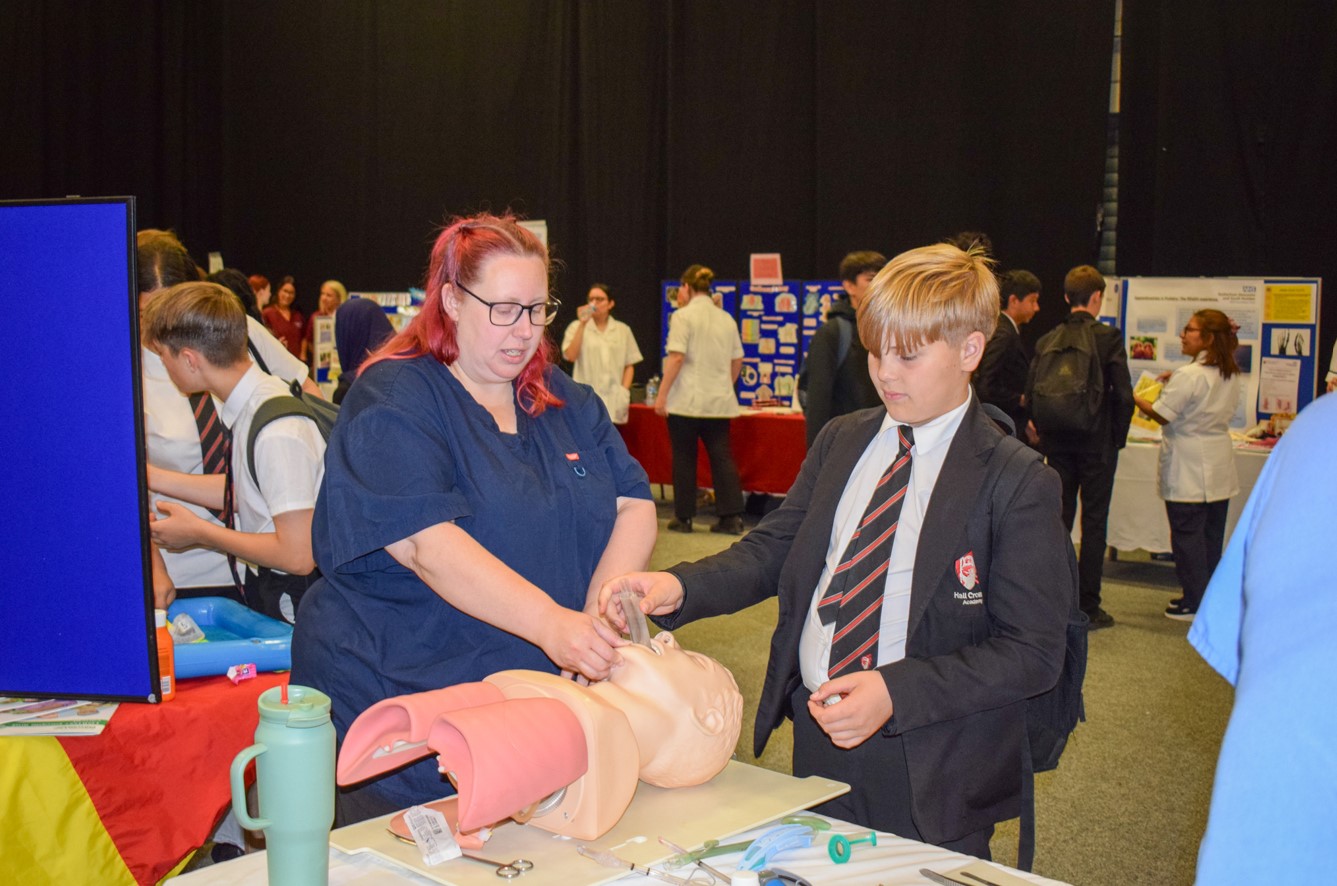
Professor Sam Debbage, Director of Education and Research at Doncaster and Bassetlaw Teaching Hospitals (DBTH) Trust, said: “For many students, the We Care into the Future events can be the starting point of a whole career.
“Having those conversations early with the right people can really help our young people start to envision their future, and where they see themselves fitting in. At these events, we get to showcase the fantastic opportunities within the Trust and discuss the journey into these roles.”
Several new schools took part in this year’s events, with many already planning to return next year.
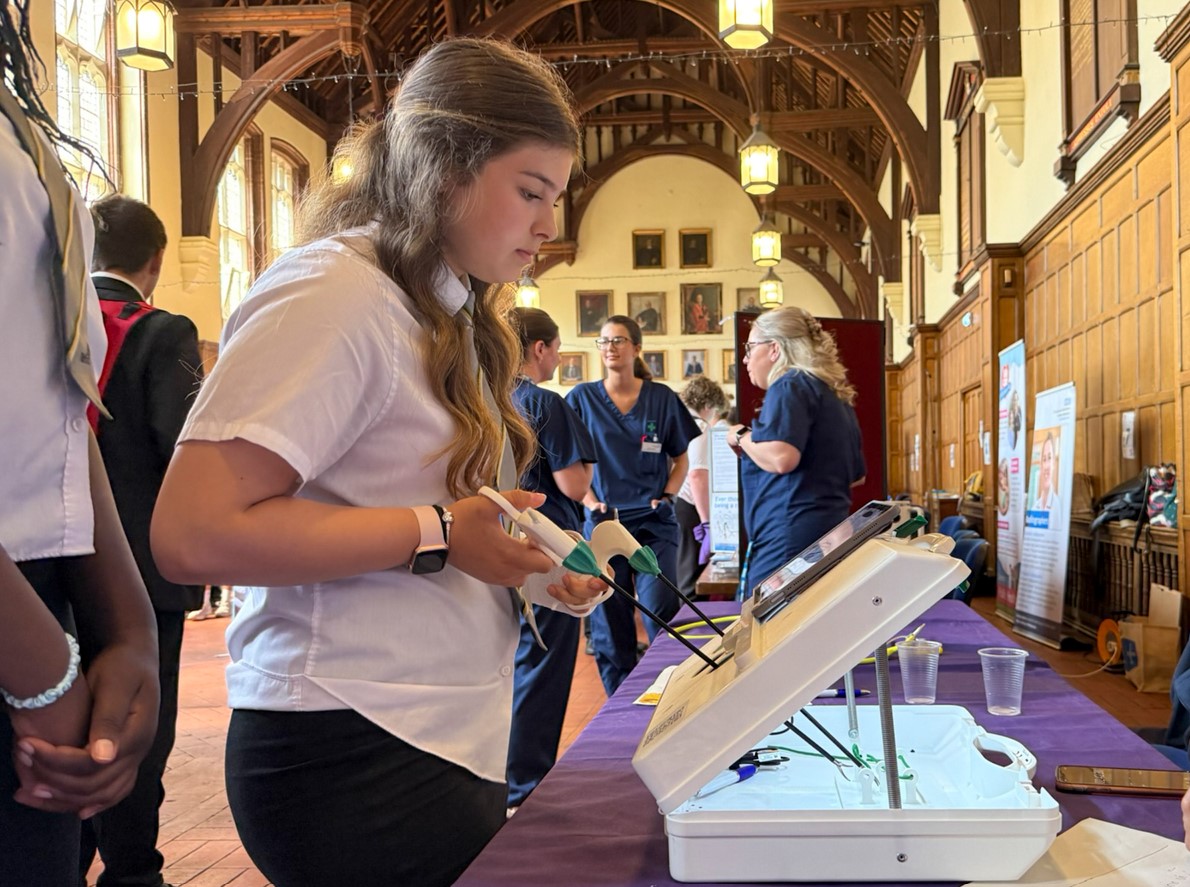
Students explored interactive activities such as CPR, physiotherapy equipment, and hazmat gear at the stalls.
Early feedback from students suggests that they not only found the event interesting but also gained a new understanding of – and interest in – healthcare careers. As one student shared: “Working for the NHS isn’t just being a doctor or nurse – it incorporates many roles that all work together to effectively provide help and support.”

The Trust would like to thank all sponsors of the events this year.
If you’d like to support the next We Care into the Future events, visit https://dbthcharity.co.uk/we-care-into-the-future/ or email the charity team: dbth.charity@nhs.net.
About DBTH Charity:
Doncaster & Bassetlaw Teaching Hospitals’ Charity is the official charity which supports Doncaster and Bassetlaw Teaching Hospitals Trust to go above and beyond by providing additional equipment, services and amenities for our patients, visitors and staff which cannot be funded by the NHS alone.
These additional extras would not be possible without the support of our community. With your help, we can continue to work with our Trust to fund innovative and exciting projects that make a difference to our patients, their families and our colleagues who care for them.
Visit the charity website to find out more: https://dbthcharity.co.uk/
Content out of date? Information wrong or not clear enough? Report this page.
Preceptorship is a period of structured support, usually lasting several months, for healthcare professionals who are newly qualified, internationally recruited, or returning to practice. It gives them time, guidance, and learning opportunities as they settle into their roles, helping to build confidence, develop skills, and ensure they are ready to deliver safe, high-quality patient care.
This support not only benefits the professionals themselves but also helps the NHS keep skilled professionals for longer – improving services for patients and the community.
DBTH was chosen as one of 26 early implementer sites for a new national multi-professional framework, which now ensures preceptorship is available for all healthcare professions, not just nursing and midwifery.
To achieve the Quality Mark, the Trust’s programme was assessed against strict national standards, looking at governance, leadership, supervision, educational support, and feedback from those who have taken part.
Professor Sam Debbage, Director of Education and Research at DBTH, said: “This is a significant achievement for DBTH and a testament to the dedication of our education and clinical teams. Preceptorship is essential in ensuring our newly qualified and returning colleagues have the right support to thrive. Achieving the National Quality Mark demonstrates our commitment to professional development, workforce retention, and ultimately, delivering exceptional care for our patients. It also reflects our Strategic Ambition to become a leading centre for research and education, making DBTH a place where people want to train, work, and grow.
“On behalf of the Trust, I also want to thank Natalie McCarthy, one of our Education Leads, for leading this work so effectively, as well as our senior colleagues, matrons and Allied Health Professionals for their fantastic collaboration in making this possible.”
This recognition builds on DBTH’s Interim Quality Mark for Nursing in 2023 and its Gold Standard for Nursing and Midwifery Preceptorship, placing the organisation among the very best in the country for supporting healthcare professionals at the start of their careers.
Karen Jessop, Chief Nurse at DBTH, said: “Being recognised as one of only 12 organisations in the country to achieve this award is a real honour. It’s a reflection of the dedication and teamwork of colleagues across our hospitals who go above and beyond to welcome and support those joining our professions. By giving new starters the best possible beginning to their careers, we’re not only helping them to thrive, but also ensuring our patients continue to receive the safe, high-quality care they deserve.”
DBTH is one of Yorkshire’s largest acute trusts, serving a population of more than 440,000 people across South Yorkshire, North Nottinghamshire and the surrounding areas and employs around 7,000 health professionals. Across September and into the latter months of the year, the organisation will welcome over 90 newly qualified nurses and midwives to the team.

Content out of date? Information wrong or not clear enough? Report this page.
At the end of August, donations were stolen from a specially adapted incubator used as a collection point at Doncaster Royal Infirmary (DRI).
The incubator – once a real piece of lifesaving equipment – had been repurposed for fundraising, but now requires repairs to be fit for use again.
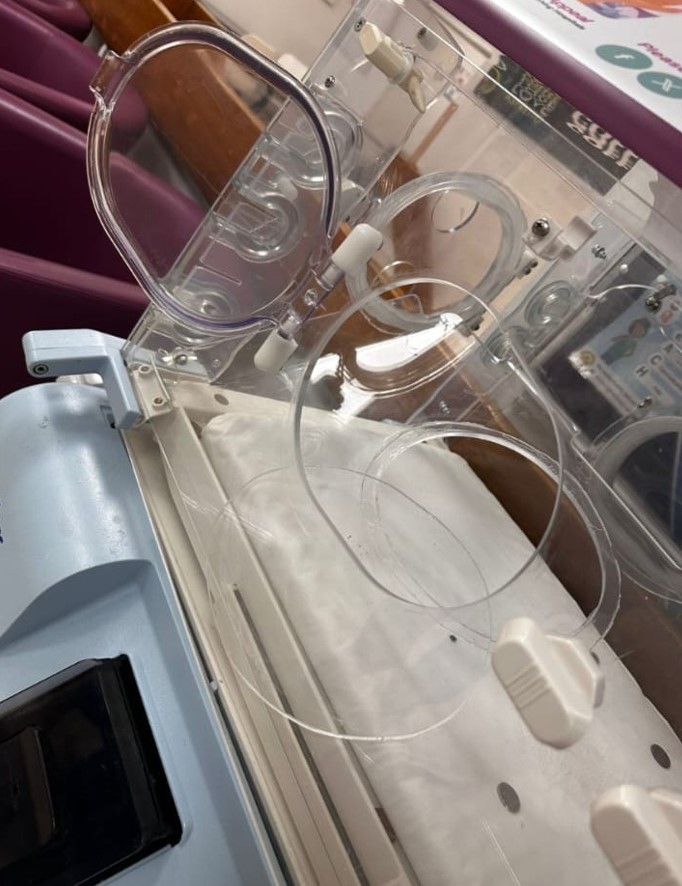
In response, the local community has already contributed £275 online, showing strong support for the hospital’s ‘Mini Marvels’ appeal, which will fund projects and equipment to help babies and their families across Doncaster and Bassetlaw.
Funds from the appeal will help create comfortable parent rooms, fund specialist equipment, and supply play and emotional resources for siblings.
While the response has been positive, the temporary loss of the incubator marks the loss of a valuable fundraising stream.
The incubator, although a very new edition, had been a popular collection point, giving people an easy way to donate spare change while seeing a real piece of neonatal equipment up close.
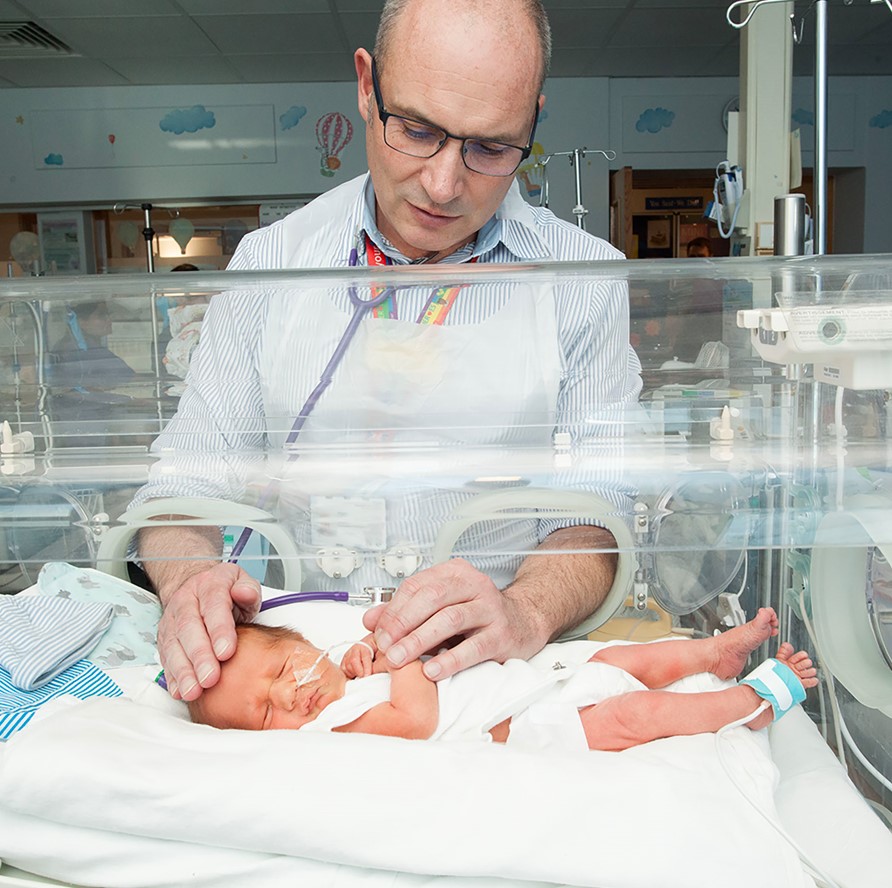
Sarah Dunning, Fundraising Manager at DBTH Charity, said: “It is disappointing to lose the incubator as a fundraising tool but we are heartened by the community’s quick response and want to thank everyone who has donated following the news of the theft.
“However, we now have more to do in order to reach our appeal target and we’re encouraging local businesses, schools, and individuals to consider other ways to get involved and support our mini marvels.
“We have a range of events and activities throughout the year including running the Doncaster 10K, signing up for the charity’s sponsored skydive, or choosing the appeal as their ‘Charity of the Year’.”
To support the Mini Marvels Appeal, visit: https://dbthcharity.co.uk/mini-marvels-appeal
About DBTH Charity:
Doncaster & Bassetlaw Teaching Hospitals’ Charity is the official charity which supports Doncaster and Bassetlaw Teaching Hospitals Trust to go above and beyond by providing additional equipment, services and amenities for our patients, visitors and staff which cannot be funded by the NHS alone.
These additional extras would not be possible without the support of our community. With your help, we can continue to work with our Trust to fund innovative and exciting projects that make a difference to our patients, their families and our colleagues who care for them.
Visit the charity website to find out more: https://dbthcharity.co.uk/
Content out of date? Information wrong or not clear enough? Report this page.
Designed to help patients manage their care from their phone, the app is a simple way to check appointments, receive reminders, and avoid missing important updates. With thousands of appointments taking place at DBTH every week, it’s one of the most effective ways for people to stay organised.
The NHS App gives users access to a range of helpful features including appointment details, prescription requests, test results, and more – all in one secure place. Once downloaded and set up, users can also enable push notifications, meaning they receive timely alerts and reminders directly to their mobile device.
Denise Smith, Chief Operating Officer at DBTH, said: “As we head into autumn and the busy winter months ahead, making the best use of every appointment and our clinical capacity is absolutely key.
“The NHS App helps patients stay on top of their care, ensuring services run as smoothly as possible and helping us to reduce waiting lists. By embracing tools like this, we can deliver care more efficiently and improve the overall experience for patients.”
The NHS App is free and available to anyone aged 13 or over who is registered with a GP in England. It can be downloaded from the App Store (iOS) and Google Play (Android), and takes just minutes to set up.
While DBTH is encouraging as many people as possible to go digital, letters, text messages and other traditional forms of communication will still be available for those who prefer them.
To find out more or to get started, visit: https://www.dbth.nhs.uk/patients-visitors/nhs-app/www.dbth.nhs.uk/nhsapp
Content out of date? Information wrong or not clear enough? Report this page.
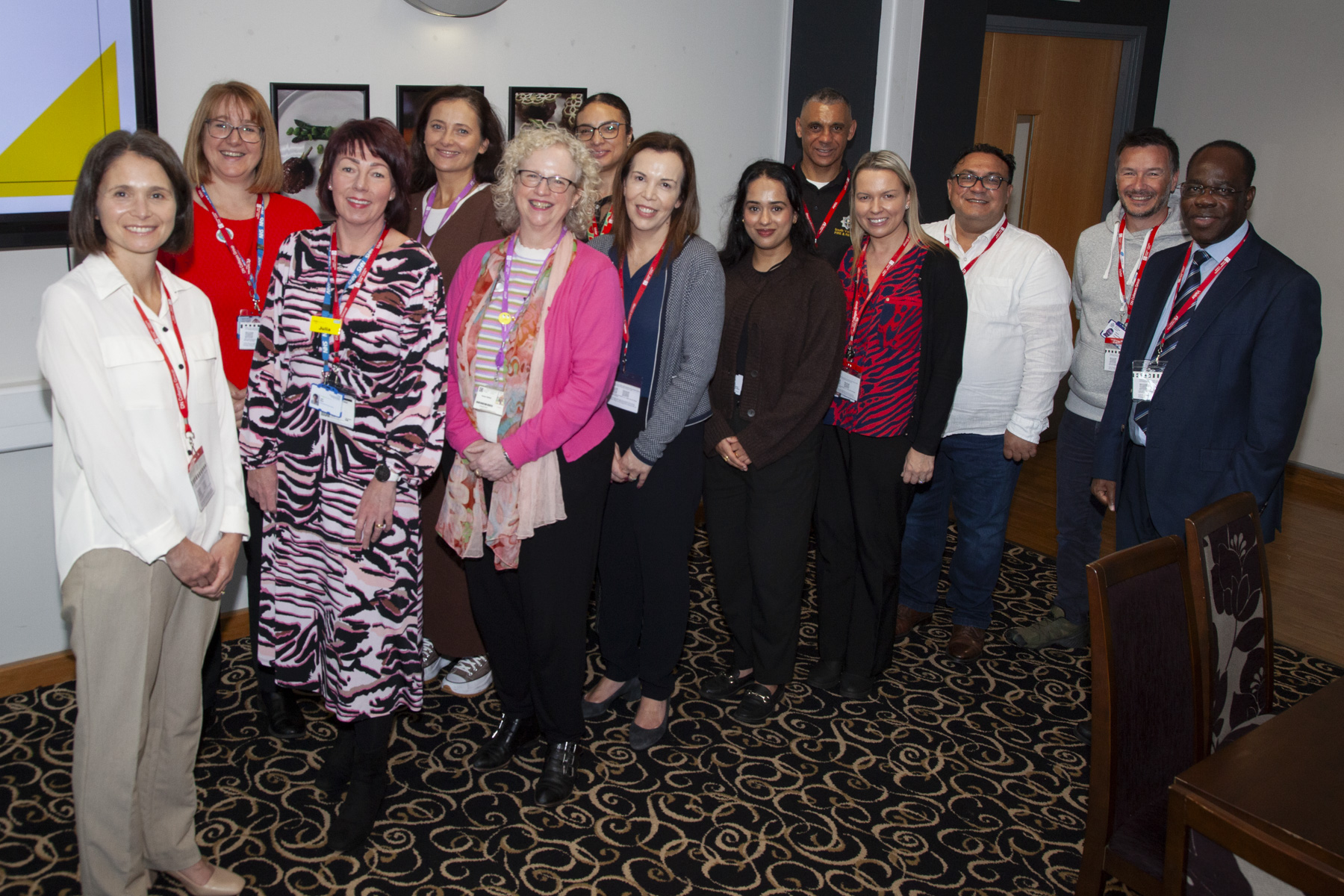
The partnership brings together Doncaster and Bassetlaw Teaching Hospitals (DBTH), Rotherham, Doncaster and South Humber NHS Foundation Trust (RDaSH), City of Doncaster Council, and the South Yorkshire Integrated Care Board (ICB), Doncaster Culture and Leisure Trust, Doncaster Social Isolation Alliance and Volunteer bank, South Yorkshire Fire and Rescue, South Yorkshire Police, DN Colleges, Sheffield Hallam University, The University of Sheffield and The Black Leadership Group.
A steering group was established with senior representatives from the partner organisations, to take collective action to develop an anti-racist approach in the workplace. Anti-racism means a commitment to taking proactive actions to tackling racism and fostering an inclusive and respectful environment for all.

The Doncaster Anti-racism Partnership is the first time so many organisations in the borough have come together in this way. The collaboration is centred on embedding fair and transparent recruitment practices, creating shared opportunities for training and awareness-raising, and delivering clear and unified messaging which reinforces the collective commitment to becoming anti-racist organisations.
Colleagues with lived experience of racism, workplace networks, Equality, Diversity and Inclusion (EDI) leads, and senior leaders are all actively involved. This inclusive approach ensures that decisions are shaped by those most affected, while also driving real organisational accountability.
Since its launch, the partnership has already delivered joint campaigns and activities, including a Positive Action webinar, the Race Equality Every Week campaign, a review of recruitment advertising using AI to reduce bias, scoping for joint anti-racism training, and the development of new allyship resources. An event is also planned for later this year to share progress and learning.
Zoe Lintin, Chief People Officer at DBTH, and Chair of the anti-racism steering group said: “This nomination is a real recognition of the work and commitment shown by partners across Doncaster.
“The Anti-racism partnership is about collaboration, action and accountability – making sure our organisations don’t just talk about inclusion, and instead take a proactive approach to work to dismantle barriers and create fairer workplaces. I’m proud that Doncaster is leading the way on our collaborative work on anti-racism and that the efforts of colleagues, staff networks and community partners are being acknowledged on a national stage.”
Fiona Leahy, Workforce Lead for Doncaster Place said: “Being shortlisted is an achievement we can all share. This partnership is built on the belief that change is only possible when we work together, listen to those with lived experience, and take responsibility for creating fairer, more inclusive organisations. This recognition shows the progress we are making and the strength of what can be achieved in Doncaster.”
The winners of the National BAME Health and Care Awards 2025 will be announced later this year.
Content out of date? Information wrong or not clear enough? Report this page.
Clinical research involves studying health and illness in people to discover better ways to prevent, diagnose, and treat conditions. By volunteering to take part, patients may benefit from the latest treatment innovations while also helping to improve care for future generations.
The Hub provides a welcoming, purpose-built environment for research participants – enhancing their comfort and experience – while giving clinicians the space and facilities they need to deliver high-quality studies.

DBTH already runs a broad and diverse research portfolio, covering maternity and paediatrics, surgical specialties such as orthopaedics and breast oncology, and medical areas including cardiology, gastroenterology, stroke, respiratory medicine, diabetes, renal care, dermatology, rheumatology, anaesthetics, critical care, and haematology.
The Trust is also engaged in research across urgent and emergency care, vascular surgery, neurology, as well as studies that involve colleague participation.
Among its flagship projects is the Born and Bred in Doncaster (BaBi-D) study, which launched in 2022 and has already recruited more than 3,500 participants, including expectant mothers and babies.
BaBi-D collects health and care data to build a picture of life in Doncaster, helping researchers and clinicians understand local health needs and reduce health inequalities. The study has also engaged families through innovative activities, such as teddy-bear picnics at local family hubs, to ensure research reflects community voices and priorities.
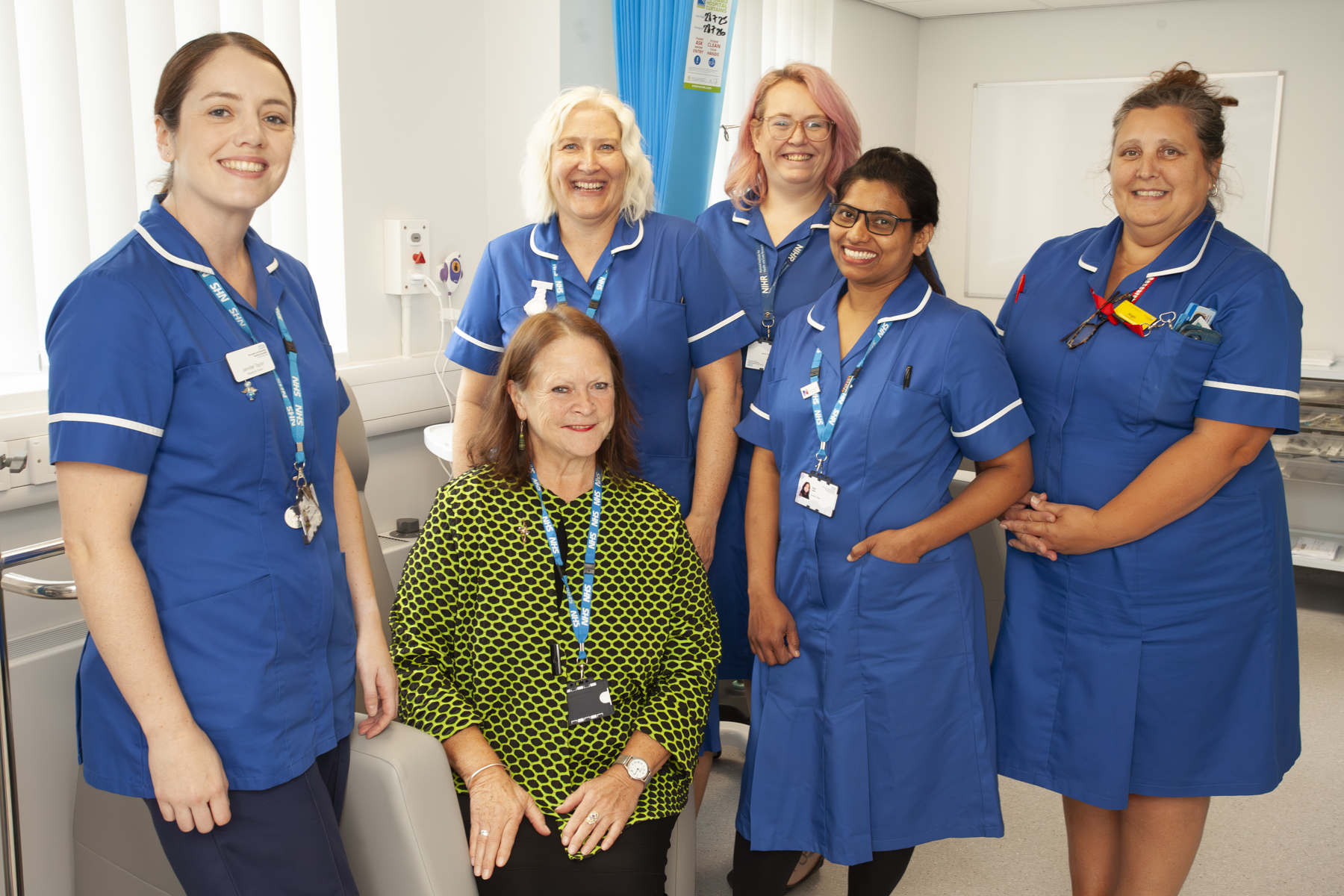
Professor Sam Debbage, Director of Education and Research at DBTH, said: “This new Clinical Research Hub represents a significant step forward in our strategic ambition to become a leading centre for education and research. By providing a dedicated space for research activity, we can increase access for our patients to new treatments, improve the experience of those taking part in studies, and demonstrate our commitment to embedding a culture of research and innovation.
“It lays the foundations for DBTH to build on, ensuring that the benefits of research are felt not only by our patients and colleagues, but also by our wider communities across South Yorkshire.”
The Hub, alongside studies such as BaBi-D and DBTH’s extensive research programme, underscores the organisation’s commitment to locally relevant, inclusive research that delivers real impact for patients, colleagues, and the community.
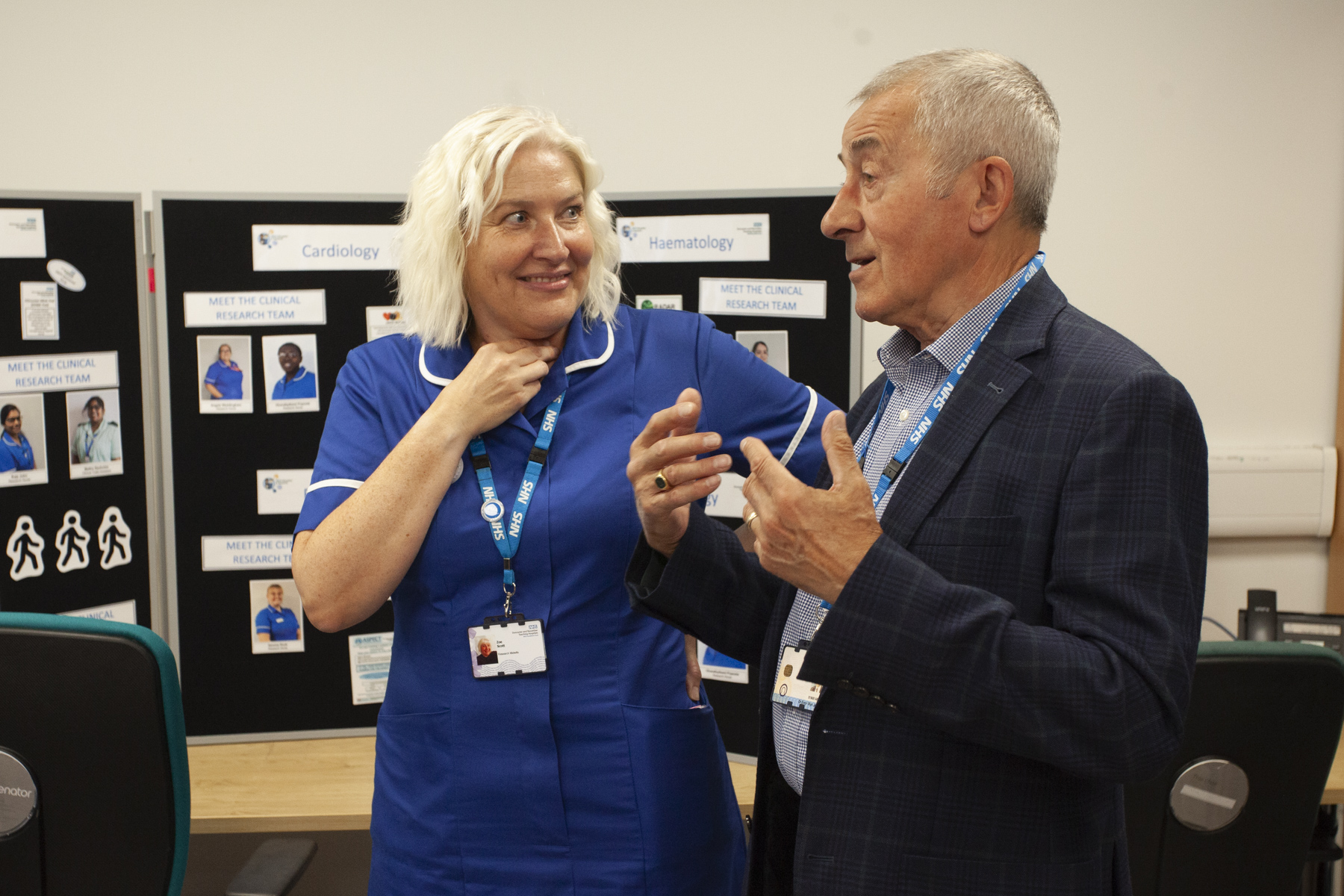
Suzy Brain England OBE, Chair of the Board at DBTH, said: “The Clinical Research Hub shows the strength of our ambition as an organisation. By investing in research infrastructure now, we are creating opportunities that will benefit patients today and in the future, while positioning DBTH as a place where innovation and excellence can thrive.”
The Hub will act as a platform for future growth – enabling DBTH to further increase research activity, attract new opportunities, and strengthen its role as a leading centre of research excellence within the region.
Content out of date? Information wrong or not clear enough? Report this page.
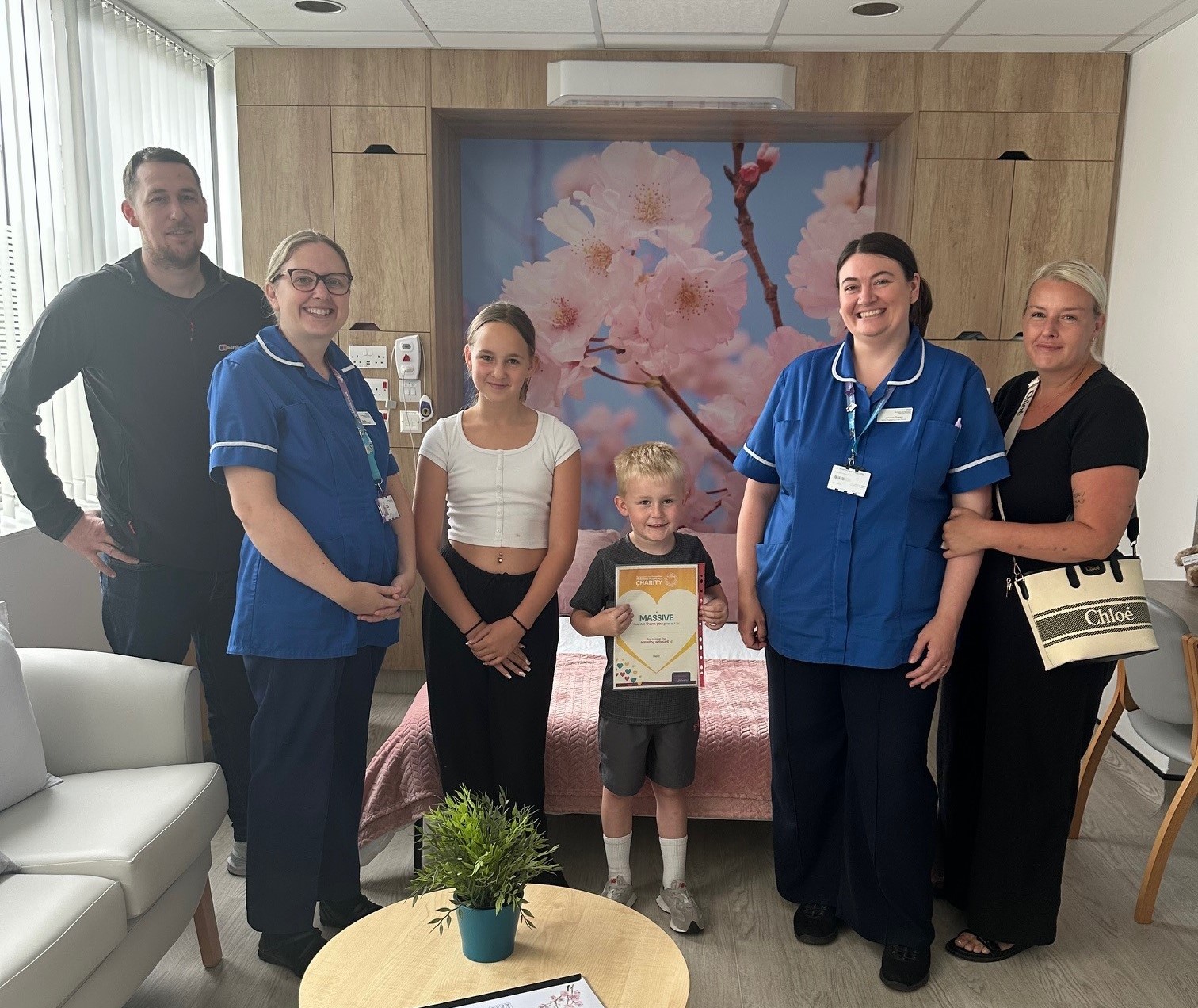
Carly Carlisle, 34, has been fundraising for charities close to her heart for years with help from partner Kieran and children Laila, Tommy and Paige.
A support worker at a local school, Carly says the death of her first child at 37 weeks and five days ‘completely changed’ her.
Carly said: “I had all the baby clothes, my hospital bag was packed, then I was told there was no heartbeat.
“I just didn’t think something like that could happen to me. It happens on telly, not in real life.
“I was delivering a baby who wasn’t going to cry and breathe and all I could hear was babies crying. I often think about it. I wish I hadn’t heard those cries.”
According to NHS.UK, around one in 250 pregnancies are born sleeping. Later losses, such as born sleeping or loss after birth, are rarely discussed because they are too painful to talk about, explained Rhian Morris, Specialist Bereavement Midwife at DBTH.
She said: “This is one of the most traumatic experiences a family can face, and it hurts to talk about.
“Many families think once they reach the dating scan, or complete the first 12 weeks of pregnancy, they are ‘safe’.”
Baby Loss Awareness Week in October helps raise awareness, but, as Rhian notes, “Sadly baby loss happens every day, not just one week a year.”
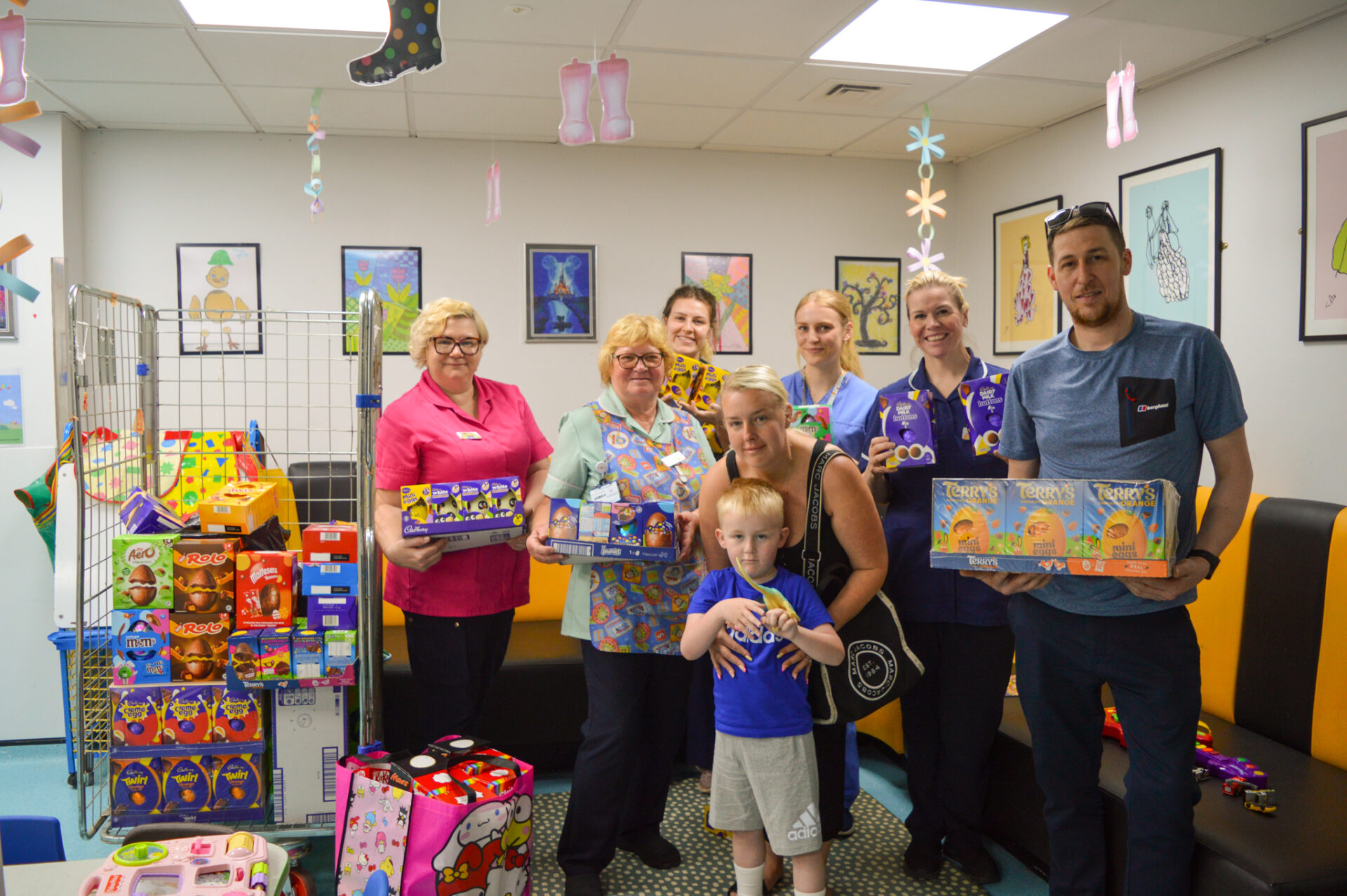
Carly’s experience inspired her to fundraise for other families facing baby loss, and she now dreams of becoming a bereavement midwife.
She said: “I’ve done this for Savannah. I want to help people going through what I went through. I’m not scared of death.
“If I could have a wish, every pregnancy would end up healthy because I can’t take it.”
Her £5,100 fundraising total came from events including a charity night at Rossington Top Club, a £500 raffle, donations from friends and family, and a Rainbow Fun Run at Tornedale Infant School, which raised over £2,000.
Her latest donation will fund memory-making items for bereaved families and improvements to gynaecology department facilities for those experiencing early miscarriage.
Rhian said: “To grieve and make memories with your baby following delivery is vital. This is a precious time families cannot get back.”
Carly has already started her Christmas appeal, providing clothes and food for families in need.
She said: “I want my kids to see me doing this and think, I want to help people too.”
Reflecting on her efforts, Carly added: “Sometimes I think I can’t do this anymore. But I’ve got food, my health and my kids are safe. I can’t stop.”
About DBTH Charity:
Doncaster & Bassetlaw Teaching Hospitals’ Charity is the official charity which supports Doncaster and Bassetlaw Teaching Hospitals Trust to go above and beyond by providing additional equipment, services and amenities for our patients, visitors and staff which cannot be funded by the NHS alone.
These additional extras would not be possible without the support of our community. With your help, we can continue to work with our Trust to fund innovative and exciting projects that make a difference to our patients, their families and our colleagues who care for them.
Visit the charity website to find out more: https://dbthcharity.co.uk/
Content out of date? Information wrong or not clear enough? Report this page.