
This year, DBTH will host around 1,400 students, including apprentices, undergraduates, and postgraduates.
To celebrate the incredible work of these learners, the Trust hosted its fourth annual graduation event. The event celebrated those who had recently completed vocational education programmes, ranging from entry-level to Level 7 apprenticeships.
As a teaching hospital, the Trust offers a variety of vocational education opportunities, including Level 2 English and Maths, the Care Certificate, and apprenticeships in various specialities such as Nursing, administration, clerical work, leadership, and Allied Health Professions (therapists, physios, radiography etc).

As part of its ongoing commitment as an anchor employer across South Yorkshire and North Nottinghamshire, the Trust continues to support individuals at every stage of their development—from those just beginning their learning journey to existing colleagues continuing professional development.
Following previous celebration events, this year’s event once again offers a meaningful alternative to traditional graduations, proudly recognising the dedication, perseverance, and achievements of learners across the Trust.
Held last month at Doncaster Royal Infirmary’s Education Centre, each successful participant received a unique badge and certificate highlighting their achievements. Attendees enjoyed refreshments, conversations with colleagues and fellow learners, and dedicated photo opportunities.

The event was also attended by the Trust’s Director of Education and Research, Professor Sam Debbage, Suzy Brain England OBE, Trust Chair, and Head of Education for Widening Participation, Kelly Turkhud.
During the celebration, Suzy, addressed the graduates, saying: “You represent the very best of the DBTH – Compassionate, committed and always putting patients first. You’ve learned to comfort, to heal and to lift others up, often at their most vulnerable.
“Today isn’t just about certificates or qualifications, although you’ve earned every bit of this recognition.

“It’s about the journey you’ve taken, the challenges you’ve overcome and the impact you’ve already begun to make in our hospitals, in our communities and in the lives of those we care for.”
The Vocational Education Team at the Trust offers a range of learning opportunities at DBTH. From apprenticeships to work experience, there is something to suit everyone’s skills, passions, and ambitions.
To find out more about the opportunities available at DBTH, please visit our dedicated education pages: https://www.dbth.nhs.uk/education/
Content out of date? Information wrong or not clear enough? Report this page.
Developed by the South Yorkshire and Bassetlaw Acute Federation, in collaboration with hospital Trusts across the region, this innovative pilot aims to enhance access to paediatric dental surgery for children across Doncaster, Rotherham, Sheffield, and Barnsley.
Children in South Yorkshire and Bassetlaw have some of the highest levels of tooth decay in the country, leading to children often facing long waiting times for essential dental interventions under general anaesthetic. Research data, compiled before the introduction of the hub, indicated that additional appointments were needed to meet ongoing demand and alleviate waiting lists which can see some children waiting up to a year for treatment.
The Paediatric Dental Surgery Hub is being piloted as an elective surgery provision to improve dental health for children in the region, to clear the backlog of children and young people waiting for surgery, and to reduce the wait times for dental intervention surgery in the future.
The pilot will run for 12 months, adding much-needed capacity to reduce wait times and to test the regional hub model, which could be implemented permanently in the future. So far, the new hub has treated 100 patients from the South Yorkshire and Bassetlaw area.
The new hub approach to dental care includes specialist assessments within the dental department at Montagu Hospital in Mexborough and Surgical treatment at Doncaster Royal Infirmary, led by consultants in paediatric dentistry from Sheffield Teaching Hospitals.

Mona Agel, Paediatric Dental Consultant at the hub, expressed enthusiasm about the launch: “We are thrilled to launch this dedicated paediatric surgical hub to serve the children and families of South Yorkshire and Bassetlaw. Good oral health is crucial for a child’s overall well-being, and this hub will ensure that children receive the specialist dental care they need in a supportive and friendly environment, and in a timely manner.”
The launch of the Paediatric Dental Hub comes as part of a wider initiative to improve overall health services for young patients in the region. The Acute Federation is working alongside hospitals in the region to transform other areas of children’s care including; improvements to transition (moving from paediatrics to adult care), virtual wards for paediatrics and improving access to Ear, Nose and Throat services.
Children in Doncaster, Rotherham, Sheffield, and Barnsley who have been referred by their dentist or healthcare provider to their local Trust for tooth extraction, can be transferred to the Hub to access faster assessment and treatment.

Content out of date? Information wrong or not clear enough? Report this page.
As part of a wider £1.4 million investment in stroke services, this cutting-edge facility will offer innovative therapies designed to enhance recovery for stroke patients across Doncaster and Bassetlaw, with the potential to benefit individuals further afield.
The gymnasium, upon opening, will be known as ‘The Phoenix Therapy Suite’- a name reflecting the transformative impact of the rehabilitation exercises available within the facility. It will complement the existing support at Montagu Hospital, offering patients a wider range of therapeutic options to enhance physical and cognitive recovery.
The building is nearing completion and is awaiting the installation of specialist rehabilitation equipment, including the Lexo gait trainer, which will be completed onsite by specialists arriving from Austria. The facility will then be ready to welcome patients from mid-June.
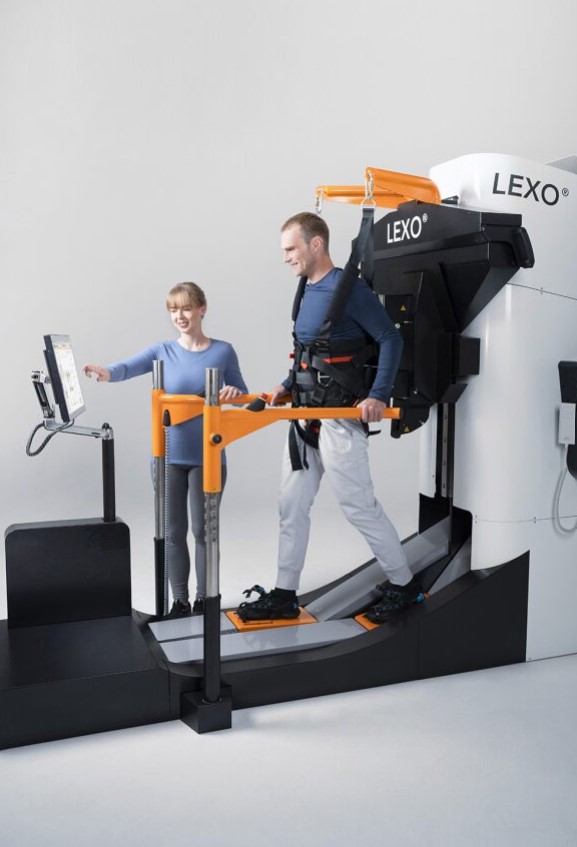
A first for the NHS, the advanced rehabilitation technology housed within the gym has been made possible thanks to generous funding from the Fred and Ann Green Legacy, alongside support from DBTH Charity.
The gym will feature several robotic rehabilitation devices, procured at a cost of £700,000, which will serve as ‘therapy multipliers,’ enabling patients to engage in highly focused, intensive therapy sessions under the guidance of expert clinicians.
Dr Peter Anderton, Consultant for the Stroke Rehabilitation Service, said: “These devices significantly increase the intensity and frequency of rehabilitation opportunities for our patients.
“By combining pioneering technology with the expertise of our clinical teams, we aim to deliver a world-class rehabilitation service that maximises recovery potential for our patients.”
The state-of-the-art equipment will include a robotic gait trainer and other robotics which targets upper and lower limb mobility and balance, and interactive tools to enhance cognitive and motor skills. Located within the Fred and Ann Green Rehabilitation Centre, this development will further establish the service as a centre of excellence within the region.

Every year, strokes affect more than 100,000 people in the UK and remain one of the leading causes of disability. At DBTH, improving stroke care is a key priority, with ongoing initiatives aimed at enhancing diagnosis, treatment, and rehabilitation.
Dr Anderton continues: “Our ambition is to extend access to the robotic therapy suite and work collaboratively with colleagues across South Yorkshire to open up access to this facility for other stroke services within the region, ensuring even more patients can benefit from advanced rehabilitation therapies.”
The Stroke Rehabilitation Service also offer a music therapy programme, designed to support recovery and promote mental wellbeing as part of a holistic approach to stroke rehabilitation.
As part of their commitment to enhancing patient care, the team is also launching an exciting fundraising initiative to further improve the therapeutic environment. Plans are underway to develop a tranquil garden area within the existing courtyard space, directly connected to the gym. This new area will feature a garden room and landscaped bedding areas, offering a calm and restorative space where patients can relax and reflect following their therapy sessions.
If you would like to get involved in supporting this project, please contact Doncaster and Bassetlaw Teaching Hospitals Charity by calling: 01302 648282 or email: dbth.charity@nhs.net
Content out of date? Information wrong or not clear enough? Report this page.
DBTH provides services to more than 440,000 people across South Yorkshire, North Nottinghamshire and surrounding areas, with a team of around 7,000 colleagues and three main hospital sites – Doncaster Royal Infirmary, Bassetlaw Hospital and Montagu Hospital in Mexborough.
A Non-Executive Director is a senior figure who brings external insight and independent oversight to the Trust’s Board. While not involved in day-to-day operations, they play a vital role in offering strategic guidance, holding the organisation to account, and ensuring that decisions are made in the best interests of patients and the public.
As a Non-Executive Director, the successful candidate will contribute to shaping the future of DBTH by working alongside the executive team to review performance, guide long-term plans, and ensure the Trust remains financially sustainable.
They will also support high standards of care, champion patient needs, and help strengthen relationships with system partners.
Suzy Brain England OBE, Chair of the Board, said: “We are seeking highly influential, enthusiastic and motivated individuals with great vision, energy and the ability to enhance what we do as an organisation. This is a fantastic opportunity to join the Trust, lending your expertise and skill to help guide both the Board and the organisation into what promises to be a bright and exciting future.”
DBTH welcomes applications from people with a wide range of experience, particularly those with a background in local government, higher education, digital services, transformation, or finance.
Clinical experience is also welcomed, as is experience in supporting partnership working with both community and acute NHS trusts and local authorities. The Trust is committed to equality and inclusion and is especially keen to hear from individuals who will help bring new perspectives to the Board.
The time commitment is at least five days per month.
To find out more and apply, visit: www.dbth.nhs.uk/dbth-opportunity-non-executive-director/
Applications close on 15 June 2025.
Content out of date? Information wrong or not clear enough? Report this page.
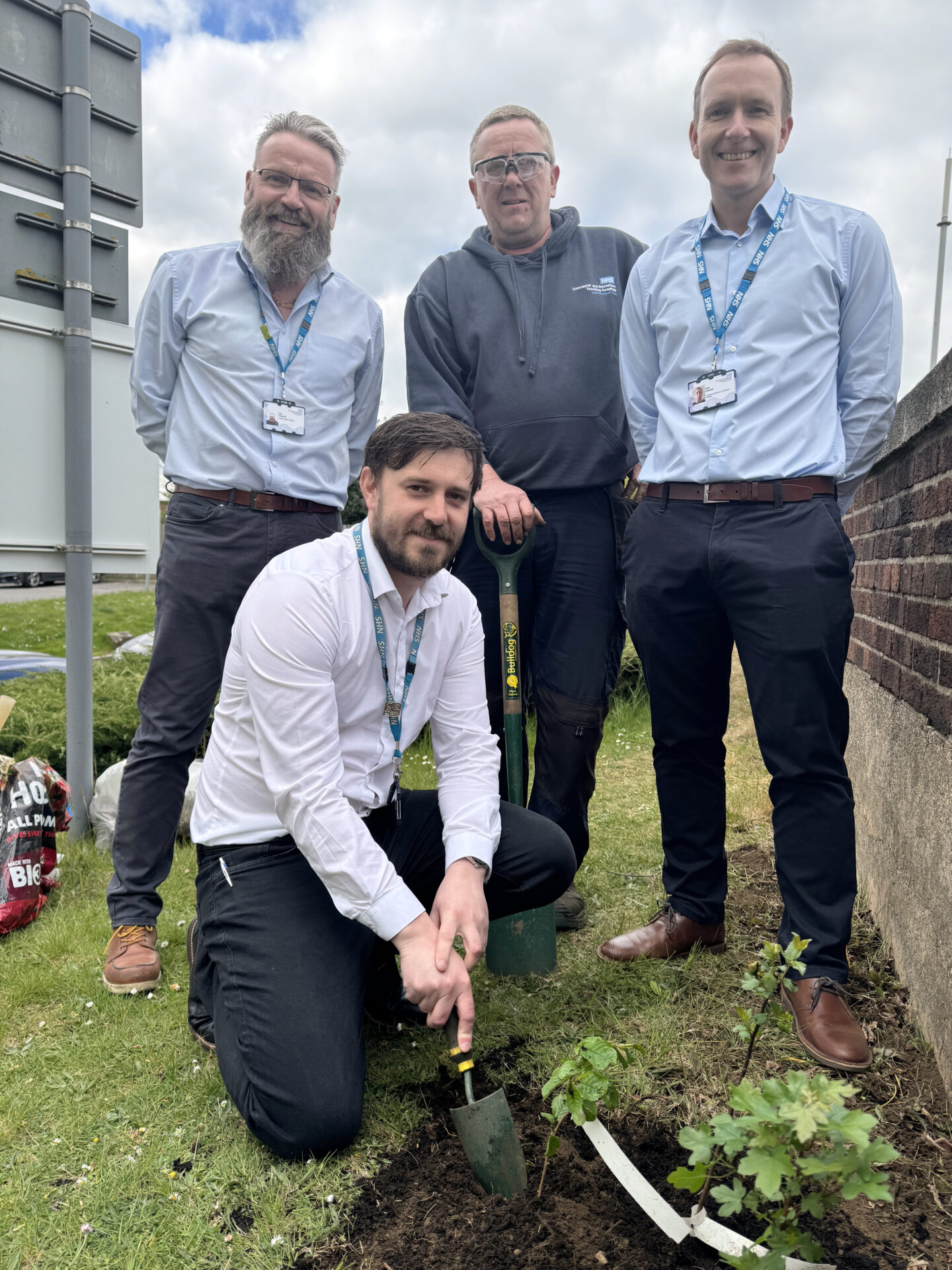
This vibrant addition is part of an ongoing initiative led by the Estates and Facilities team to enhance the Trust’s outdoor spaces. It builds on DBTH’s continued success in achieving Green Flag Awards and its wider sustainability ambitions.
Over the past few years, more than 200 trees have been planted across DBTH sites, transforming hospital grounds into greener, more welcoming environments for patients, visitors, and staff alike. The latest trees were donated by NHS Forest, a programme of the Centre for Sustainable Healthcare, which works to improve patient experiences while supporting a greener NHS.
The donation features a variety of carefully chosen species, each selected to suit specific locations across the hospital grounds. Taller trees such as Oak, Mountain Ash, Silver Birch and Wild Cherry, capable of reaching heights of up to 20 metres, offer screening from nearby roads, create natural habitats for wildlife, and provide much-needed shade. Smaller species like Crab Apple and Hazel have been planted in landscaped areas to add interest and flow to pathways and communal spaces.
These planting efforts are part of the Trust’s Green Plan, which aligns with the NHS’s ambition to reach Net Zero by 2040. The plan embeds environmental responsibility across DBTH’s operations, including energy efficiency, waste reduction, and sustainable procurement.
Mathew Gleadall, Operational Director of Estates and Facilities and Sustainability Lead at DBTH, said: “We’re incredibly grateful for this generous donation, which not only enhances the natural beauty of our hospital grounds but also reinforces our commitment to creating a healthier, more sustainable environment for everyone who visits or works at our sites.
“We know that access to green spaces can support patient recovery and wellbeing. Tree planting is a simple yet powerful act that benefits both people and the planet.”
Doncaster Royal Infirmary has been awarded the Green Flag status for their expertly tended green spaces for two years running. Among them are the Rainbow Garden, filled with bee-attracting plants and peaceful seating areas; the Butterfly Garden, a place of reflection for those grieving a loved one; and Chatsfield Garden, a tranquil retreat for patients undergoing cancer treatment.
The Green Flag Award has also been awarded to the gardens at Bassetlaw Hospital in honour of their greenery. The Rainbow Garden at Bassetlaw was the first to open, raised by donations made in memory of those who lost their lives to COVID-19, and features a bespoke sculpture by local artist Kenny Roach, symbolising peace, friendship, and healing.
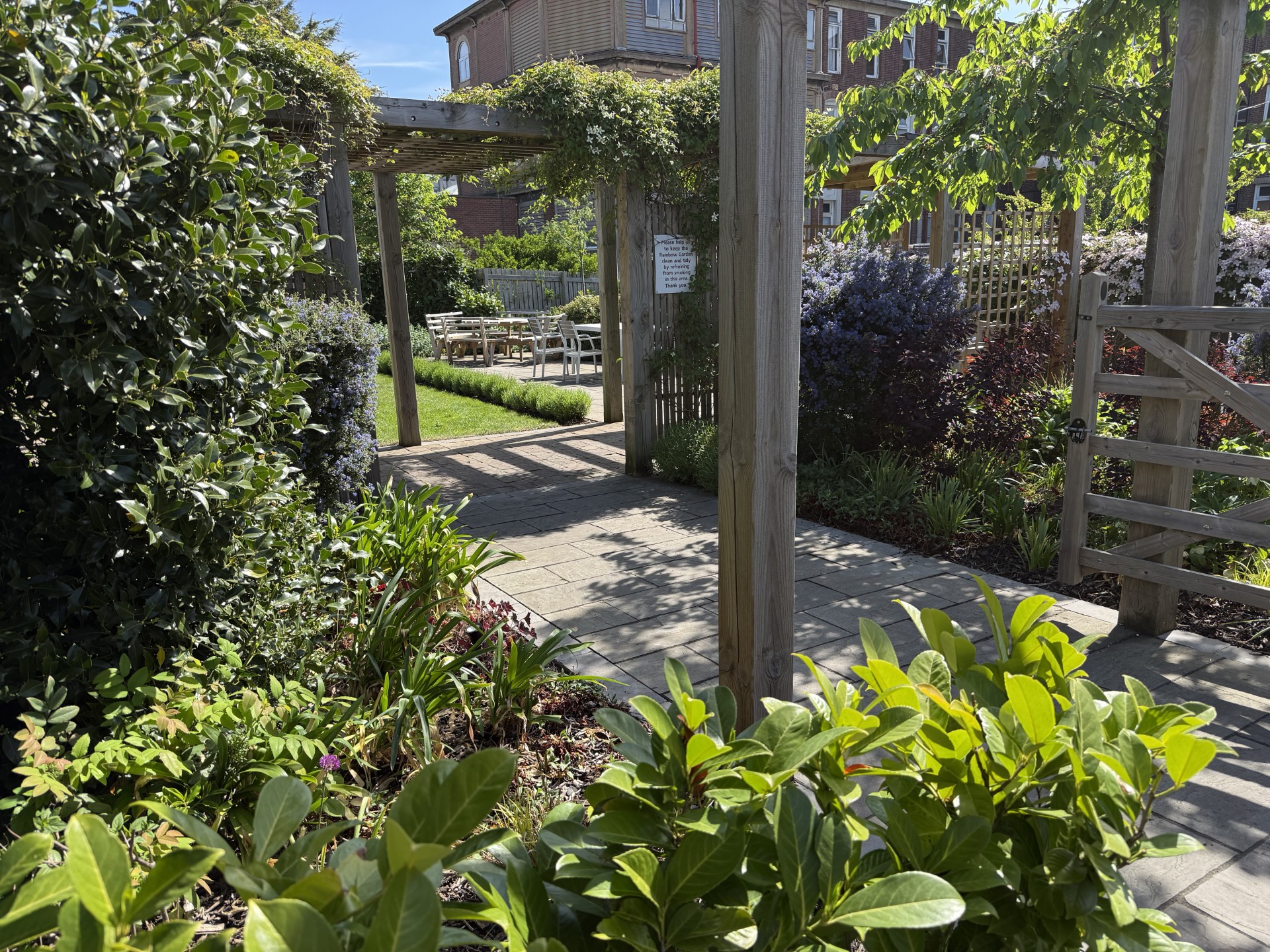
At Montagu Hospital, the Fred and Ann Green Memorial Garden celebrates the generous bequest from Fred Green, a retired pork butcher from Mexborough, who left £11.5 million to the Trust upon his passing. The garden, which opened in 2000, is also being considered to receive the Green Flag Award later this year.
Martin Smith, Head Gardener at DBTH, said: “The gardens make such a difference for patients and visitors, offering comfort, quiet, and connection to nature during what can be difficult times.
“These new trees will help the gardens flourish for years to come.”

The gardens across DBTH have been made possible through the generosity of charitable donations and appeals, with each space acting as a commemorative and peaceful haven for the local community. If you’d like to support the continued development of these green spaces, please visit: https://dbthcharity.co.uk/charity-gardens
The Estates team also welcomes your feedback on the gardens to help guide future improvements and community projects. To share your thoughts, please visit: www.dbth.nhs.uk/pride-in-our-gardens-at-dbth
Content out of date? Information wrong or not clear enough? Report this page.
This is not just another afternoon tea – this is a rare chance to step inside one of North Nottinghamshire’s most exquisite and private country houses, usually reserved only for weddings and select private events.
Guests will enjoy exclusive access to Hodsock Priory’s historic house, celebrated gardens, and enchanting woodland walks – areas that are ordinarily closed to the public.

Nestled perfectly between Doncaster Royal Infirmary and Bassetlaw Hospital, Hodsock Priory has been home to the Buchanan family for nine generations. The estate is a stunning example of 19th-century grandeur, complete with breathtaking grounds lovingly designed by the late Lady Buchanan.
“This is a unique opportunity to experience the beauty and history of Hodsock Priory in a way that very few ever do,” said Sarah Dunning, Fundraising Manager for Doncaster & Bassetlaw Teaching Hospitals Charity. “It’s the first time we’ve hosted an event of this kind as part of our NHS Big Tea celebrations – and it promises to be truly unforgettable.

“Places are limited, and we expect tickets to be in demand, so early booking is essential to avoid disappointment.”
Guests will be treated to a luxurious afternoon tea, featuring a selection of sandwiches, freshly baked scones, indulgent sweet treats, and unlimited tea and coffee, all set to the backdrop of live entertainment. Most importantly, every ticket purchased supports vital enhancements for patients and staff across Doncaster and Bassetlaw Teaching Hospitals.

Last year, generous supporters helped raise over £1,200 through NHS Big Tea events. This year, alongside the Hodsock event, the Charity continues to encourage local communities to host their own NHS Big Tea celebrations, whether that’s a bake sale at work or an afternoon tea at home.
Tickets are £40 per person and can be booked online now: https://fundraise.dbthcharity.co.uk/event/afternoon-tea-at-hodsock-priory
To learn more about the NHS Big Tea or to register your own event, visit: https://fundraise.dbthcharity.co.uk/event/nhs-big-tea

Content out of date? Information wrong or not clear enough? Report this page.
We are asking local people, as well as colleagues, to undertake a short survey, the findings of which will help to improve the way we communicate, raise funds, and, ultimately, support patients, in the future.
You can complete the short survey here: https://forms.office.com/e/3AQuGKx3QY?origin=lprLink
Your feedback is invaluable and this is your chance to have your say. Whether you’ve been involved in marathons or cycle rides for the Charity before, or you’ve never heard of us, we still want to hear from you.
The survey will take about five minutes to complete and if you decide you want to hear more about the project and the Charity after, you can opt in to hear from us at the end.
If you have any questions about the survey, or the wider project, please get in touch with the Charity Team on dbth.charity@nhs.net
Get involved by completing this short questionnaire https://forms.office.com/e/3AQuGKx3QY?origin=lprLink

Content out of date? Information wrong or not clear enough? Report this page.
In March 2024, Dave went through one of the toughest times in his life, as his beloved brother Midge passed away from bladder cancer.
Dave and Midge were incredibly close to the point of taking the same career path, with the pair serving in the military on nuclear submarines. However, following a diagnosis of multiple sclerosis (MS) in 1999, Midge’s naval career ended abruptly in February 2001.
Over the years, Midge’s health deteriorated further as the MS affected his mobility, leaving him wheelchair dependent. In December 2022, Midge was dealt another devastating blow when he was diagnosed with bladder cancer, which was confirmed to be terminal just six months later.

Determined not to let this stop him from living his life, Midge and his wife Sheila planned a getaway to the Calvert Trust in Hexham which would accommodate Midge’s needs. This is when local charity Military vs Cancer became aware of Midge and offered their assistance with the holiday, paying for the full week away for Midge and Sheila. However, due to his deteriorating health, Midge never had the opportunity to go.
15 months after his initial diagnosis, Midge sadly lost his long and brave battle against his health issues.
In honour of Midge’s memory and to give back to the charity that had supported them, Dave will walk the historic Hadrian’s Wall over four days at the end of this month. Dave explains,
“I heard that the charity had organised a walk to raise funds, so I immediately jumped at the chance to help. They were so forthcoming with offering to pay for Midge and Sheila’s holiday; it was only natural that I try to raise funds for them in return.
They help so many serving military personnel and veterans who are going through a difficult time, just like Midge was. Me and Midge have known Dave, the charity’s founder, for many years – we both worked alongside him on the submarines.
I’m sure Midge would be proud of me for helping our fellow servicemen out.”
If you would like to support Dave’s fundraising efforts, you can do so here: https://www.crowdfunder.co.uk/p/hadrians-hero-for-military-vs-cancer
For more information on Military vs Cancer, please visit https://www.militaryvscancer.com/
Content out of date? Information wrong or not clear enough? Report this page.
The system, called Rapid CTP, uses artificial intelligence to analyse brain scans in real time, helping specialists to identify which areas of the brain may be saved following a stroke.
As part of Stroke Awareness Month this May, the Trust is highlighting the impact of the technology, which extends the treatment window from four and a half hours to up to 24 – giving more patients the chance to receive life-saving care.
Dr Ahmad Maatouk, Stroke Consultant and Clinical Lead at DBTH, said: “The Rapid CTP software supports our clinical decision-making, offering a clear picture of what’s happening in the brain almost immediately.
“In the right cases, it allows us to confidently extend the treatment window, meaning we can potentially intervene up to 24 hours after the stroke started – giving some patients a second chance at recovery that previously wouldn’t have been possible.”
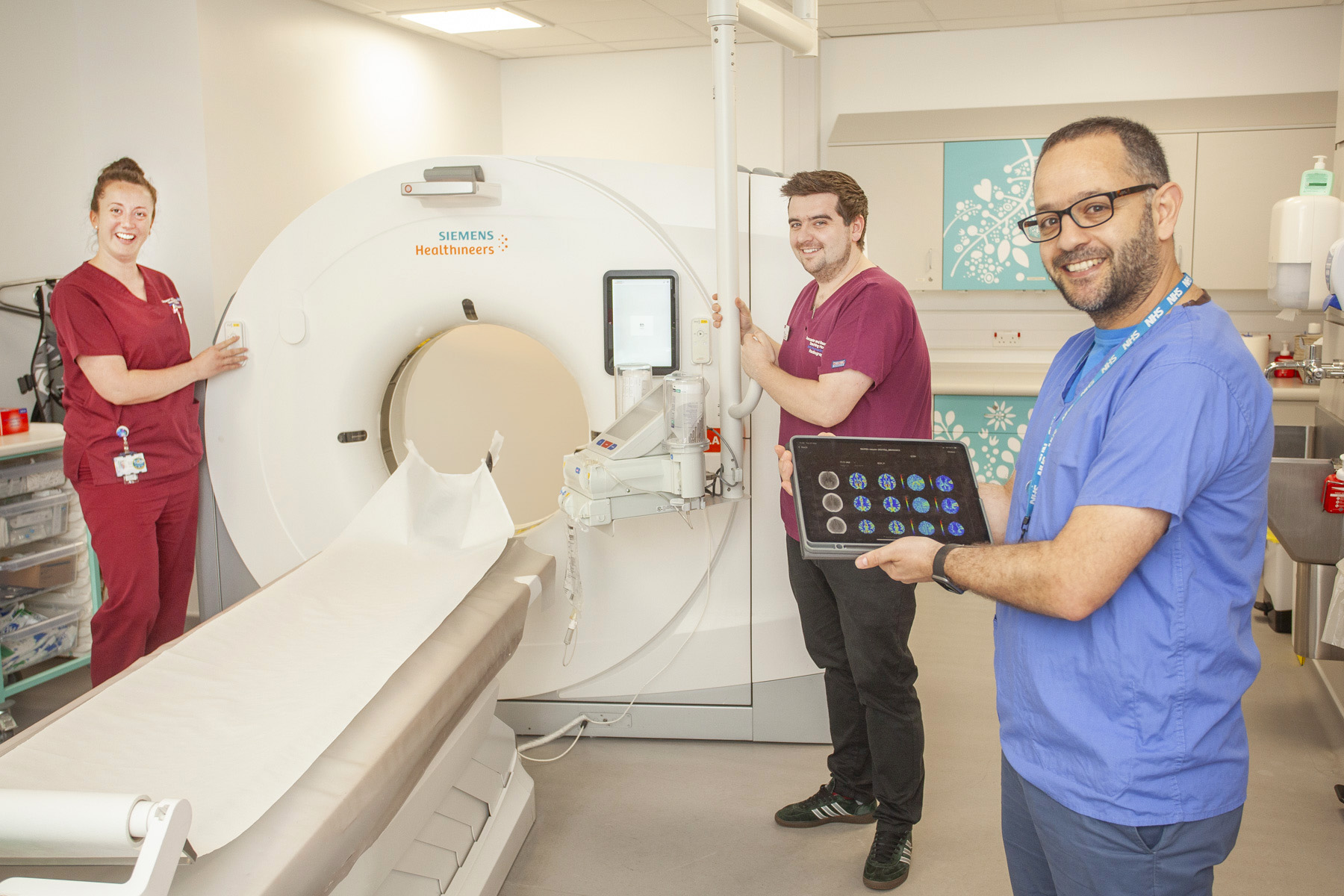
One of those patients is 59-year-old Suzanne Davies from Denaby, who experienced an ischaemic stroke – caused by a blockage cutting off blood flow to part of her brain.
“Before I had the stroke, I had been getting out of breath easily and my heartbeat was racing” said Suzanne.
“One night, I went to bed exhausted. I woke up in the middle of the night to go to the toilet and suddenly my legs gave way under me. I shouted for my partner, who could tell I was having a stroke – my face was drooping and my speech was slurred.”
Suzanne was rushed to Doncaster Royal Infirmary (DRI), where scans confirmed the stroke.
Thanks to the intervention of skilled health professionals and Rapid CTP software, specialists were able to identify that enough brain tissue remained salvageable, and she received urgent, potentially life-saving treatment.
She was cared for by the specialist Stroke Unit and supported by Dr Dinesh Chadha, Stroke Consultant and a key advocate for the technology.
“I can’t fault the care I received. Everyone was lovely and really tried to lift my spirits,” said Suzanne.
“I felt like an inconvenience at first, but the staff comforted me, made me laugh, and helped me feel at ease.
“My advice to anyone is this: If you think you’re having a stroke, ring an ambulance immediately. It can escalate very quickly – you wouldn’t hesitate to call for a loved one, so do it for yourself if you can.”
Suzanne has since returned home and continues her recovery under the care of community nurses.
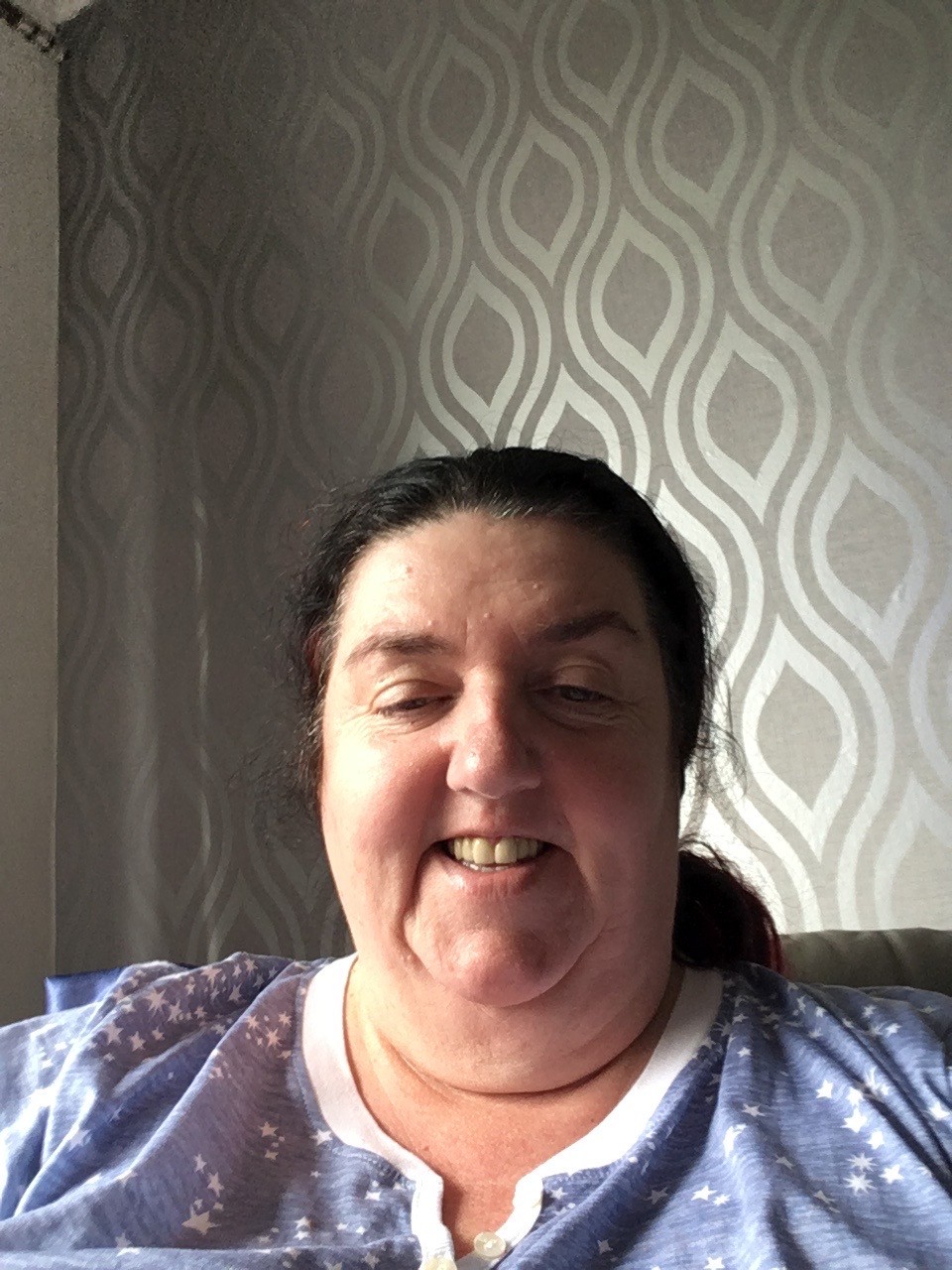
The introduction of Rapid CTP is part of a wider programme of improvements to stroke care at DBTH. As of April 2024, thanks to an enhanced partnership with Sheffield Teaching Hospitals, the Trust’s thrombectomy service – used to physically remove clots in certain types of stroke – is now available seven days a week, helping to ensure more patients can access urgent, specialist treatment when they need it most.
Dr Nick Mallaband, Acting Executive Medical Director said: “Over the past 12 months, Rapid CTP has made a real difference to how we diagnose and treat stroke, helping our teams deliver faster, more accurate care.
“Crucially, it doesn’t replace clinical expertise – it enhances it. The software gives our stroke specialists immediate insights that help them make confident, informed decisions when every second counts.
“It’s a brilliant example of how human skill and technology can work hand-in-hand to improve patient outcomes. As we prepare to launch our refreshed Healthier Together organisational strategy, with a focus on becoming a digitally enabled and mature organisation, this is exactly the kind of progress we want to build on.”
The Trust is sharing Suzanne’s story as part of Stroke Awareness Month to raise understanding of stroke symptoms and the importance of seeking help without delay. The main signs of a stroke can be remembered with the acronym FAST:
Face – has it dropped on one side?
Arms – can they lift both and keep them there?
Speech – is it slurred, garbled, or absent?
Time – if you spot any of these signs, it’s time to call 999.
Please note, symptoms can vary from person to person. If you suspect a stroke, seek emergency help immediately.
Content out of date? Information wrong or not clear enough? Report this page.
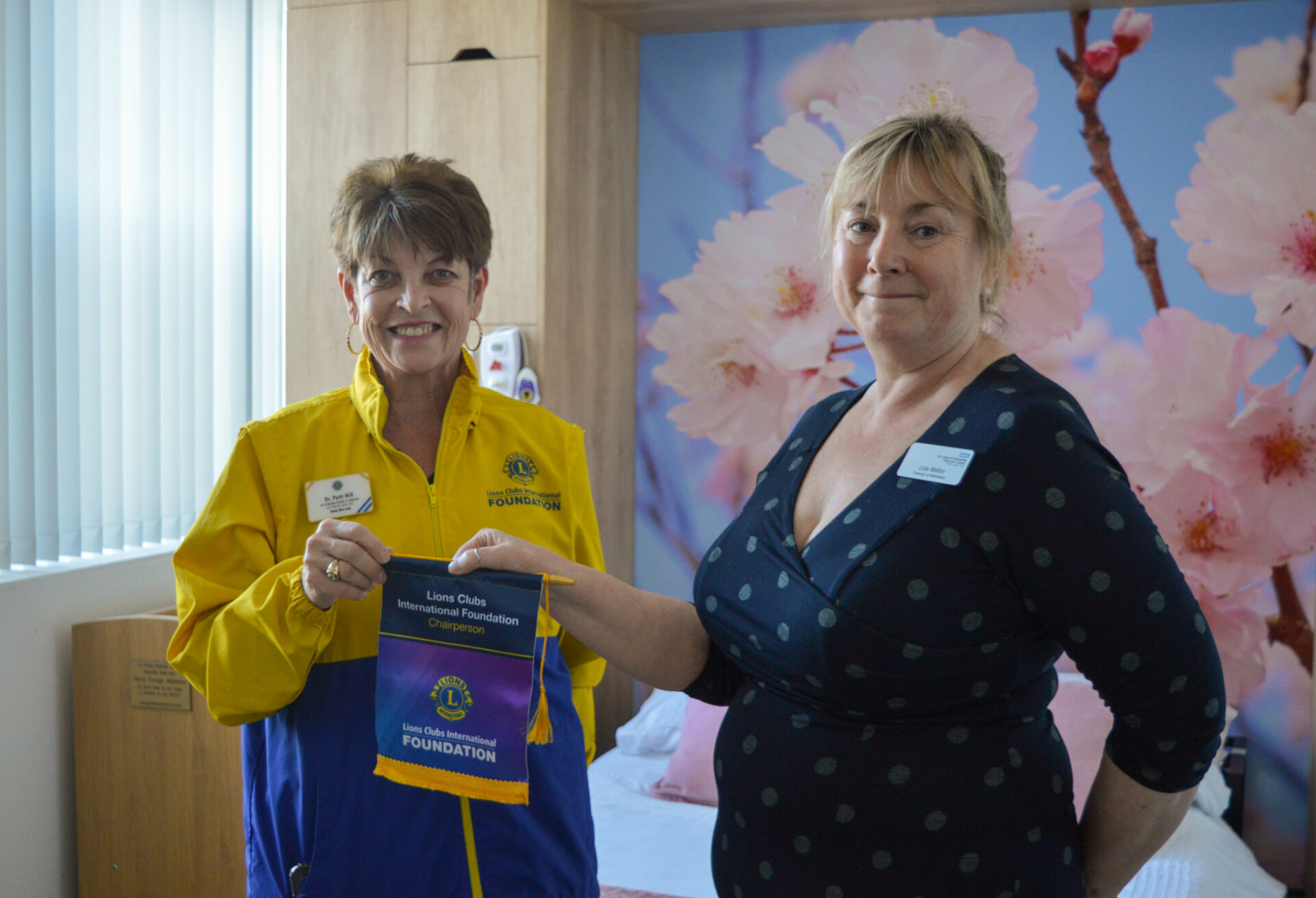
Dr Patti Hill, Chairperson of the Lions Club International Foundation (LCIF) – the charitable arm of Lions Clubs International (LCI) – visited the suite on 1 April 2025 as part of a tour of the projects supported by the LCIF.
During the visit, Dr Hill awarded the bereavement team with a special LCIF pin badge and honorary Lions flag in recognition of their dedication to supporting families during the most difficult of times.
Dr Hill said: “I was honoured to visit the facilities and to see how this innovative project brings comfort to families who are mourning the loss of a child.”

In March 2022, Doncaster and Bassetlaw Teaching Hospitals (DBTH) Charity launched the Serenity Appeal, hoping to raise £150,000 to bolster maternity bereavement services across their hospital sites.
Thorne Rural Lions and Tickhill and District Lions made an initial donation of approximately £15,000 which, following a funding application, was match funded by the LCIF.
With additional contributions, the Lions collectively raised an incredible £40,000 for the appeal, nearly a third of the entire fundraising goal.
Speaking about the collaboration between DBTH Trust, DBTH Charity and the Lions, Dr Hill said: “LCIF is proud to have supported the Lions of 105N and Doncaster Royal Infirmary. It is a reminder of the impact made possible by Lions and their community in partnership.
“You have my admiration for your support of this important humanitarian project. There are no limits to the difference we can make for people in need when we work together.”

Since opening in June 2023, the suite has supported over 70 families – 10 who stayed for 24 hours or more, and over 60 who used the space for memory making, revisiting their baby, or reviewing sensitive clinical reports related to their baby’s death and future pregnancy management.
The suite filled a vital gap, as no private or specialised space previously existed to support families through this deeply sensitive experience.
Rhian Morris, Specialist Bereavement Midwife at DBTH, said: “The Suite has already provided so many families with a more comfortable, private environment to stay in, giving them the time to say hello, whilst saying goodbye.”
Dr Hill travelled from Canada to see first-hand the impact of the Lions’ generosity and the work carried out by DBTH Charity and the bereavement team.
Alongside Dr Hill, the hospital also welcomed Lions Club members from across the UK, including representatives from Coventry, Peterborough, Doncaster and Hertfordshire.
Lois Mellor, Director of Midwifery at DBTH, said: “It was a privilege to welcome Dr. Hill and fellow members of the Lions Clubs to see the Serenity Suite. Their generosity has made a significant impact on our families, and we are deeply grateful for their continued support.”
LCIF is the charitable arm of Lions Clubs International, providing grants and matched funding which support projects by Lions Clubs around the world.
There are approximately 600 Lions clubs in the UK alone and 49,000 globally.
DBTH Charity extends a heartfelt thanks to Dr. Hill and all members of the Lions Clubs International for their compassion, commitment, and outstanding contribution to the Serenity Appeal.
Thank you to all Lions attendees – Lion Paramjit Dev (Zone Chairman), Lion Barry Goforth (Secretary, Thorne Rural Lions), Lion Ron Lindsay (District LCIF Officer), Lion David Pope and Lion Stewart Sherman-
Khan (Past Council Chairs), Lion Stu Young and Lion Gillian Swan (District Governors), Lion Andy Pemberton (Multiple District Secretary), Lion Paul Steele (Regional Development Manager for Europe and Africa), and Lion Kavaljit Dev (Council Chair, Multiple District).
About DBTH Charity:
Doncaster & Bassetlaw Teaching Hospitals’ Charity is the official charity which supports Doncaster and Bassetlaw Teaching Hospitals Trust to go above and beyond by providing additional equipment, services and amenities for our patients, visitors and staff which cannot be funded by the NHS alone.
These additional extras would not be possible without the support of our community. With your help, we can continue to work hard with our Trust to fund innovative and exciting projects that make a difference to our patients, their families and our colleagues who care for them.
Visit the charity website to find out more: https://dbthcharity.co.uk/
Content out of date? Information wrong or not clear enough? Report this page.