
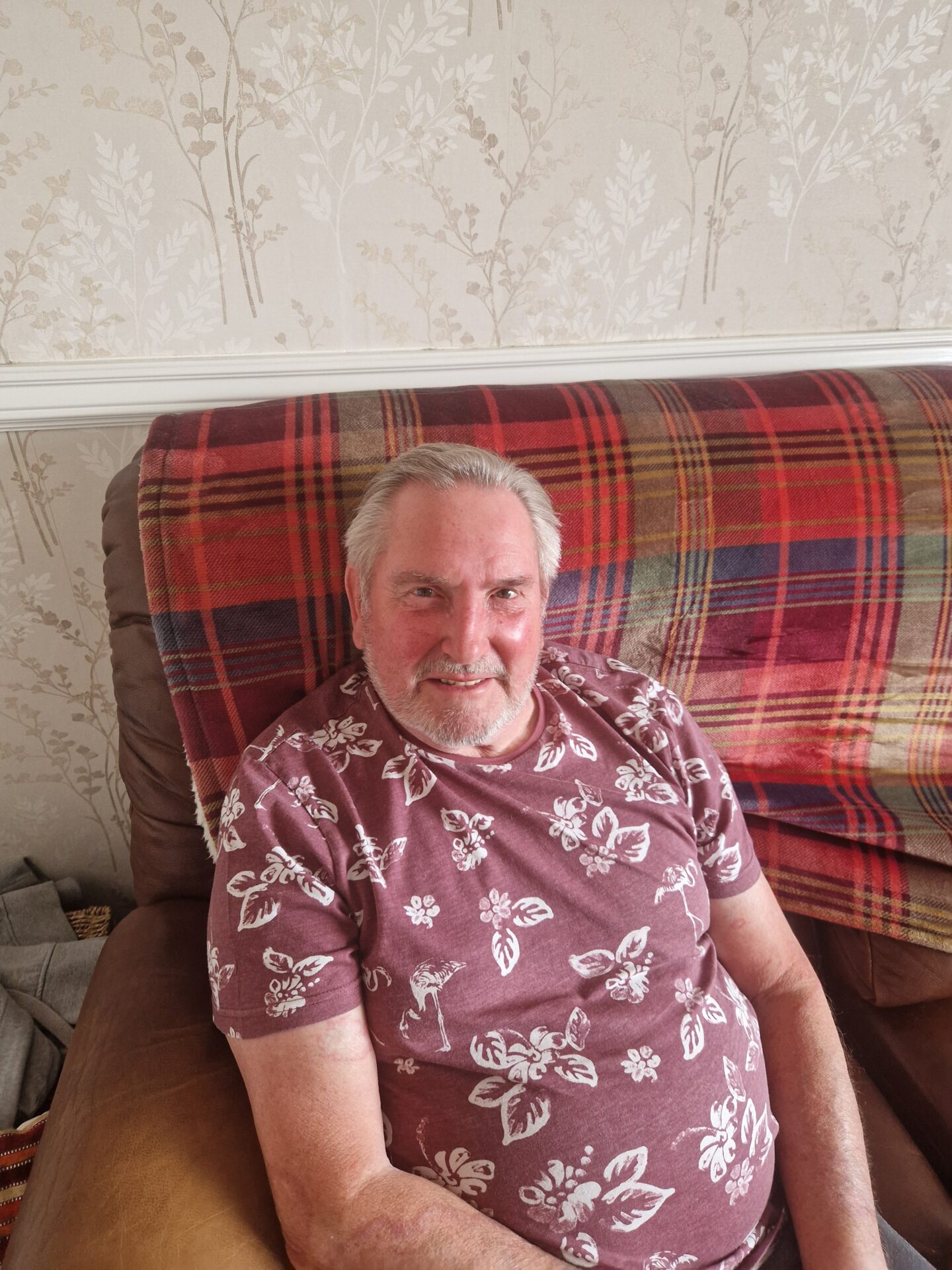
What happened on 6 March 2025 changed his life in a matter of moments.
“It was around 2pm and I was sitting at home eating a late lunch,” David recalls. “I was eating a pear when my wife suddenly told me to spit it out. I didn’t understand what she meant. She told me again because she thought I was going to choke.”
What David did not realise at the time was that he was showing the signs of a stroke. His wife noticed that his left arm had become limp and that one side of his face had started to droop. Recognising the symptoms, she immediately called 999 and contacted their daughters.
Several hours later, David arrived at Doncaster Royal Infirmary, where staff moved quickly to assess him.
David said: “I don’t remember much about those first few hours,” he says. “But I do remember the kindness and professionalism of everyone around me.”
In the Emergency Department, David was met by nurses Claire and Shelley, who arranged an urgent CT scan. The scan revealed a clot on the right side of his brain, confirming he had suffered an acute stroke.
David was transferred to Ward 16, the hospital’s specialist stroke unit, where he was assessed by Dr Khin Nyo. Following evaluation, the decision was made to administer thrombolysis, a clot-busting treatment designed to restore blood flow to the brain and minimise damage caused by stroke.
For many patients, that would have been the end of the immediate emergency. For David, however, another serious complication was about to emerge. Not long after treatment, he began experiencing severe pain in his left leg.
“I thought I had cramp in my calf and foot,” he explains. “The pain was immense. I even tried walking to see if it would ease, but it didn’t.”
Despite pain relief, the symptoms continued to worsen. Concerned by the situation, Dr Nyo requested further investigations and involved the vascular team. An MRI scan revealed a second clot positioned above David’s aortic arch. Further assessment using a portable scanner confirmed that the clot had travelled and become lodged behind his left knee, restricting blood flow to his lower leg.
A decision was made to perform emergency surgery.
Consultant Vascular Surgeon Mr Peter Tan explained the seriousness of the situation.
“Until that moment, I don’t think I’d fully appreciated how serious things were,” David recalls. “Then Mr Tan told me he would do everything possible to save my leg, but he couldn’t guarantee the outcome. He explained there was a possibility amputation might be necessary. Hearing those words was a huge shock.”
In theatre, over the course of four and a half hours, the vascular team carefully located and removed the clot in one piece. Most importantly, David’s leg was saved.
Shortly before midnight, he was transferred to the Intensive Therapy Centre to recover. By the following morning, the results were already remarkable.
The vascular team found that circulation had returned to David’s leg, with normal colour, pulse, temperature and sensation. Assessments by speech and language therapists showed no speech difficulties, while cognitive testing revealed no significant impairment.
“When the physio came to assess me, I told him I wanted to stand up,” David says. “I don’t think they were expecting that.”
With staff supporting him, David stood beside his bed and began marching gently on the spot. His determination quickly became apparent to the multidisciplinary team caring for him.
“My daughter had already warned them that I was stubborn, determined and not very patient,” he laughs.
Over the following days, David continued to exceed expectations. He progressed from short walks around the ward to climbing stairs with the physiotherapy team and successfully completed a range of cognitive assessments and practical tasks designed to assess his readiness for discharge.
“The treatment I received was nothing short of outstanding,” says David. “Nothing was too much trouble. The professionalism, compassion and kindness shown by everyone was incredible.”
Throughout his stay, he was supported by stroke consultants, vascular specialists, nurses, therapists, healthcare assistants and ward staff, many of whom returned to check on his progress even when they were no longer directly caring for him.
After just four days in hospital, David was discharged home. Reflecting on his recovery one year later, he remains deeply grateful for the care he received and aware of how close he came to a very different outcome.
“Emotionally, it took time to understand how serious the situation had been and how lucky I was to survive with so little impairment,” he says.
While he still experiences some aching in his left leg, occasional fatigue and a slight limp, he has returned to living an active and independent life.
“I’ve learned to adapt. My family understand that I don’t have quite the same stamina I once had, but I focus on what I can do rather than what I can’t.”
Today, David continues to spend time at his allotment and enjoys life with his family, grateful for what he describes as “the gift of extra time”.
He also has a message for anyone recovering from a stroke: “If you’re able to, challenge yourself a little every day. Keep your mind active, do some gentle exercise, walk a little further when you can and get out into the fresh air. Above all else, smile. You’re one of the lucky ones. You’re a survivor.”
David is keen to thank every member of staff involved in his care, including Mr Peter Tan, Dr Khin Nyo, Dr Saad Ghaus, Dr Mok, the nursing teams, therapists, physiotherapists and support staff at Doncaster Royal Infirmary.
“There is nothing I can do to repay you for the gift of my extended life,” he says. “I will always be grateful for the care, expertise and compassion shown to me and my family. Thank goodness for the NHS. It gave me a second chance.”
Content out of date? Information wrong or not clear enough? Report this page.
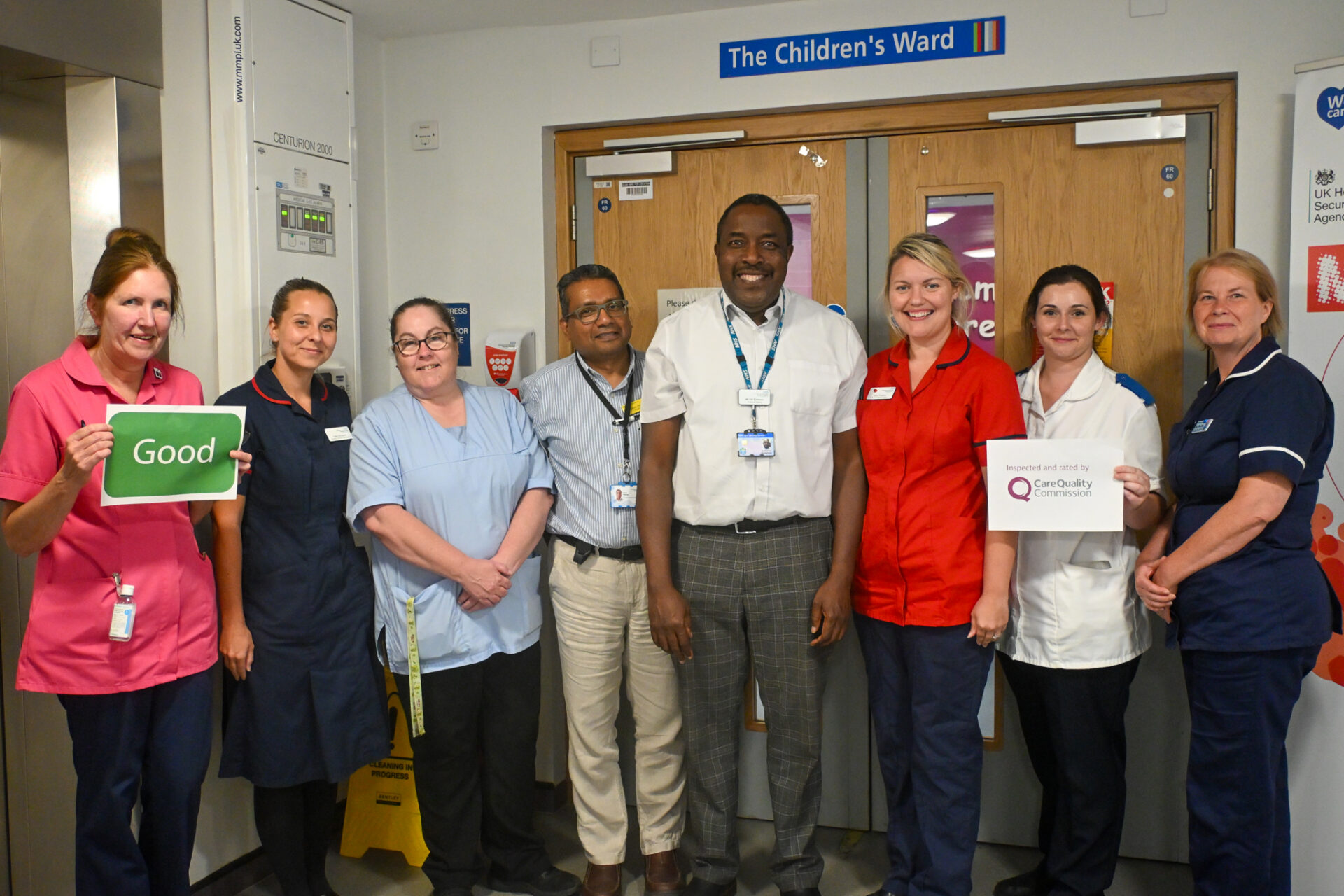
The inspections, carried out in April and May under the CQC’s new Single Assessment Framework, focused specifically on the care provided to children and young people across both hospitals.
Inspectors awarded Good ratings across all five assessment areas – Safe, Effective, Caring, Responsive and Well-led – recognising the quality of care being delivered and the significant progress made since previous inspections.
During the visits, inspectors spoke with colleagues, patients, parents and carers, observed care, reviewed patient records and considered a wide range of evidence about how services are led and delivered.
The reports praise the compassion and professionalism shown by colleagues, describing a caring culture where children, young people and their families are treated with kindness, dignity and respect.
Inspectors found children generally received timely care from skilled multidisciplinary teams, with strong safeguarding arrangements, positive leadership and an open culture that encouraged learning from incidents and continuous improvement.
The CQC also recognised improvements in areas that had previously been identified for development, including the support available for children experiencing mental health crises, stronger governance arrangements and improvements in safety, with Children’s Services at Doncaster Royal Infirmary improving from Requires Improvement to Good for the Safe assessment.
As with any inspection, the reports also identify opportunities to improve further. These include continuing to strengthen compliance with some mandatory training requirements, improving how actions arising from audits are tracked and embedding longer-term strategic planning for children’s services.
The Trust has already begun work to address these areas as part of its wider quality improvement programme.
Karen Jessop, Chief Nurse at Doncaster and Bassetlaw Teaching Hospitals, said: “These reports are a real credit to everyone involved in caring for children, young people and their families across our hospitals. They recognise the commitment, compassion and professionalism our colleagues demonstrate every day, often in very busy and challenging environments.
“We’re particularly pleased that the CQC has recognised the progress we’ve made since previous inspections. The improvements highlighted in safety, leadership, governance and patient experience reflect a huge amount of work from colleagues across many different teams, and most importantly they mean better care for the patients and families who rely on our services.
“At the same time, we know there is always more to do. We welcome the areas identified by inspectors where we can continue to improve and have already started work to build on this progress. Quality improvement is never about reaching a finish line; it’s about continually challenging ourselves to provide the safest, highest quality care possible.”
The inspections focused specifically on Children’s Services and do not represent a full reassessment of either hospital. While the overall hospital ratings remain unchanged, the Good ratings for Children’s Services provide important recognition of the progress made in those services and will contribute to the evidence considered by the CQC in future assessments of the wider organisation.
Content out of date? Information wrong or not clear enough? Report this page.
There are some changes to car park payment arrangements at Doncaster Royal Infirmary and Bassetlaw Hospital.
These changes are now in place and affect how some car parks operate, including when and how payment is made.
There are no changes to parking charges or existing concession arrangements.
Doncaster Royal Infirmary
The Women’s and Children’s patient and visitor car park will move from a pay on exit system to a pay and display system.
Visitors using this car park will need to purchase a valid ticket from the payment machines when they arrive and display it as instructed.
Bassetlaw Hospital
New barriers have been installed at the Blyth Road Patients and Visitors Car Park, Triangle Car Park and Clinical Therapy Car Park.
These car parks will continue to operate using a pay on exit system. Visitors will need to pay before leaving the car park to allow the exit barrier to open.
For full information about car parking, including charges, concessions and guidance for patients and visitors, please visit our car parking pages:
Thank you for your understanding and cooperation.
Content out of date? Information wrong or not clear enough? Report this page.
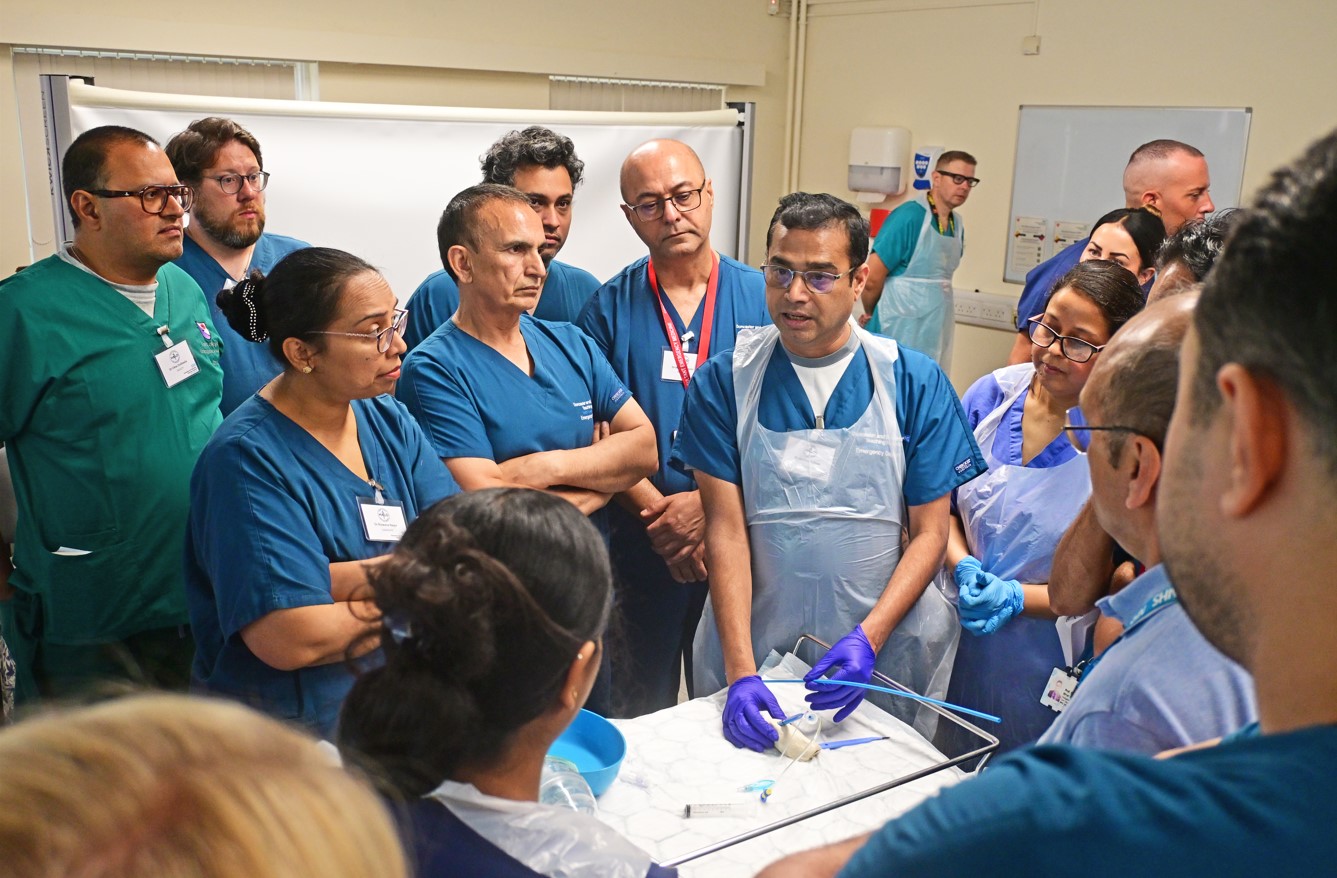
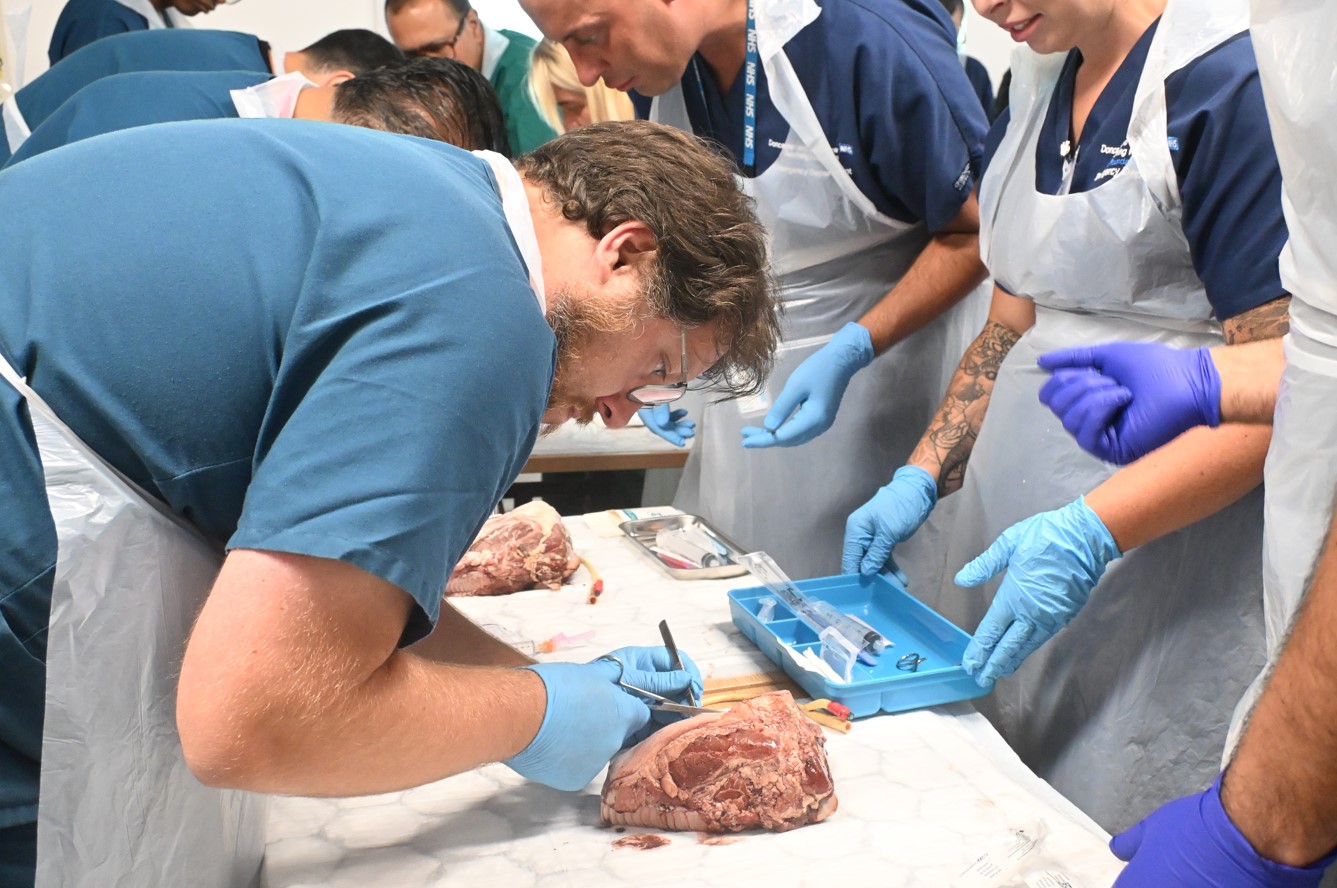
The High Acuity Low Occurrence (HALO) course brought together 18 members of the Emergency Department team, including doctors and senior nurses, to learn and practise the skills needed for rare but life-threatening emergencies.
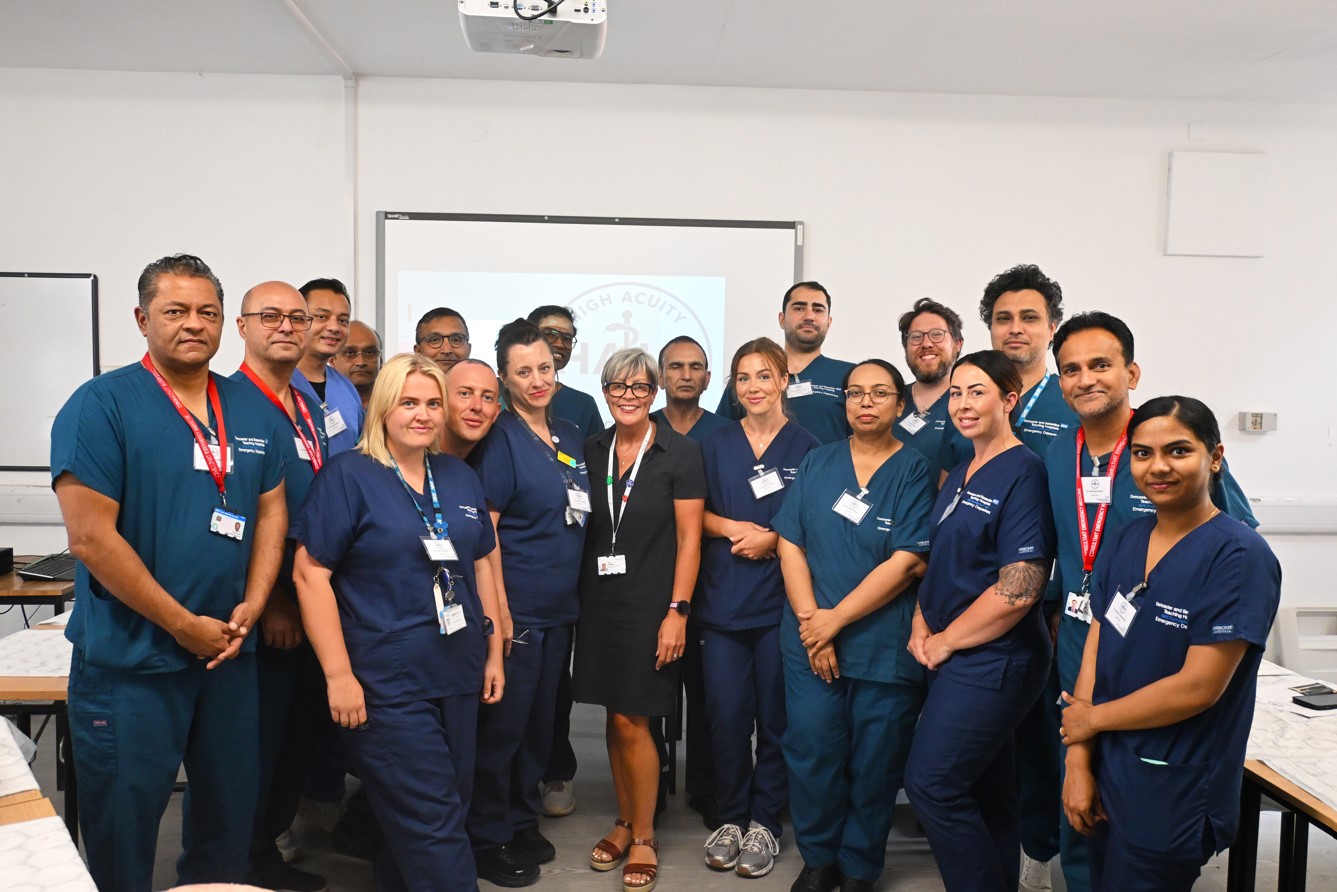
Developed and delivered by DBTH’s Emergency Department, Trauma and Education teams, the course focused on procedures that staff may not perform often but need to be ready for at a moment’s notice. These included managing blocked airways, draining fluid from around the heart, caring for pregnant women during cardiac arrest and treating patients with severe traumatic injuries.
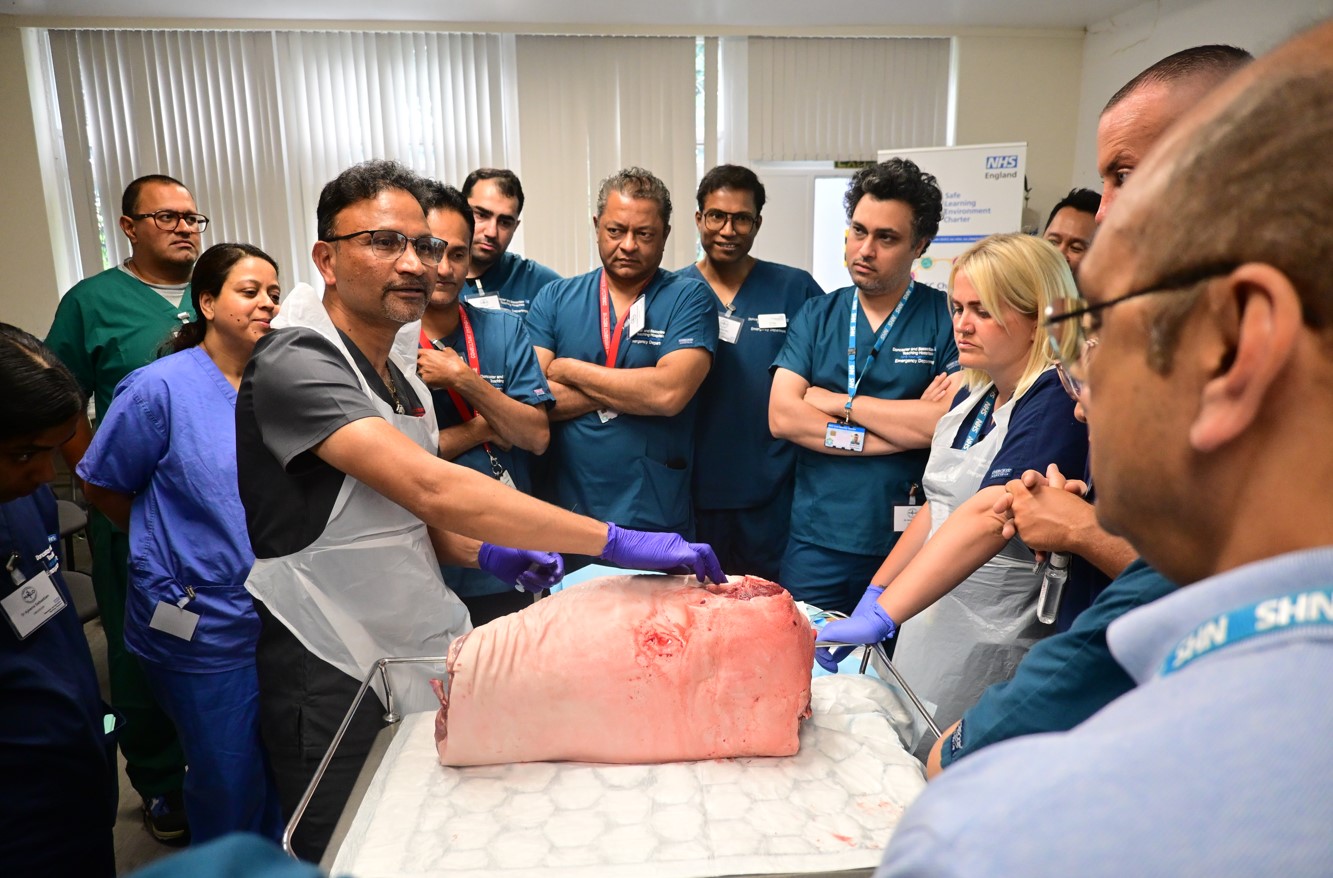
As in real-life emergencies, doctors and nurses trained side by side throughout the day. To make the training as realistic as possible, practical sessions used specially prepared animal tissue commonly used in medical education, giving participants the opportunity to practise complex emergency procedures in a safe, highly realistic environment before performing them on patients.
Sam Debbage, Director of Education at DBTH, said: “The course provided an excellent opportunity for our medical and nursing colleagues in the Emergency Department to come together and learn as one team.
“By training side by side in realistic emergency scenarios, they were able to build confidence, strengthen communication and better understand each other’s roles. Ultimately, that teamwork helps ensure we’re able to provide the safest, highest-quality care for patients when they need us most.”
Following the success of the course, DBTH hopes to offer more HALO training in the future, giving even more colleagues the opportunity to develop the specialist skills needed to care for some of the sickest patients who come through the Emergency Department.
Content out of date? Information wrong or not clear enough? Report this page.
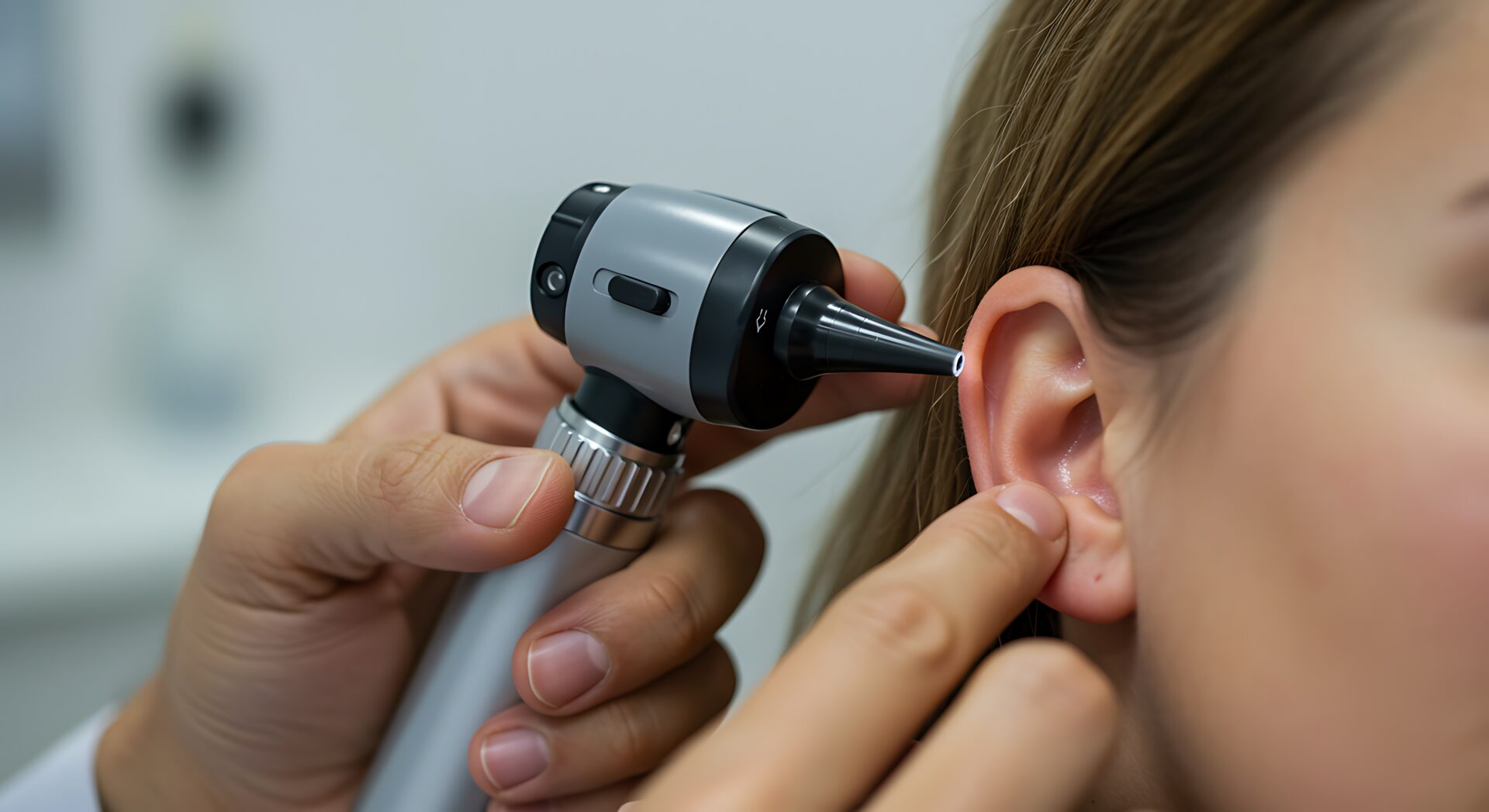
Audiology appointments are essential in identifying and managing hearing difficulties, particularly in young children, where early assessment and support can have a significant impact on speech, language and overall development.
However, the Trust is currently experiencing a high number of appointments where patients do not attend or are cancelled at short notice, meaning valuable clinic time cannot always be offered to another child in need.
Parents and carers who are unable to attend are encouraged to contact the service as soon as possible so their appointment can be offered to another family.
Dr Nick Mallaband, Chief Medical Officer at Doncaster and Bassetlaw Teaching Hospitals, said: “We know that family life can be busy and that plans sometimes change, but every Audiology appointment is important. Identifying hearing difficulties early gives children the best possible opportunity to develop their speech, language and communication skills.
“When appointments are missed without notice, it not only delays that child’s care but also means another family misses the opportunity to be seen sooner. If you cannot attend, please let us know as early as possible so we can offer your appointment to another child who is waiting.”
The Trust is asking families to:
- Attend appointments on the scheduled date and time.
- If this isn’t possible, contact the Audiology Service to cancel or rearrange by calling 01302 642763 or messaging dbth.childrens.audiology@nhs.net.
By working together, families and the Trust can help make the best use of available appointments, reduce waiting times and ensure children receive timely assessment and support for hearing difficulties.
Content out of date? Information wrong or not clear enough? Report this page.
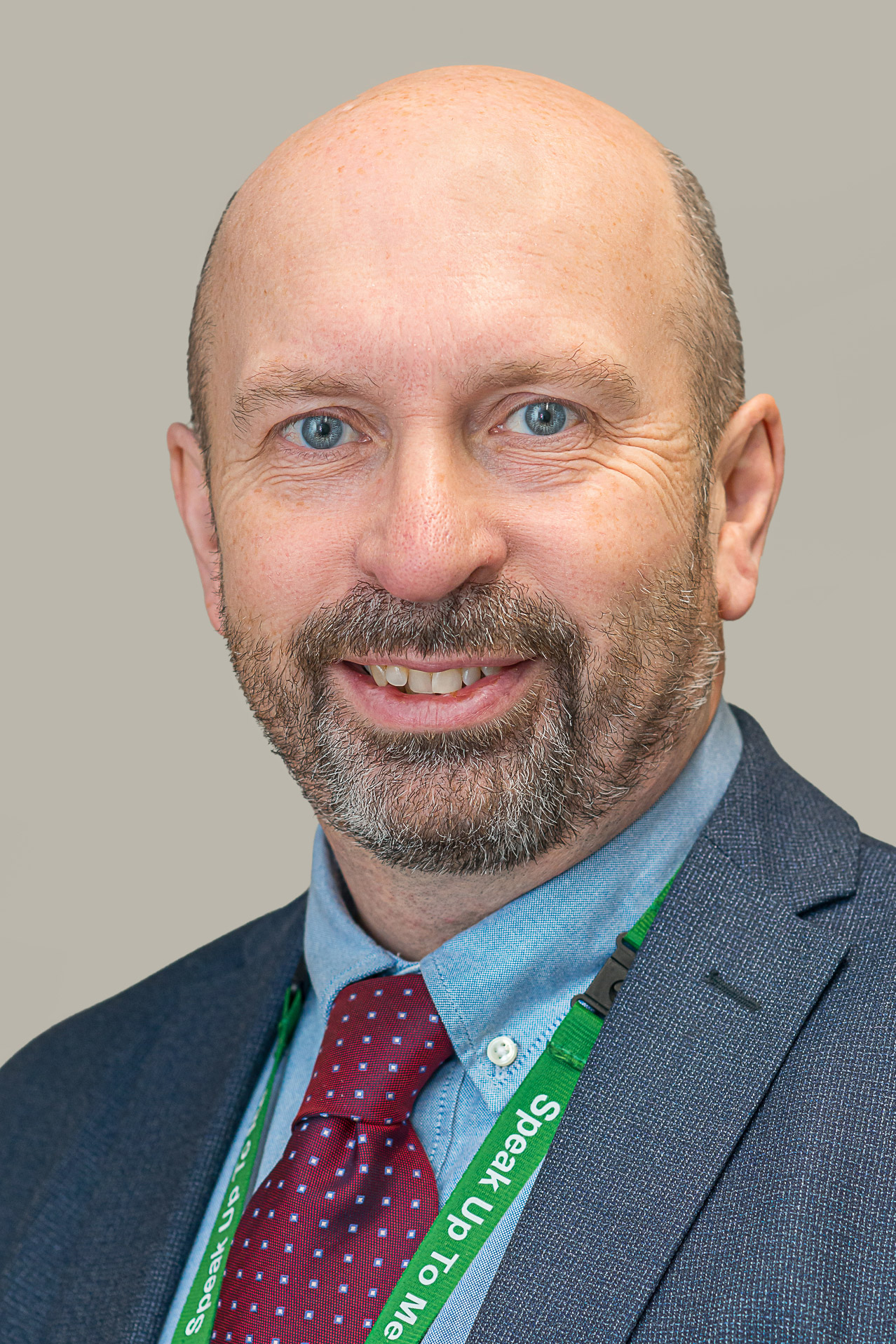
The appointment has been agreed by the Boards of Directors at DBTH, Barnsley Hospital NHS Foundation Trust and The Rotherham NHS Foundation Trust.
Dr Jenkins will take on the role at DBTH alongside his existing position as Joint Chief Executive of the Barnsley and Rotherham trusts.
The arrangement builds on the successful partnership already established between Barnsley and Rotherham, creating further opportunities to share expertise, develop colleagues and strengthen services across South Yorkshire and North Nottinghamshire.
It also supports DBTH as it continues its programme of improvement and delivery of its Three-Year Plan.
Importantly, there are no changes to the way patients access NHS services. All three Trusts will remain independent NHS foundation trusts, each with its own Board of Directors, Executive Team and statutory responsibilities, while decisions about local services will continue to be made locally.
A former consultant physician specialising in diabetes and endocrinology, Dr Jenkins has served as Chief Executive of Barnsley Hospital NHS Foundation Trust since 2017 and has led Barnsley Hospital NHS Foundation Trust and The Rotherham NHS Foundation Trust through one of the NHS’s longest-established shared Chief Executive arrangements since 2020.
During his tenure, the two organisations have strengthened clinical collaboration, shared expertise and created new opportunities for colleagues while maintaining each Trust’s independence and local accountability, an approach that has seen Richard recognised among the Health Service Journal’s Top 50 NHS Chief Executives for five consecutive years.
In a joint statement, Mark Bailey, Chair of Doncaster and Bassetlaw Teaching Hospitals, and Dr Mike Richmond, Chair of Barnsley Hospital NHS Foundation Trust and The Rotherham NHS Foundation Trust, said: “We are pleased that Richard has agreed to take on this role.
“DBTH has made significant progress in recent years, while Barnsley and Rotherham have demonstrated how organisations can work successfully together whilst remaining independent and focused on the needs of their local communities.
“Our three organisations already have a strong track record of collaboration, including through the Mexborough Elective Orthopaedic Centre, which is helping reduce waiting times and improve access to planned care. Richard’s appointment builds on those foundations, creating further opportunities to share expertise, strengthen services and develop colleagues where this benefits patients.
“Each Trust will remain an independent NHS foundation trust, with its own Board, Executive Team and statutory responsibilities. Patients will continue to access services exactly as they do today, and decisions about local services will continue to be made locally.”
Speaking about the appointment, Dr Jenkins said: “I’m proud to continue leading Barnsley Hospital NHS Foundation Trust and The Rotherham NHS Foundation Trust, and pleased to take additional responsibilities at Doncaster and Bassetlaw Teaching Hospitals. I look forward to building on the strong foundations already in place and creating new opportunities for our three organisations to learn from one another where that benefits patients and colleagues.
“Healthcare is, above all, about people. The dedication, compassion and expertise of colleagues make the biggest difference to patients every day, and I’m looking forward to meeting colleagues across DBTH, getting to know our communities and supporting the excellent work already underway.
“This appointment also has real personal significance for me. I began my career as a resident doctor at Doncaster Royal Infirmary and Montagu Hospital, so returning to the Trust in this role feels like coming full circle.”
Dr Jenkins will take up the role on 17 August 2026. Until then, Zara Jones will continue as Acting Chief Executive, ensuring a smooth transition before returning to her substantive role as Deputy Chief Executive ahead of taking up her new role as Chief Executive of East Cheshire NHS Trust in early October.
Content out of date? Information wrong or not clear enough? Report this page.
This period is typically a busy time for everyone, and colleagues at DBTH are asking individuals to prioritise their health and ensure that scheduled appointments are attended as normal.
Each year, the Trust undertakes around half a million outpatient appointments across its three sites, as well as off-site clinics. Unfortunately, around 8% of all scheduled appointments go unattended.
These missed appointments not only impact individual health but also mean that valuable appointment slots could have been used by other patients in need of care and treatment.
Denise Smith, Chief Operating Officer, said: “As we head into the school holiday period, we understand that this is a busy time and lots of people head off on holiday. However, we strongly encourage everyone to keep, or re-arrange, their hospital appointments.
“Attending these appointments is vital for your health and wellbeing, and by letting us know ahead of time if you cannot attend, also ensures that we can provide timely care to other patients.”
To help manage appointments efficiently, the Trust uses a digital system to send important information via email and text messages from 07860 039 092. To avoid any confusion, the Trust recommends that residents save this number as a contact in their mobile device’s address book.
For those without a mobile phone number on record, paper letters and correspondence will continue to be sent. If you have difficulty accessing the digital system, you can give consent for a family member or carer to manage it on your behalf. Please ensure you provide their private email address and telephone/mobile number, and obtain their consent.
Denise added: “By reducing the number of missed appointments, we can make sure we make best use of our clinics, seeing as many patients as possible and reducing waiting times for everyone. Your cooperation during this busy holiday period is greatly appreciated.”
Individuals can rearrange or cancel their appointment by accessing the patient portal, emailing dbth.contactcentre@nhs.net, or calling 01302 642500.
For more information about your appointment at Doncaster and Bassetlaw Teaching Hospitals to: https://www.dbth.nhs.uk/patients-visitors/changing-or-cancelling-your-appointments/
Content out of date? Information wrong or not clear enough? Report this page.
Non-Executive Directors (NEDs) play an important role in NHS organisations. They provide independent oversight, support and constructive challenge to executive decision-making, and help ensure organisations remain focused on delivering safe, high-quality care for patients. NEDs also contribute to good governance, financial oversight and accountability to local communities.
A highly experienced public sector leader, Nadeem brings more than 25 years of senior leadership experience spanning local government, the NHS, voluntary and community sectors, and public service transformation.
Throughout his career, he has held executive and board-level roles, leading major programmes focused on community engagement, organisational transformation, equality, diversity and inclusion, customer experience, wellbeing and strategic partnerships.
His previous roles include senior leadership positions at Oxford City Council, the Royal Borough of Kensington and Chelsea, Islington Council and Doncaster Council, as well as leadership roles within the NHS.
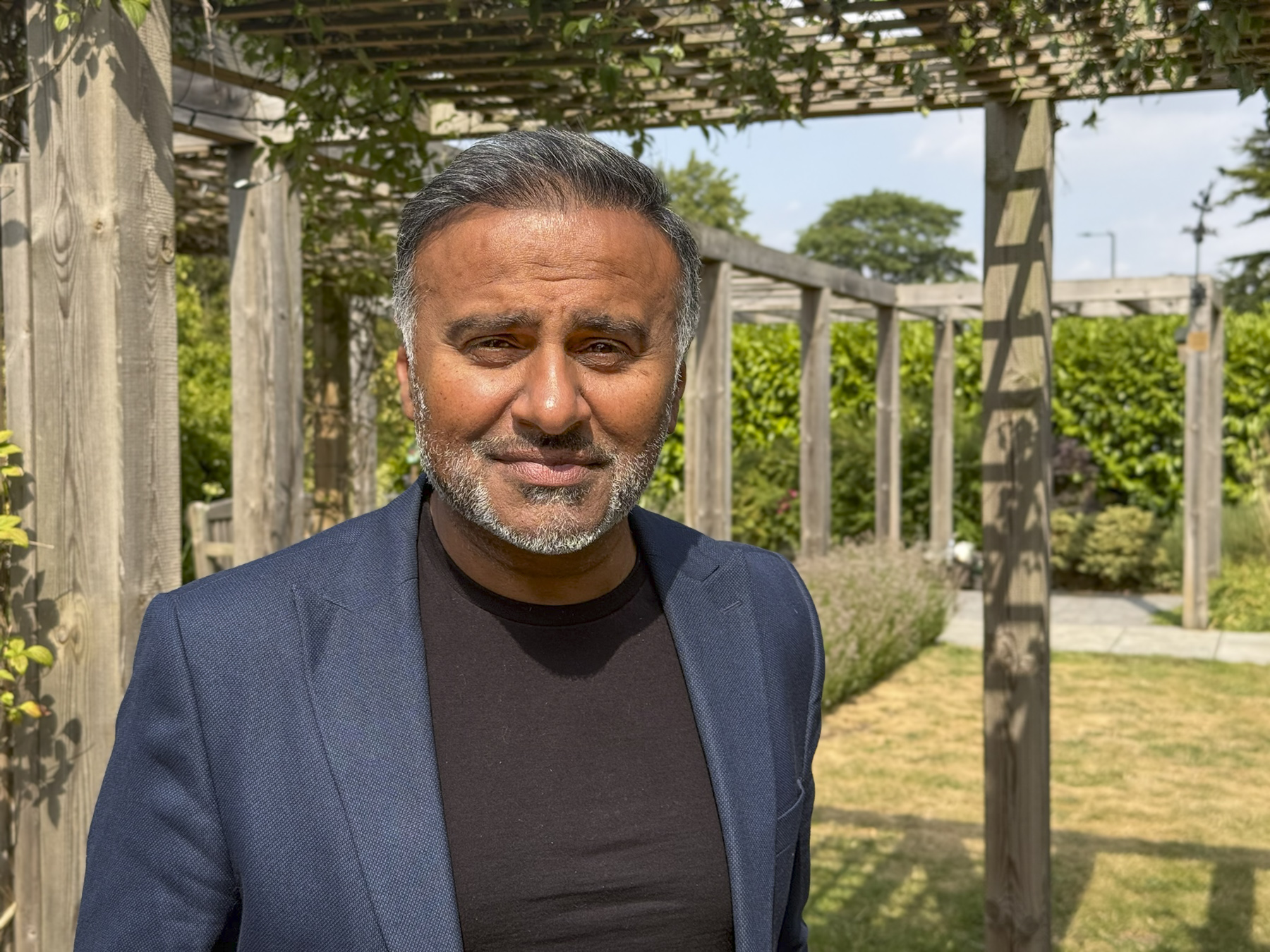
Originally from Sheffield, Nadeem moved to Doncaster in 2003 and has made the city his home ever since.
Commenting on his appointment, Nadeem said: “I am honoured to join the Board of Doncaster and Bassetlaw Teaching Hospitals. Throughout my career, I have been driven by a commitment to public service and a belief that organisations achieve the best outcomes when they build strong, trusting relationships with the communities they serve.
“Healthcare services are at their strongest when they are shaped by the experiences and perspectives of the people who use them, the colleagues who deliver them, and the communities they exist to support. Ensuring those voices are heard and reflected in decision-making is something I am deeply passionate about.
“As someone who lives in Doncaster and has longstanding connections to the city, I am looking forward to supporting the Trust’s continued focus on delivering high-quality care, tackling inequalities and strengthening partnerships that improve outcomes for local people.”
Mark Bailey, Chair of Doncaster and Bassetlaw Teaching Hospitals, said: “We are pleased to welcome Nadeem to the Board at an important time for our organisation and the wider NHS. He brings extensive experience across health, local government and the voluntary sector, alongside a strong track record of leading change and delivering improvement in complex organisations.
“Non-Executive Directors play a vital role in providing support, challenge and independent oversight, and I know Nadeem will make a valuable contribution to our Board discussions. His experience, strategic thinking and commitment to public service will help us continue to deliver the best possible care for our patients and communities.”
Nadeem began his role as a Non-Executive Director on 20 July.
Content out of date? Information wrong or not clear enough? Report this page.
In 2017, Natalie was pregnant with her second child when she first began experiencing problems. She said: “I was in my last trimester and started having abdominal pain, weight loss and fatigue amongst other symptoms.
“I spoke to my family about it, and they mentioned that it could be IBD, as it runs in our family.”
Based in the Dietetics department at Doncaster Royal Infirmary, Natalie raised her concerns with healthcare professionals. However, because she was pregnant, investigations including a colonoscopy could not take place until after she had given birth.
She continued: “I gave birth in May and was then placed under the care of the gastroenterology team, who arranged for me to have a colonoscopy later that summer. Following the tests, I was diagnosed with IBD.
“Thankfully, I was started on medication straight away, which really helped alleviate my symptoms.”
However, earlier this year Natalie experienced another flare-up and was admitted to the Emergency Department at Doncaster Royal Infirmary in March.
“I needed to be cautious as I have underlying health issues, and my medication had stopped working,” she explained. “I ended up staying on Ward 24 (Gastroenterology) for a few days and was very well looked after.”
Natalie was subsequently started on a new medication, which she now receives every eight weeks at the Diagnostic Day Unit (DDU) through intravenous therapy (IV).
Speaking about her recovery, Natalie said: “I’m doing much better now compared to when everything first flared up a couple of months ago. The staff on DDU have been so friendly, and the care and support I’ve received from the IBD nursing team has been excellent.
“I want to share my story because there is still such a stigma around digestive conditions and talking openly about them. I felt embarrassed and ashamed at first, but there is absolutely nothing to be embarrassed or ashamed about.”
Dr Jen Wood, Natalie’s consultant, added: “It is fantastic that Natalie felt able to raise her concerns in 2017, as it meant we were able to diagnose her condition and begin treatment.
“However, we know many people still feel too embarrassed to seek help or speak to their doctor about digestive symptoms.
“If you are worried about any symptoms you may be experiencing, please do not hesitate to contact your GP practice for advice.”
For further information on the symptoms of IBD, please visit https://www.nhs.uk/conditions/inflammatory-bowel-disease/
Content out of date? Information wrong or not clear enough? Report this page.
- Attending your appointment on the date and time provided.
- Letting us know as soon as possible if you need to cancel or rearrange by calling 01302 642763.
- Arriving on time so your child can receive their full assessment.

Content out of date? Information wrong or not clear enough? Report this page.