
The event created a welcoming space for people to share their experiences, learn about support available within local NHS services, and see how feedback is already driving improvements in care.
A series of presentations in the site’s Lecture Theatre highlighted key themes, including how patient feedback is being used to improve experience, wider work around accessibility and support for carers, and a powerful session on inclusive communication led by a family member sharing their mother’s experience as a patient.
The event also gave attendees the opportunity to understand more about work being undertaken across local hospitals to improve access to a range of interpreter and translation services.
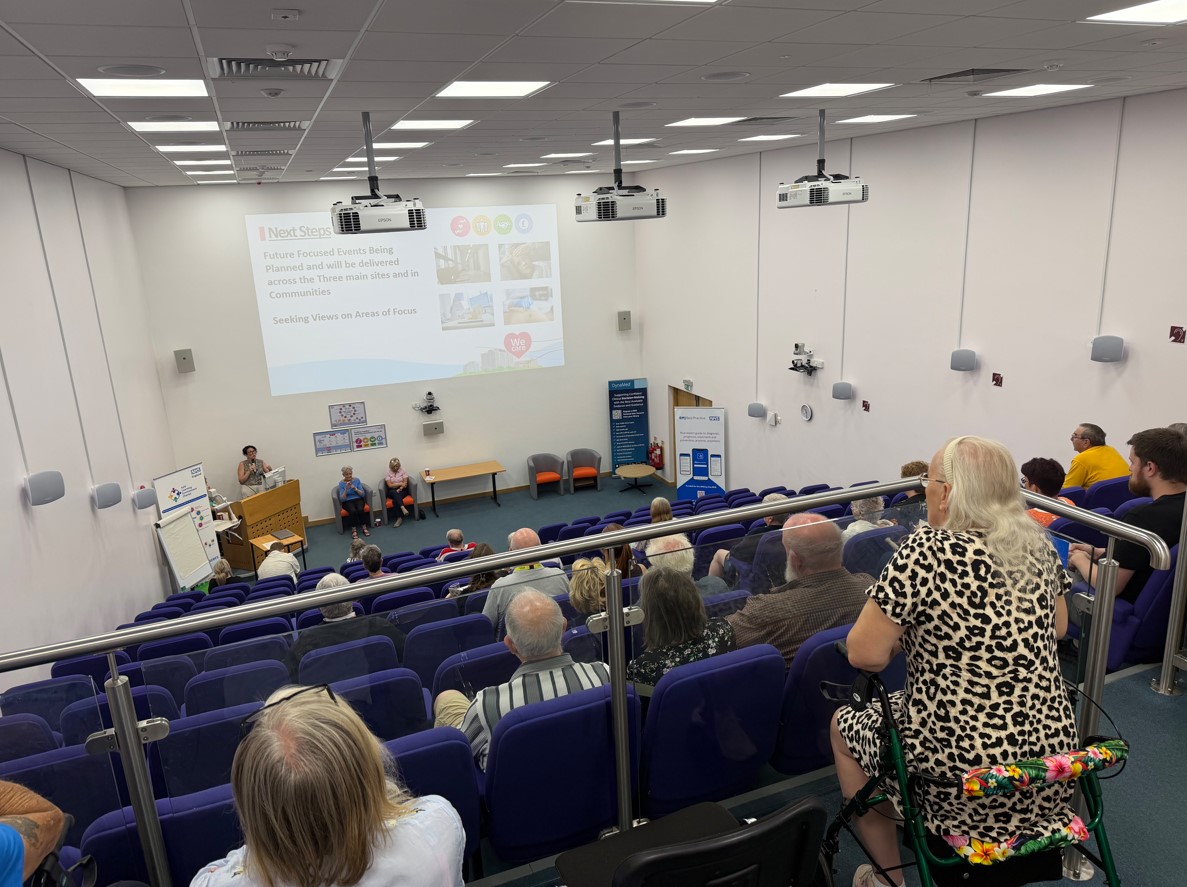
This includes video relay, telephone and face-to-face support, helping to improve access to British Sign Language and spoken interpretation services available 24 hours a day.
Alongside this, attendees took part in facilitated “conversation café” discussions, exploring topics such as access, communication and future priorities, helping to draw out honest insights and shared themes from across the community.
A range of stalls hosted by partner organisations and Trust teams provided opportunities for one-to-one conversations, advice and demonstrations. These proved particularly popular, sparking meaningful discussions and helping people connect with services and opportunities to get involved.
Kirsty Clarke, Associate Chief Nurse, and lead for patient experience at the Trust said: “We’d like to thank everyone who attended and shared their experiences so openly and honestly. Hearing directly from patients, carers and our communities is essential, and it’s important that we continue to work in partnership to shape improvements and changes in care.
“There was a real sense of collaboration throughout the day, and it was encouraging to see people wanting to stay involved and be part of shaping our services going forward. This is not about a single event, but about building stronger, ongoing partnerships so lived experience helps shape how our services develop.”
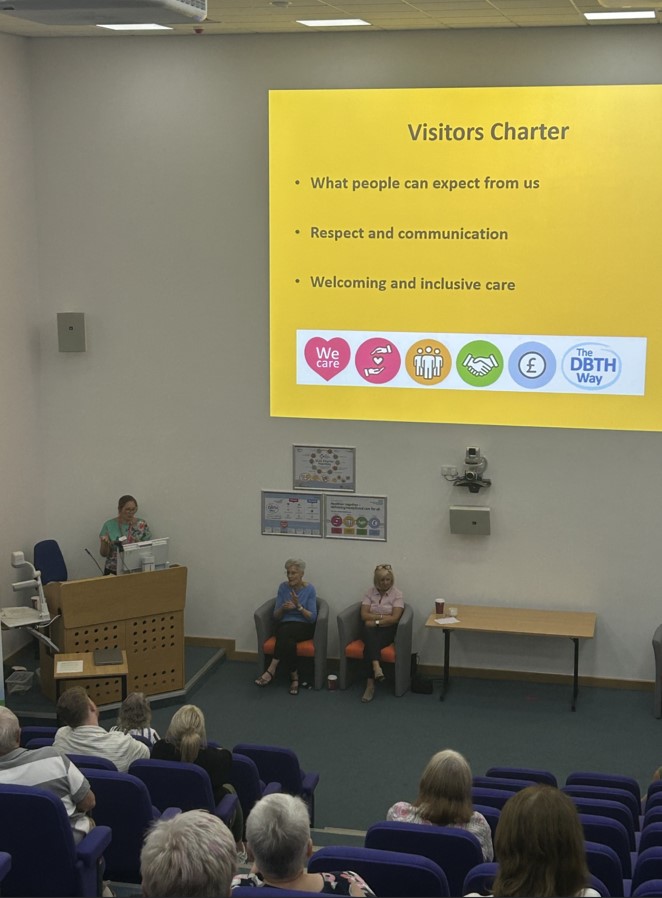
The event has already led to increased community involvement, with a number of attendees signing up to become Community Connectors and others expressing interest in supporting future initiatives, including one individual registering to take part in the Trust’s upcoming charity abseil.
The Trust will now review the feedback gathered and use it to inform ongoing improvements to services. The event forms part of wider work to strengthen how patient, carer and community voices help shape improvement and change across the organisation.
As part of this commitment, there will be a clear focus on feeding back to those who took part, ensuring patients, carers and community members can see how their experiences and suggestions are influencing decisions and service development.
Content out of date? Information wrong or not clear enough? Report this page.
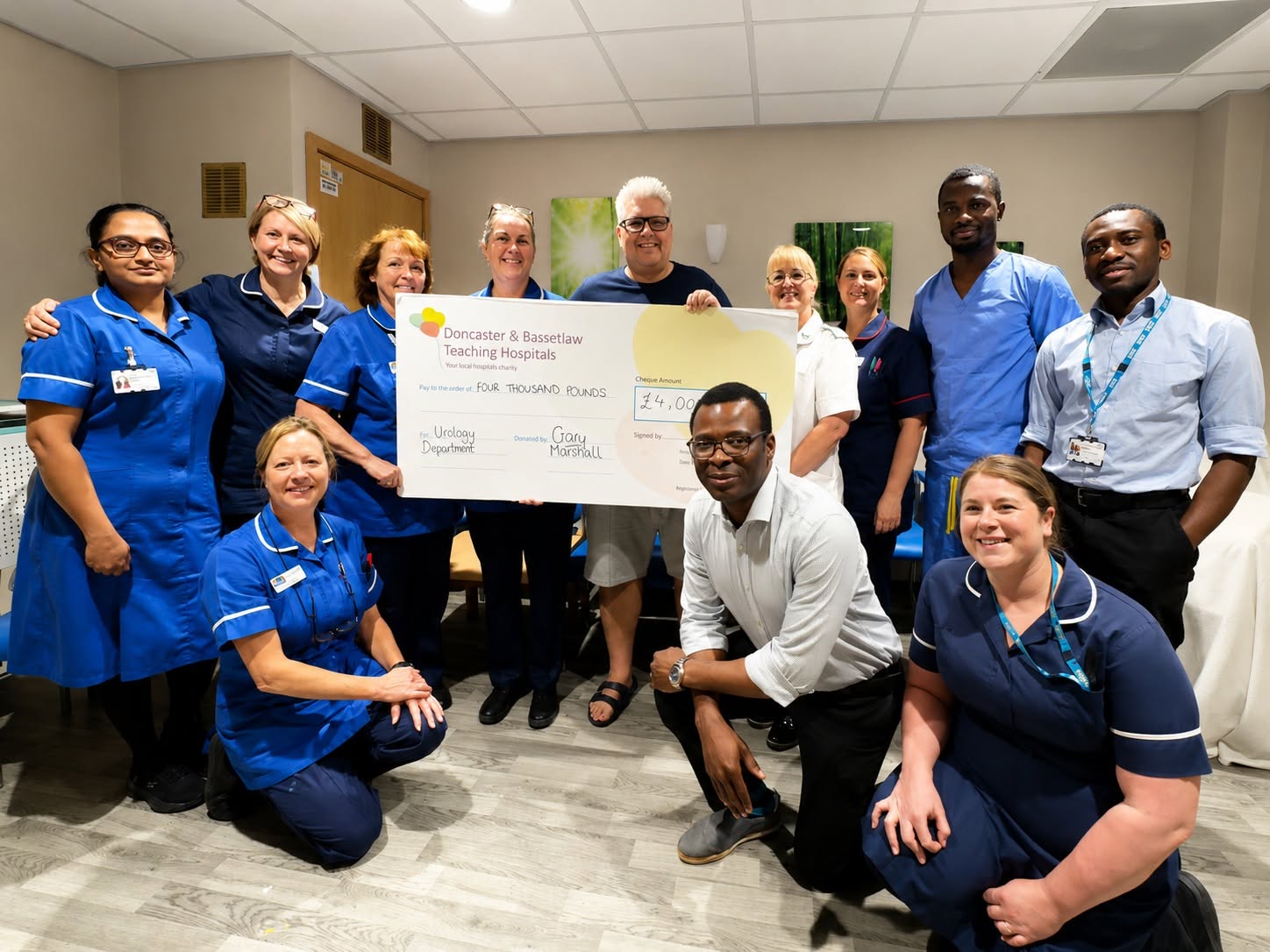
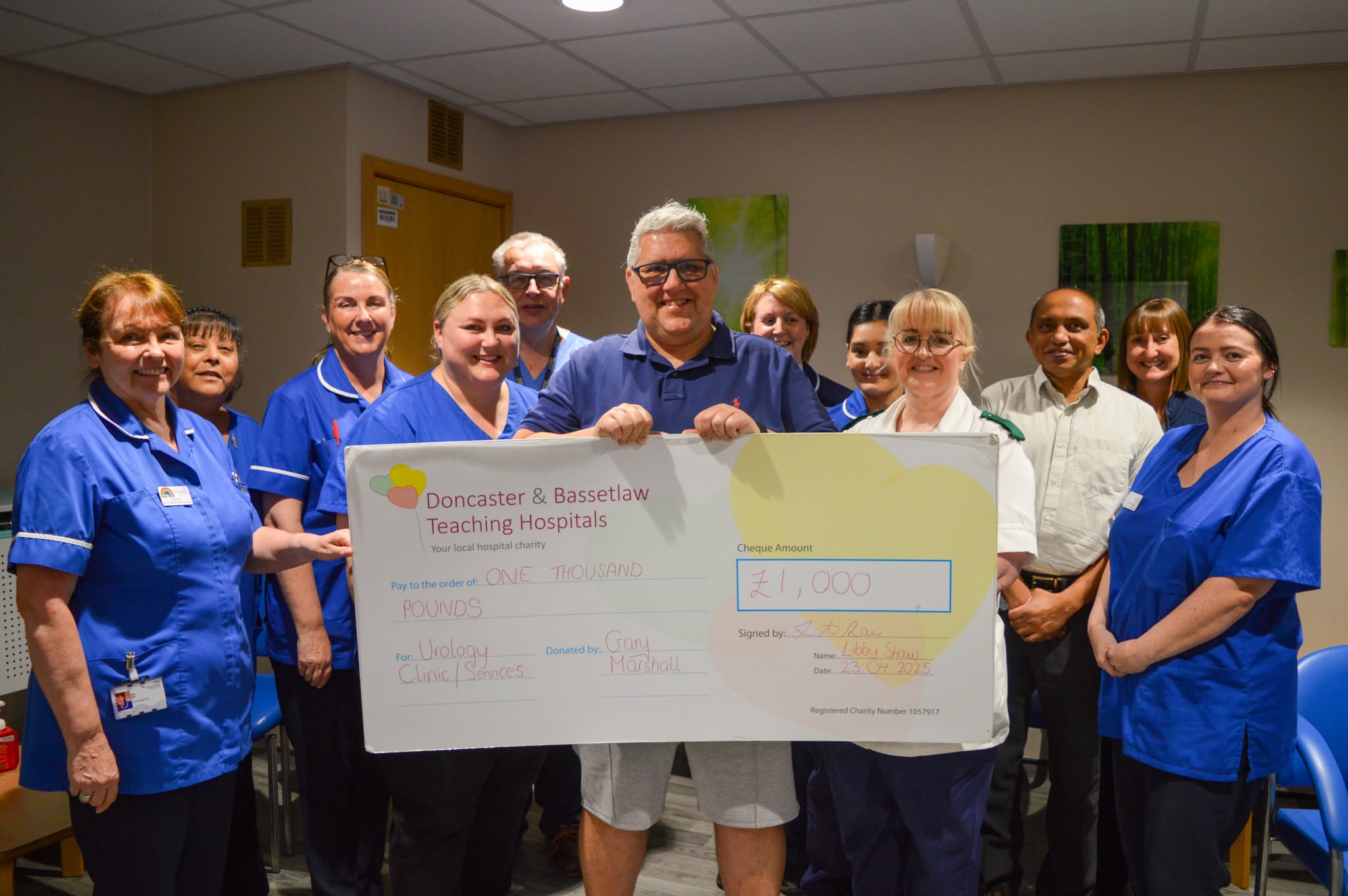
Gary Dunnicliff, who has been performing stand-up comedy for nearly 40 years, organised three sell-out comedy and variety shows over the last year in aid of the department providing his care.
The 61-year-old, who goes by the stage name ‘Gary Marshall’, said: “The Urology department has been brilliant with my treatment. It was amazing how quickly everything was done.”
In July 2024, Gary was referred to the department after doctors discovered he had a raised prostate-specific antigen (PSA) level of 20ng/ml.
A PSA test is a blood test that helps detect conditions affecting the prostate, including prostate cancer or an enlarged prostate, according to NHS.UK.
Within two weeks of his initial referral to the department, Gary had received a diagnosis for prostate cancer, and had an MRI scan, a biopsy, a CAT scan and a full body scan.
He was also given hormone tablets to bring his PSA down.
Sadly, scans confirmed the cancer was metastatic – it had spread from Gary’s prostate to his bone.
Gary said: “I know deep down what’s going to happen but to keep me going for this long – it’s great.”
One in eight men will receive a diagnosis of prostate cancer in their lifetime, according to Prostate Cancer UK, but there is currently no national NHS screening programme for the condition.
Gary said: “Similar to breast and cervical screening, prostate checks should be mandatory from the age of 50 as early diagnosis can make such a difference.”
Gary has been organising comedy afternoons for years to support different causes, but since his diagnosis he has made the Urology Department the focus of his fundraising.
He said: “I’m delighted that I can give something back and help more men of my age.”
In March 2025, Gary hosted the first show at the Woodfield Social Club, raising £1,000.
The event featured acts such as MC Hammersmith, Hayley Ellis, Sean Percival and Jamie Sutherland, alongside musical performances from Adrenaline 2 and John C Morgan.
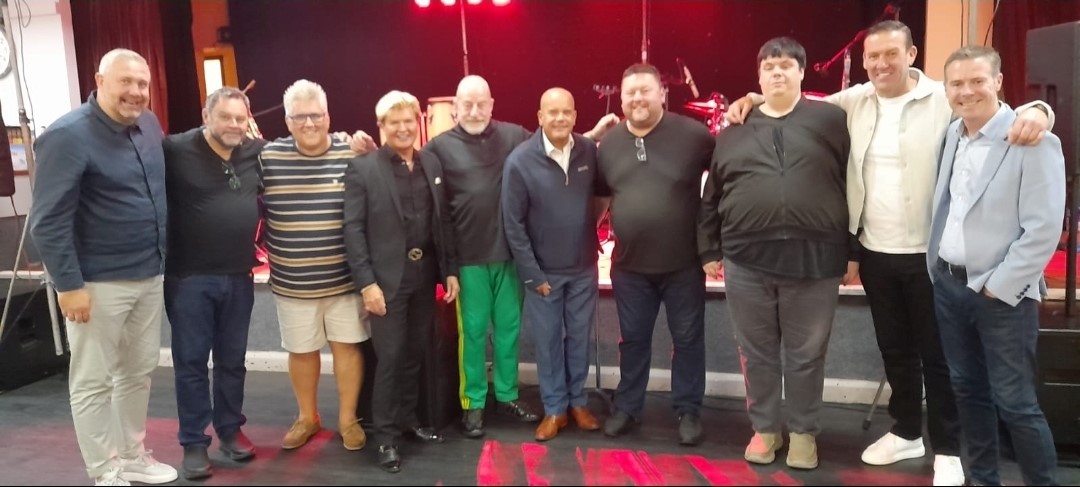
In September of the same year, Gary held the show at Hawthorn Social Club and raised £3,500.
Comedy acts included Jeff Innocent, Martin Gold and Les Gibson, joined once again by Jamie Sutherland, Adrenaline 2 and John C Morgan, as well as music from Peter Jones.
In February 2026, Gary hosted a further show and raised his highest amount yet: £4,000.
Each afternoon was a full house with around 160 guests, raising a total of £8,500 to support patients in the hospital’s prostate clinic.
Gary said: “One of our comedy afternoons each year will now be dedicated to supporting the Urology team.”
Gary felt especially cared for when, during his chemotherapy treatment in September 2024, he was offered a ‘cold cap’ to help reduce hair loss.
He said: “One of the nurses said I had a good head of hair and did I want to try the cold cap.”
A cold cap – also called ‘scalp cooling’ – works by lowering the temperature of the scalp. This narrows the blood vessels and reduces blood flow, which can help limit the impact of chemotherapy on hair follicles.
Gary said: “I could only do it for 15 minutes maximum. Some people wear it for hours.”
Thanks to the fast actions of the Urology team, Gary’s PSA had dropped significantly to just 0.28ng/ml by September 2024 and by January 2025, he had completed his chemotherapy and radiotherapy treatment.
In June 2026, Gary’s PSA was even lower at 0.15ng/ml.
Sue Hill, Cancer Nurse Specialist at DBTH, said: “Gary has shown remarkable positivity and determination throughout his treatment, and it has been a privilege for the team to care for him.
“He’s put his feelings aside to bring laughter to everyone else. They do say laughter is the best medicine.
“The decision to give something back through fundraising, while going through such an intense period himself, is incredibly generous. The funds Gary has raised will make a real difference to patients attending the prostate clinic, and we are extremely grateful for his support.”
Gary said: “I just want to say a big thank you to everyone at the Urology Department for all the care I have received. Thank you for keeping me alive.”
About DBTH Charity:
Doncaster & Bassetlaw Teaching Hospitals’ Charity is the official charity which supports Doncaster and Bassetlaw Teaching Hospitals Trust to go above and beyond by providing additional equipment, services and amenities for our patients, visitors and staff which cannot be funded by the NHS alone.
These additional extras would not be possible without the support of our community. With your help, we can continue to work with our Trust to fund innovative and exciting projects that make a difference to our patients, their families and our colleagues who care for them.
Visit the charity website to find out more: https://dbthcharity.co.uk/
Content out of date? Information wrong or not clear enough? Report this page.
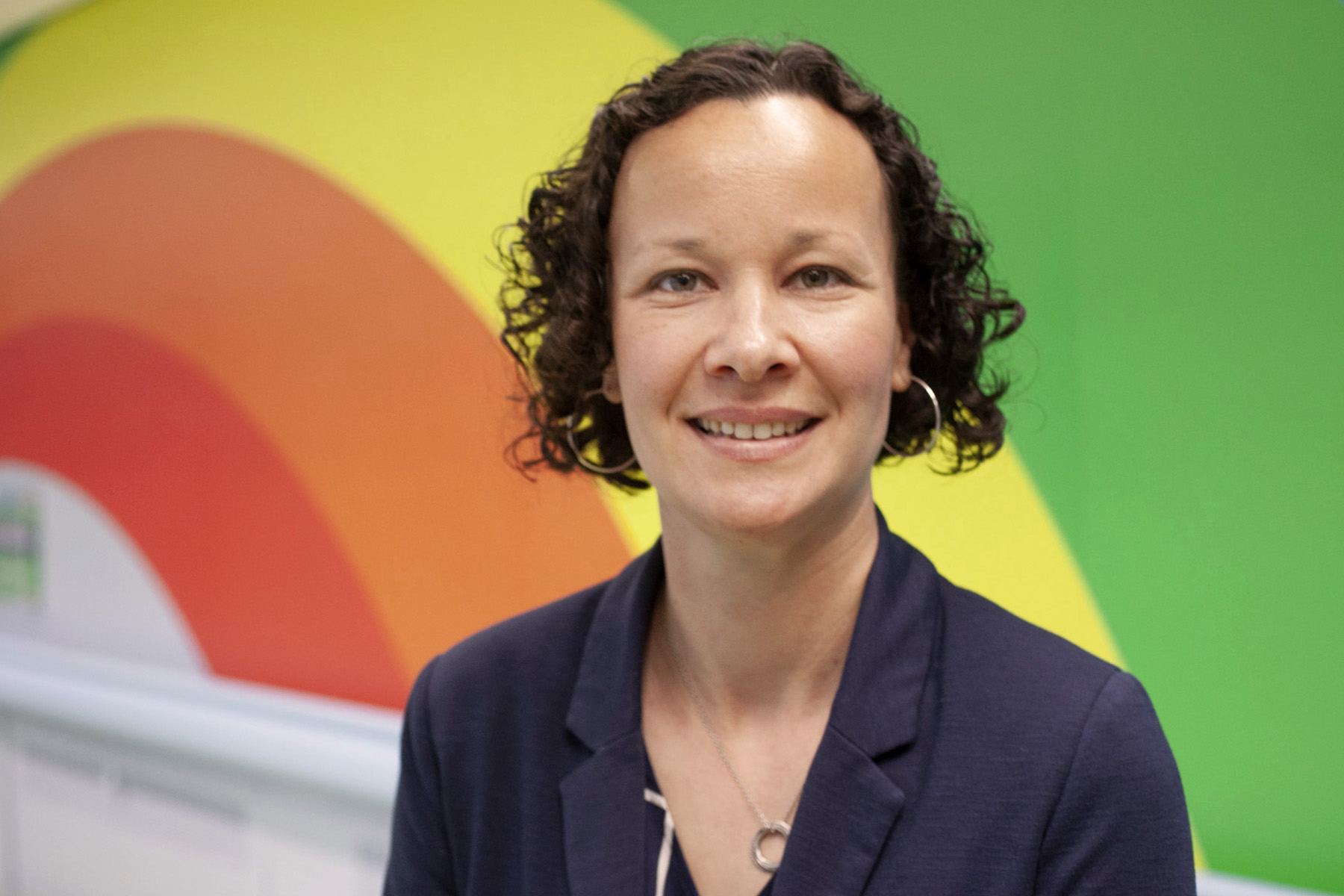
Zara has worked at the Trust, which operates Bassetlaw Hospital, Doncaster Royal Infirmary, and Montagu Hospital, for the past three years, most recently serving as Acting Chief Executive.
During this time, she has played a key role in leading the organisation through an important period, including overseeing the development of its medium-term plan and wider improvement programme, alongside a renewed focus on organisational culture and leadership.
Zara recently completed the NHS Aspiring Chief Executive Programme and has taken the decision to pursue a substantive Chief Executive role as the next step in her career.
Zara said: “It has been a privilege to serve as Deputy Chief Executive, and more recently, Acting Chief Executive at DBTH and to work alongside such committed and dedicated colleagues.
“I am incredibly proud of what we have achieved together over the past three years, particularly the progress we have made in strengthening our culture and setting a clear direction for the future.
“While I will be sad to leave DBTH, I am excited to be taking on my first substantive Chief Executive role at East Cheshire NHS Trust and to continue my career within the NHS in this next phase of leadership.”
Zara has served as Acting Chief Executive since December 2025, following a period of absence by Richard Parker OBE, who has since announced his retirement from the organisation. She will leave the organisation at the end of September 2026.
The Trust has also confirmed that its Chief People Officer, Zoe Lintin, will be leaving later this year after four years at DBTH.
Zoe, who has more than 20 years’ experience in senior NHS HR roles, including 10 years at director level, will remain in post until December before moving on to the next stage of her career.
Mark Bailey, Chair of the Board at DBTH, said: “Zara has provided strong and thoughtful leadership as Acting Chief Executive, and the Board is very grateful for the contribution she has made at an important period for the Trust.
“She has led the organisation through a significant phase, and this appointment is well deserved and represents a positive next step in her career.
“While we will be sorry to see Zara leave and we wish her every success in her new role at East Cheshire NHS Trust.
“We are also very grateful to Zoe Lintin for the leadership she has provided over the past four years and for her significant contribution to the Trust’s people agenda.”

Content out of date? Information wrong or not clear enough? Report this page.
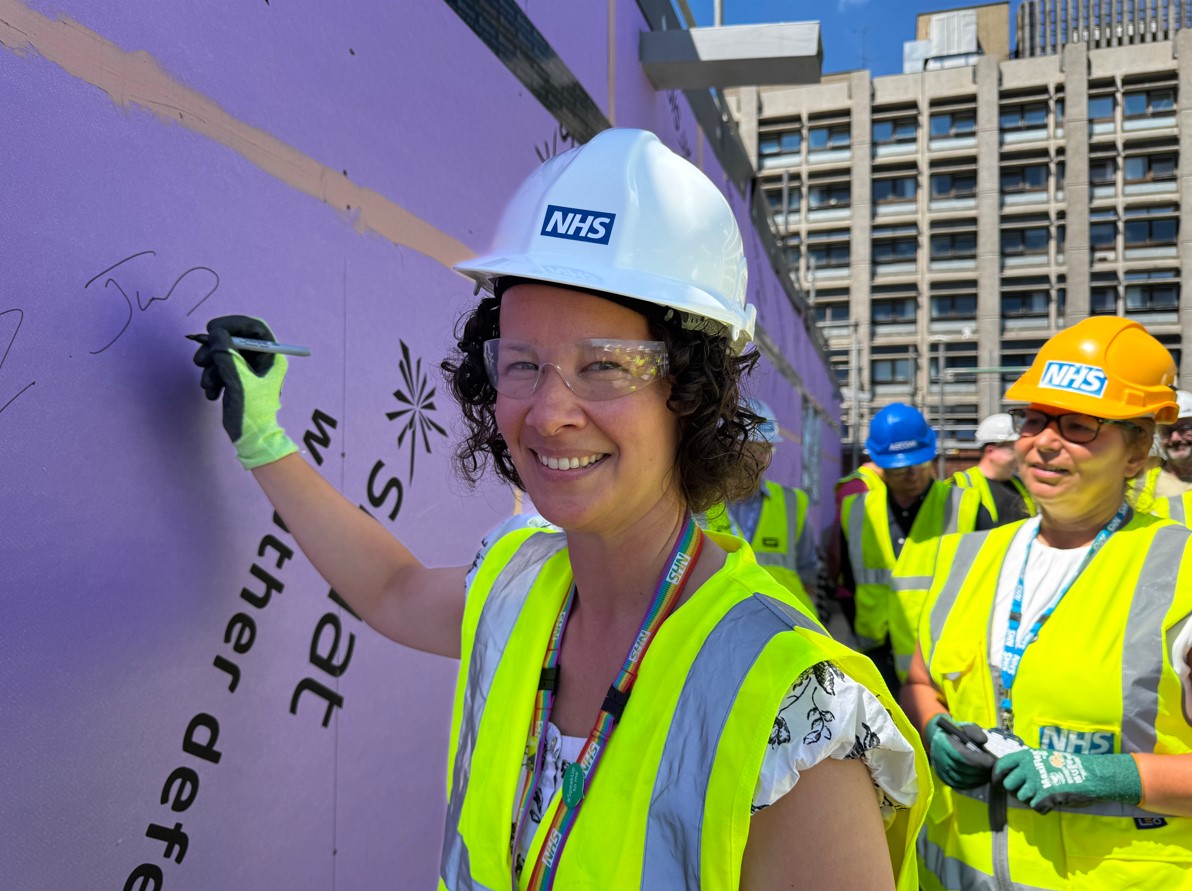
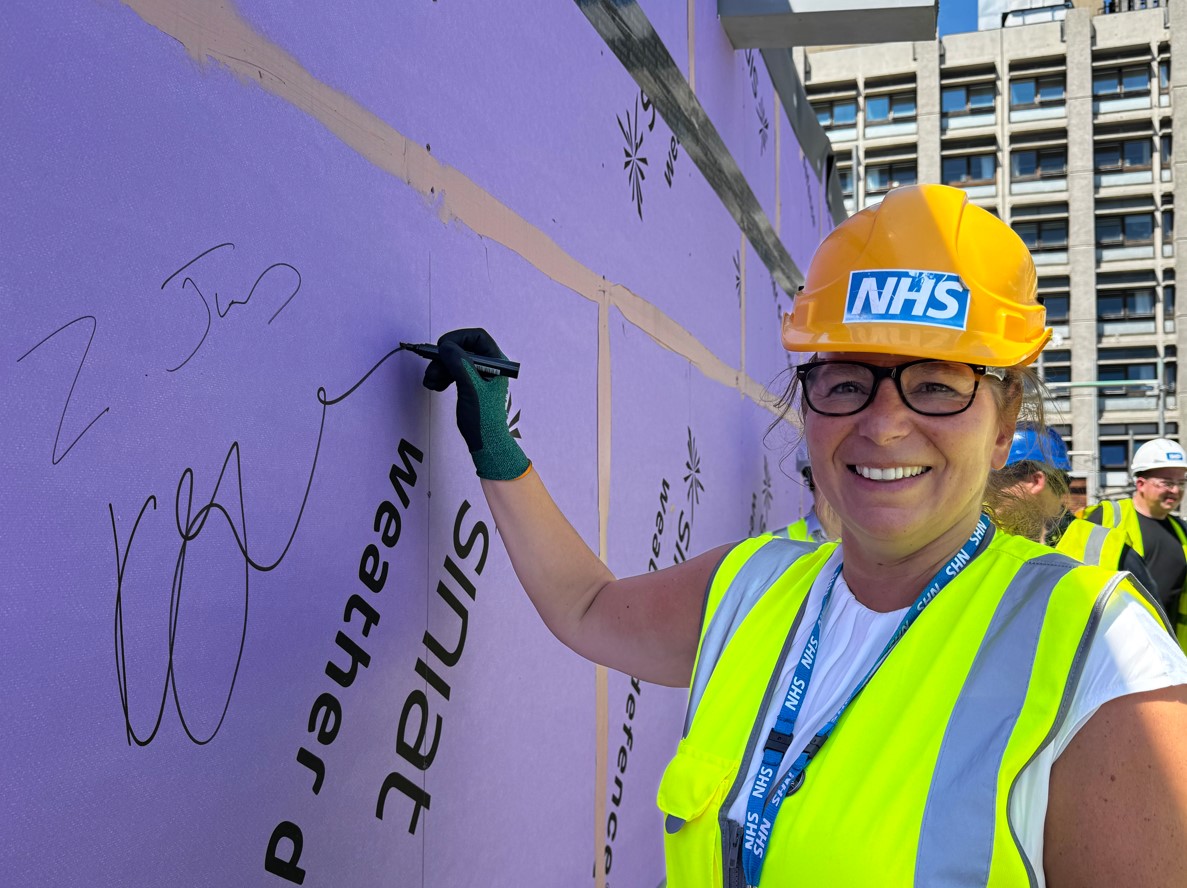
The event marks the completion of the building’s highest structural point and signifies another important step towards delivering a modern, purpose-built critical care environment for patients and colleagues.
Senior colleagues were given a tour of the new development, offering a first-hand look at the layout, scale and progress of the building.

Construction of the new Department of Critical Care began in October 2025. Once complete, the 22-bed department will care for some of the Trust’s most vulnerable patients, supporting treatment in a modern environment designed around patient safety, dignity and recovery.
Joining the tour were Zara Jones, Acting Chief Executive at DBTH, and senior members of the critical care team. Guided by Dr Kirsty Edmondson Jones, Director of Infrastructure, and colleagues from Integrated Health Projects (IHP), visitors toured the basement, ground floor and rooftop areas, gaining a clear sense of the scale and progress of the development.
Significant progression continues across the site, with key infrastructure taking shape to support the safe and efficient operation of the new department.
Alongside the structural build reaching its highest point, specialist systems are being installed throughout the building, including ventilation, smart building controls and cooling systems that will help maintain safe temperatures and support essential clinical equipment. Internal spaces are also taking shape, with partition walls, heating and cooling and electrical works progressing across multiple floors.
Zara Jones said: “Reaching this milestone is a really important moment for the Trust and for everyone involved in delivering this development. The new Department of Critical Care represents a significant investment in the future of healthcare across Doncaster and Bassetlaw.
“Most importantly, this will make a real difference for our patients and their families. It will provide a modern, purpose-built environment where some of our most vulnerable patients can receive the highest quality care, supported by facilities designed to improve comfort, privacy and dignity at a very difficult time.”
Dr Kirsty Edmondson Jones said: “This topping out milestone reflects the excellent progress being made on site and the strong partnership working that continues to drive this project forward.
“The Trust has seen significant investment in recent years, with 2025 representing one of the most substantial periods of capital development in our history. This scheme is a key example of how we are transforming our estate to better support both patients and staff, alongside a number of other ambitious developments planned for the future.”
The new Department of Critical Care is expected to be completed later this year, with the department anticipated to welcome its first patients in early 2027.
Content out of date? Information wrong or not clear enough? Report this page.
Oliver Churchill raised more than £2,400 following his Ultra White-Collar Boxing (UWCB) match, with funds supporting cancer care services in the Chatsfield Suite at Doncaster Royal Infirmary.
In September 2025, Oliver’s mum, Jean, received a cancer diagnosis after tumours were found in her lung, liver and back.
The 37-year-old said: “When she told me she had cancer it was like getting punched in the face.”
However, Jean’s care by the team in the Chatsfield Suite was ‘brilliant’, he explained.
He said: “Mum has spoken about the care and how brilliant the nurses are, but also the community feeling of the Chatsfield Suite amongst the patients.”
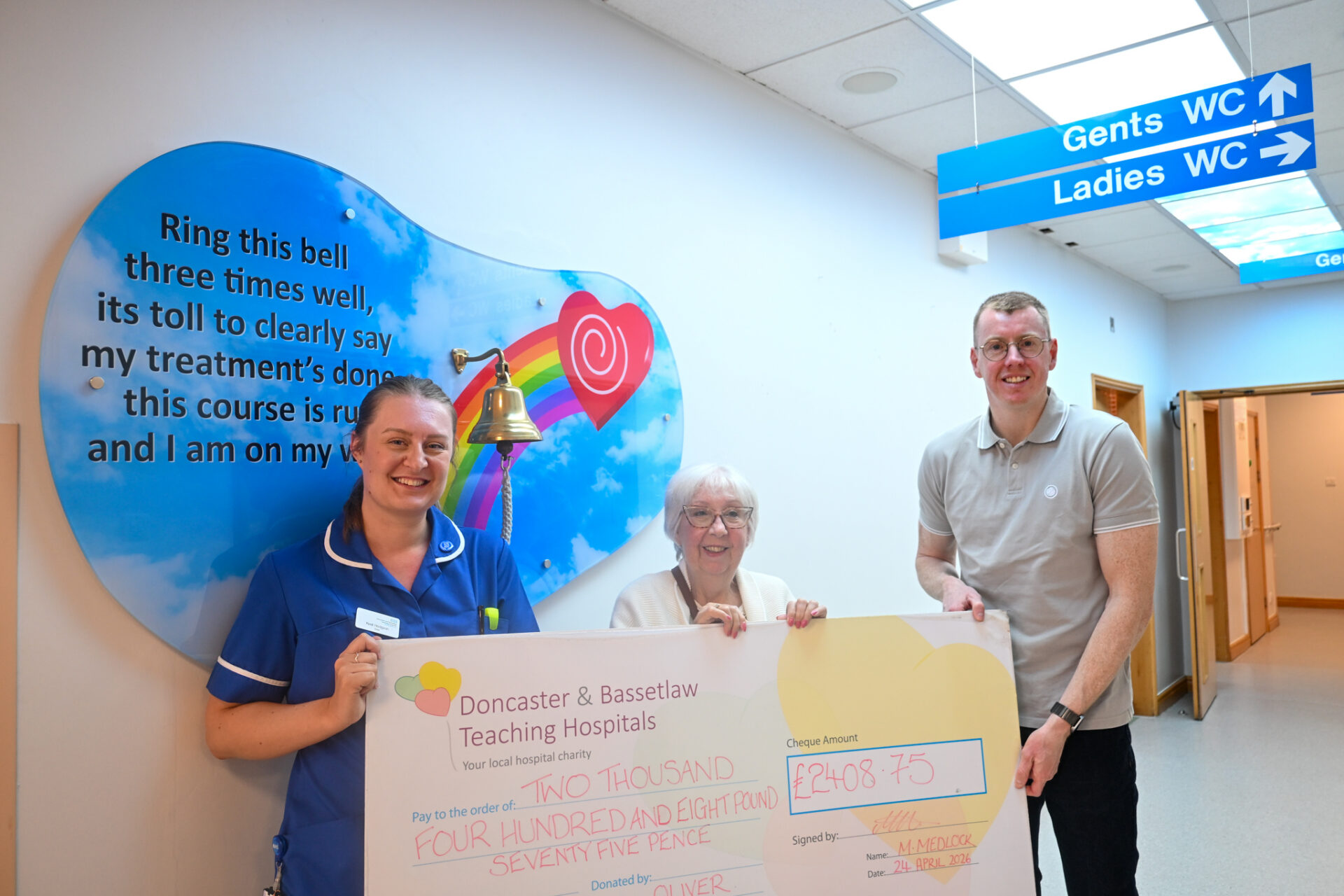
Oliver, who lives in Leeds and works as an Early Careers Manager, found extra motivation to fundraise for the department after hearing of patients who were similar in age to himself and had young children.
He said: “I think people in Doncaster deserve to have the best treatment available to them.”
Nicknamed ‘The Ghost’, Oliver trained tirelessly for more than eight weeks with coaching from the Doncaster Martial Arts Centre, a challenge he was familiar with after taking part in another charity boxing match 10 years ago.
On the night of the event, around 2,000 people packed into Doncaster Racecourse to cheer on the fighters.
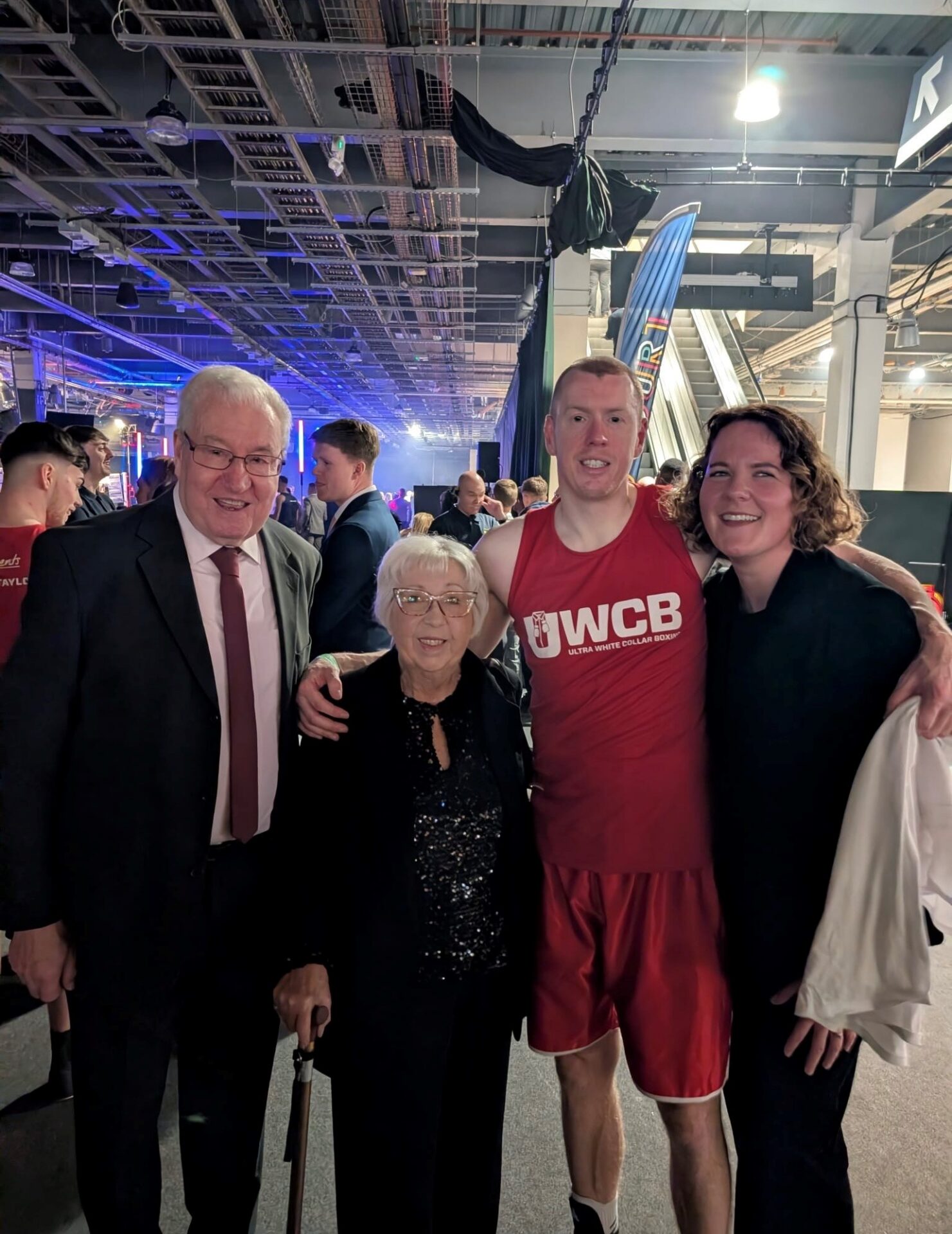
Oliver entered the arena to a song by his Mum’s favourite singer, Elvis Presley.
He said: “I won’t lie, it’s quite an exciting feeling doing the ring walk.
“When I got in the ring, I could see my mum in the crowd, which only increased my focus.”

After three hard-fought rounds, Oliver emerged victorious in front of the packed Doncaster Racecourse crowd.
He said: “The first people I saw afterwards were my family, which was really nice.
“It’s a good feeling knowing I’ve done something productive and raised money.”
Following the match, Oliver and his family also received some positive news about Jean’s treatment.
He said: “I just hope more families in Doncaster get the same news as we did.”
To support Oliver’s fundraising, visit: https://givestar.io/gs/ollies-ultra-white-collar-boxing-fundraising
About DBTH Charity:
Doncaster & Bassetlaw Teaching Hospitals’ Charity is the official charity which supports Doncaster and Bassetlaw Teaching Hospitals Trust to go above and beyond by providing additional equipment, services and amenities for our patients, visitors and staff which cannot be funded by the NHS alone.
These additional extras would not be possible without the support of our community. With your help, we can continue to work with our Trust to fund innovative and exciting projects that make a difference to our patients, their families and our colleagues who care for them.
Visit the charity website to find out more: https://dbthcharity.co.uk/
Content out of date? Information wrong or not clear enough? Report this page.
Zach Jones, Hannah Broadbent, Cheryl Morris, Debbie North and Callum Chrost will trek 24 miles across Yorkshire’s three highest peaks, raising money to help create dedicated parent rooms on the Children’s Ward at Doncaster Royal Infirmary.
The project aims to provide families with a comfortable space to rest and stay overnight while their child is receiving hospital care.
The new facilities will help parents remain close to their children during difficult times, offering a welcoming environment where they can recharge and access essential amenities.
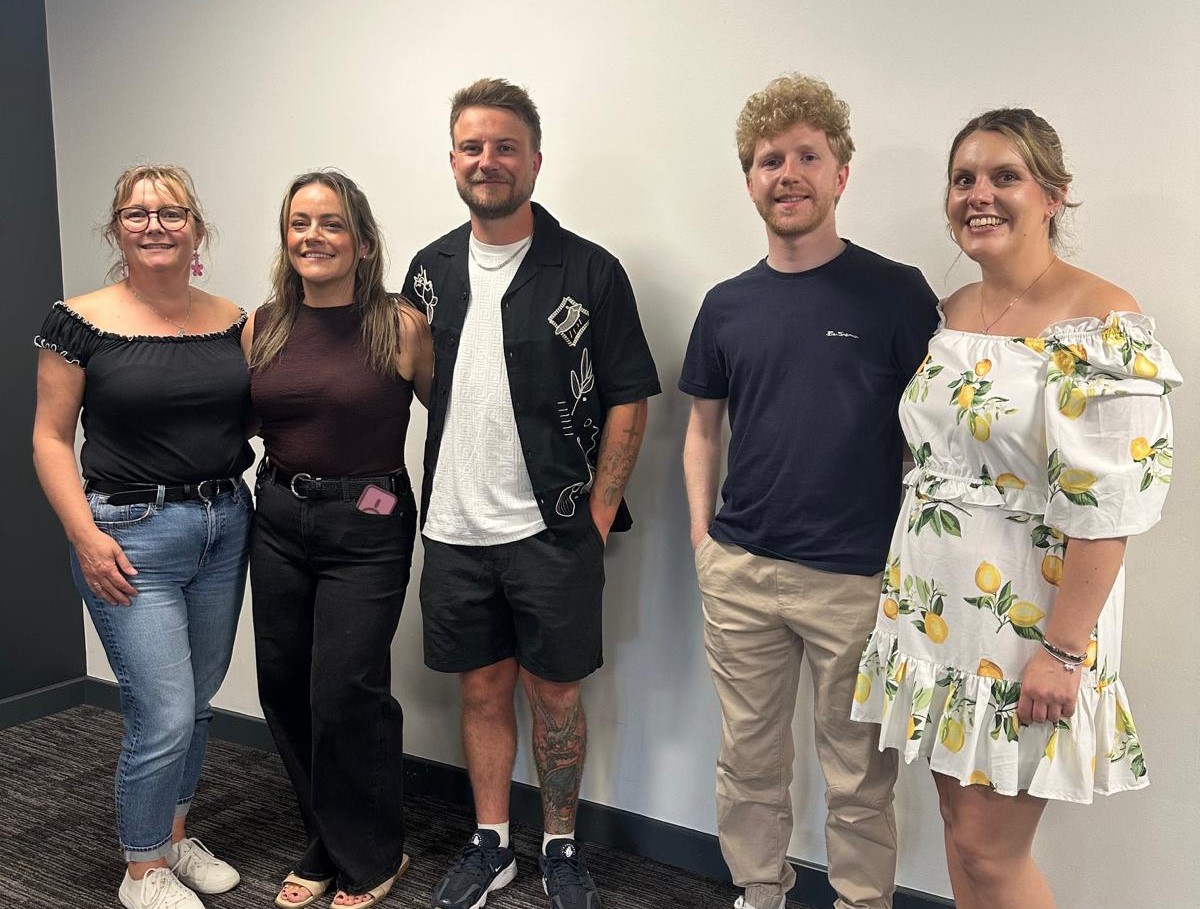
The team hopes their challenge will raise awareness of the appeal and encourage supporters to donate towards improving the experience of children and families receiving care at Doncaster Royal Infirmary.
Hannah Broadbent, Sister on the Children’s Ward, said: “When a child is in hospital, parents want to be by their side every step of the way.
“We hope this challenge will help us create spaces where families can rest and find comfort while supporting their child through treatment and recovery.”
“Every mile we walk and every peak we climb is for the children and families who face these challenges every day.”
To support the team and donate to the Children’s Appeal, visit: fundraise.dbthcharity.co.uk/fundraisers/hannahbroadbent/yorkshire-three-peaks-challenge-2026.

Content out of date? Information wrong or not clear enough? Report this page.
On 18 July, George and Sabrina Thompson, alongside George’s brothers and sisters, will complete the 24-mile trek to give back to the unit that has cared for his baby daughter, Margaret.
Margaret was born eight weeks early at DRI, weighing just 5lb 5oz. She was diagnosed with Down syndrome (Trisomy 21) and a significant heart condition. Now nine weeks old, she continues to show remarkable strength while awaiting open-heart surgery.
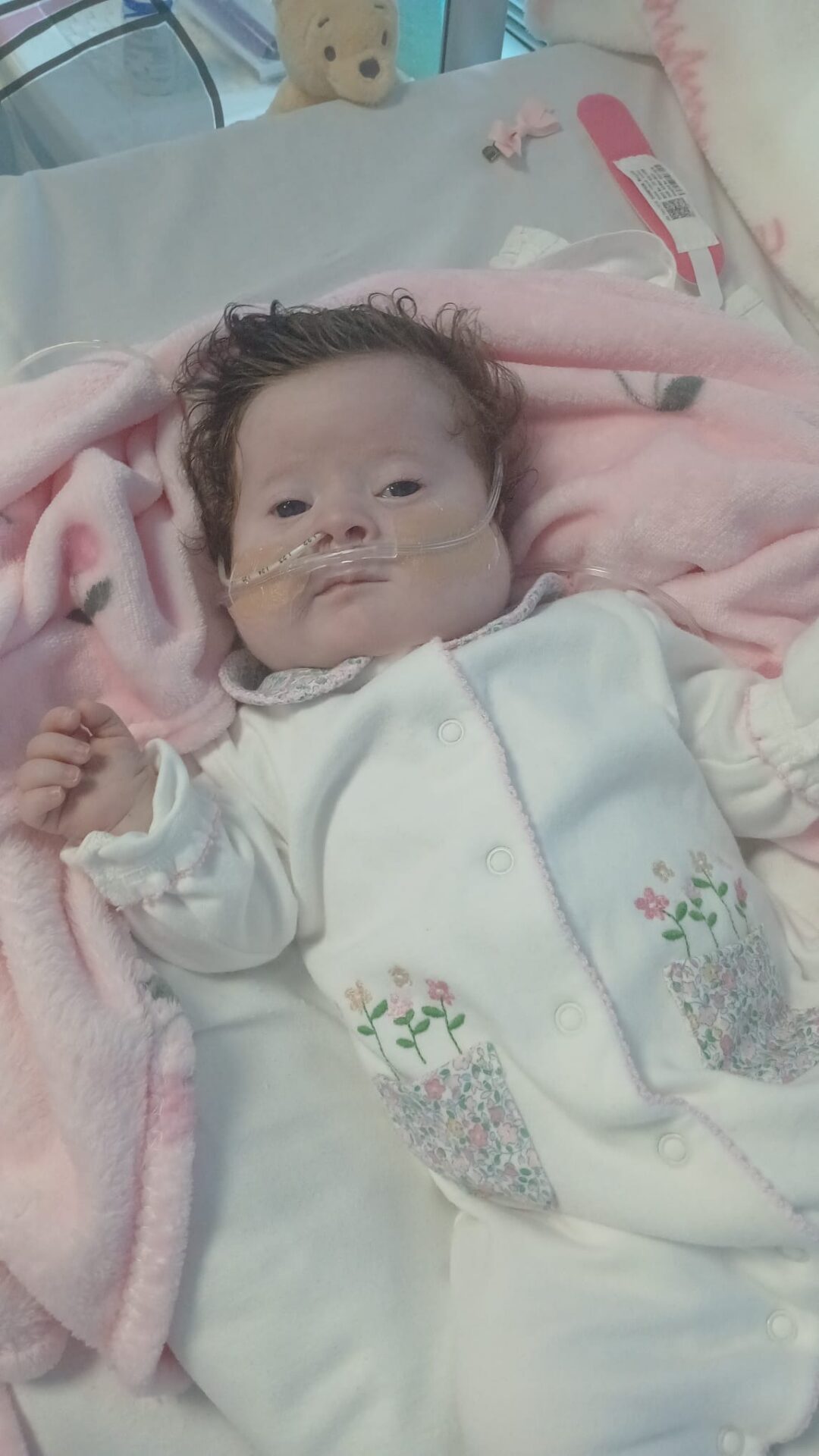
George and his family say their experience has highlighted the exceptional care provided by the neonatal team at Doncaster.
“Before this journey, we never truly realised just how incredible the staff working within our neonatal intensive care units are,” said George. “The doctors, nurses and support staff have shown us nothing but compassion, kindness and unwavering support during the most emotional and challenging time of our lives.”
The fundraiser is being held in aid of the Mini Marvels Appeal, which supports improvements to neonatal facilities, equipment and the environment for babies and their families.
Having also spent time in another neonatal unit shortly after Margaret was born, the family hope the funds raised will help enhance facilities at Doncaster, including family rooms and staff areas, creating a more comfortable and supportive environment during an incredibly difficult time.
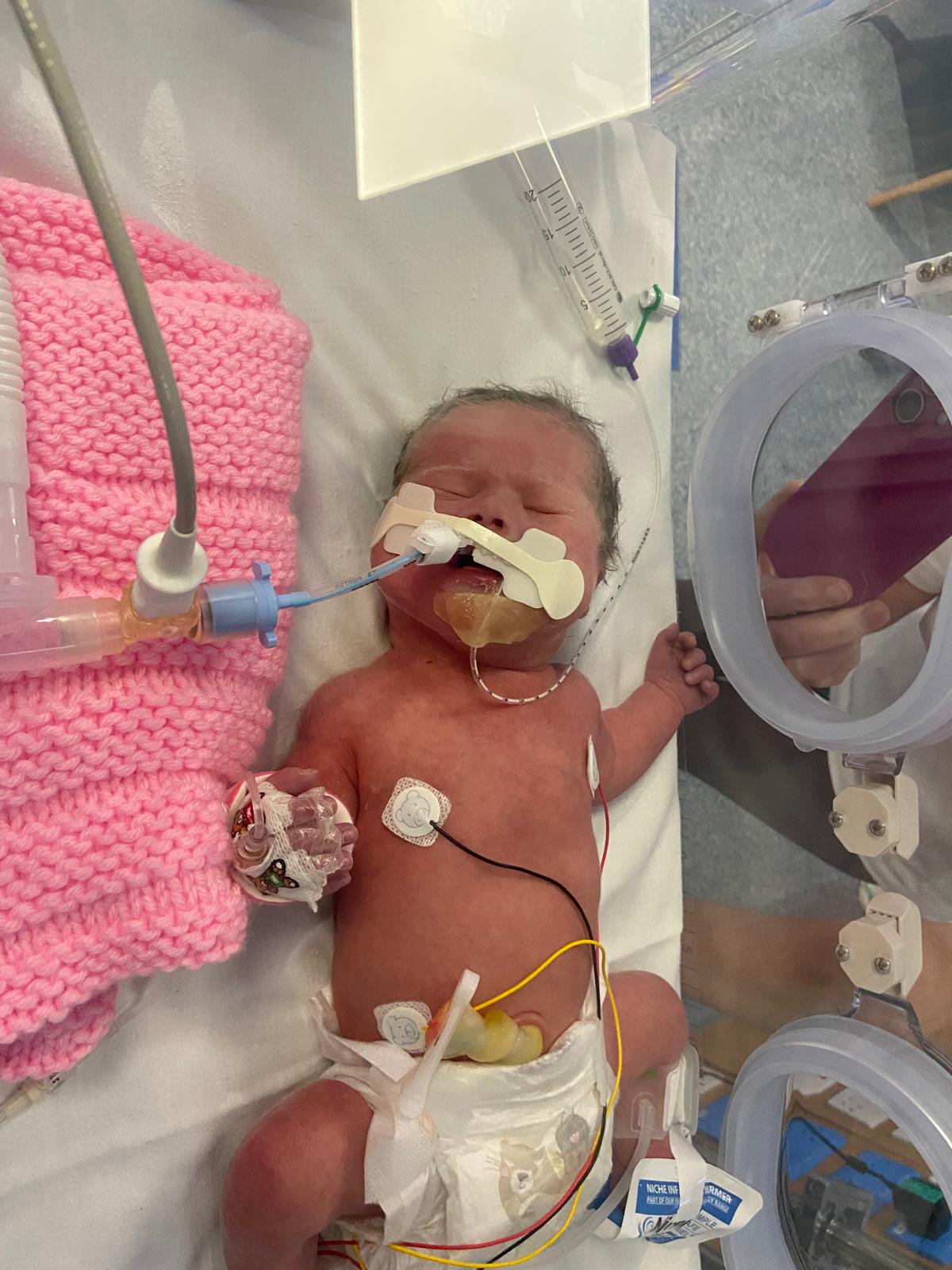
Sarah Dunning Fundraising Manager at Doncaster and Bassetlaw Teaching Hospitals, said: “We’re incredibly grateful to Margaret’s family for their support and fundraising efforts. Their decision to give back in recognition of the care they’ve received is truly appreciated. These vital funds will help enhance patient and family facilities within our neonatal unit, which play such an important role during what can be a very stressful and emotional time.”
The family hope to raise £5,000, with over £1,800 already pledged.
George added: “This unit deserves the very best. Every day, the team works tirelessly to care for the most vulnerable babies and support families like ours. This is our way of saying thank you and helping to make a difference for others.”
Supporters are encouraged to donate or share the fundraiser to help the family reach their target. Every contribution, no matter the size, will go towards supporting babies, families and colleagues within the neonatal service.
To support the fundraiser or find out more, visit: https://fundraise.dbthcharity.co.uk/fundraisers/georgewilliamthompson

About DBTH Charity:
Doncaster & Bassetlaw Teaching Hospitals’ Charity is the official charity which supports Doncaster and Bassetlaw Teaching Hospitals Trust to go above and beyond by providing additional equipment, services and amenities for our patients, visitors and staff which cannot be funded by the NHS alone.
These additional extras would not be possible without the support of our community. With your help, we can continue to work with our Trust to fund innovative and exciting projects that make a difference to our patients, their families and our colleagues who care for them.
Visit the charity website to find out more: https://dbthcharity.co.uk/
Content out of date? Information wrong or not clear enough? Report this page.
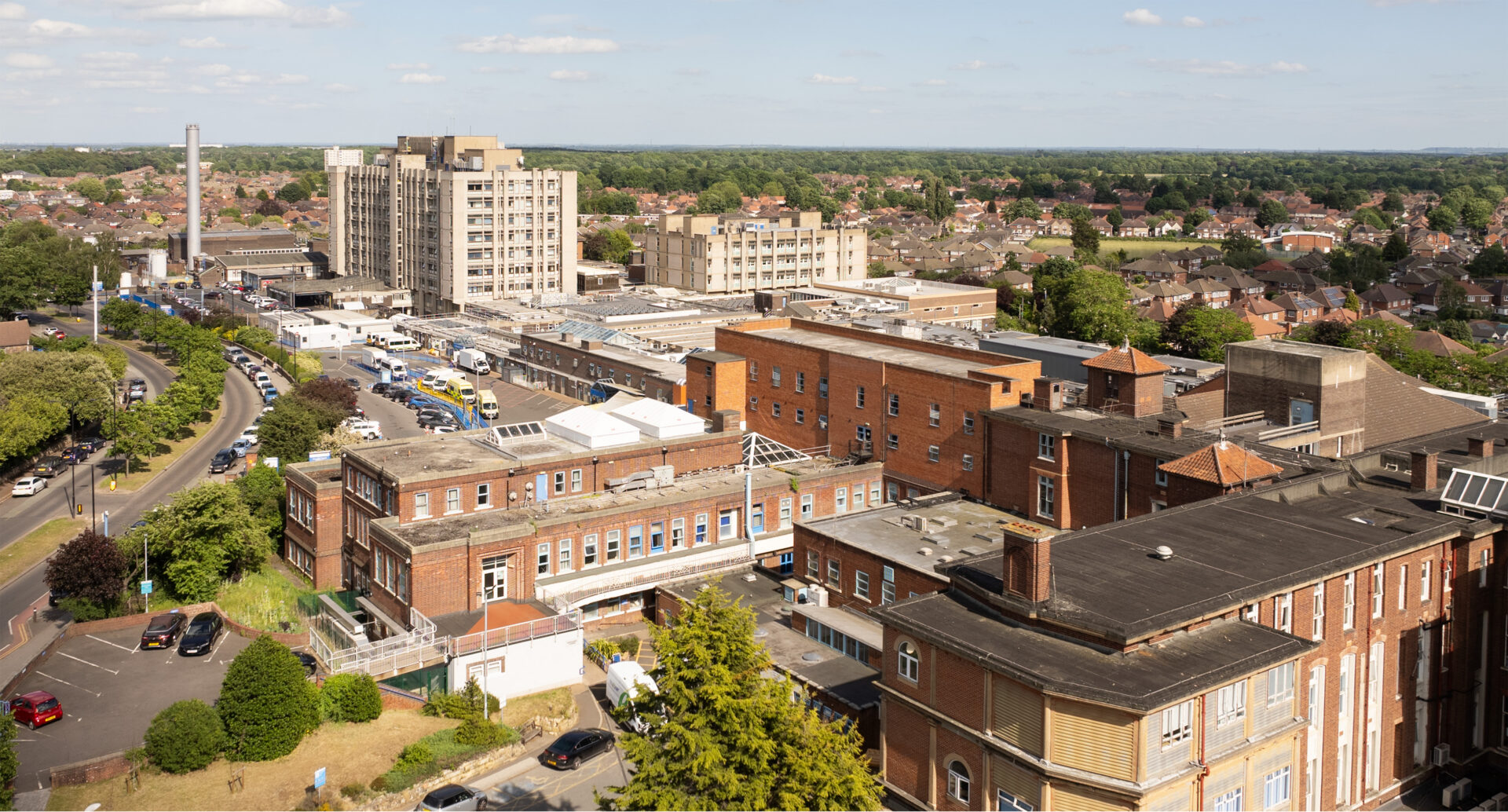
The Trust, which operates Bassetlaw Hospital, Doncaster Royal Infirmary and Montagu Hospital, is currently ranked 49th out of 134 NHS organisations in England, placing it within the top 50 nationally and making it the highest-rated acute trust across South Yorkshire and Nottinghamshire.
The latest figures relate to Quarter 4 of 2025/26, traditionally the most challenging period of the year for health services, when hospitals face increased demand from seasonal illness and emergency admissions.
Published as part of the NHS National Oversight Framework, the rankings assess organisations across a range of measures including patient care, waiting times, workforce and finance.
Over the past year, DBTH’s overall score has improved from 2.2 to 2.1, reflecting progress across a number of areas despite sustained pressure on services.
Mark Bailey, Chair of the Board, said: “These results reflect the hard work, dedication and professionalism of colleagues across DBTH.
“Quarter 4 is always one of the most demanding periods of the year for the NHS, yet our teams have continued to deliver high-quality care while managing significant operational pressures.
“While we are pleased with this progress, we know there is more to do. We remain focused on improving access to services, enhancing patient experience and ensuring we deliver the best possible care for our communities.
“These latest rankings suggest we are moving in the right direction, and we will continue working together to build on that progress.”
The National Oversight Framework brings together a range of indicators to provide an overall assessment of how NHS organisations are performing compared with others across England.
Content out of date? Information wrong or not clear enough? Report this page.
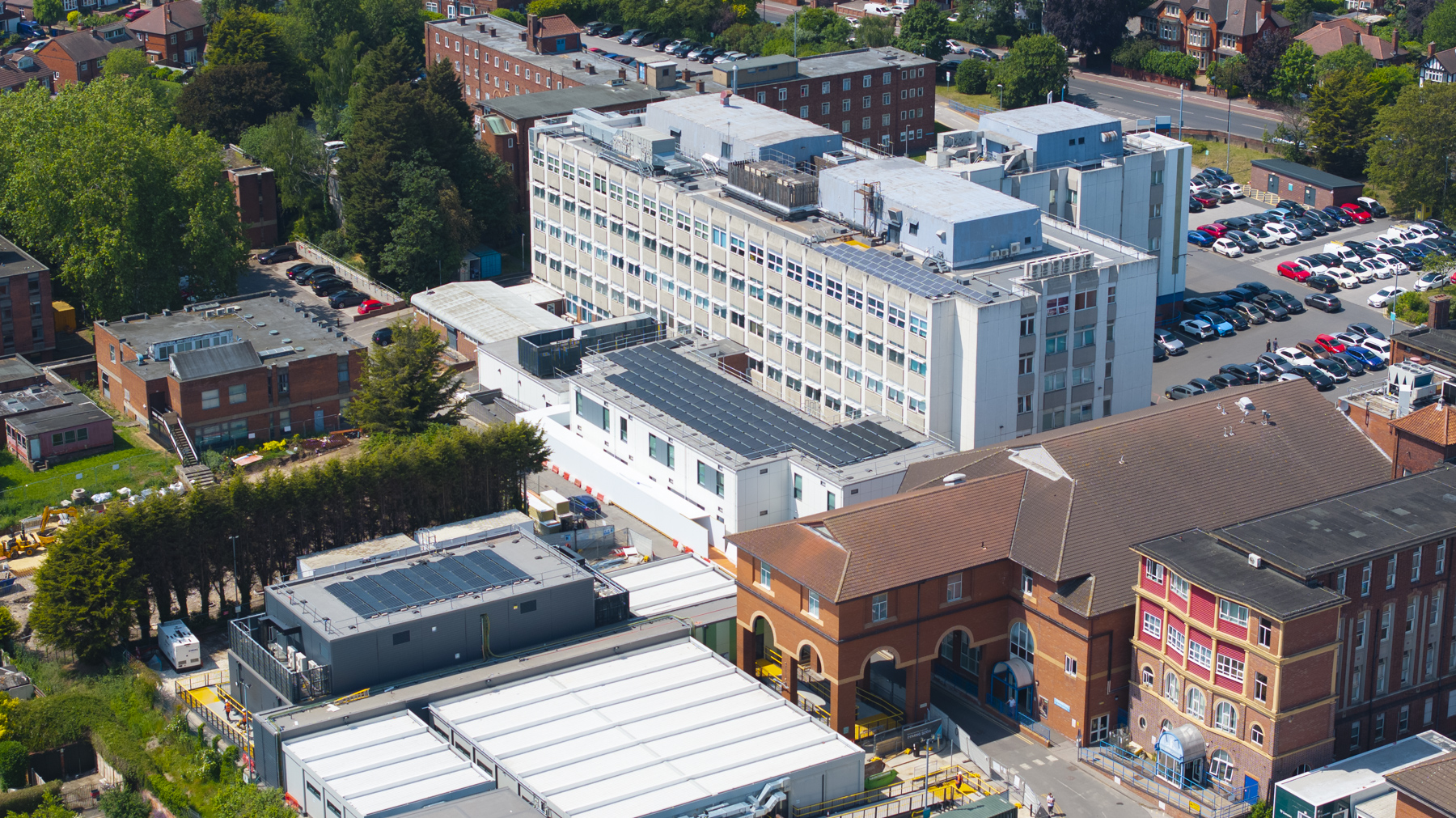
Earlier this year, the Trust was awarded £217,000 following a successful application to NHS England through the Great British Energy programme. This builds on an earlier £55,000 award received last year, with solar panels now fully installed and generating electricity on site.
The funding has been used exclusively to install solar panels across the Trust’s hospital sites, helping to reduce energy costs while supporting further investment in patient care.
Great British Energy, a UK government-owned company established to accelerate the transition to clean energy, focuses on supporting renewable power initiatives. Its funding is specifically restricted for the purchase and installation of solar infrastructure within public services.
Over the past 12 months, the Great British Energy and NHS collaboration has helped more than 260 NHS sites in England save money on bills through the solar roll-out scheme—savings that can be reinvested into frontline services.
Chris Gormley, Chief Sustainability Officer, NHS England said: “As Great British Energy marks its first year, it’s fantastic that 162 NHS sites have completed their solar installations.
“This represents important progress in expanding solar generation across the NHS because every pound saved on energy bills is a pound that can go back into patient care. These solar panels are helping trusts across the country do exactly that.
“Together with Great British Energy, we’re building an NHS that is greener, more sustainable and better placed to serve patients for years to come.”
Together, the two investments in solar panel infrastructure will significantly increase the Trust’s on-site renewable energy generation, reducing reliance on external energy supplies and supporting the NHS ambition to become the world’s first net zero health service.
Under the latest phase of the programme, an estimated 180kW of additional solar capacity has been provided throughout the Doncaster Royal Infirmary and Bassetlaw Hospital sites, helping to reduce carbon emissions and support cleaner, more sustainable healthcare delivery for local communities.

This additional capacity is expected to generate enough electricity each year to power the equivalent of around 50 homes, while delivering annual energy cost savings of approximately £25,000. The carbon reduction is comparable to removing around 25–30 tonnes of CO₂ per year — similar to planting approximately 1,300 trees.
Sustainability features have also been embedded into new developments across the Trust. The recently constructed Bassetlaw Emergency Care building and the Montagu Community Diagnostic Centre already benefit from solar panels and heat pump technology in place, with further solar provision at Montagu Hospital to be explored through future funding opportunities.
Mathew Gleadall, Operational Director of Estates and Facilities at DBTH, said: “This further investment in solar energy is a positive step forward for the Trust and for the environment. By increasing the amount of renewable energy we generate on site, we are reducing our environmental impact while making sensible, long-term savings that can be reinvested into patient care.
Sustainability is an important part of how we plan for the future of our services, and this funding has allowed us to build on the progress already made through last year’s installation.”
DBTH is committed to creating modern, sustainable healthcare environments for patients, staff, and the wider community and has recently refreshed its Green Plan, outlining ambitious operational goals for the next four years. Discover how DBTH is putting sustainability into action and shaping a greener future on the Trust website: www.dbth.nhs.uk/green-plan
Content out of date? Information wrong or not clear enough? Report this page.
The event follows the route of Hadrian’s Wall and must be completed in a single continuous effort.
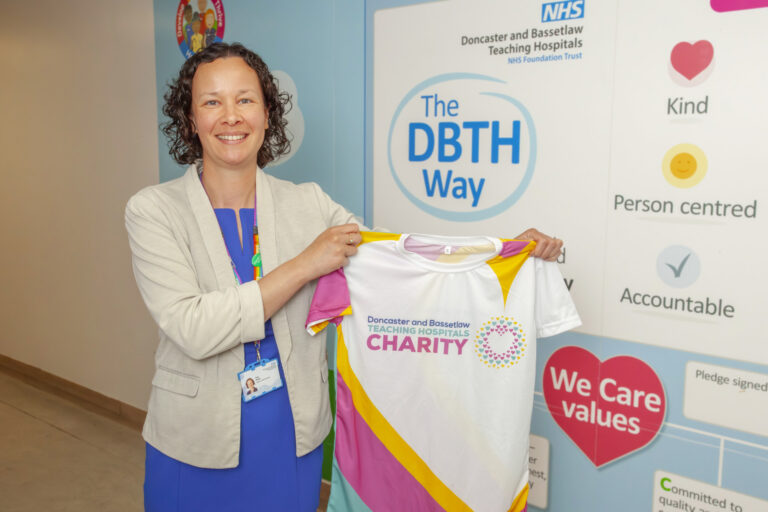
Zara, who will be taking part alongside her husband, started running during the COVID-19 lockdowns and has gradually built up to longer endurance events.
Ahead of the challenge, Zara said: “This is by far the biggest challenge I’ve taken on. It’s 70 miles of running, walking, climbing and, towards the end, probably sheer determination.
“Running has taught me that you can be uncomfortable and still keep going. That’s something I see every day at DBTH, where colleagues continue to support patients and one another, even when things are tough.
“I’m proud to be raising money for DBTH Charity, helping to support patients, families and colleagues across our hospitals.”
If you would like to support Zara and make a donation, please visit: https://fundraise.dbthcharity.co.uk/fundraisers/zarasultramarathon
Content out of date? Information wrong or not clear enough? Report this page.