
Born and raised in Sheffield, Richard began his NHS career as a Registered Nurse, qualifying in 1985. He went on to hold a number of senior leadership roles across hospitals in the North of England before joining DBTH in October 2013 as Director of Nursing, Midwifery and Quality. He was appointed Chief Executive in January 2017.
During his time as Chief Executive, Richard led the Trust through a number of complex and challenging periods, including the COVID-19 pandemic, and oversaw significant developments to improve services and facilities for local patients and communities.
This includes transforming Urgent and Emergency Care at Bassetlaw Hospital; opening the Community Diagnostic Centre and supporting the development of the Montagu Elective Orthopaedic Centre of Excellence; introducing robotic surgery at Doncaster Royal Infirmary; strengthening research, education and innovation; and establishing DBTH Charity as the organisation’s official charitable fund, alongside many other improvements that have enhanced services for patients, colleagues and communities across Doncaster and Bassetlaw.
Mark Bailey, Chair of the Board at DBTH, said: “Richard has dedicated his career to the NHS and has played a significant role in the development of services at DBTH.
“On behalf of the Trust, I would like to thank him for his leadership and long service, and we all send him our very best wishes for the future and wish him the very best of health and happiness in retirement.
Zara Jones, Deputy Chief Executive, will continue to act up, and the Trust will confirm next steps regarding the Chief Executive role in the near future.

Content out of date? Information wrong or not clear enough? Report this page.
For Lucy Chappell, 29, from Kirk Sandall, Doncaster, the challenge was about far more than completing 13.1 miles.
She took on the race in honour of her grandad John, who passed away on 6 October 2024 after receiving care at Doncaster Royal Infirmary.
Remembering him, Lucy said: “My grandad was such a funny man – a proper Yorkshireman.
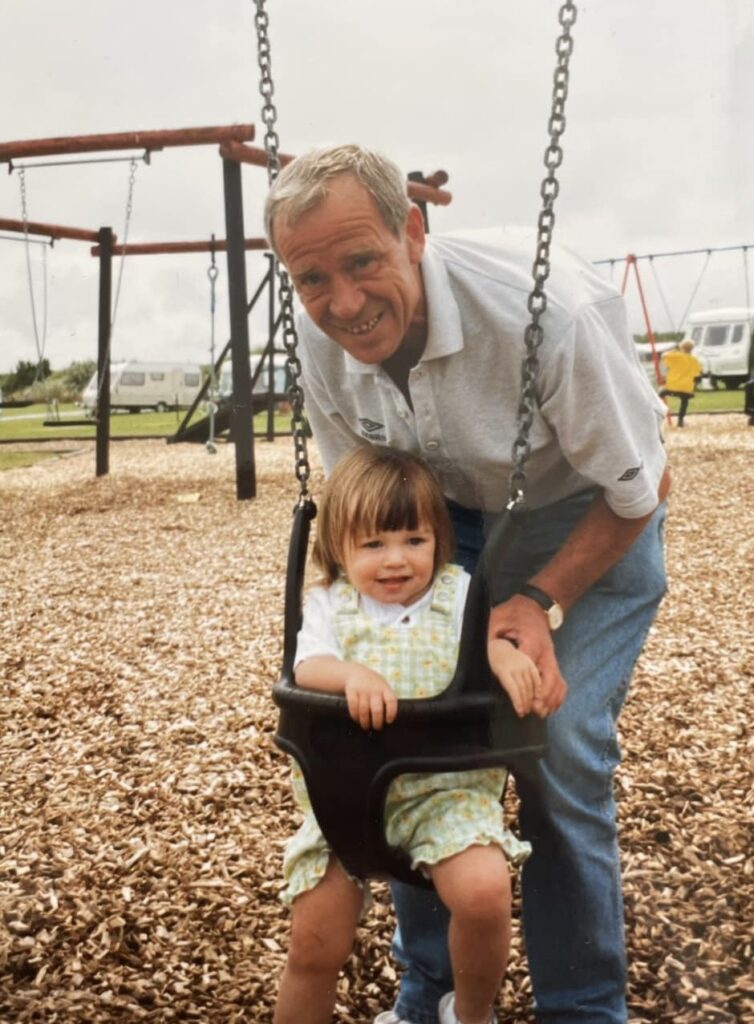
“I have so many fantastic memories of him growing up. Trips to my nanna and grandad’s caravan in Filey during the summer holidays, helping him in the garden, and spending Christmases, birthdays and anniversaries together as a family.
“He had a brilliant sense of humour and, while he wasn’t always the loudest person in the room, some of the one-liners he would come out with would have us all belly laughing and in floods of tears.”
John loved his sport, particularly football and golf, and spent much of his spare time at the local bowling club playing bowls in the summer and snooker during the winter.
He was also a keen gardener who grew vegetables at home, including what Lucy remembers as “the best carrots in the world”.
When John became unwell in 2024, he was taken to Doncaster Royal Infirmary by ambulance before later returning home. He was subsequently readmitted and sadly passed away in October.
Throughout that time, Lucy says the care her grandad received never left the family’s thoughts.
She said: “I cannot fault the care that my grandad received throughout his time.
“From the paramedics to the end-of-life care team, everyone did their very best to make him feel comfortable and safe.”
Wanting to thank those who cared for him, Lucy decided to raise money for DBTH Charity by taking on her first ever half marathon.
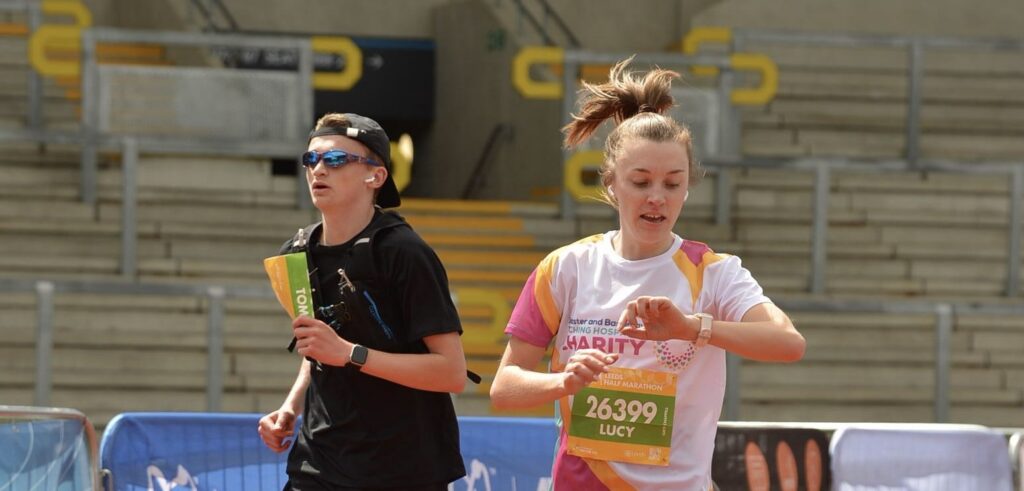
Despite previously representing England in the Heptathlon and competing at national level, she admits the challenge was daunting.
She said: “When I first started training, I had absolutely no idea how I was going to do anything more than 5km.
“It’s definitely a much different way to train compared to my Heptathlon days.”
Inspired by her boyfriend Matt’s participation in the event the previous year, where he raised money for the Motor Neurone Disease Association, and as a passionate Leeds United supporter, Lucy chose the Leeds Half Marathon as the perfect fundraising challenge.
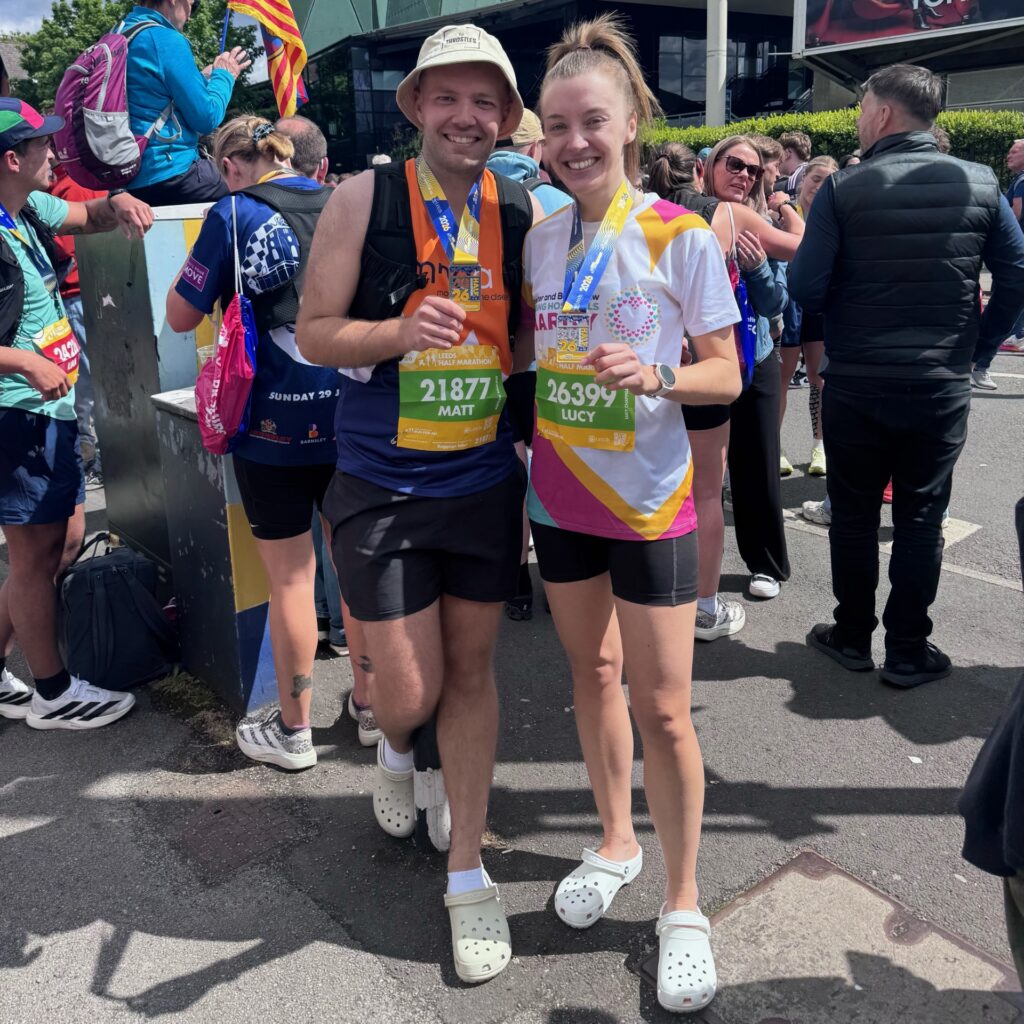
Crossing the finish line was an emotional moment, knowing she was carrying her grandad’s memory with her every step of the way.
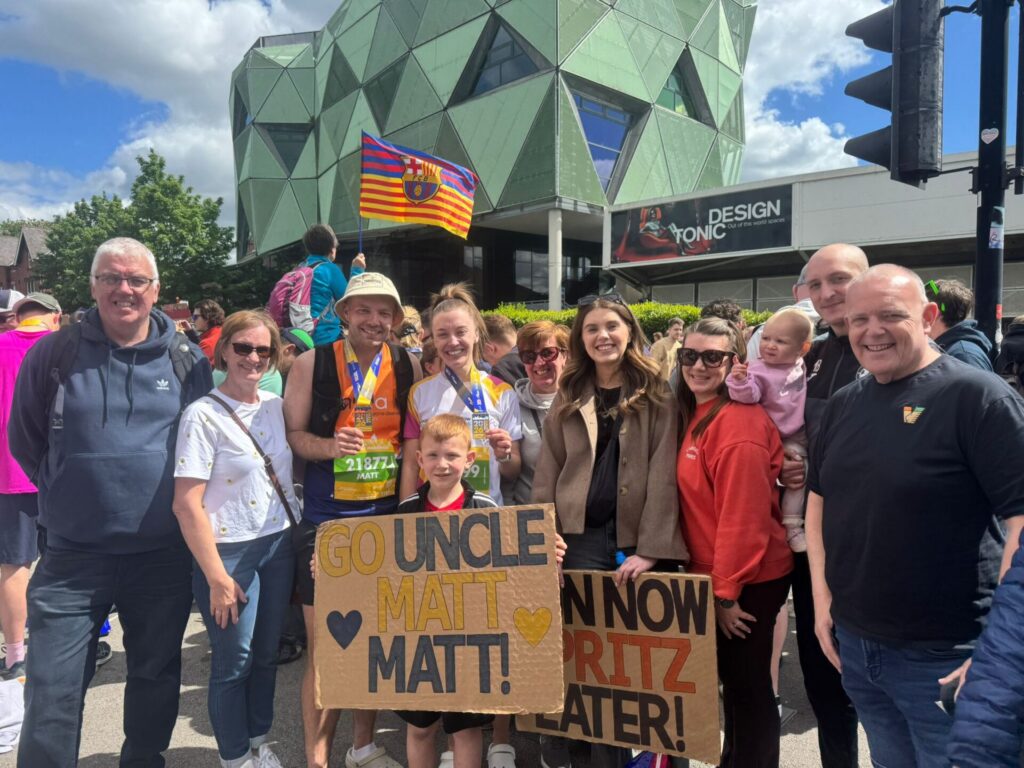
Through her efforts, Lucy has raised more than £500 for DBTH Charity, helping to support patients, families and services across Doncaster and Bassetlaw.
About DBTH Charity:
Doncaster & Bassetlaw Teaching Hospitals’ Charity is the official charity which supports Doncaster and Bassetlaw Teaching Hospitals Trust to go above and beyond by providing additional equipment, services and amenities for our patients, visitors and staff which cannot be funded by the NHS alone.
These additional extras would not be possible without the support of our community. With your help, we can continue to work with our Trust to fund innovative and exciting projects that make a difference to our patients, their families and our colleagues who care for them.
Visit the charity website to find out more: https://dbthcharity.co.uk/
Content out of date? Information wrong or not clear enough? Report this page.
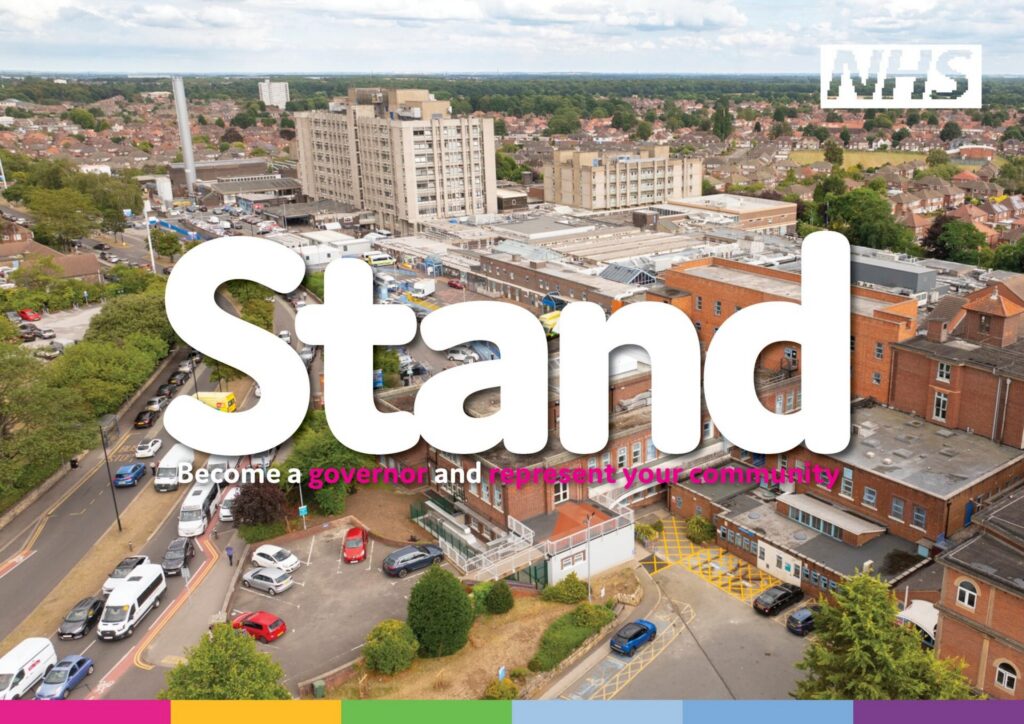
The Trust is encouraging people from all walks of life to consider the role, which plays a key part in ensuring local communities have a voice in how healthcare services are shaped and delivered.
Governors represent the views of patients, the public and our workforce, bringing valuable local insight to support the development of services across the organisation.
DBTH serves a population of more than 440,000 people across South Yorkshire, North Nottinghamshire and surrounding areas, employing over 7,300 colleagues and operating hospital sites in Doncaster, Bassetlaw and Mexborough.
As a teaching hospital, it also plays an important role in training future healthcare professionals and advancing research and innovation.
The Council of Governors is made up of elected public and staff representatives, alongside appointed partner Governors, and works collectively to hold Non-Executive Directors to account for the performance of the Board. They contribute to key decisions and ensure the Trust remains aligned with the needs of its communities.
Mark Bailey, Chair of the Board at DBTH, said: “Our role is to serve a diverse population and we are stronger as a Trust when we are able to listen to and work with Governors from all backgrounds and communities. This is an opportunity to be part of our resolve to be ‘Healthier Together – Delivering exceptional care for all’.
“Whether you’re working or retired, have experience in healthcare or none at all – your perspective matters. If you care about your local NHS and want to make a difference, I would strongly encourage you to consider putting yourself forward.”
Nine public Governor seats are available, with six representing Doncaster, two representing Bassetlaw and one representing the rest of England and Wales. The Trust is also looking for four Staff Governors.
Anyone aged 16 or over who is a member of the Trust can stand for election, with membership free to join, subject to meeting fit and proper person requirements and standard eligibility criteria. While no formal qualifications are required, candidates should be comfortable engaging with others, using email and participating in meetings, some of which may take place online.
The election process is run independently to ensure fairness and transparency, with candidates invited to submit a short statement outlining why they wish to stand.
Those interested in standing can find further information and complete a nomination online at www.cesvotes.com/DBFT2026, or contact the Trust Board Office on 01302 644157 or via email at dbth.trustboardoffice@nhs.net.
Nominations close on Friday 5 June.
Content out of date? Information wrong or not clear enough? Report this page.
The Patient Engagement and Experience Event will take place on Saturday 20 June, from 10am to 2pm, in the Education Centre at Doncaster Royal Infirmary.
The event aims to give attendees the opportunity to share feedback, learn more about support services across the Trust, and take part in conversations focused on improving accessibility, communication and patient care.
Throughout the day, visitors will be able to meet teams and organisations from across DBTH and partner services, take part in discussion cafés, and explore inclusive communication tools and demonstrations designed to support patients, carers and families.
A programme of presentations will also take place in the Lecture Theatre within the Education Centre, including:
- Inclusive Communication: Sharing Mum’s Experience (10:15am to 11am)
- Using Patient Feedback to Improve Experience (11:30am to 12:15pm)
- Working with Carers, Families and the Visitor’s Charter (12:45pm to 1:30pm)
Attendees will also be able to visit stalls and demonstrations from teams and organisations including AccessAble, CardMedic, Language Empire, PALS, DBTH Charity and the Carers Group.
As part of the event, Language Empire will also be speaking to members of the local community and staff interested in becoming paid interpreters, offering information about the role and available training opportunities.
Simon Brown, Deputy Chief Nurse at DBTH, said: “This event is an opportunity for patients, carers, colleagues and local communities to come together, share experiences and help shape how we continue improving care and patient experience across our hospitals.
“As the first event of its kind at DBTH, we are treating it as a pilot to help us understand what people find most valuable and how we can make future events even more impactful. The feedback we receive, including attendance and participation, will help inform how we develop similar opportunities in the future, potentially bringing them to other parts of the Trust, including Bassetlaw and Montagu.
“Whether you would like to attend for the full day or simply drop in for part of the event, we would encourage everyone to come along, speak to our teams and take part in the conversations that matter most to our communities.”
Refreshments will be available throughout the day, and attendees are encouraged to register their interest in advance via the following online form: https://tinyurl.com/e6thnwpb
Content out of date? Information wrong or not clear enough? Report this page.
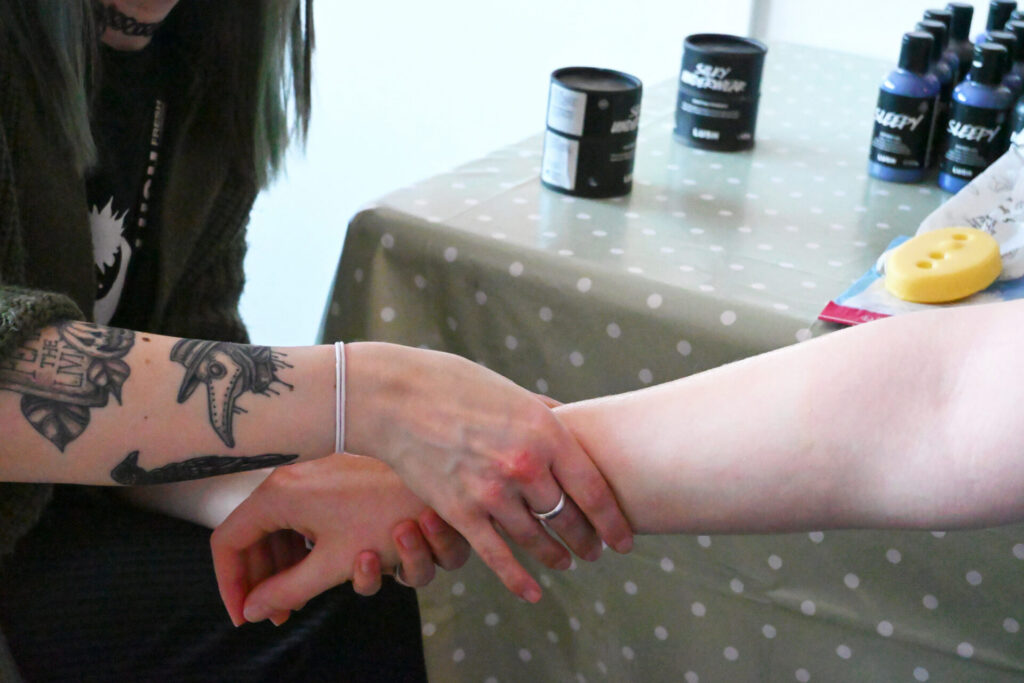
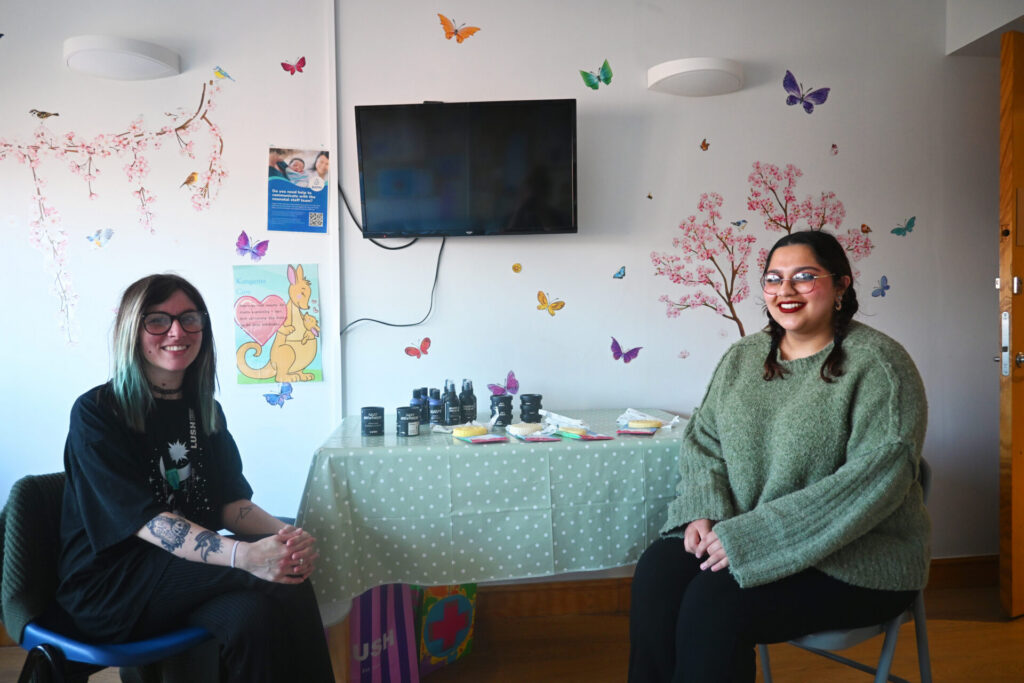
Earlier this year, Maria and Clara from the Doncaster store spent time on the unit offering complimentary hand massages to parents and hardworking neonatal colleagues, alongside providing a selection of freebies and wellbeing treats.
The visit formed part of LUSH’s wider commitment to supporting local communities, giving parents on the unit an opportunity to take a small moment for themselves during what can often be an emotional and challenging time.

Colleagues on the Neonatal Unit said the gesture was hugely appreciated, helping to lift spirits and create a calming atmosphere for both staff and families.
On the visit, Lisa Amey-Wood, Matron of Neonatal Services, said: “It was such a lovely gift for our parents and colleagues. Neonatal care can be incredibly emotionally demanding for all involved, so having the opportunity to pause for a few moments and enjoy some kindness and relaxation really meant a lot to everyone.”
The Neonatal Unit cares for babies who need additional support following birth, including those born prematurely or requiring specialist treatment and monitoring. The team provides round-the-clock care for babies and ongoing support for families throughout their stay.
Speaking about the visit, Maria, Store Manager at LUSH Doncaster, said: “We were so pleased to be able to spend some time with the neonatal team and the families they support. The work staff do every day is incredible, and we wanted to show a small token of appreciation while also giving parents a chance to relax and be looked after too.”
DBTH would like to thank LUSH Doncaster for their generosity and kindness, and for bringing positivity and smiles to the unit.
The Neonatal Unit is supported by the Mini Marvels Appeal funded by Doncaster and Bassetlaw Teaching Hospitals Charity, helping to create comforting spaces for parents, provide vital equipment for newborns, and offer support and resources for siblings. To find out how you can support our Mini Marvels Appeal, please visit https://dbthcharity.co.uk/mini-marvels-appeal/
Content out of date? Information wrong or not clear enough? Report this page.
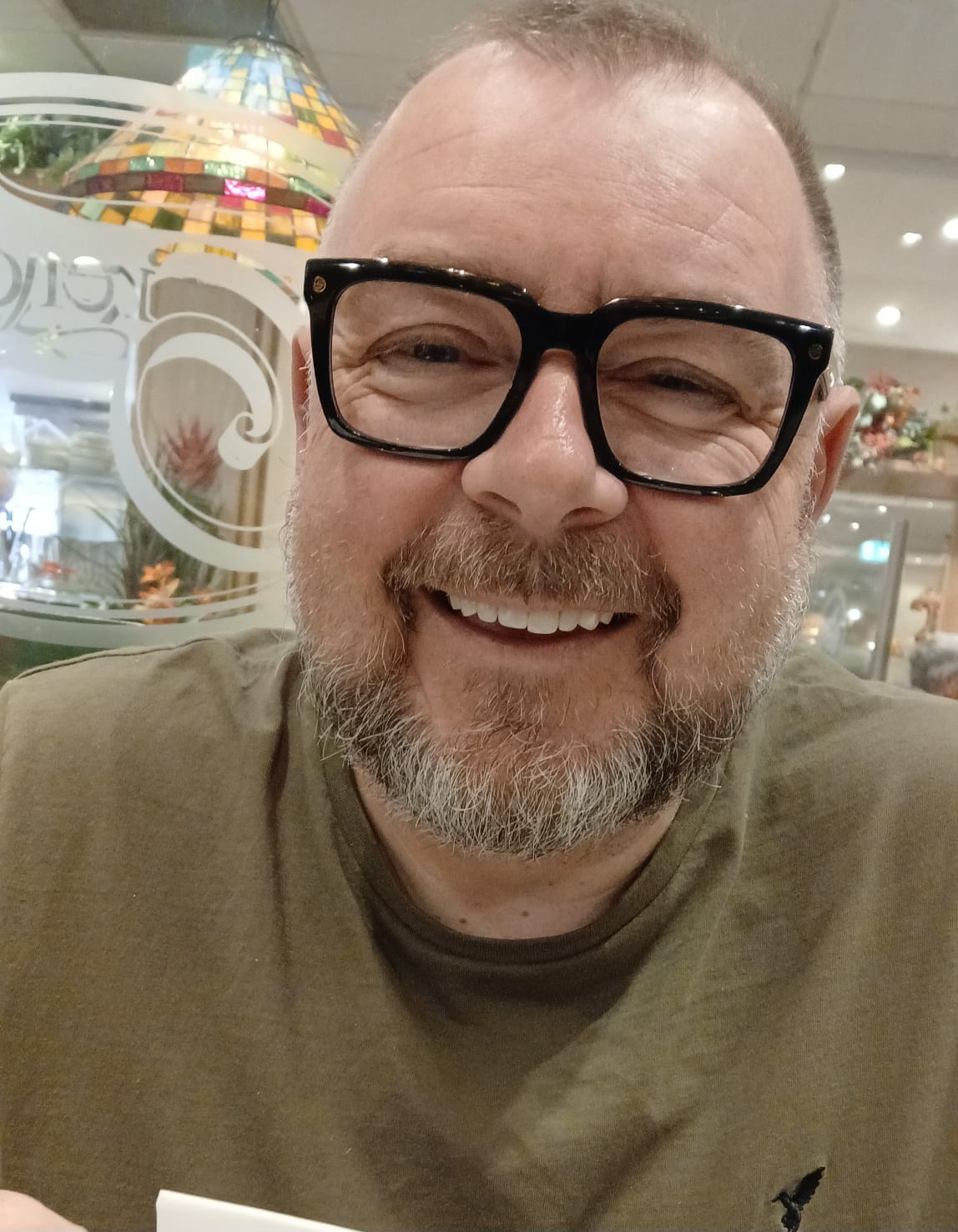
Mark Brook, 53, experienced a stroke in August 2025. Prior to this, he considered himself to be in good health, with no previous history or warning signs.
Mark said: “I’d even had a general MOT at my GP just a month before, and everything came back fine. A stroke wasn’t something I was expecting.”
Mark first noticed symptoms while out with friends one summer evening. As he went to get a taxi home, he experienced a sudden and unusual sensation.
“It felt like I was underwater, or standing under a waterfall,” he explained. “Everything became blurry and I just didn’t feel right.”
After getting home, Mark went to bed hoping the feeling would pass. However, when he woke the following day, his symptoms remained.
At his wife’s suggestion, Mark went outside for some fresh air, but began to feel unsteady.
“I started to stumble, lost my balance and fell, and the same feeling came back again with double vision,” he said.
Although his symptoms were not typical of the well-known FAST signs of stroke, including facial drooping, arm weakness and speech difficulties, Mark’s daughter recognised that something was wrong and contacted NHS 111. Following a call back the next morning, he was advised to attend hospital for assessment.
On arrival at Doncaster Royal Infirmary (DRI), clinicians carried out urgent stroke assessments, including checks on his vision, which had deteriorated significantly in his right eye.
Mark underwent a series of scans, including a CT scan, CT angiogram and MRI scan, which confirmed he had experienced a stroke. These scans allow clinicians to assess the brain and blood vessels in detail, helping to identify any disruption to blood flow.
Mark spent six days on the Hyper Acute Stroke Unit at DRI, where he received specialist care, monitoring and ongoing assessment.
Reflecting on his experience, Mark praised the care he received from the Stroke Team.
“They were phenomenal – absolute angels. I couldn’t fault any of them,” he said. “The care, reassurance and communication were brilliant throughout. They do an incredible job.”
Alongside medical treatment, Mark received rehabilitation support from the physiotherapy team to aid his recovery.
Following his discharge, Mark has also received follow-up care from the Trust’s ophthalmology services and has since regained full vision.
Now, several months on, Mark says he is feeling well and has returned to normal life.
“I feel incredibly lucky and grateful,” he said. “I’m back to feeling like myself again.”
As part of Stroke Awareness Month, Mark is encouraging others to be aware of potential stroke symptoms and to seek advice if something doesn’t feel right.
“I never thought this could happen to me,” he said. “If something feels unusual, it’s always best to get it checked.”
More information on the signs and symptoms of stroke can be found here: https://www.nhs.uk/conditions/stroke/symptoms/ if individuals are unsure and need help, contact NHS 111, or in an emergency, ring 999 immediately.
Content out of date? Information wrong or not clear enough? Report this page.
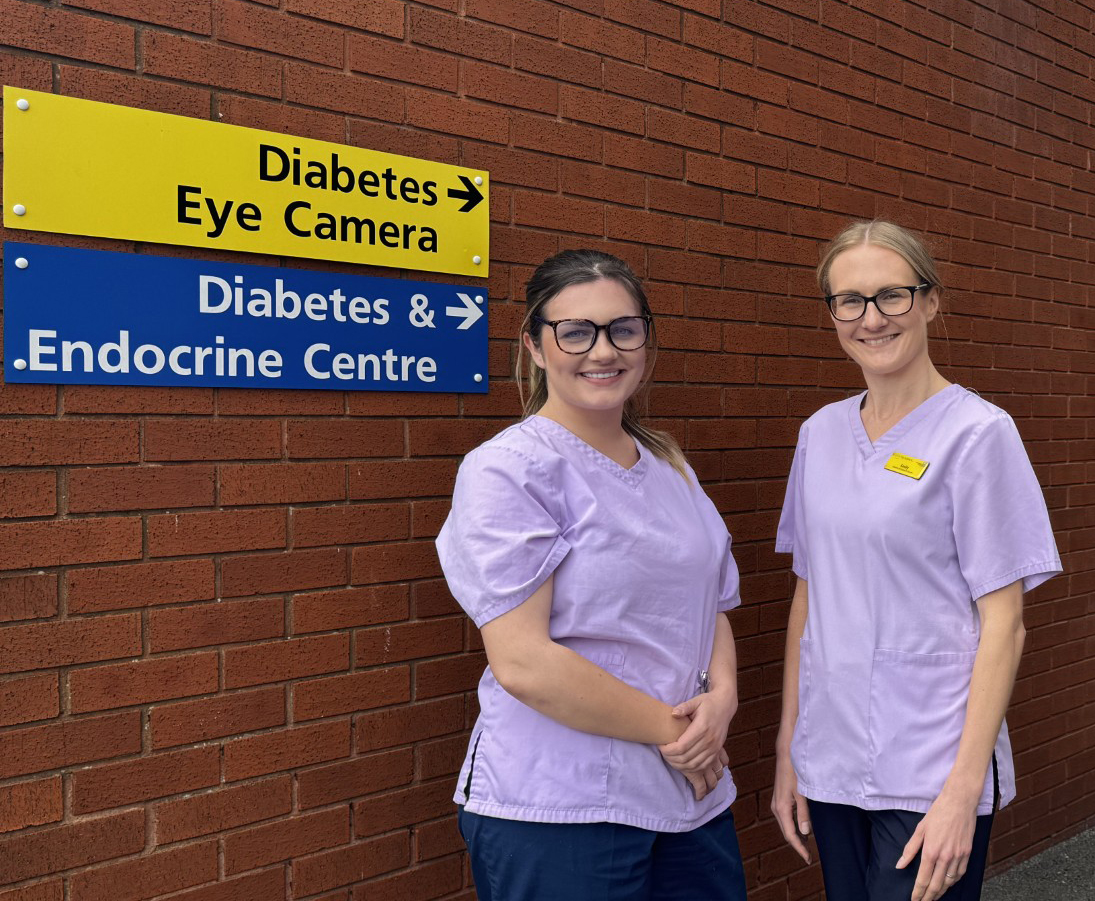
The improvements will make it easier for people living with diabetes to access timely eye checks closer to home, supporting earlier detection of eye conditions and helping to prevent avoidable sight loss.
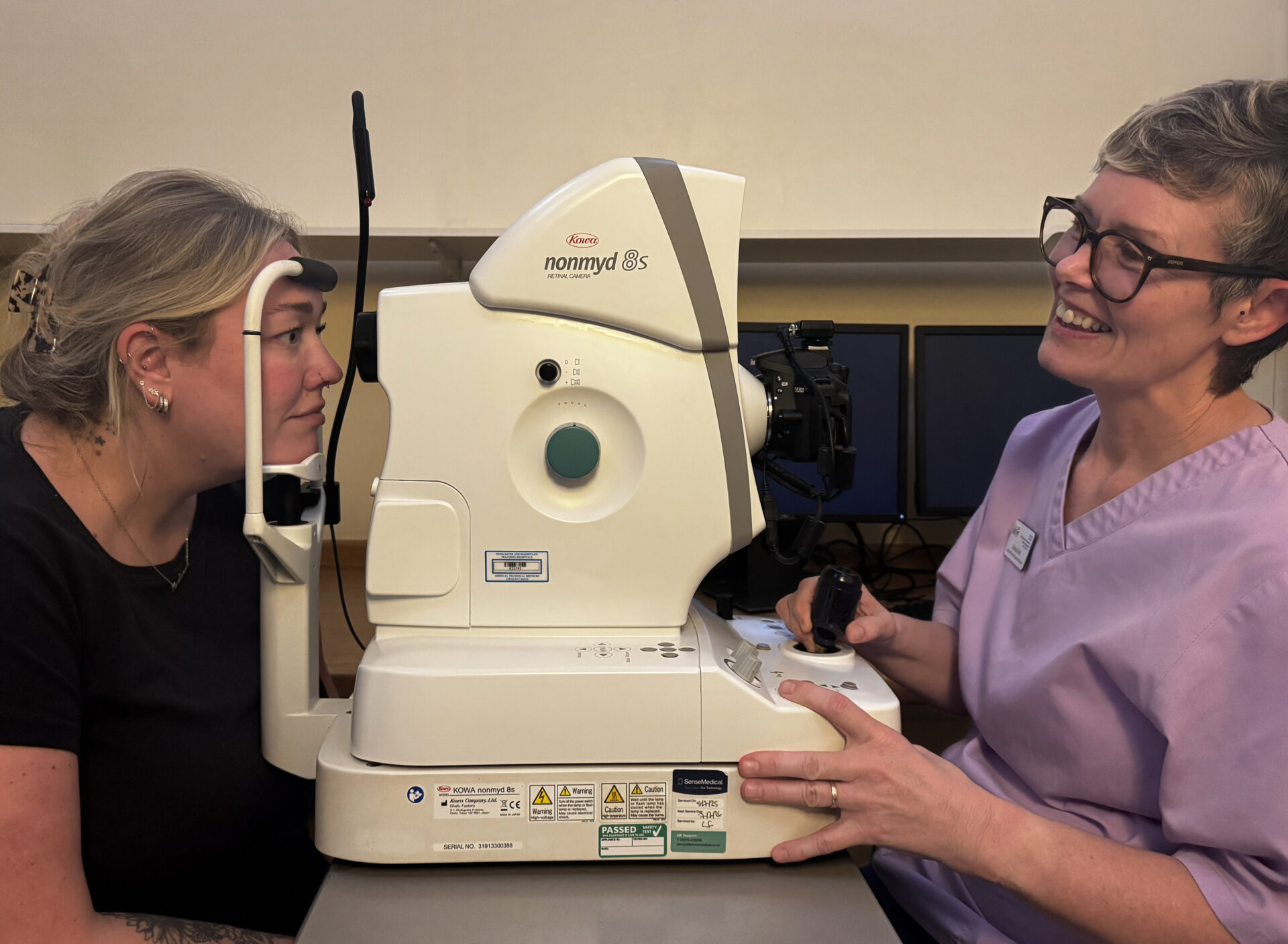
The Diabetic Eye Screening Programme (DESP) is being expanded to increase clinical capacity and bring more advanced diagnostic techniques together in one place. This includes retinal imaging, Optical Coherence Tomography (OCT) scans, and slit lamp examinations, all delivered as part of a coordinated care pathway.
OCT scanning is a painless, non-invasive test that provides highly detailed images of the back of the eye, helping clinicians identify even the earliest signs of change. When used alongside slit lamp assessments and retinal photography, it allows for more accurate diagnosis and closer monitoring of eye health.
These improvements mean patients can benefit from earlier detection of diabetic eye disease, which if found and treated early, can prevent or reduce damage to the eyes and prevent sight loss.
Identifying conditions such as diabetic retinopathy is important as it often develops without symptoms in the early stages. Regular screening remains one of the most effective ways to protect sight and ensure any changes are treated promptly. However, diabetic eye screening is not the same as a regular eye test with an optician, therefore attending for regular eye tests is necessary to check for other conditions.
Patients will be able to receive quicker access to follow-up care where needed, allowing them to benefit from fewer unnecessary hospital referrals, and access to more appointments available locally.
Alongside improved clinical facilities, the service is also increasing flexibility for patients, with plans to support more evening and weekend appointments. This will make it easier for people to attend screening at times that suit them and help improve overall uptake.
The service has also strengthened its community-based offer, with outreach and weekend screening sessions delivered in local venues. These initiatives are helping to bring essential eye checks closer to patients and improve access for those who may find it harder to attend hospital appointments.
Dr Shivani Dewan, Lead for the Diabetic Eye Screening Programme at DBTH, said: “These improvements are all about making care easier, faster and more effective for patients. By bringing more of the screening process together in one place, we can reduce delays, improve accuracy and ensure people are seen at the right time. It also means patients can be seen closer to home, which makes a real difference for those living with long-term conditions like diabetes.”
Denise Smith, Chief Operating Officer at the Trust, said: “This is a really positive step forward for patients in our communities. Expanding our diagnostic services enables us to improve access to care, reduce waiting times and reduce the number of visits patients needs to make to hospital. It also reflects our ongoing commitment to delivering more care closer to home while making best use of our facilities and clinical expertise.”
To support this expansion, refurbishment work is underway within the hospital to create additional clinical space for the service, set for completion in the summer. This forms part of wider plans to invest in clinical spaces across the Trust to improve services and patient experience. To find out more, visit: https://www.dbth.nhs.uk/improving-our-hospitals/
Content out of date? Information wrong or not clear enough? Report this page.
The Trust is calling for individuals from all walks of life to consider the role, which plays a key part in ensuring local communities have a voice in how healthcare services are shaped and delivered.
Nominations are now open and will close on 5 June. Those wishing to stand must also be a Trust Member – details on how to sign-up are available at www.dbth.nhs.uk
Governors represent the views of patients, the public and our workforce, bringing valuable local insight to support the development of services across the organisation.
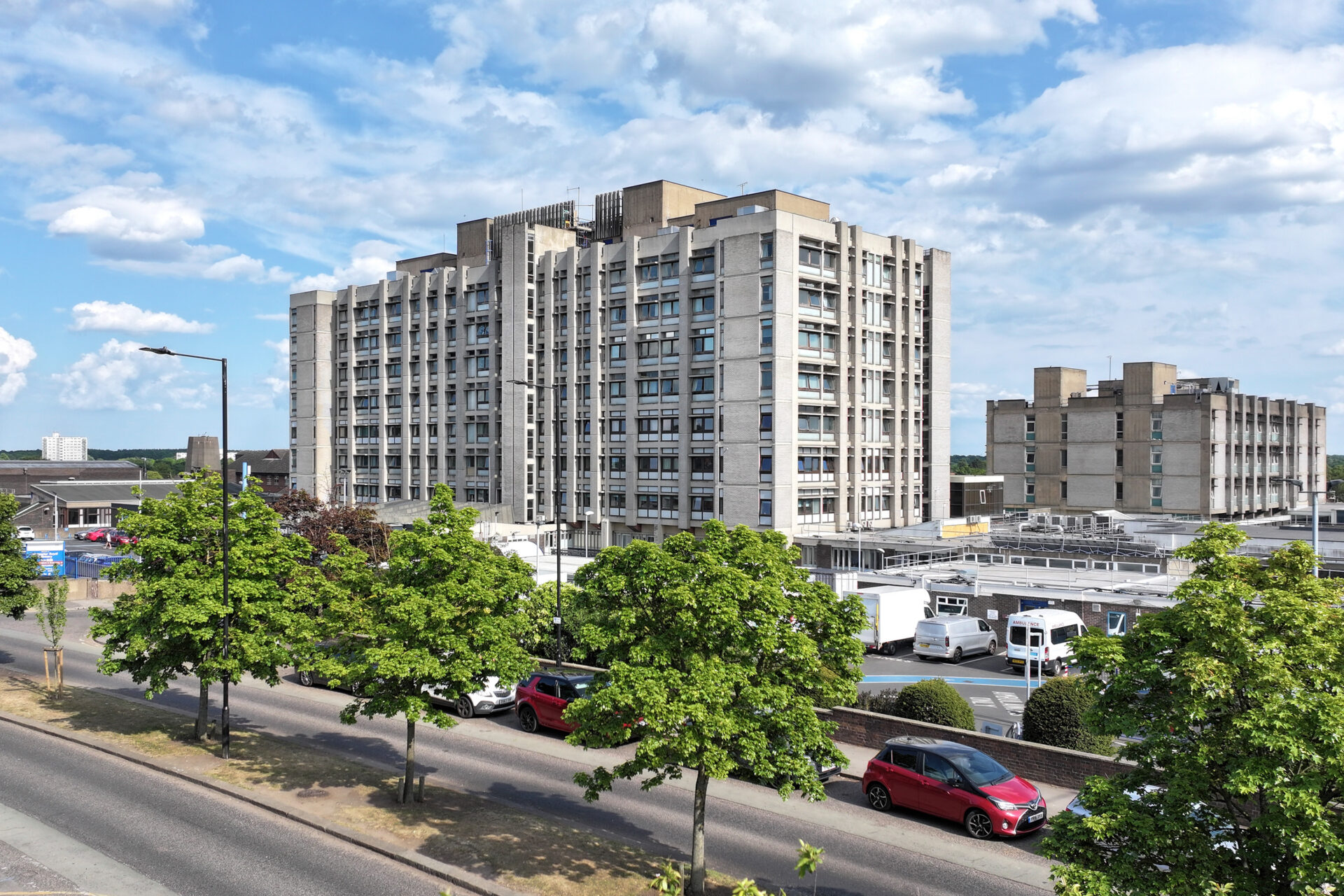
DBTH serves a population of more than 440,000 people across South Yorkshire, North Nottinghamshire and surrounding areas, employing over 7,300 colleagues and operating hospital sites in Doncaster, Bassetlaw and Mexborough.
As a teaching hospital, it also plays an important role in training future healthcare professionals and advancing research and innovation.
The Council of Governors is made up of elected public and staff representatives, alongside appointed partner Governors, and works collectively to hold Non-Executive Directors to account for the performance of the Board. They contribute to key decisions and ensure the Trust remains aligned with the needs of its communities.
Mark Bailey, Chair of the Board at DBTH, said: “Our role is to serve a diverse population and we are stronger as a Trust when we are able to listen to and work with Governors from all backgrounds and communities. This is an opportunity to be part of our resolve to be ‘Healthier together, delivering exceptional care for all’.
“Whether you’re working or retired, have experience in healthcare or none at all – your perspective matters. If you care about your local NHS and want to make a difference, I would strongly encourage you to consider putting yourself forward.”
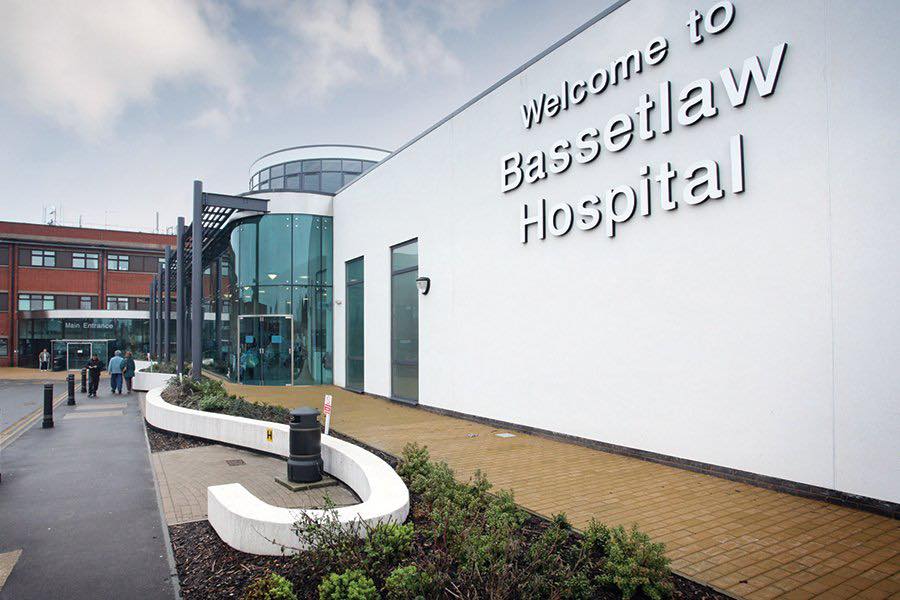
Nine public Governor seats are available, with six representing Doncaster, two representing Bassetlaw and one the rest of England and Wales. The Trust is also looking for four Staff Governors.
Anyone aged 16 or over who is a member of the Trust can stand for election, with membership free to join, subject to meeting fit and proper person requirements and standard eligibility criteria. While no formal qualifications are required, candidates should be comfortable engaging with others, using email, and participating in meetings, some of which may take place online.
The election process is run independently to ensure fairness and transparency, with candidates invited to submit a short statement outlining why they wish to stand.
Those interested in standing can find further information and complete a nomination online at www.cesvotes.com/DBFT2026, or contact the Trust Board Office on 01302 644157 or via email at dbth.trustboardoffice@nhs.net
This is an opportunity for local people and our colleagues to play a direct role in shaping healthcare services and ensuring they reflect the needs and experiences of the communities they serve.

Content out of date? Information wrong or not clear enough? Report this page.
Darren Pryce, 56, from Rotherham, suffered a life-changing stroke in September 2022 despite leading an active and healthy lifestyle.
Now, more than three years on, Darren says he is approximately “90% recovered” and hopes that by sharing his experiences, he can help others navigating the challenges of stroke rehabilitation and recovery.
Darren, who has been married for 33 years and has three adult children, spent four decades working in the Sheffield steel industry, travelling across more than 30 countries during a successful international sales career. A keen runner and fitness enthusiast, he never imagined he would experience a stroke.
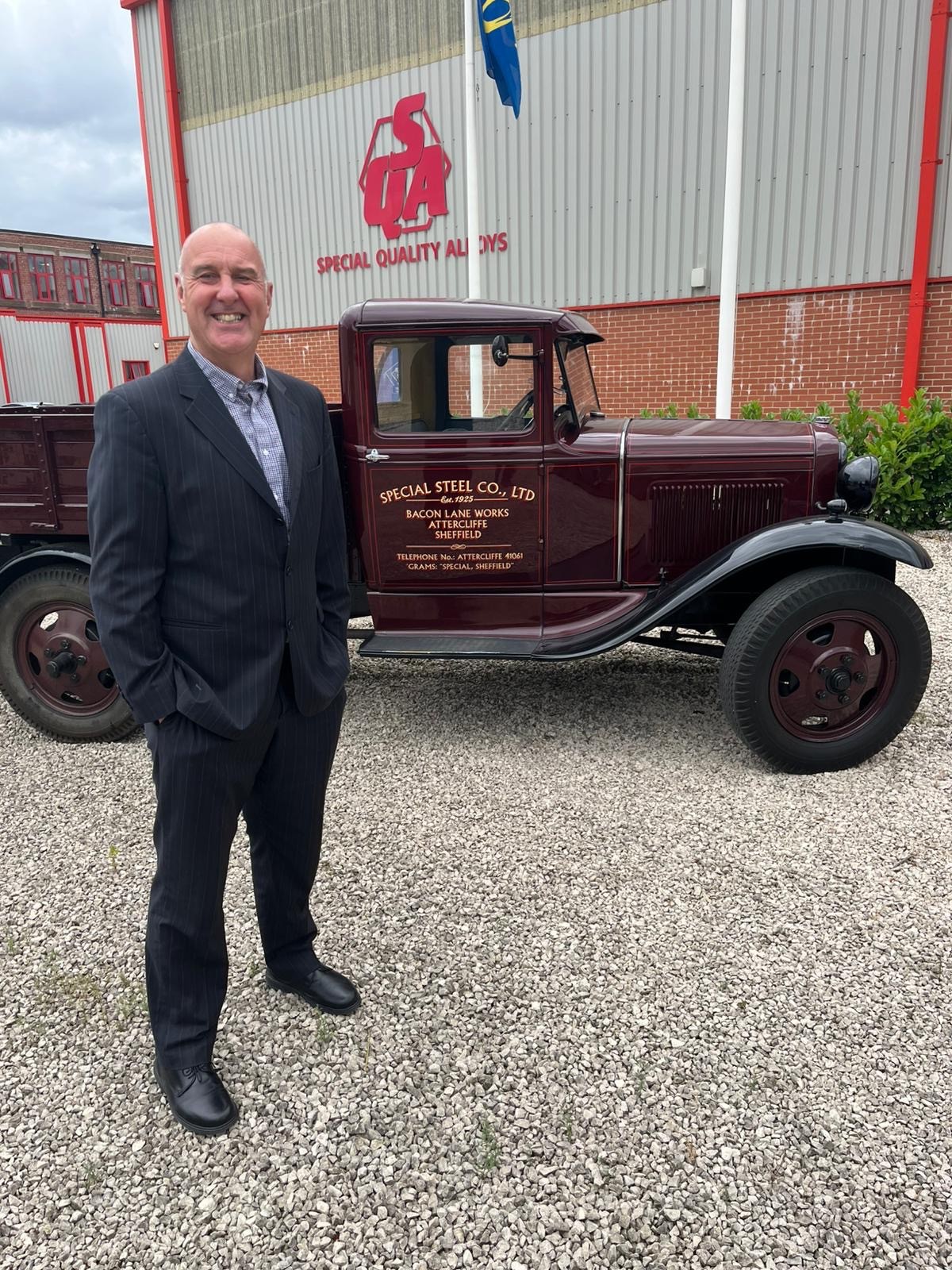
Recalling the events leading up to his stroke, Darren said: “I’d felt unwell earlier in the week and had some earache, but I still went to work and even went running as normal.
“The next morning I woke up extremely ill with no balance, a headache, and I was constantly sick. I collapsed twice and couldn’t speak or stand properly. Then my face dropped.”
Darren’s wife, Helen, immediately called for an ambulance and he was taken to Royal Hallamshire Hospital within the hour, where specialists quickly identified he had suffered a stroke affecting the left side of his brain in the medulla area.
He experienced severe swallowing difficulties, speech problems, balance issues and weakness, and spent nine days unable to eat or drink.
During his treatment and rehabilitation, Darren underwent extensive assessments, physiotherapy, speech and language therapy, and specialist swallowing rehabilitation using AMP Care treatment – a therapy which uses low-level electrical stimulation to help rebuild swallowing function following stroke.
Darren was one of the first people in the UK to receive this treatment.
After initial acute care, Darren continued his rehabilitation pathway at The Rotherham NHS Foundation Trust with support from specialist stroke teams, receiving 39 AMP Care sessions over several months as well as ongoing physiotherapy and psychological support.
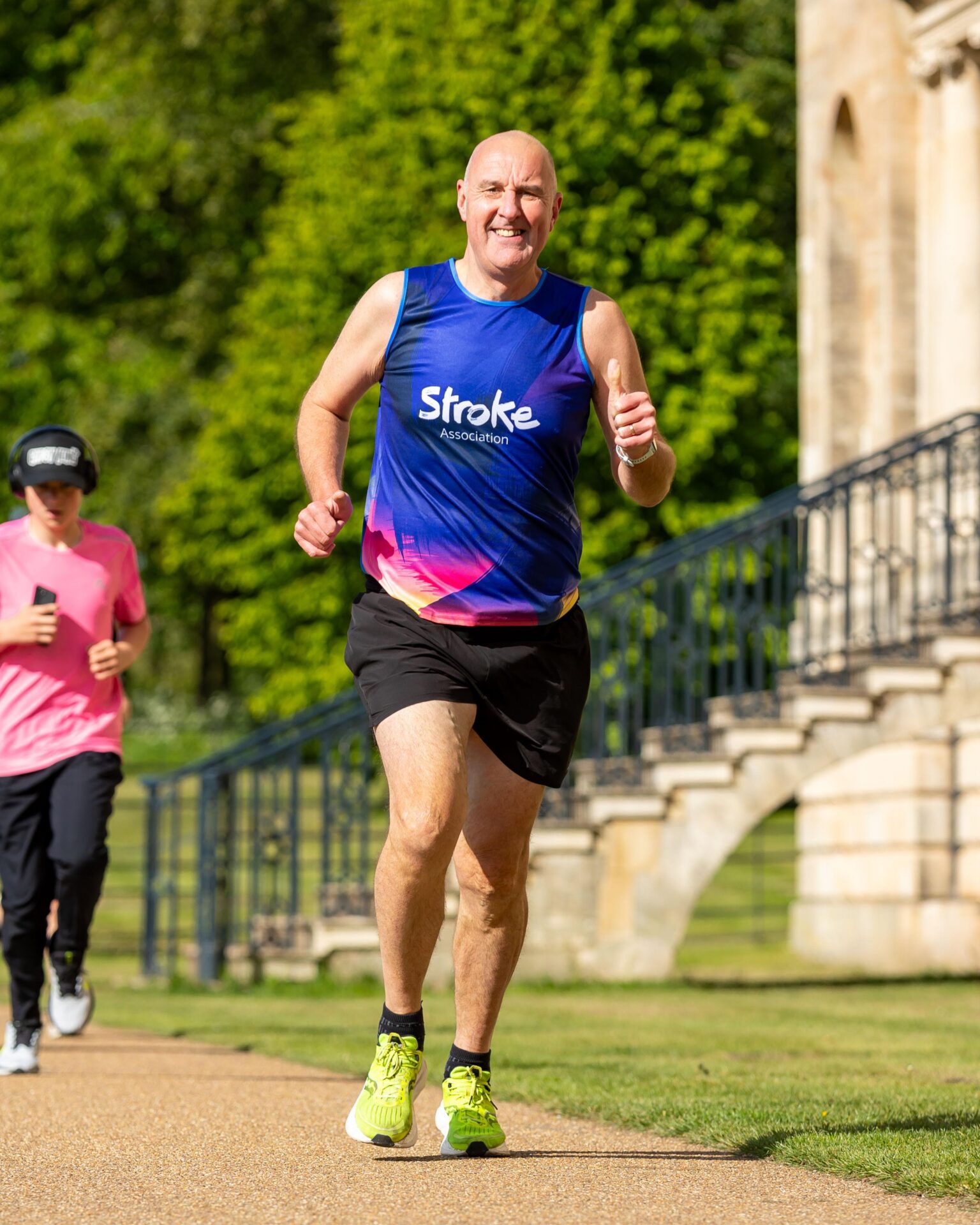
Darren said one moment has stayed with him throughout his recovery journey: “The consultant who treated me was also a runner. I remember him saying: ‘Darren, we have a marathon to run together.’ That really stuck with me.”
Today, Darren has returned to full-time work, travelling and running again, although, as he jokes, “a little slower these days.”
He credits his recovery to specialist NHS care, his own determination, and the support of his family, friends, employer and healthcare professionals.
Wanting to give something back, Darren has since become involved in clinical training sessions at DBTH, helping healthcare professionals better understand the emotional impact of stroke and sharing insights into supporting patients experiencing anxiety during recovery.
“The recovery journey after stroke is about much more than physical rehabilitation. There’s anxiety, vulnerability, loss of confidence and uncertainty. The psychological support I received made a huge difference to me and is something I feel very passionate about discussing openly if it can help others.”
Stroke Awareness Month highlights the importance of recognising stroke symptoms quickly and accessing urgent medical treatment. It also shines a light on the long-term recovery journey many stroke survivors experience.
The specialist stroke teams at DBTH support patients throughout every stage of recovery, from emergency treatment and inpatient care through to rehabilitation, therapy and ongoing community support.
Darren hopes that by sharing his story, more people will understand that recovery after stroke can continue for years – and that hope, support and determination can make a significant difference.
He concluded: “I’m proud of how far I’ve come. If sharing my experience helps even one person feel less alone or more hopeful about their own recovery, then it’s worth it.”

Content out of date? Information wrong or not clear enough? Report this page.
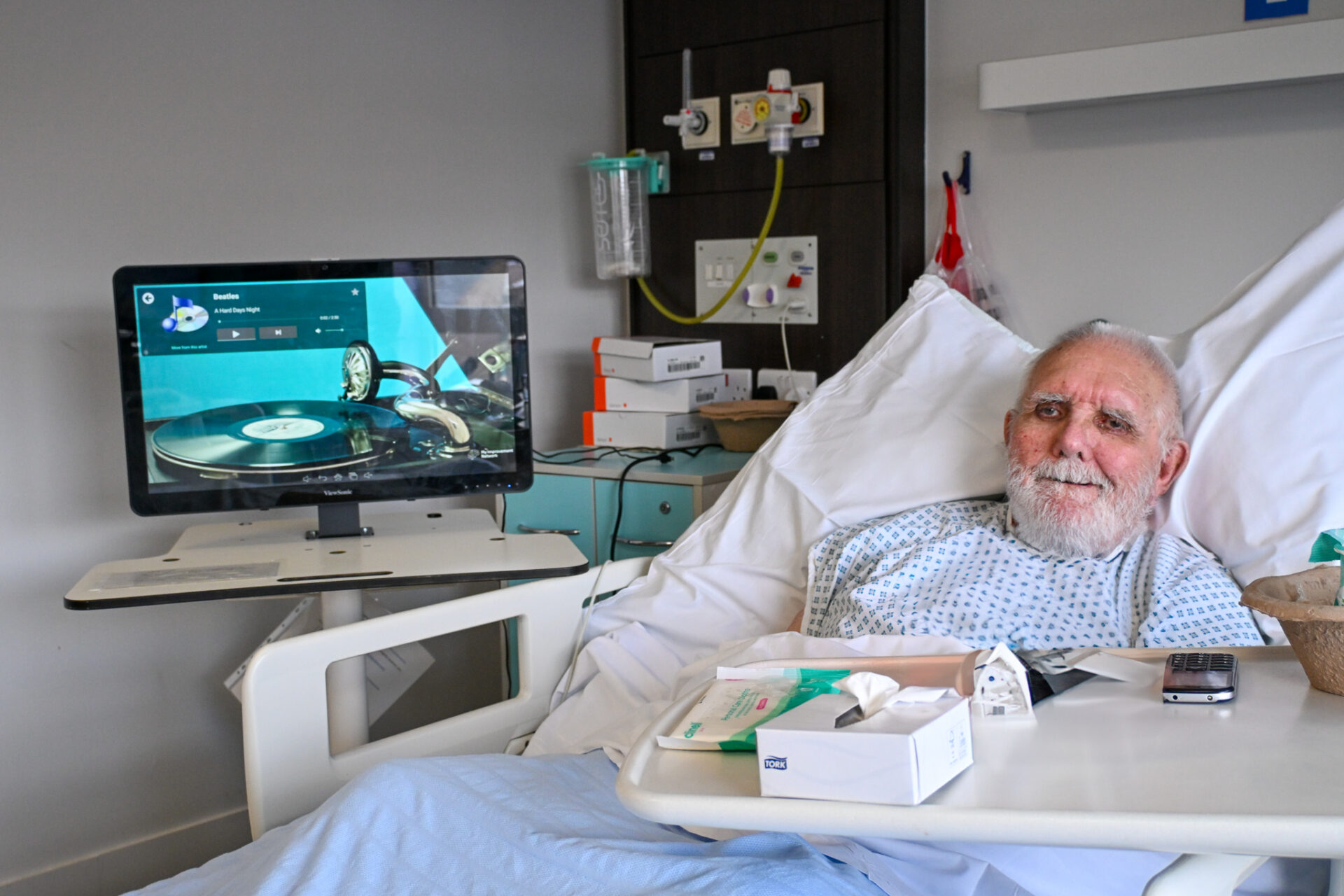
The Reminiscence Interactive Therapy Activities (RITA) device, a portable touch-screen system, offers a welcomed distraction for patients receiving enhanced care due to support their additional needs.
Previously, hospital teams closely observed patients at risk of falls and agitation, but lacked the tools to distract them, boost their mood, or help soothe anxieties, explained Julie Wragg, Corporate Nurse at DBTH.
She said: “Our teams will watch patients to prevent them falling but there isn’t always engagement with them. It can mean boring and long days for both colleagues and patients.
“RITA has opened up a way for them to pass the time and build up rapport and trust as often patients who are confused can feel vulnerable when in hospital.”
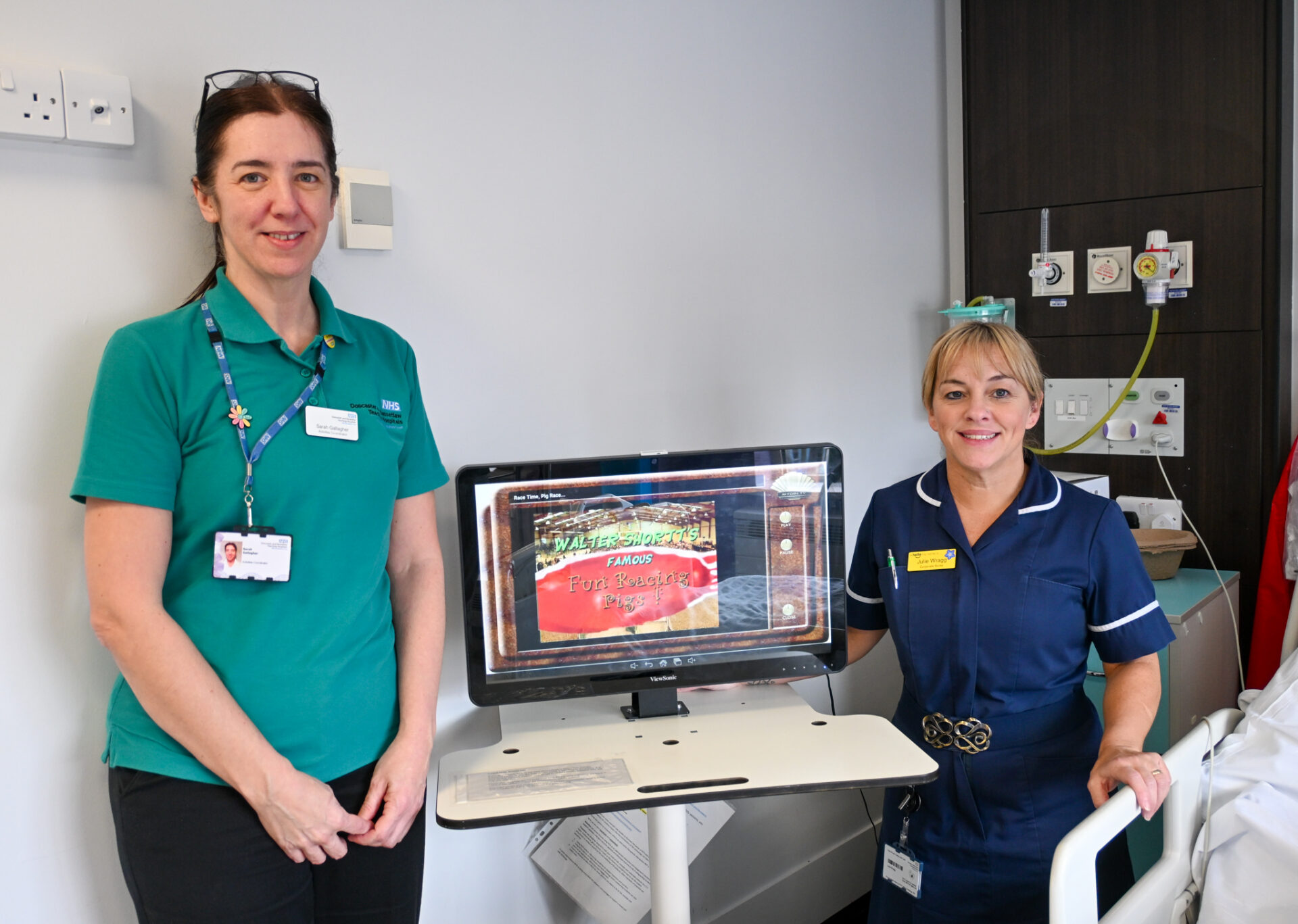
Use of the RITA also reduces the need for medication to settle those who are distressed, Julie explained.
Activities on the RITA include quizzes, interactive musical instruments and short television broadcasts from the 1950s and 60s.
88-year-old Trevor Holder, a patient on the Mallard Ward at Doncaster Royal Infirmary, particularly enjoys watching musicals on the device.
He said: “It passes the time and helps to have some entertainment while I’m here.”
Trevor has watched at least four musicals using the RITA from his bedside, including Oklahoma and Calamity Jane.
He eagerly awaits the addition of ‘Seven Brides for Seven Brothers’ to the device’s catalogue.
The RITA is not only useful for passing the time independently, but also as a group.
Sarah Gallagher, Activities Coordinator on the Mallard Ward, explained: “When I do the quizzes, I try and do it as a group and get them more involved.”
“We just did one with Trevor and another patient and now they’re chatting and have got to know one another a little bit.”
The interactive device comes with a wide range of reminiscence and therapeutic content, allowing Sarah to evoke fond memories and engage patients.
Sarah said: “The RITA helps me get into conversations with them about what they enjoy and what makes them smile.
“It gives them a little sense of being people.”
One of Sarah’s patients had emigrated to the UK. With the help of the RITA, he could see the place he had lived before and was ‘taken aback’, Sarah explained.
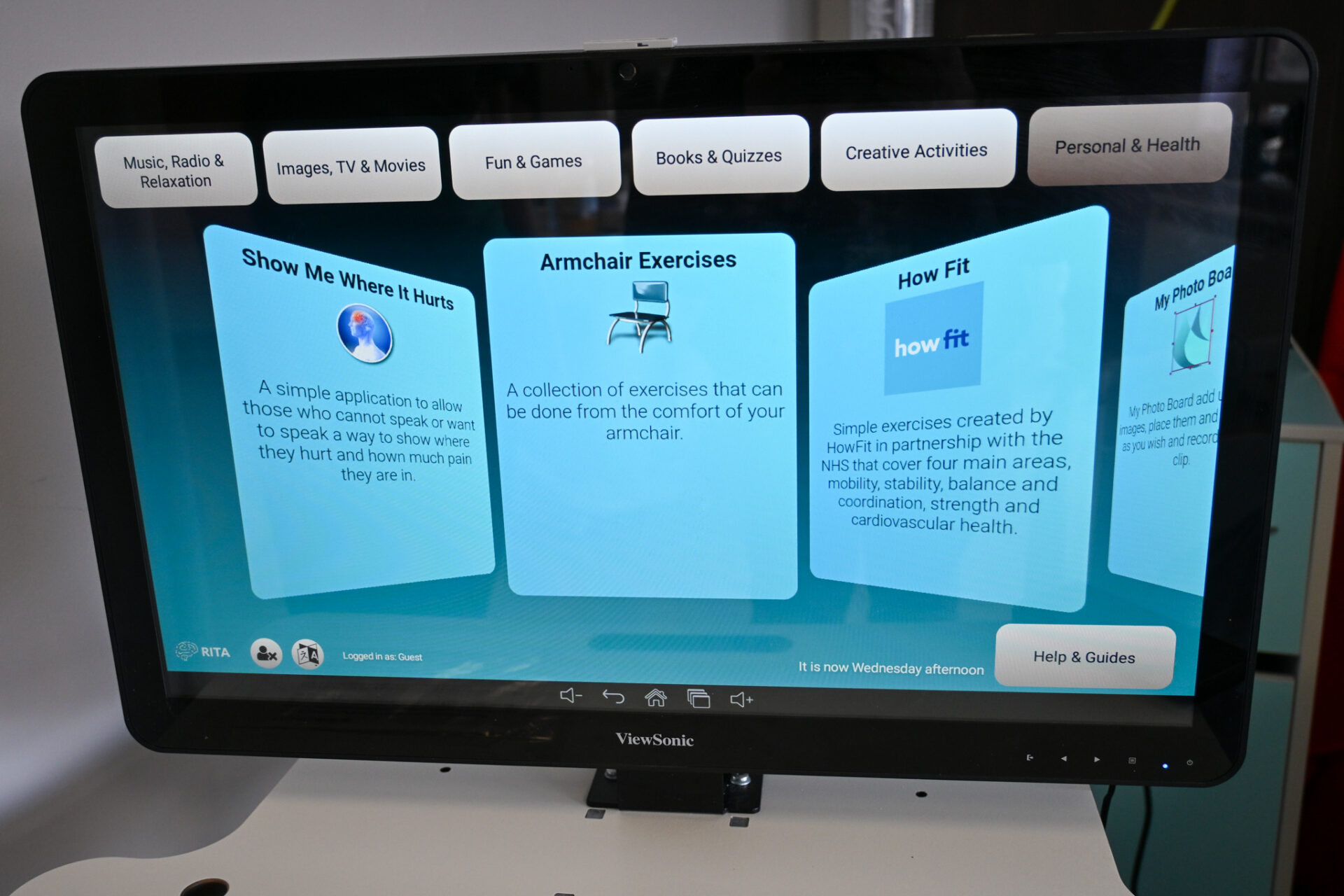
The RITA also aids communication for patients who have difficulties speaking or describing things.
Sarah said: “Patients can use a special photo of a body on the RITA to point to or show where they may be hurting.”
The introduction of the RITA devices was only possible thanks to the generosity of the local community and Doncaster and Bassetlaw Teaching Hospitals (DBTH) Charity.
Julie said: “Knowing that the community has funded this is hugely heart-warming and they themselves may just benefit from RITA in any potential future admissions.”
About DBTH Charity:
Doncaster & Bassetlaw Teaching Hospitals’ Charity is the official charity which supports Doncaster and Bassetlaw Teaching Hospitals Trust to go above and beyond by providing additional equipment, services and amenities for our patients, visitors and staff which cannot be funded by the NHS alone.
These additional extras would not be possible without the support of our community. With your help, we can continue to work with our Trust to fund innovative and exciting projects that make a difference to our patients, their families and our colleagues who care for them.
Visit the charity website to find out more: https://dbthcharity.co.uk/
Content out of date? Information wrong or not clear enough? Report this page.