
Over recent years, the Trust has introduced a range of innovations designed to ensure patients receive faster diagnosis, more effective treatment, and enhanced rehabilitation support following a stroke.
One of the most significant developments is the introduction of Rapid CTP, an advanced artificial intelligence imaging system now used across DBTH hospitals. The technology analyses brain scans in real time, helping clinicians quickly identify which areas of the brain can be saved and guiding urgent treatment decisions.
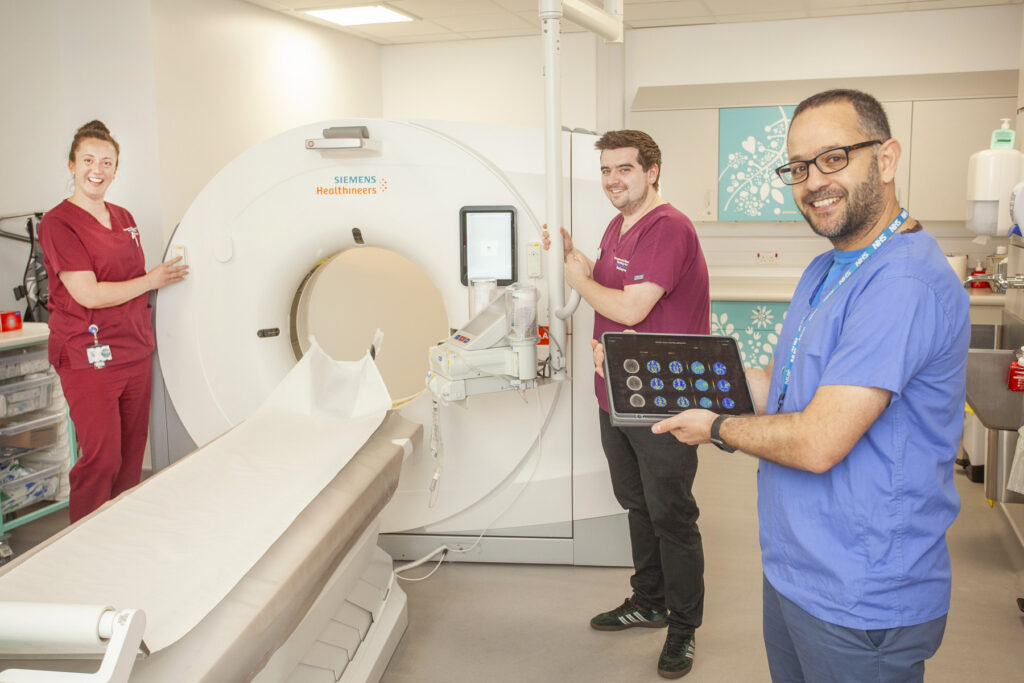
This innovation has helped to transform stroke care locally, enabling specialists to extend the treatment window from the traditional 4.5 hours to up to 24 hours in suitable cases – giving more patients access to life-saving interventions.
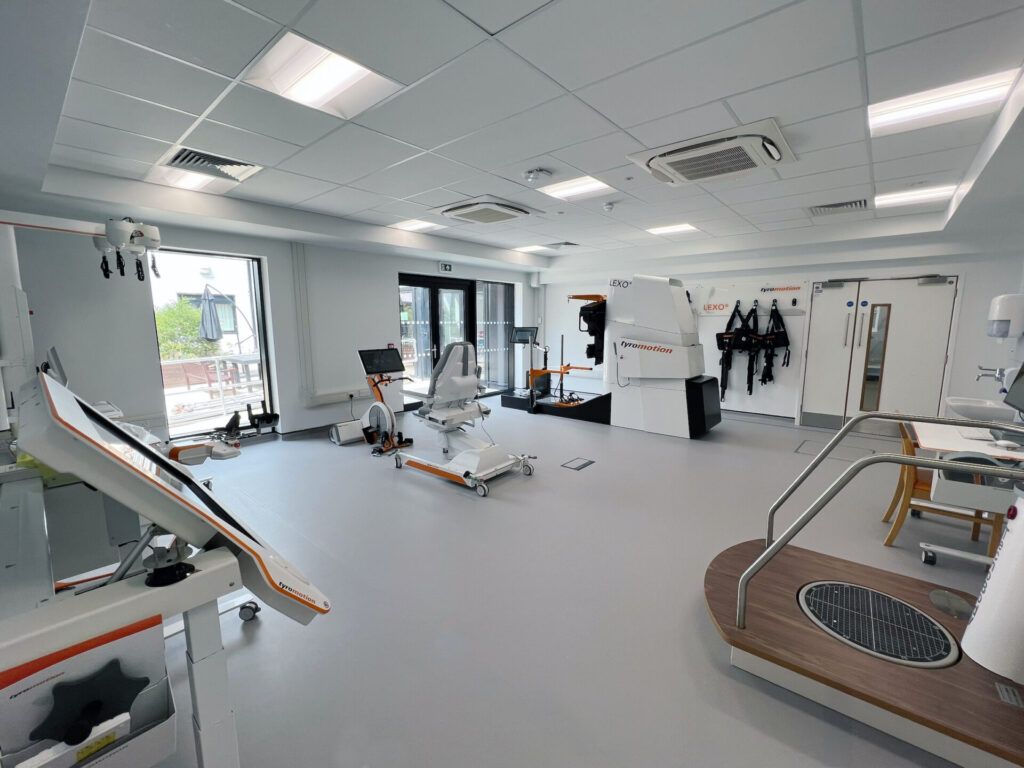
In addition to improvements in acute care, DBTH has made major strides in rehabilitation with the opening of the Phoenix Therapy Suite at Montagu Hospital – one of the first facilities of its kind in the NHS.
The state-of-the-art suite provides access to cutting-edge, technology-assisted rehabilitation, including robotic therapy devices that support patients in regaining movement, balance, and cognitive function. The innovative equipment acts as a “therapy multiplier,” allowing patients to undertake more intensive and engaging rehabilitation programmes to aid recovery.
By combining clinical expertise with advanced technology, the Phoenix Suite represents a step-change in stroke rehabilitation and positions DBTH as a regional centre of excellence for stroke recovery.
As part of its ongoing commitment to improving patient experience, DBTH Charity is now raising funds to further enhance the Phoenix Therapy Suite with the creation of a dedicated garden room.
This new space will provide a calming, therapeutic environment where patients can continue their recovery, benefit from social interaction, and support their mental wellbeing alongside physical rehabilitation.
You can donate to the appeal here: https://dbthcharity.co.uk/charity-gardens/#phoenix
Stroke Awareness Month also provides an opportunity to remind the public of the signs of stroke and the importance of acting quickly.
The Trust is encouraging everyone to remember the FAST acronym:
Face – has it dropped on one side?
Arms – can they lift both arms?
Speech – is it slurred or unclear?
Time – call 999 immediately
Every second counts during a stroke, and early intervention can significantly improve outcomes.
Dr Dinesh Chadha, Stroke Consultant at Doncaster and Bassetlaw Teaching Hospitals, said: “Stroke can have a life-changing impact, but the right care at the right time can make a huge difference to recovery and quality of life. At DBTH, we are proud to offer advanced treatments and innovative rehabilitation through developments like Rapid CTP and the Phoenix Suite, helping more patients regain independence and return to what matters most to them.
“Just as importantly, many strokes are preventable. Managing blood pressure, maintaining a healthy lifestyle, and recognising the early signs can save lives. I would urge everyone to remember the FAST symptoms (face drooping, arm weakness, speech difficulties) and to call 999 immediately if they occur. Acting quickly really can make all the difference.”
Content out of date? Information wrong or not clear enough? Report this page.
For more than 26 years, Maura Stevenson, a Sister in the Department of Critical Care at DRI, has dedicated herself to caring for patients across the Trust.
Reflecting on her nursing journey, she said: “I first started on Ward B5 at Bassetlaw Hospital in 2000 as a Healthcare Assistant. In 2008, after qualifying as a Nurse through the University of Derby, I joined the Department of Critical Care at Doncaster Royal Infirmary and have been there ever since.”
Before beginning her nursing career, Maura experienced the devastating loss of two children. In 1995 her daughter, Danica, passed away at just 24 hours old and, three years later, her son Sam sadly died at five days old, both at Chesterfield Royal Hospital.
She said: “It was an incredibly difficult time for me, but the support I received from the nursing teams who cared for me was invaluable and ultimately inspired me to consider a career in nursing.
“When I had my babies, I couldn’t spend much time with them. So often I’ve wished I’d had a little longer to hold them, talk to them, and share those moments with family members who didn’t have the chance to meet them.”
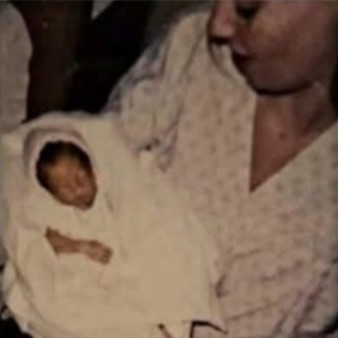
In memory of Danica and Sam, Maura will climb Mount Snowdon on Friday 30 May to raise money for the Serenity Appeal, which supports maternity bereavement services across DBTH and helps families through some of the most difficult moments imaginable.
Over the years, Maura has taken on a number of fundraising challenges, including a 20-mile walk in Bakewell for Breast Cancer Now and a walk from Sheffield to Doncaster for Firefly, a charity which provides free transport for cancer patients travelling to and from appointments.
Explaining why she chose Snowdon for her latest venture, Maura said: “I wanted to take on a new challenge. I thought, what could be better than climbing Snowdon at night to watch the beautiful Welsh sunrise?
“The reason I have chosen to raise funds for DBTH Charity is simply because I love my job and the people I work with. The Trust has supported me so much over the years.
“There is no greater pain than losing a child. Helping families have the time they need with their babies is so important to me.
“I just want to show my gratitude to everyone who has helped me and give something back in memory of my little ones.”
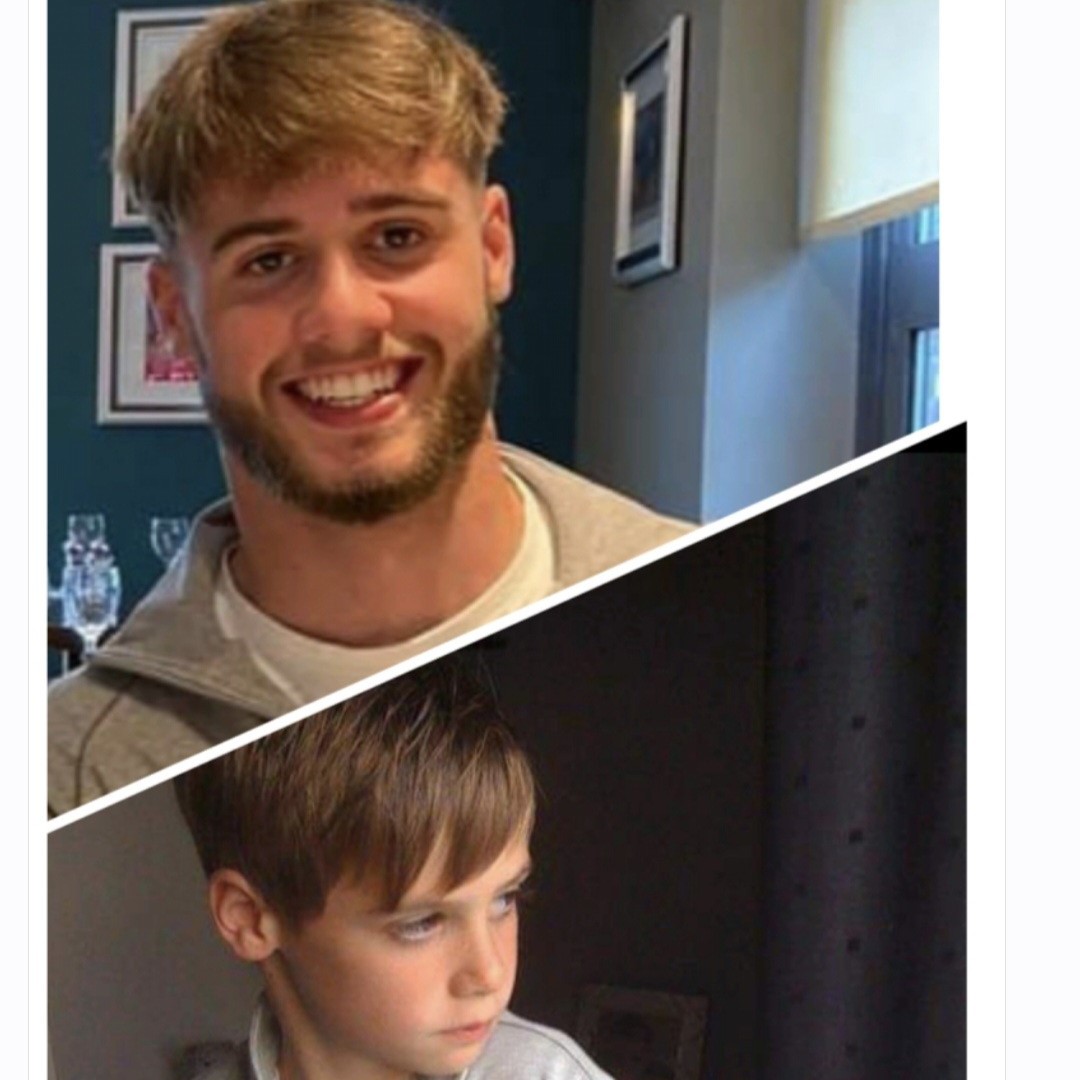
In 2002, Maura gave birth to her son Billy at Bassetlaw Hospital. Born with several serious health issues, Billy received specialist support from the paediatric team.
Today, Billy is a healthy 23-year-old – something Maura credits to the care and dedication of the teams who supported him.
She added: “Thank you will never be enough.”
Maura has set an initial fundraising target of £750.
Sarah Dunning, Fundraising Manager for DBTH Charity, said: “We are incredibly grateful to Maura for supporting the Serenity Appeal.
“Funds raised have previously helped provide projects such as the Serenity Suite at Doncaster Royal Infirmary – a dedicated space offering comfort, privacy and dignity for families experiencing the loss of a baby.
“The appeal also helps provide memory keepsakes, sibling support resources and other meaningful items that support families during an incredibly emotional time.
“Every enhancement funded through the appeal is centred around helping families spend precious time together with comfort, privacy and dignity. We’ll all be cheering Maura on during her Snowdon challenge.”
To support Maura’s fundraising for the Serenity Appeal, please visit: https://www.justgiving.com/crowdfunding/maura-stevenson?utm_medium=CF&utm_source=CL

About DBTH Charity:
Doncaster & Bassetlaw Teaching Hospitals’ Charity is the official charity which supports Doncaster and Bassetlaw Teaching Hospitals Trust to go above and beyond by providing additional equipment, services and amenities for our patients, visitors and staff which cannot be funded by the NHS alone.
These additional extras would not be possible without the support of our community. With your help, we can continue to work with our Trust to fund innovative and exciting projects that make a difference to our patients, their families and our colleagues who care for them.
Visit the charity website to find out more: https://dbthcharity.co.uk/
Content out of date? Information wrong or not clear enough? Report this page.
Joni Hughes, a HR professional, keen reader and horror film fan, says she had always considered herself healthy.
“I wasn’t really an ill person. There was nothing to suggest something like this could happen to me.”
That changed suddenly in November 2022 when she developed unusual pain on the left side of her neck. After contacting her GP, it was initially thought to be muscular, and she was prescribed anti-inflammatory medication, however one evening, her condition escalated dramatically.
“I went to bed as normal, but when I sneezed I had the most excruciating pain which made me vomit,” she said. “I went downstairs and then I just melted off the settee onto the floor. I couldn’t move my right side at all. My arm was completely dead.”
Her partner immediately called NHS 111, and an ambulance arrived within minutes: “The ambulance crew were incredible. They acted so quickly, stayed calm, and got me to hospital fast.”
At hospital, Joni’s symptoms worsened. Her speech became affected and confusion set in. After several hours in A&E, she went into cardiac arrest.
“My partner said the team reacted instantly. They started CPR straight away. I was gone for four minutes, but they brought me back.”
She was transferred to intensive care, where she spent a week on a ventilator. Doctors also discovered she had pneumonia. From there, she began a long recovery through stroke and rehabilitation services at Doncaster and Bassetlaw Teaching Hospitals.
Joni speaks highly of the care she received throughout her treatment: “ICU was awesome, the stroke unit was awesome, rehab was awesome. I wouldn’t be here without them.”
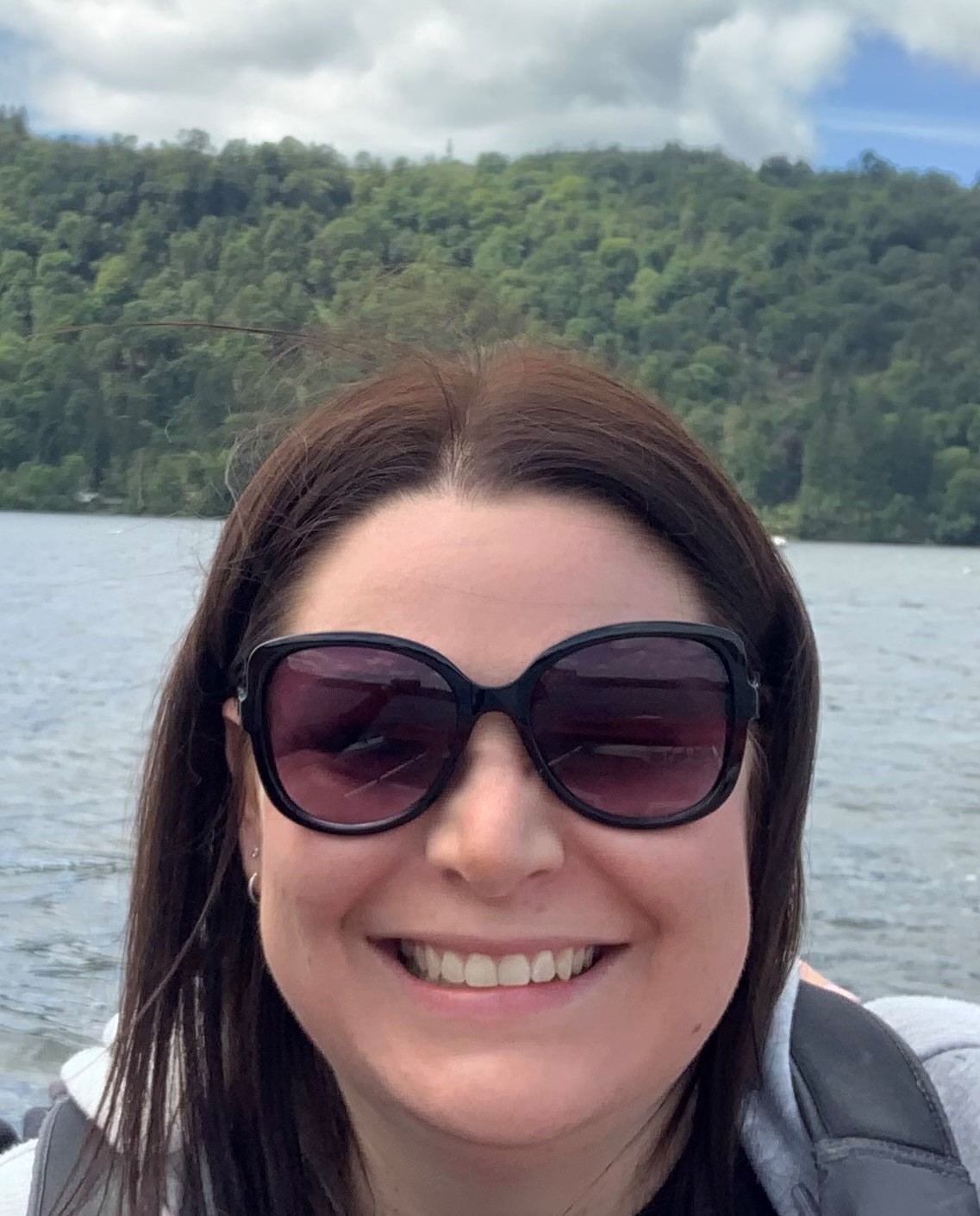
She credits everyone involved in her care including doctors, nurses, and therapists who helped her physically and emotionally through her recovery.
“It was the little things that mattered, such as healthcare assistants making me smile or plaiting my hair after a shower. That meant everything.”
Although she has made significant progress, Joni continues to live with lasting effects from her stroke. She has right-side weakness, mobility difficulties, drop foot, and uses a Functional Electrical Stimulation device to help her walk. Fatigue remains one of her biggest challenges.
“Fatigue is the worst part. Some days are okay, some aren’t and people don’t always understand that.”
Everyday tasks can still be difficult, Joni said: “I can’t do my hair properly, and I need help with things like cooking or walking long distances. You lose independence, and that can feel quite isolating.”
Joni credits her recovery to ongoing rehabilitation, a personal trainer, and strong family support: “My husband is my superhero. I’d be lost without him.”
She also attended private counselling to help process the trauma, which she describes as “brilliant.”
She continues to celebrate small milestones in her recovery.
“Progress is slower now, but I still notice improvements. I even managed to put petrol in my car recently. It sounds small, but it was a big moment for me.”
Joni hopes sharing her experience will help others recognise stroke symptoms early and understand the long-term impact of survival.
Despite ongoing challenges, Joni remains determined: “My goals are about building strength, listening to my body, and taking things one step at a time.”
Her advice to others is simple but powerful: “Stay positive when you can, celebrate the small wins, listen to your body, and don’t be afraid to ask for or accept help.”
Dr Chadha, Stroke Consultant at Doncaster and Bassetlaw Teaching Hospitals, said: “Joni’s recovery is a testament to her resilience and to the dedication of the stroke, intensive care and rehabilitation teams who supported her at every stage. It has been a privilege to be part of her care and to see the progress she has made following such a sudden and life-threatening illness.
“Her story is a powerful reminder that stroke can affect anyone, at any age, and it is vital that the public know the signs. If you see symptoms such as facial drooping, arm weakness or speech problems, you must act FAST and call emergency services immediately. Rapid treatment saves lives and can make a significant difference to recovery outcomes.”
More information on the signs and symptoms of stroke can be found here: https://www.nhs.uk/conditions/stroke/symptoms/ if individuals are unsure and need help, contact NHS 111, or in an emergency, ring 999 immediately.
Content out of date? Information wrong or not clear enough? Report this page.
The Trust is calling for individuals from all walks of life to consider the role, which plays a key part in ensuring local communities have a voice in how healthcare services are shaped and delivered.
Nominations will open between 21 May and 5 June.
Governors represent the views of patients, the public and the Trust’s workforce, bringing valuable local insight to support the development of services across the organisation.
DBTH serves a population of more than 440,000 people across South Yorkshire, North Nottinghamshire and surrounding areas, employing over 7,300 colleagues and operating hospital sites in Doncaster, Bassetlaw and Mexborough.
As a teaching hospital, it also plays an important role in training future healthcare professionals and advancing research and innovation.
The Council of Governors is made up of elected public and colleague representatives, alongside appointed partner Governors, and works collectively to hold Non-Executive Directors to account for the performance of the board, and ensure the Trust remains aligned with the needs of its communities.
Mark Bailey, Chair of the Board at DBTH, said: “Our role is to serve a diverse population and we are stronger as a Trust when we are able to listen to and work with Governors from all backgrounds and communities. This is an opportunity to be part of our resolve to be ‘Healthier together, delivering exceptional care for all’.
“Whether you’re working or retired, have experience in healthcare or none at all – your perspective matters. If you care about your local NHS and want to make a difference, I would strongly encourage you to consider putting yourself forward.”
In 2026, eight public Governor seats are available, with six representing Doncaster and two representing Bassetlaw. The Trust is also looking for four Staff Governors.
Anyone aged 16 or over who is a member of the Trust can stand for election, with membership free to join, subject to meeting fit and proper person requirements and standard eligibility criteria. While no formal qualifications are required, candidates should be comfortable engaging with others, using email, and participating in meetings, some of which may take place online.
The election process is run independently to ensure fairness and transparency, with candidates invited to submit a short statement outlining why they wish to stand.
Those interested in standing can find further information and complete a nomination from 21 May online at www.cesvotes.com/DBFT2026, or contact the Trust Board Office on 01302 644157 or via email at dbth.trustboardoffice@nhs.net.
This is an opportunity for local people and our colleagues to play a direct role in shaping healthcare services and ensuring they reflect the needs and experiences of the communities they serve.
Content out of date? Information wrong or not clear enough? Report this page.
Sarah was working as a Service Assistant for Tesco in 2013 when her husband became seriously ill – a pivotal moment that first inspired her to consider a career in nursing.
She said: “It was seeing how poorly he was and the care he received that made me think, ‘I could do this.’”
However, it would be another two years before Sarah took the first step towards her new career, sitting her GCSEs while also preparing to welcome her daughter.
“I had to start from scratch and redo my GCSEs, but I was determined to do it,” she explained. “After my daughter was born, I put everything on hold so I could focus on raising her.
“There was a point where I wasn’t going to pursue nursing because of my daughter, but one of my friends I worked with at Tesco kept pushing me to go for it. She just wouldn’t stop nagging me!
“I owe so much to her support. It’s amazing what you can achieve when you have the right people behind you.”
Sarah returned to her nursing journey in 2019 once her daughter had started full-time education. She completed an Access to Higher Education course before beginning her nursing degree at BPP University the following year.
Alongside her studies, Sarah worked as a Healthcare Assistant on the bank at Doncaster Royal Infirmary.
“It was through my bank work that I developed many of the core skills I needed to become a nurse.”
After qualifying in 2023, Sarah joined the Acute Medical Unit (AMU) at DRI as a Registered Nurse. She remained there for two years before securing a move in to the site’s Emergency Department (ED).
Explaining the move, Sarah said: “I wanted a challenge. I love staying busy and learning new skills, and I knew ED would push me and help me grow.”
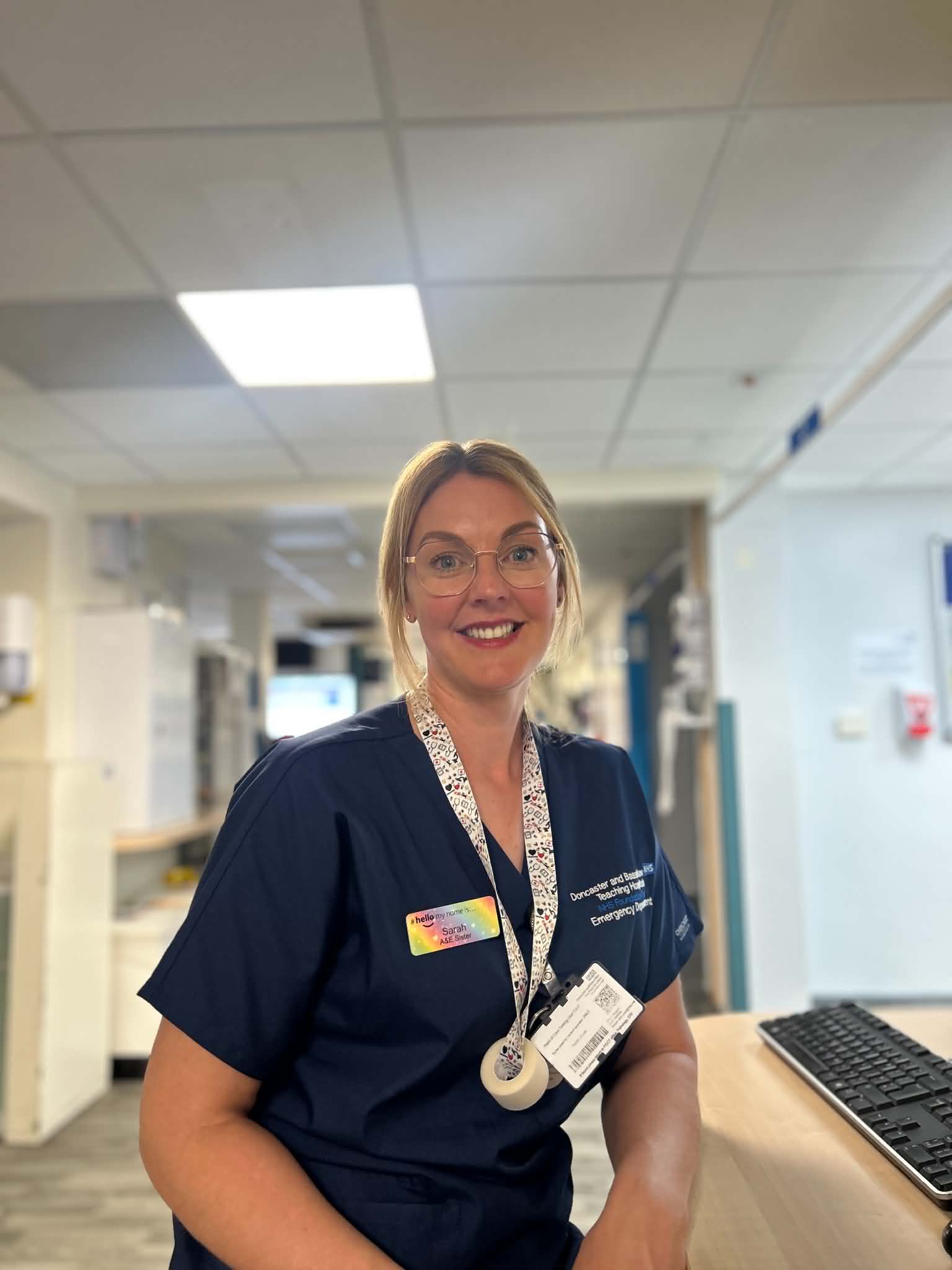
Just a few months later, Sarah’s hard work was recognised when she was promoted to Sister.
“It’s hard work, but I love it,” she said. “We’re always on the go, but I enjoy caring for people and supporting patients through difficult and sensitive moments.
“I honestly couldn’t have gotten to where I am without the support of my managers and colleagues across both AMU and ED. They’ve all encouraged me to follow my dreams and progress in my career.
“I always say I did everything backwards – I had my first child at 18, got married, and had another child before I had my career sorted. But it’s all worked out for the best, and I couldn’t be happier with where I am now.”
Looking ahead, Sarah hopes to become an Advanced Clinical Practitioner, a role which involves assessing, diagnosing, treating and discharging patients.
Karen Jessop, Chief Nurse at DBTH, said: “Sarah’s inspirational journey shows that it is never too late to pursue your ambitions.
“We are incredibly fortunate to have dedicated colleagues like Sarah, who work tirelessly every day to care for some of the most vulnerable members of our communities.”
On International Nurses Day, the Trust is proud to celebrate colleagues like Sarah, whose dedication, compassion and determination make a difference to patients every day.
For those interested in pursuing a career in nursing or healthcare, visit https://www.healthcareers.nhs.uk/we-are-the-nhs/nursing-careers for information on roles, training pathways and opportunities.
Content out of date? Information wrong or not clear enough? Report this page.
Audiology services support people with hearing loss and balance problems, helping them stay connected to family life, work and everyday activities.
Over the past year, the Trust has taken targeted action to address long-standing pressures within the service, including increasing clinic availability, commissioning additional capacity and improving how teams work together.
As a result of this work, waiting times for diagnostics and hearing aid fittings have reduced significantly. Most new patients are now expected to be seen within six weeks, with hearing aid fittings taking place within eight weeks of diagnosis, bringing the service back in line with national standards.
Overall waiting lists have reduced across both adults and children, alongside a significant fall in the number of patients waiting for a first appointment.
Improvements have also been made to repairs and maintenance, with most patients now able to access routine support within days.
However, the Trust recognises there is more to do, particularly for patients waiting for follow-up review appointments, and the aim is to ensure all patients currently waiting are seen within the current financial year.
Dr Nick Mallaband, Chief Medical Officer at DBTH, said: “We know that for some time our Audiology service was not where it needed to be, and patients experienced waits that were longer than they should have been.
“Over the past year, teams have worked hard to tackle those long-standing pressures – increasing capacity, improving how we use our skills and resources, and listening more closely to patient feedback. We are now seeing real improvements, particularly in diagnostics and hearing aid fittings, with more patients being seen much sooner.
“However, we are clear that there is more to do, especially for those waiting for follow-up care. Our focus now is on building on this progress and making sure everyone receives timely, reliable support.
“I would like to thank our patients for their patience, and our local advocates and partners for working with us in such a constructive way. That ongoing support and challenge is helping us get to the standard of care people rightly expect.”
Across the next month, around 1,000 patients will be seen, with around 500 follow-up appointments booked within the next fortnight.
Alongside these improvements, the Trust continues to work closely with partners, patient representatives and the local community to support recovery and shape future services.
This has included recent engagement activity delivered with Healthwatch Doncaster, where more than 160 local people came together to access advice, receive on-the-day support such as hearing aid repairs and battery replacements, and speak directly with clinicians about their care.
The event also provided an opportunity for patients to check their waiting list status and share feedback to help shape ongoing improvements.
Content out of date? Information wrong or not clear enough? Report this page.
Skin cancer is one of the most common forms of cancer in the UK, but early detection can significantly improve outcomes. Moles are small, coloured spots on the skin which are very common and usually harmless. However, it is important to check them regularly, as new moles or changes in size, shape or colour can be an early sign of skin cancer.
The clinic will take place on Thursday 14 May, from 9:00am to 12:30pm, in the Outpatients Department at Doncaster Royal Infirmary, within the Macmillan Hub.
This informal, walk-in session is open to everyone, with no appointment required. Anyone who has noticed a mole or area of skin that does not look quite right is encouraged to attend and chat to the specialist team.
During the clinic, the Dermatology team will provide advice and guidance. If anything that needs further assessment is spotted, attendees will be given information to take to their GP, who can arrange any necessary referrals for further investigation.
Jessica Thew, Dermatology Nurse Specialist at DBTH, said: “We know it can be difficult to tell whether a mole is something to worry about, and many people put off getting things checked. This drop-in clinic offers a quick and easy way for people to speak directly to a specialist and get peace of mind. If there is anything that needs further investigation, we can make sure the right next steps are taken.”
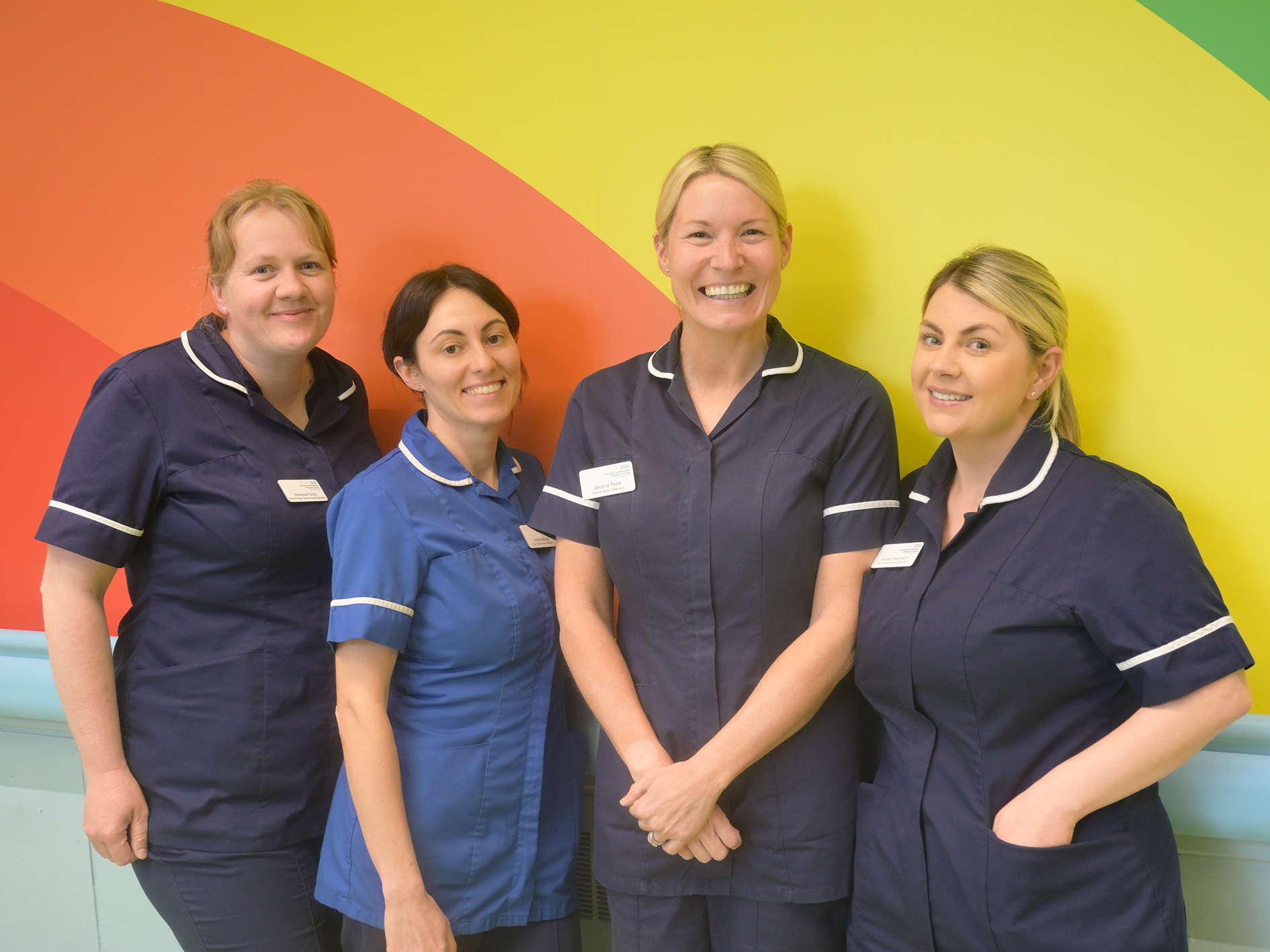
The Trust is encouraging patients, colleagues and members of the public to make use of this opportunity during Skin Cancer Awareness Month and to get into the habit of checking their skin regularly.
For further information about moles and recognising potential warning signs of Skin Cancer, visit the NHS website: https://www.nhs.uk/conditions/moles/
Visitors planning to attend the clinic can also make use of the Park and Ride service, located just off Leger Way. Shuttle buses run between Doncaster Racecourse car park and Doncaster Royal Infirmary every 20 minutes on weekdays, from 5.50am until 10.00pm.
Content out of date? Information wrong or not clear enough? Report this page.
Held at Doncaster Dome, the Community Appointment Day brought together NHS teams, local authority services and community organisations to provide joined-up, personalised care in a single location. The initiative is designed to move away from traditional clinic-based appointments, instead offering patients the opportunity to access a range of support tailored to their individual needs, all in one visit.
The event focused on a “what matters to you” approach, enabling clinicians to better understand patients’ wider health, lifestyle and wellbeing needs, while also helping to reduce barriers to accessing care and tackling health inequalities.
Pete Clements attended the event after experiencing worsening chronic back pain linked to a workplace injury sustained several years ago, which had begun to significantly impact his daily life.
Pete said: “I attended the event after ongoing chronic back pain from an injury at work some years ago, which was getting worse. It was impacting my ability to walk any distance without pain, I’ve had to give up driving for now due to the pain when sitting, and it’s affected my sleep and even basic things like bathing.”
Pete was invited to attend within four weeks of his initial referral and was quickly assessed on the day by the musculoskeletal team, who provided immediate advice and guidance.
“On the day I was assessed quickly and given advice on some simple stretches and exercises to perform until my appointment with my community physio,” he explained.
Following the event, Pete was referred for hands-on physiotherapy locally, with his first appointment taking place just three weeks later. He is now continuing daily exercises and has further follow-up appointments scheduled.
“At the event I was referred to a physio for hands-on treatment, which I attended three weeks later. I’m still carrying out daily exercises to strengthen my back and have two more follow-up appointments over the next few weeks.”
Despite initial uncertainty about whether the event would meet his needs, Pete described the experience as highly positive. He said: “I was a bit dubious at first that this event would be for me, as I’m normally very fit and well and felt I just needed to see a physio hands-on. But, in the end, I’m glad I attended, as I was referred very quickly afterwards.”

Pete also praised the organisation of the day, highlighting both efficiency and the supportive environment. “Although the event was very busy, I was seen quickly and felt I could talk openly about my condition without other people listening,” he added. “I was probably there no more than 40 minutes in total and came away with a positive outcome.”
As part of the Community Appointment Day model, patients can speak to a range of professionals – including physiotherapists and wider support services – in one setting, helping to ensure more holistic care and faster onward referrals where needed.
Pete noted that the additional services available there on the day would be ideal for people with comorbidities. He said: “All in all, it was a great event that would definitely be a good experience for people with more complex problems.”
DBTH is now exploring opportunities to expand its commitment to improving access, reducing waiting times, and delivering high-quality, patient-centred care closer to home.
Content out of date? Information wrong or not clear enough? Report this page.
Now based at Doncaster Royal Infirmary (DRI), Alex said midwifery was always her only career choice: “When I was five, my mum had my little brother, and I remember listening to his heartbeat. I think that was one of the first moments where I thought, ‘I want to look after babies’.”
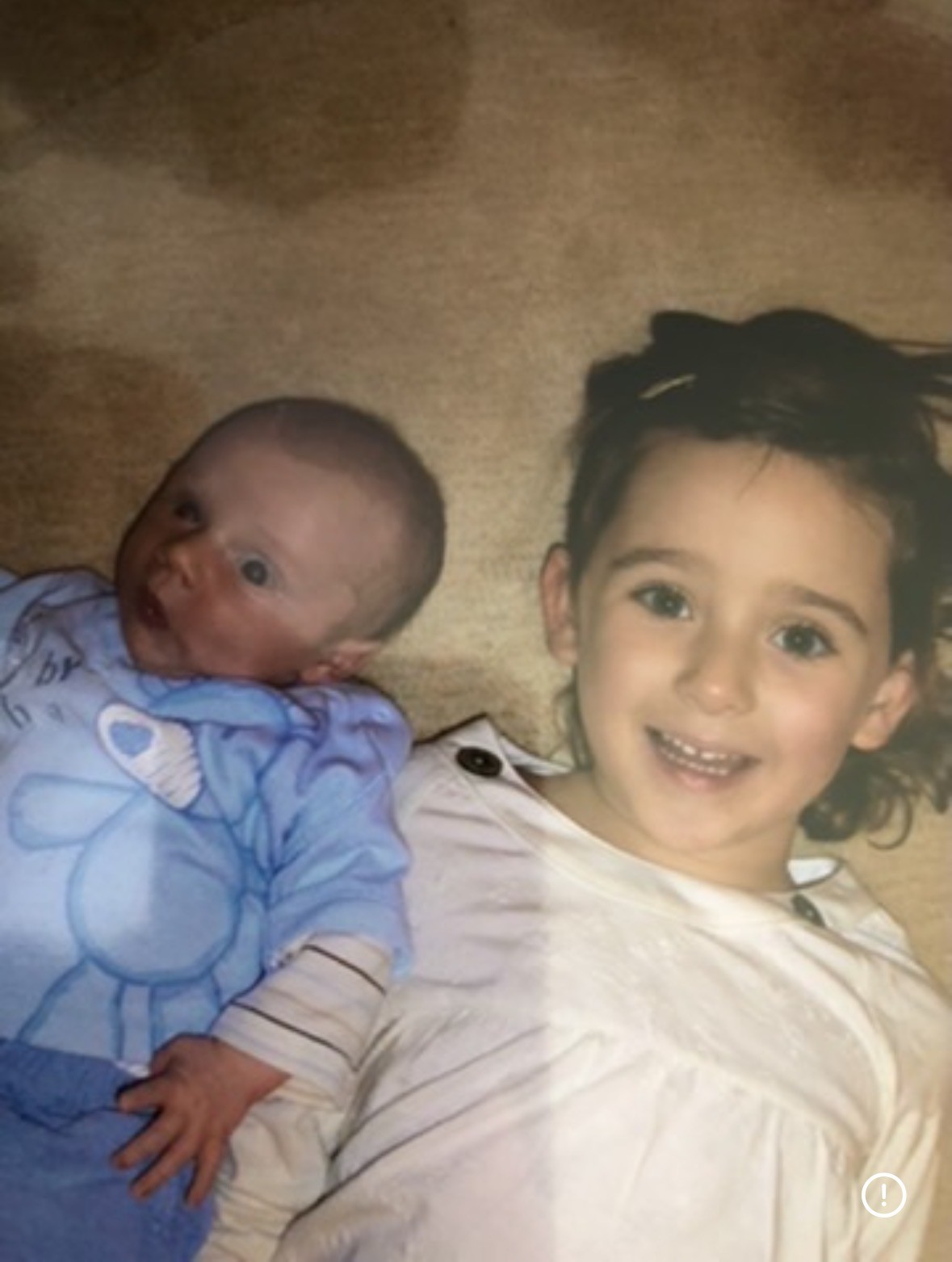
From that moment, Alex set her sights firmly on becoming a midwife. 13 years later, she achieved an A* in her Level 3 Extended Diploma in Health and Social Care before applying to study Midwifery at the University of Hull in 2021.
Initially unsuccessful due to the competitive nature of the course, Alex was later offered a place just three weeks before it began. She said: “I was only accepted onto the course three weeks before it started after someone dropped out.
“I completed all my placements at Scunthorpe Hospital and finished the course in September 2024 – I was working at DBTH by the end of October.”
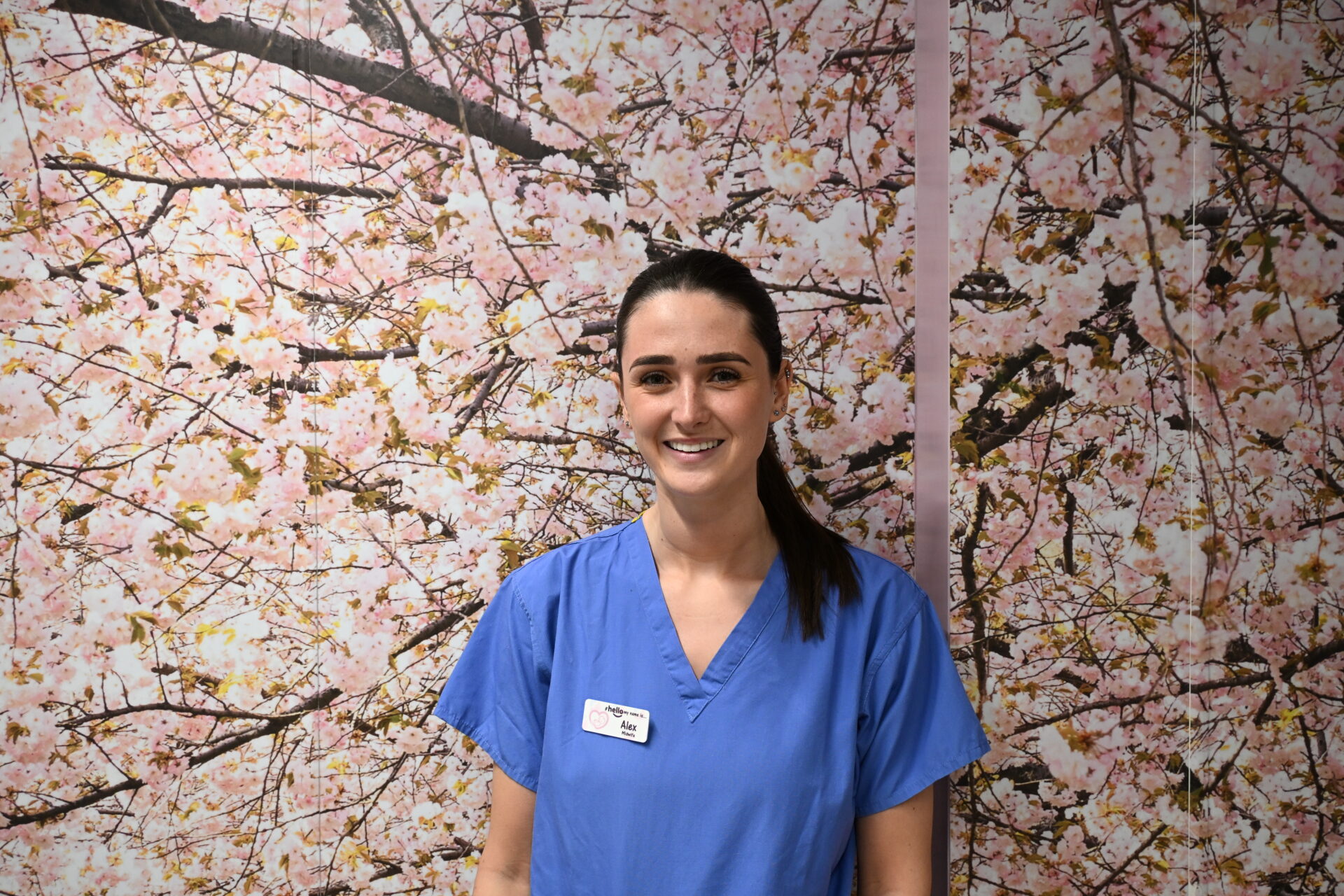
Since joining the Trust, Alex has already supported the delivery of 105 babies. However, she is keen to highlight that midwifery is about more than births alone: “The babies are an important part of my role, but maternity care is really about the mothers, which people might overlook.
“I feel so fortunate that I get to look after women throughout their pregnancy and postpartum. It’s not what I expected midwifery to be, but I absolutely adore my job. I even got to deliver one of my best friend’s babies last November and look after my auntie after she gave birth. It really is such a rewarding role and an honour.”
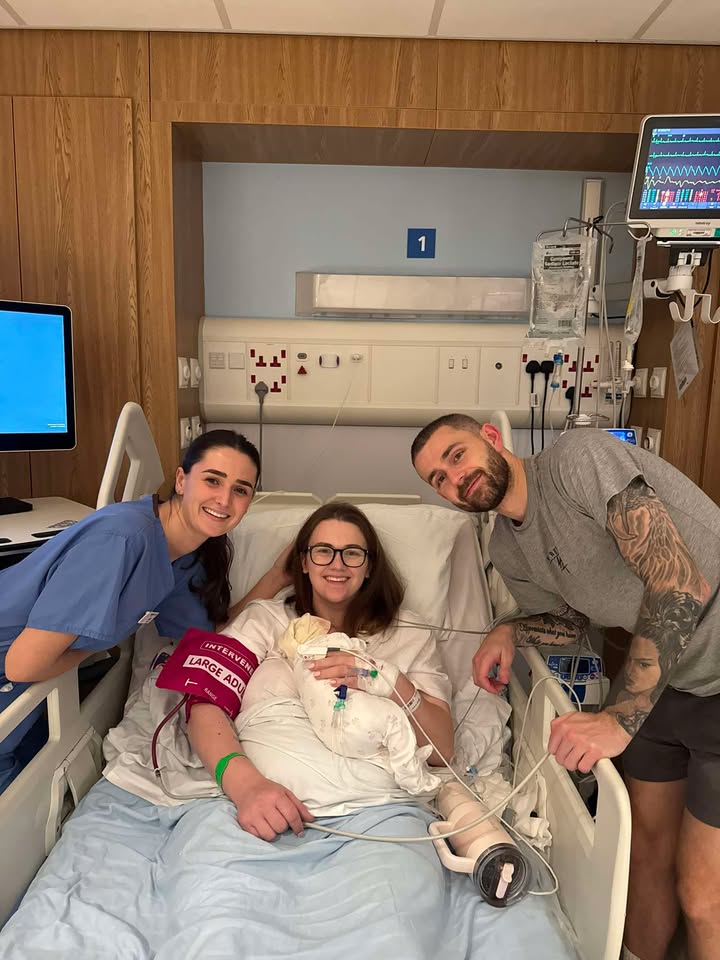
Reflecting on her time at DBTH, Alex praised the support she has received from colleagues: “Everyone has been so welcoming and easy to speak to. I honestly don’t feel scared to ask questions because I get along with everyone.
“The Practice Development Midwives were like my second mums. They supported me through my induction, training, and skill signoffs during my first year.”
Looking to the future, 23-year-old Alex hopes to become a Specialist Midwife for Safeguarding, helping care for some of the most vulnerable mums in the community – a path inspired by her own personal experiences with Social Services.
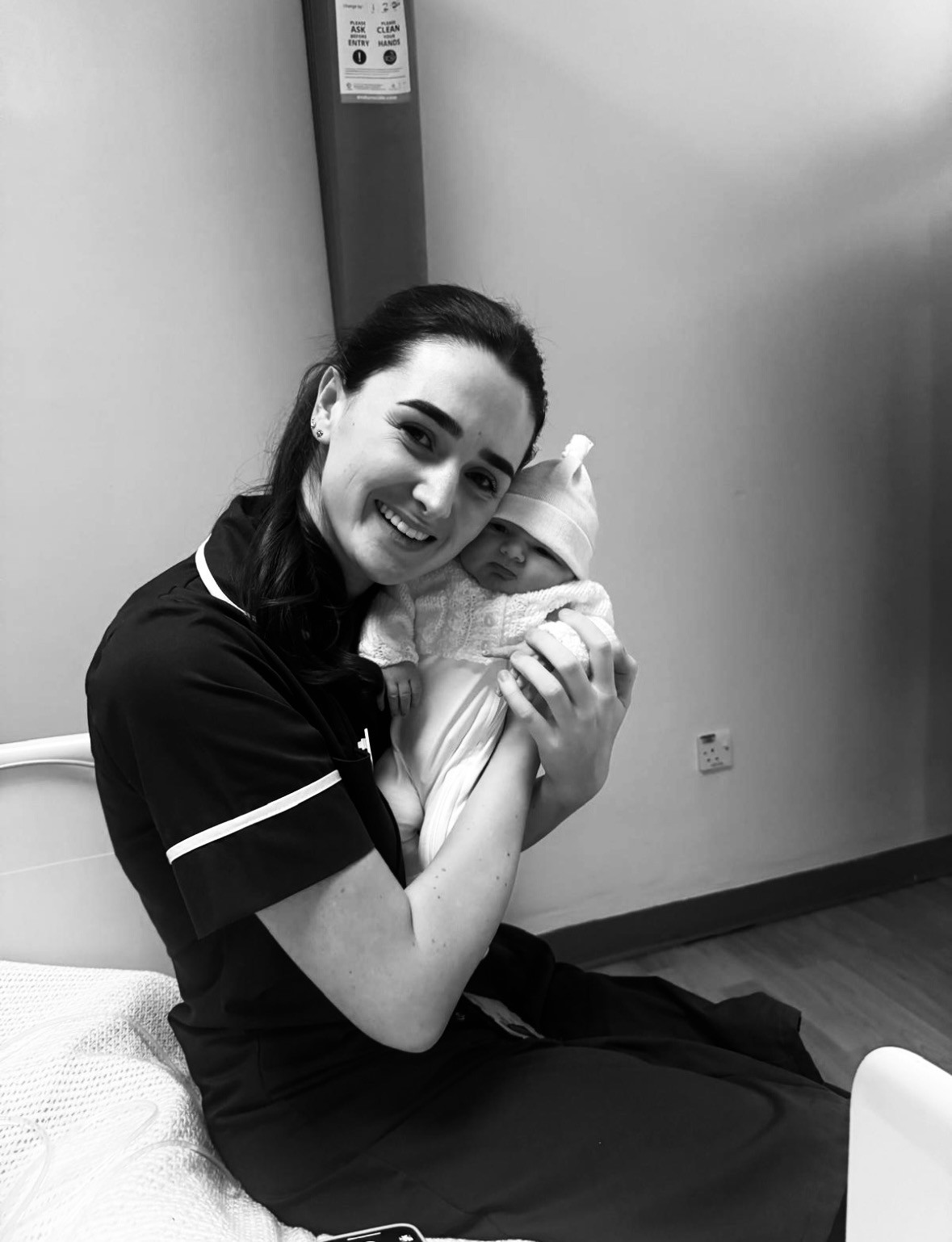
Lois Mellor, Director of Midwifery, said: “Alex has really settled into her role at DBTH, and we couldn’t be prouder to have her as part of our team.
“She has received fantastic feedback from patients in a short space of time, highlighting her compassionate approach and commitment to the women and families we care for.
“We look forward to seeing all she goes on to achieve in the future.”
On International Day of the Midwife, the Trust is proud to celebrate colleagues like Alex, whose compassion and commitment make a difference to families every day.
Content out of date? Information wrong or not clear enough? Report this page.
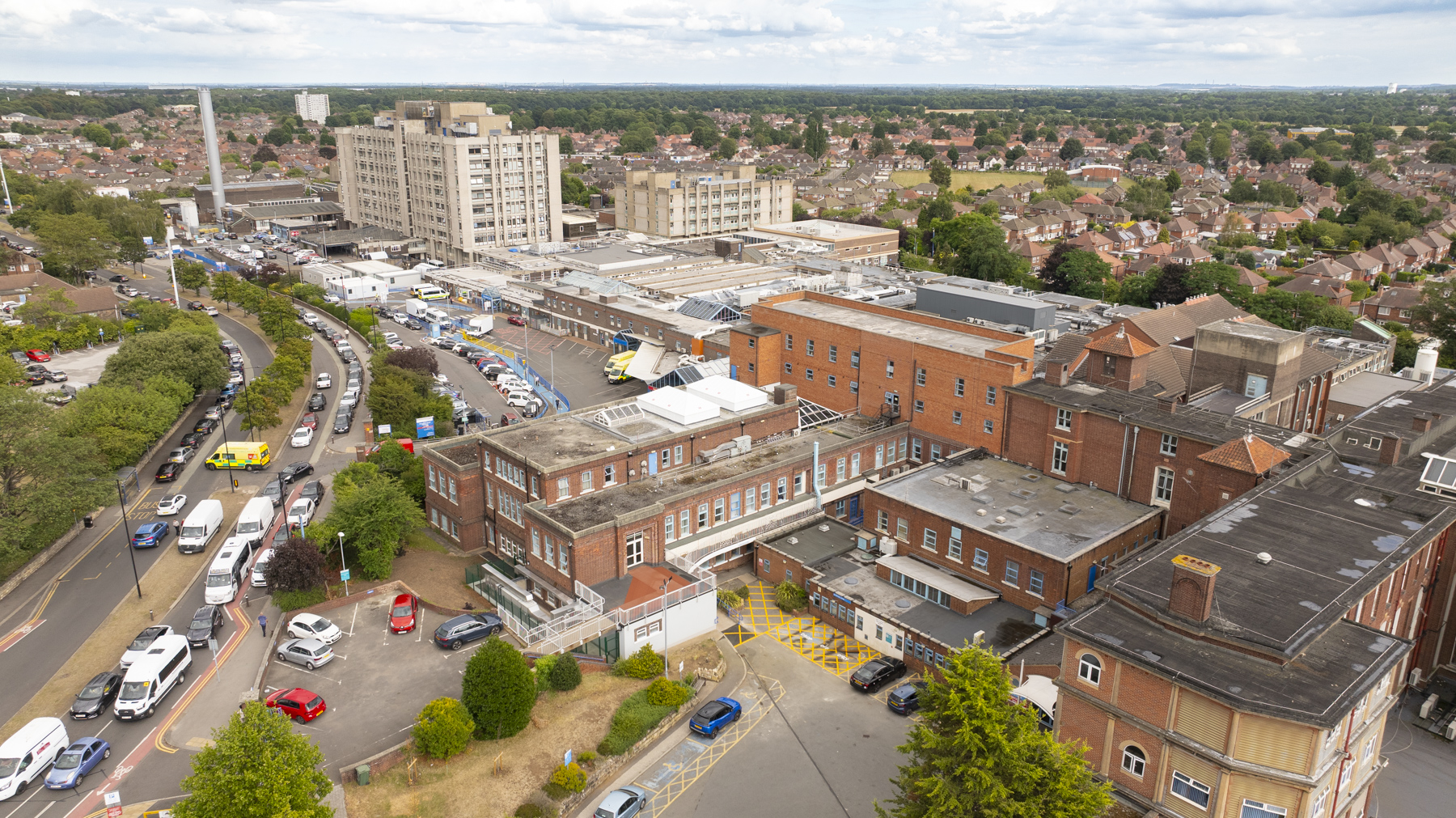
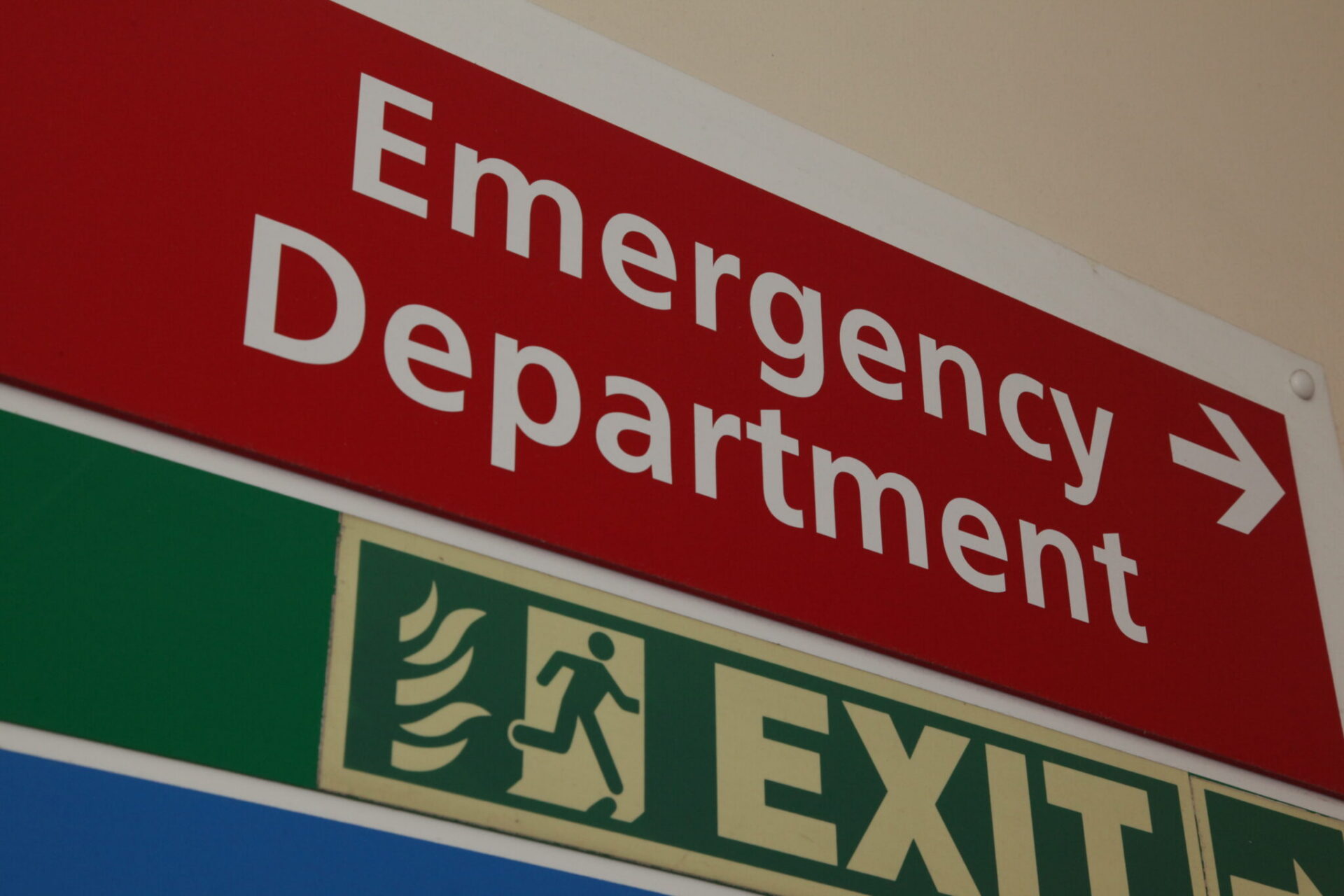
The visits resulted in the CQC issuing a Section 29A Warning Notice, requiring the Trust to make specific improvements within a set timeframe.
The Trust has accepted the findings and, following feedback from inspectors, teams have worked through the required actions and implemented improvements.
These included strengthening how patients are assessed on arrival, enhancing senior clinical oversight of those waiting to be seen, improving infection prevention and control, and increasing senior support and visibility in the department.
A spokesperson at Doncaster and Bassetlaw Teaching Hospitals said: “We know this will be concerning for our communities, and we take this seriously.
“Our focus is on ensuring care is delivered to a consistently high standard, so that every patient coming to our hospitals is assessed promptly, monitored appropriately, and any concerns are identified and escalated without delay.
“We recognise the work our colleagues carry out in a demanding environment. We also know there is more to be done to improve, and we are committed to ensuring teams have the right support in place to deliver the standard of care they want to provide.
“We know we can do better, and we will.”
While these improvements are now in place, the Trust’s focus is on ensuring they become part of day-to-day practice, particularly as demand continues to grow, with more than 200,000 emergency attendances each year across its main sites in Doncaster, Mexborough and Worksop, and a further 10,000 expected in the year ahead.
The notice will remain in place until the Care Quality Commission is assured that all required improvements have been fully embedded.
If local people have any questions, concerns or wish to raise positive experiences with our services, please contact our Patient Advice and Liaison Service (PALS) on (01302) 642764 or dbth.pals.dbh@nhs.net
Content out of date? Information wrong or not clear enough? Report this page.