
This year, the Bank Holiday takes place on Monday 4 May, during which time NHS services often see a rise in demand.
The Trust, which runs Doncaster Royal Infirmary, Bassetlaw Hospital and Montagu Hospital, is encouraging everyone to plan ahead and consider the most appropriate place for their care if they become unwell.
Dr Nick Mallaband, Acting Executive Medical Director at DBTH, said: “Bank Holidays can be especially busy for the NHS. If you take time now to check you’ve got enough of your regular medications, know which local services are open, and understand where to go if you need help, you’ll be doing your bit to help keep emergency care free for those with urgent and life-threatening issues.
“Planning ahead also gives you the best chance of enjoying a safe, comfortable and relaxing Bank Holiday weekend.”
The Trust is encouraging people to make sure they have enough repeat medication to last through the long weekend and to use local pharmacies for expert advice on minor illnesses such as coughs, colds, sore throats or rashes.
If urgent medical advice is needed but it’s not an emergency, NHS 111 can be accessed online or by phone for help and guidance.
Emergency care will continue to operate 24/7 and should be reserved for serious or life-threatening issues.
Information on local pharmacy opening times can be found at: https://www.nhs.uk/service-search/pharmacy
Content out of date? Information wrong or not clear enough? Report this page.
In support of the awareness week, which takes place from 4 to 10 May, the service will be hosting a series of Dying Matters Cafés across hospital sites, offering safe and welcoming spaces for people to talk, ask questions and access support.
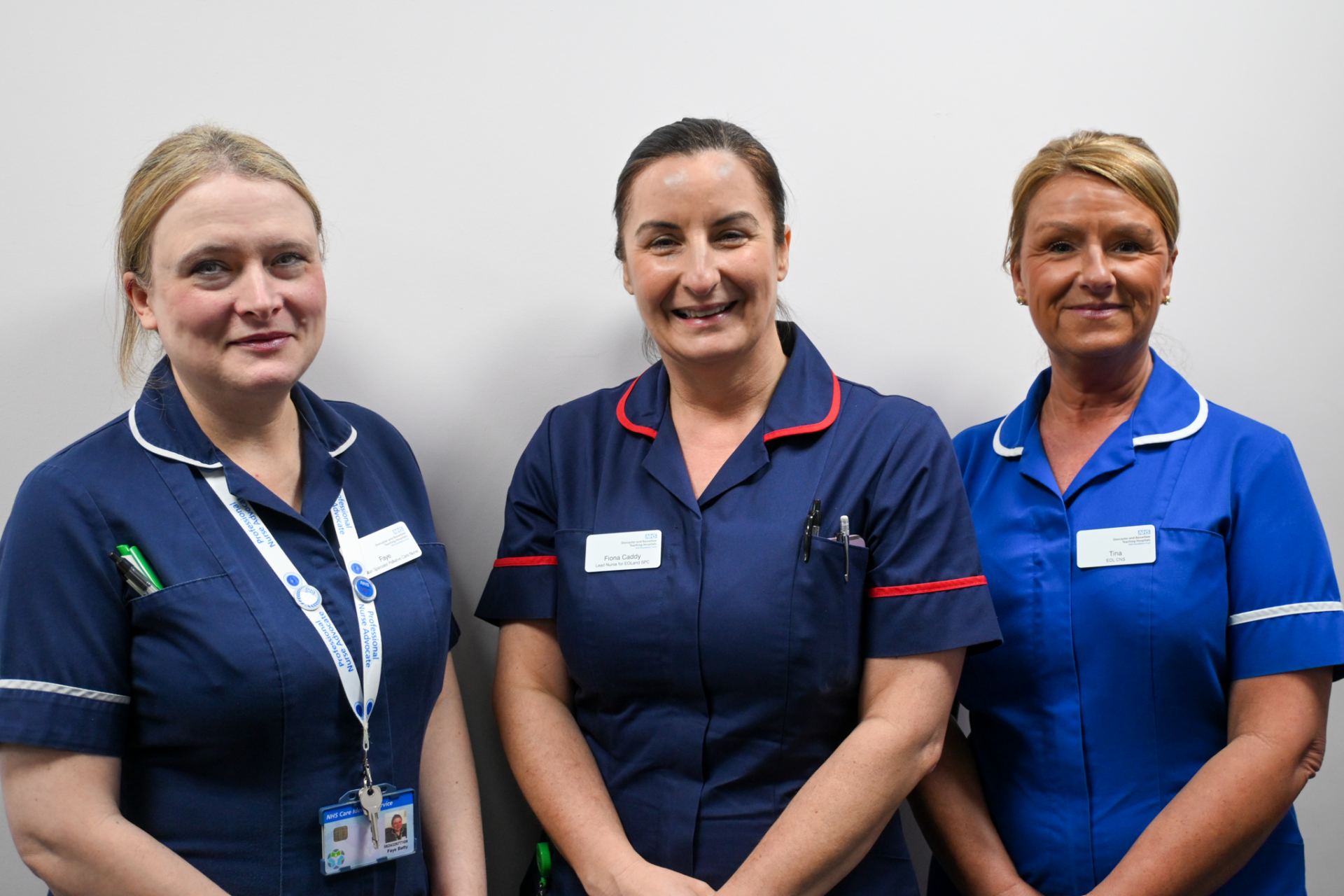
The events will be led by colleagues from the End-of-Life Care, Specialist Palliative Care, Chaplaincy and Bereavement Care teams, who will be available to offer guidance and start conversations around topics including advance care planning, understanding ReSPECT forms, spiritual care and wellbeing, and where to find bereavement support locally.
Fiona Caddy, Lead Nurse for Specialist Palliative and End of Life Care Services at the Trust, said: “The subjects of death and dying can still feel taboo for many people, which is completely understandable – they are some of the most difficult parts of life to come to terms with.
“However, they are also an inevitable part of life. Through our Dying Matters Cafés, we want to help break down that stigma by offering a safe, welcoming space where people can come along, have a chat over a cup of tea, and talk openly without judgement or pressure.
“Whether you have lost a loved one or are preparing for the future, we are here to listen.”
The team will be available to chat between 10am and 2pm on the following dates:
- Tuesday 5 May 2026 – Bassetlaw Hospital canteen
- Wednesday 6 May 2026 – Montagu Hospital canteen
- Thursday 7 May 2026 – Doncaster Royal Infirmary canteen
Death, dying and bereavement affect everyone, yet many people still find these conversations difficult. By creating welcoming spaces where people feel comfortable to talk, ask questions and share experiences, the Trust hopes to help break down stigma and support individuals, families and communities during some of life’s most challenging moments.
Content out of date? Information wrong or not clear enough? Report this page.
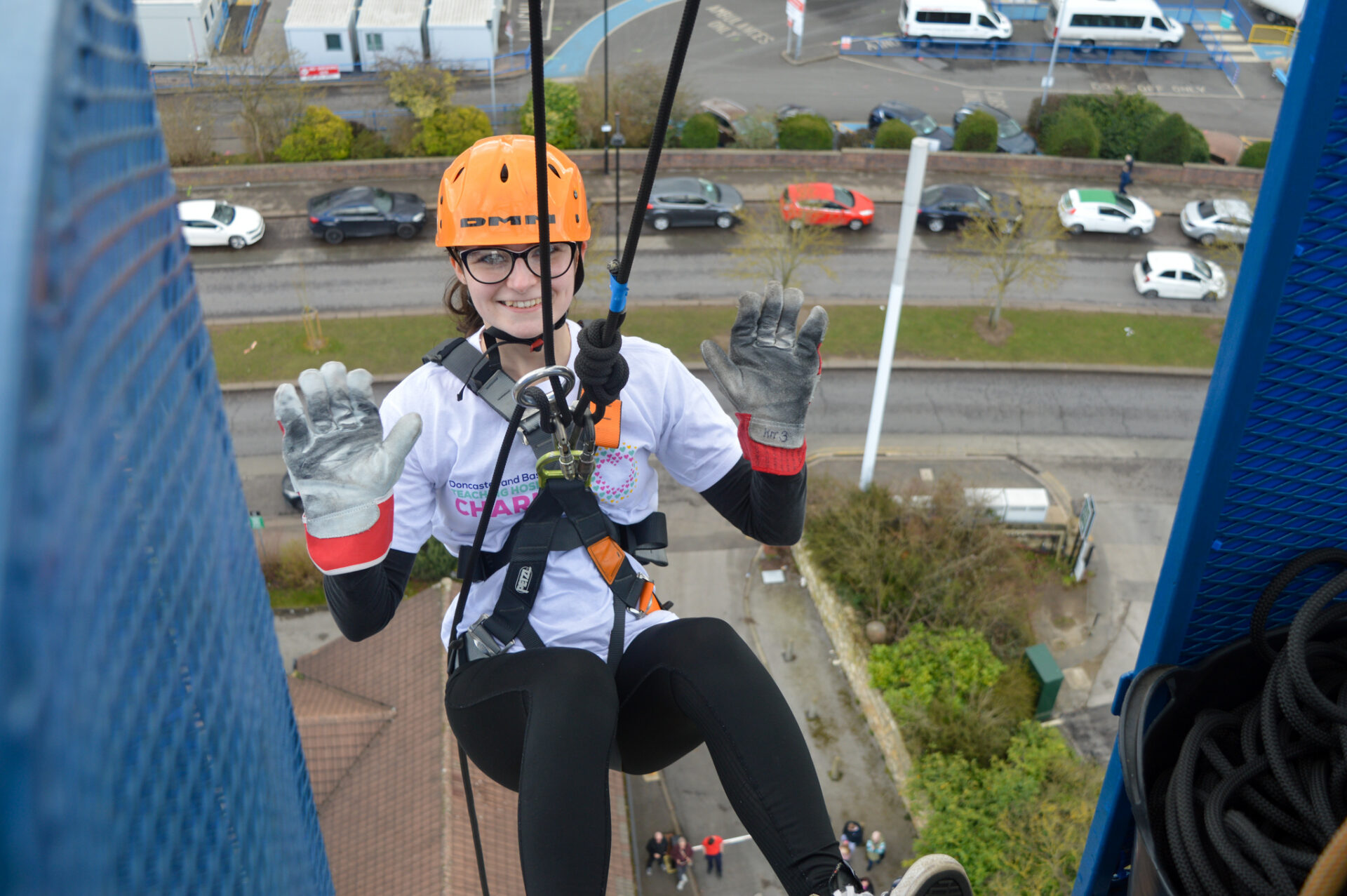
Taking place on Saturday 25 April 2026, the adrenaline-fuelled challenge will see participants safely descend the side of the Women and Children’s Hospital at Doncaster Royal Infirmary – giving thrill seekers the chance to take on a unique challenge while raising money for their local NHS.
Following the success of last year’s event, which raised just shy of £12,000, the charity is bringing the abseil back for a second year. While spaces are filling up fast, there is still time to get involved – but organisers are encouraging anyone interested to act quickly to avoid missing out.
Adrian Petts, Head of DBTH Charity, said: “We’re thrilled to be hosting our abseil for the second year running. It’s an exciting challenge that pushes people outside their comfort zones, while raising crucial funds to support patients and colleagues across our hospitals.”
With just days to go, the charity is encouraging anyone thinking about taking part to sign up now while places are still available.
Participants will abseil down the side of the hospital building, with fancy dress encouraged (but not required) – giving many the perfect excuse to finally live out their own superhero moment.
With a £35 registration fee and a minimum sponsorship target of £200, every participant will help fund projects that make a real difference for patients, families and colleagues across Bassetlaw Hospital, Doncaster Royal Infirmary and Montagu Hospital in Mexborough.
The money raised helps pay for equipment, improvements to hospital environments, and those extra touches that make stays in hospital more comfortable when people need care the most.
Last year, Andrea Butcher successfully completed the abseil, raising over £1,000 for the Chatsfield Suite at Doncaster Royal Infirmary following her own cancer journey at the Trust.
Andrea said: “When we saw the event advertised, I knew I had to get involved. It felt incredibly meaningful to take on this challenge from the hospital that played such a huge role in my recovery.
“The charity abseil was more than just a fundraiser – it’s a tribute to survival and a powerful reminder of the impact of the NHS and the strength of those it serves.”
Registration includes the full abseil experience, delivered with thanks to Big Bang Promotions, as well as a charity t-shirt.
All funds raised will support vital projects across DBTH which operates Bassetlaw Hospital, Doncaster Royal Infirmary and Montagu Hospital. Previous charitable funding has helped provide VIP bags for adult patients with learning disabilities during hospital visits and contributed towards ‘Robi’, the surgical robot helping to transform surgery locally.
With only a handful of places left and the countdown now on, supporters are encouraged to secure their spot before it’s too late.
Don’t miss out – sign up today: https://fundraise.dbthcharity.co.uk/event/big-dri-abseil
About DBTH Charity:
Doncaster & Bassetlaw Teaching Hospitals’ Charity is the official charity which supports Doncaster and Bassetlaw Teaching Hospitals Trust to go above and beyond by providing additional equipment, services and amenities for our patients, visitors and staff which cannot be funded by the NHS alone.
These additional extras would not be possible without the support of our community. With your help, we can continue to work with our Trust to fund innovative and exciting projects that make a difference to our patients, their families and our colleagues who care for them.
Visit the charity website to find out more: https://dbthcharity.co.uk/
Content out of date? Information wrong or not clear enough? Report this page.
Now in its third year, the initiative sees volunteers give their time to help maintain outdoor spaces across the hospital site, supporting both the local environment and the experience of those accessing care.
The event brought together colleagues from a range of teams, including Estates and Facilities and Sustainability, alongside partners from the Darwin Group, who are currently supplying decant facilities to support capital projects.
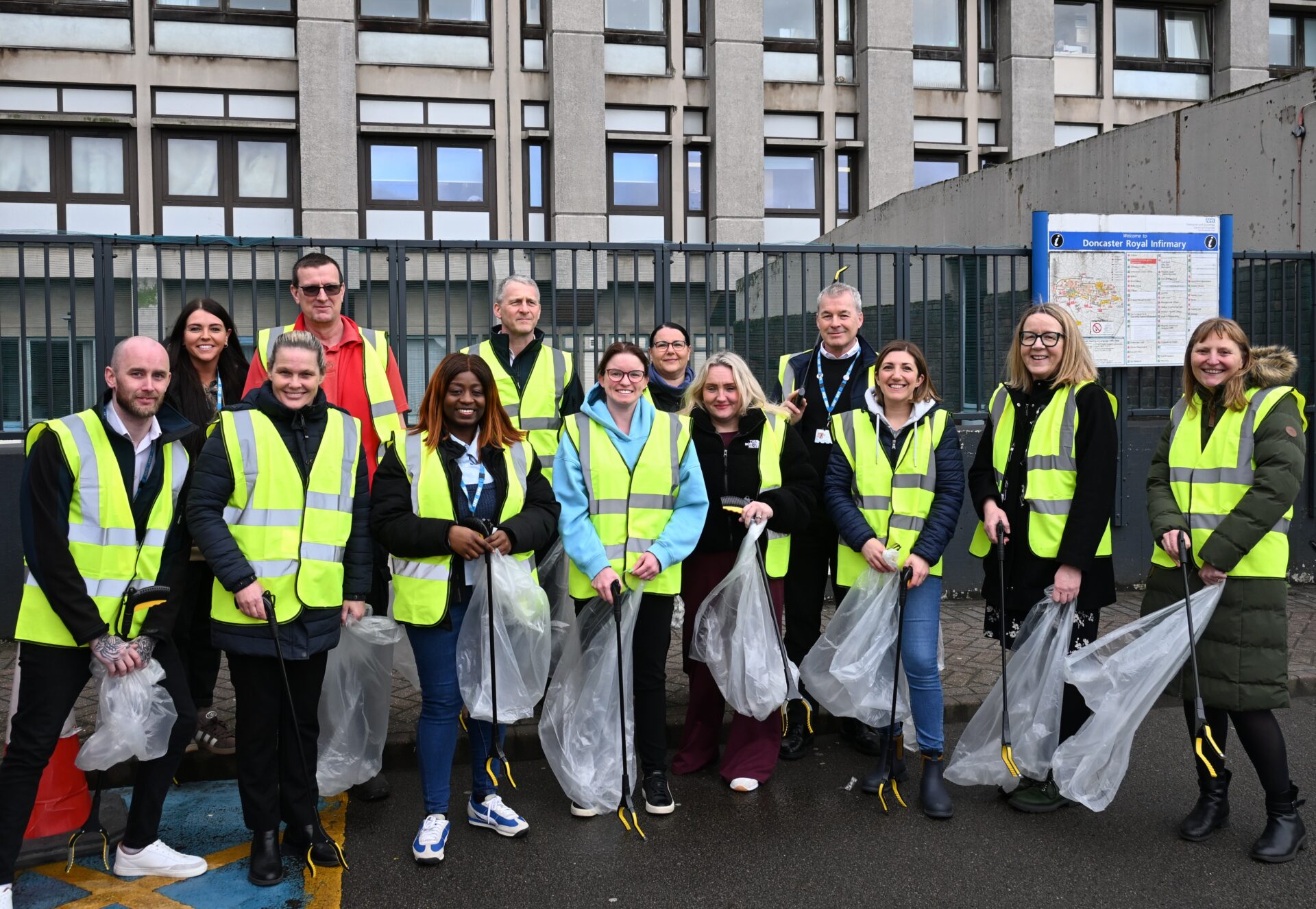
Taking place as part of the Great British Spring Clean, the initiative contributes to a nationwide effort encouraging individuals and organisations to take pride in their local areas by collecting litter and improving shared spaces.
Volunteers were supported on the day by the Rapid Relief Team, who provided refreshments.
Adeola Bayode, Waste Manager at DBTH, said: “We’re really proud to support initiatives like this. It’s encouraging to see colleagues working together to improve our environment and reduce litter. These events show how we can all play a part in making our communities cleaner and more welcoming.”
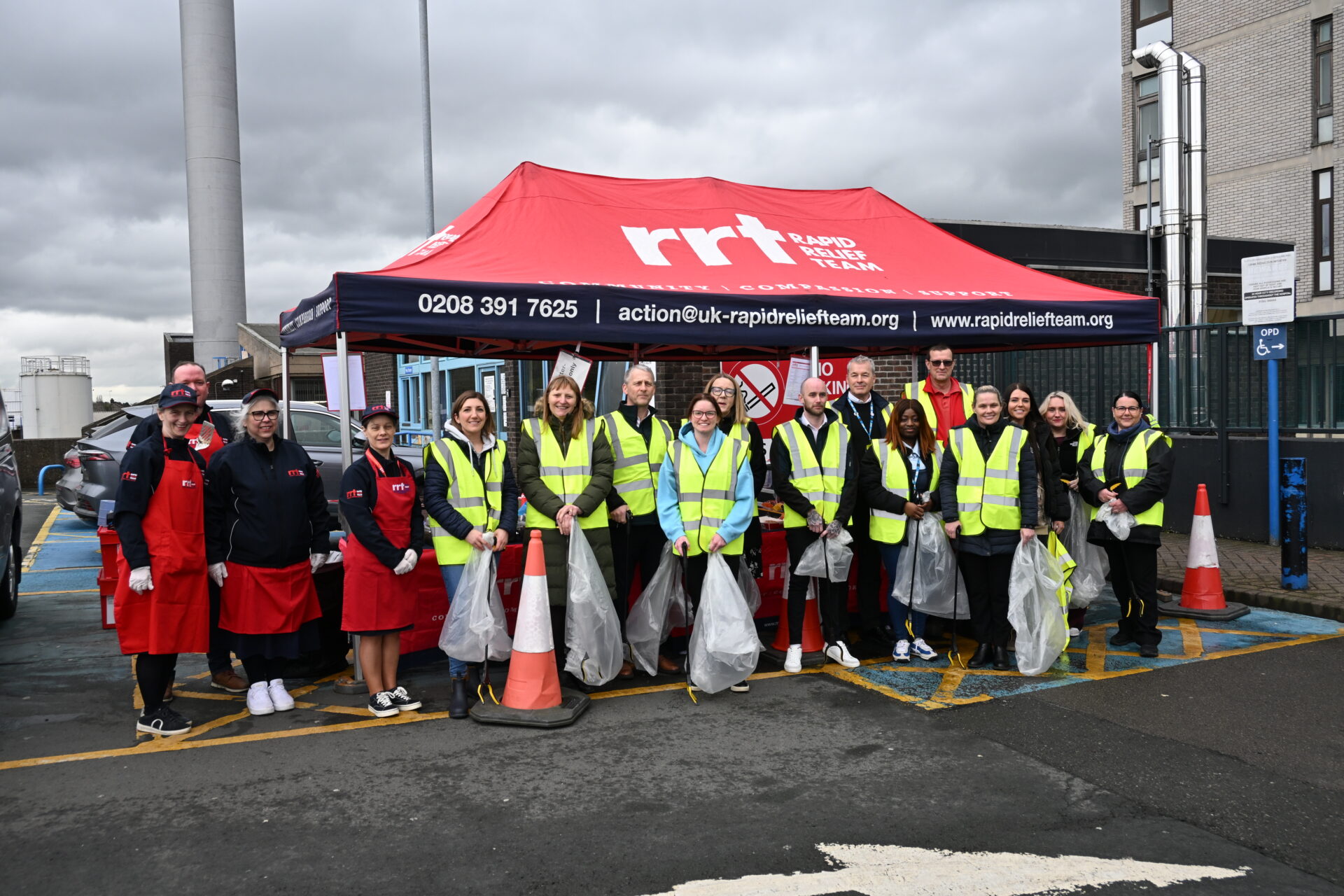
Mathew Gleadall, Operational Director of Estates and Facilities and Sustainability Lead at DBTH, said: “I’m incredibly proud of colleagues who have taken the time to help improve the environment around our hospital site. Creating clean, welcoming surroundings is an important part of the care we provide, and plays a vital role in improving the experience for our patients, visitors and staff. It also recognises the important role our hospitals play within the local community, and the positive impact we can have beyond our buildings.”
DBTH is committed to creating welcoming, well-maintained environments for patients, visitors and colleagues. Alongside initiatives such as community litter picks, the Trust continues to invest in its estate and grounds, including the upkeep of green spaces – some of which have achieved Green Flag Award status in recognition of their high standards. These efforts form part of a wider programme to enhance the buildings and environments in which care is delivered.

There will be further opportunities later in the year for colleagues to play a part in improving the environment, with activities planned around World Environment Day on 5 June, supporting a cleaner, more welcoming experience for patients, visitors and colleagues.
Find out more about the Trust’s commitment to improving the environment through its Green Plan, and how we are investing in the buildings where care is delivered, on the DBTH website: https://www.dbth.nhs.uk/about-us/how-we-are-run/trust-strategy/dbth-green-plan-2025-28/
Content out of date? Information wrong or not clear enough? Report this page.
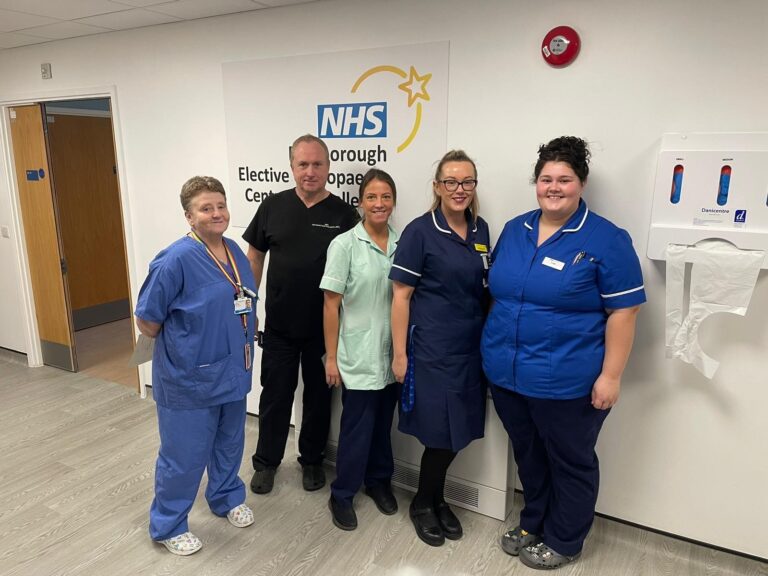
MEOC is a collaboration between Doncaster and Bassetlaw Teaching Hospitals NHS Foundation Trust (DBTH), Barnsley Hospital NHS Foundation Trust and The Rotherham NHS Foundation Trust. Together, the organisations have created a dedicated orthopaedic hub to provide additional capacity and improve access to planned surgery for people across South Yorkshire.
The accreditation scheme is led by NHS England’s Getting It Right First Time (GIRFT) programme, in partnership with the Royal College of Surgeons of England and supported by the Royal College of Anaesthetists. It assesses surgical hubs against a national framework designed to support faster access to common procedures, including hip and knee replacements, while assuring patients of consistently high standards of care.
MEOC is one of just 69 surgical hubs to be accredited so far, out of 126 currently operating across England.
The £14.9 million centre was completed in December 2023 and welcomed its first patients in January 2024. It provides a dedicated environment for planned orthopaedic surgery, including hip and knee replacements, as well as procedures for the hand, wrist, foot, ankle, arm and shoulder.
Patients from all three partner trusts can choose to have their surgery at MEOC or at their local hospital, helping to increase flexibility and reduce waiting times across the region.
Located at Montagu Hospital in Mexborough, the centre benefits from being a ‘cold site’, meaning it does not provide emergency care. This allows surgical beds, theatres and teams to be protected from wider hospital pressures, reducing the risk of short-notice cancellations and improving patient flow.
Surgical hubs like MEOC play a key role in national plans to increase elective care capacity. By separating planned operations from emergency services, they enable more efficient use of theatres and support shorter waits for surgery.
Professor Tim Briggs, GIRFT programme lead and NHS England’s National Director for Clinical Improvement and Elective Recovery, said: “We have been impressed with the professionalism and enthusiasm of the hub teams who are delivering outstanding care.
“All of the sites we accredited are focused on delivering safe and high-quality care, and an excellent patient experience. GIRFT’s focus is on developing surgical hubs with the aim of improving patient flow so that patients have shorter waits for surgery and, for some procedures, will be more likely to be able to go home on the same day.”
Thank you to all colleagues working at MEOC for your continued hard work and dedication in delivering exceptional care for patients across South Yorkshire. Your commitment has been central to the centre’s success and it is fantastic to see this national recognition.
Content out of date? Information wrong or not clear enough? Report this page.
Bus operator First Bus has confirmed that services will be affected on:
-
Friday 17 April
-
Monday 20 April
-
Wednesday 22 April
-
Friday 24 April
On these days, some services will run less frequently and others may not operate.
If you are coming to our hospital by bus, please allow extra time for your journey and check your route before travelling to your appointment – full details, and timetables on affected days, can be viewed here.
Our Park and Ride shuttle
Our Park and Ride shuttle service will continue to run as normal during this period. A full timetable is available here.
Before you travel
To help your journey go smoothly:
- Check the latest updates from your bus provider before setting off.
- Allow extra time to arrive for your appointment.
- Consider alternative travel options where possible.
For the latest service information, please visit the First Bus website.
Content out of date? Information wrong or not clear enough? Report this page.
Today, her daughter Amelia is a happy one-year-old after spending the first nine weeks of her life in the Neonatal Intensive Care Unit (NICU). But Leanne’s journey to motherhood has been shaped by both heartbreak and resilience.
When Leanne found out she was expecting her first baby in 2019, she never could have anticipated what lay ahead. She recalled: “I went to triage in January 2020 to get checked over – I was just 24 weeks and a day at this point. Less than 12 hours later, I was back in hospital giving birth to our little girl, Olivia.”
Neither Leanne nor her partner knew much about premature birth, despite Leanne herself being born at 28 weeks. After being stabilised in the Neonatal Intensive Care Unit (NICU) at Doncaster Royal Infirmary, Olivia, who weighed just one pound and four ounces, was transferred to the Jessop Wing at Sheffield Teaching Hospitals.
Leanne remembers the fear vividly: “So many questions were going through my mind – will she survive being born this early? What health issues could she have? What’s going to happen next?”
Sadly, after three days, Olivia passed away in her parents’ arms – the first day they had been able to hold her.
Five years on, Leanne and her partner turned to IVF after struggling to conceive again and welcomed another baby girl, Amelia, in December 2024. Like her mum and sister, Amelia was also born prematurely at 27 weeks, weighing just two pounds and two ounces.
Leanne said: “We were terrified that we were going to go through the same experience with Amelia as we did with Olivia. The NICU experience is one that no parents should have to go through – the alarms, constant activity, visiting your child every day instead of having them at home – it really does take a toll on your physical and mental health.”
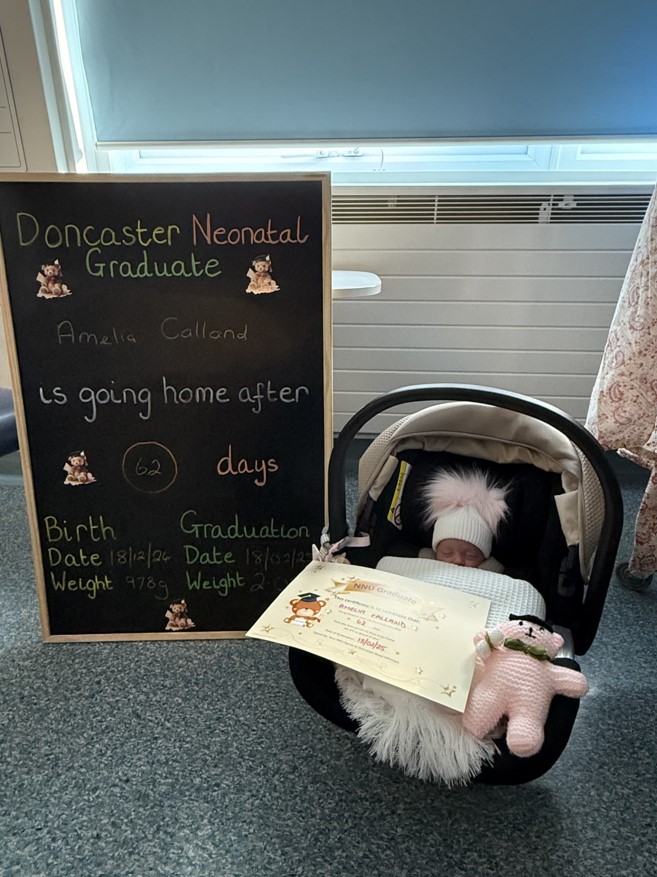
After nine weeks in NICU, Amelia was able to go home with her family. However, for Leanne, the emotional impact remained: “I found it incredibly hard to look back at photos or think about Amelia’s birth or the NICU without getting emotional.
“I felt sadness for our experience and guilt for feeling the sadness, as I thought of other parents who had a much harder journey than us. I tried to hide my feelings from my partner as I didn’t want him to worry about me and resisted the urge to seek help as I didn’t think I deserved it.”
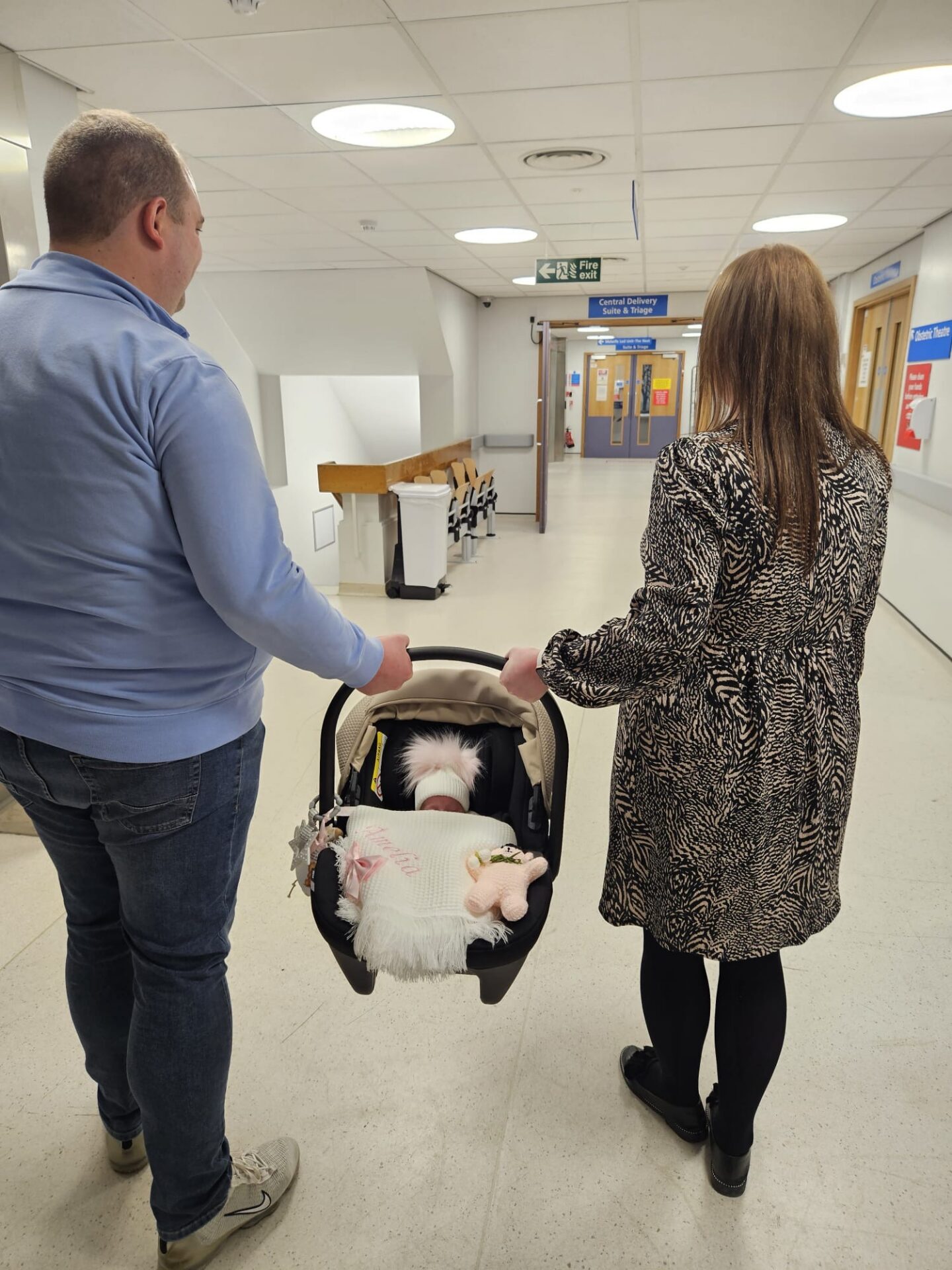
When Leanne finally reached out, she was diagnosed with PTSD and received support from the perinatal team at DRI, who encouraged her to join a Facebook support group.
After sharing her story, Leanne was amazed at how many people had been through a similar situation: “It was a relief to know that my feelings were normal and that my reaction to trauma was valid.”
Now, with Amelia thriving at one year old, Leanne is giving back by volunteering as a perinatal support volunteer for local NICU groups: “I strongly believe there should be greater awareness of prematurity and neonatal care during pregnancy. It would’ve helped me enormously to understand NICU and why babies might end up there. I hope sharing my experience encourages others to be open with their feelings and seek support, particularly dads – please don’t suffer in silence.
“If I have any advice for NICU parents, it’s this: look after yourself, celebrate small moments, and never be afraid to ask questions. Don’t compare your journey to others – every experience is unique. Being Amelia’s mummy is a dream come true, and I’m so grateful to all the medical staff across DRI and STH who helped make this possible for us.”
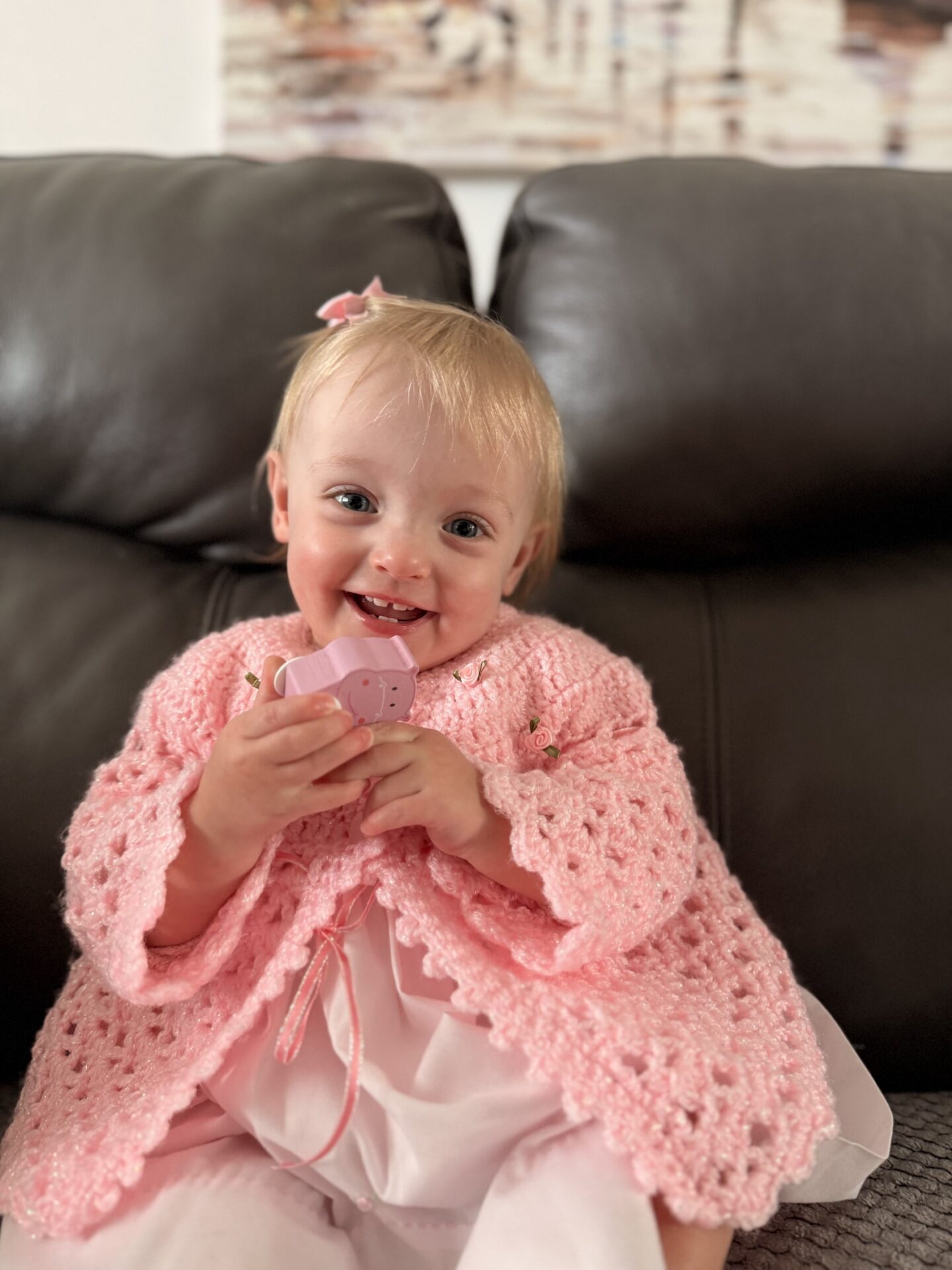
Laura Churm, Divisional Nurse for Children and Neonates at Doncaster and Bassetlaw Teaching Hospitals, said: “Leanne’s courage in sharing her story, and her commitment to supporting other families, is truly inspiring. The neonatal journey can be incredibly overwhelming and having someone who understands that experience can make a profound difference.
“We are so grateful for her compassion and her dedication to helping other parents feel heard, supported and less alone.”
Leanne hopes that sharing her story will encourage other parents to seek support if they are struggling. If you have experienced a difficult pregnancy, birth or neonatal journey, speak to your community midwife, health visitor or GP, who can help connect you with specialist perinatal mental health services and local support.
Content out of date? Information wrong or not clear enough? Report this page.
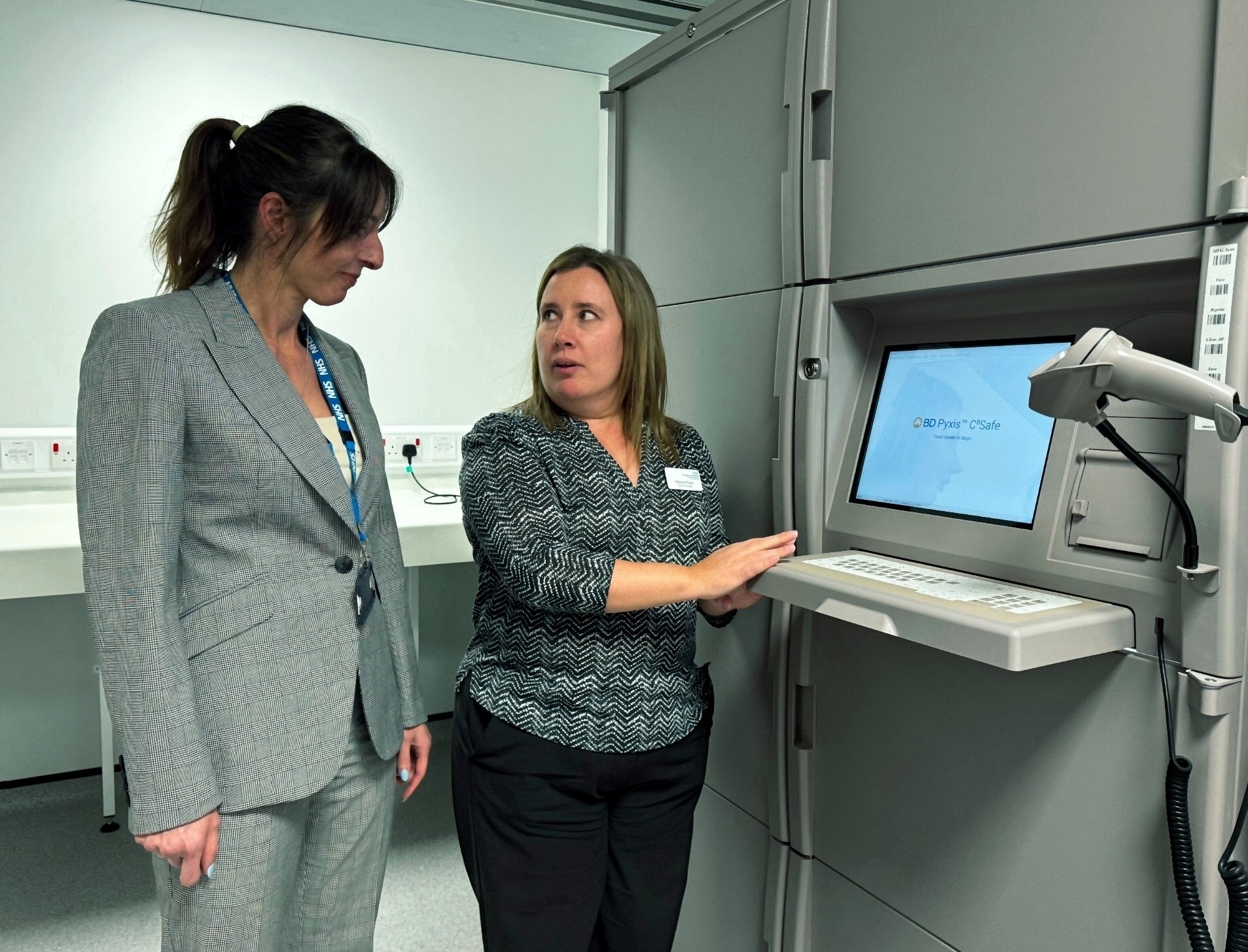
The Trust first introduced automated dispensing in 2012, halving dispensing times. The new system builds on this by increasing storage capacity, adding more dispensing chutes, and improving layout and workflow, helping the pharmacy meet the growing demands of a busy acute hospital.
For patients, this means faster access to medicines, improved accuracy, and safer care. The upgraded system reduces manual handling and supports better stock control, freeing up colleague time for direct patient care.

The refurbishment has also created a more efficient working environment without expanding the department’s footprint. A redesigned layout and additional dispensing points improve workflow, while enhanced security systems, including fingerprint-controlled storage, strengthen the management of controlled drugs.
Rachel Wilson, Chief Pharmacist at DBTH, said: “The new system helps us deliver medicines more quickly and safely, meaning patients get what they need sooner while our teams can spend more time supporting patient care.”
An inpatient pharmacy supplies medicines for patients staying in hospital, including those on wards, in theatres and in critical care, ensuring treatment is delivered safely and without delay throughout a patient’s stay.

Zara Jones, Acting Chief Executive at DBTH, said: “Investing in modern technology like this allows us to provide safer, faster services for our patients while supporting our colleagues to deliver the best possible care – a huge thank you to all involved.”
Alongside this, the Trust operates a separate outpatient and visitor pharmacy for patients attending clinics or collecting prescriptions after treatment. This service is located close to the Emergency Department at Doncaster Royal Infirmary, making it easy for patients and visitors to access medicines without needing to travel elsewhere.
Together, these improvements support faster, safer access to medicines for patients across DBTH, helping improve care and recovery. To find out more about improvements to hospital spaces and the locations of services, visit www.dbth.nhs.uk
Content out of date? Information wrong or not clear enough? Report this page.
- Grade: Band 4 (£28,392 – £31,157)
- Contract: Permanent
- Hours: Full time – 37.5 hours per week
- Site: Doncaster Royal Infirmary
Apply here: https://www.dbth.nhs.uk/jointheteam/#!/job/v7880572
Duties will include management and co-ordination of the Clinical Rotas for Trauma & Orthopaedics department, staff rostering, annual leave and sickness management and monitoring, ensuring application and adherence to Trust HR and Service policies and procedures.
Duties will also include line management of an administrative team within Podiatric Surgery and providing Team Leader cover for Podiatric Surgery. Cross cover will also be required for Team Leader colleagues, managing clinics, waiting list and outsource.
Main duties of the job
Implement effective monitoring and managing systems for annual leave and sickness in line with Trust Policy, liaising with the Service Manager where service implications are identified
In conjunction with the Service and Business Managers, maintain staffing levels within budget, identifying potential problems so that timely corrective action may be taken.
Day to day operational management responsibility of medical staffing rotas. Identifying and reporting vacancies in rotas, alerting clinical and non-clinical managers including Clinical Rota Masters in order to assist with timely recruitment of permanent and/or temporary medical staff.
Content out of date? Information wrong or not clear enough? Report this page.
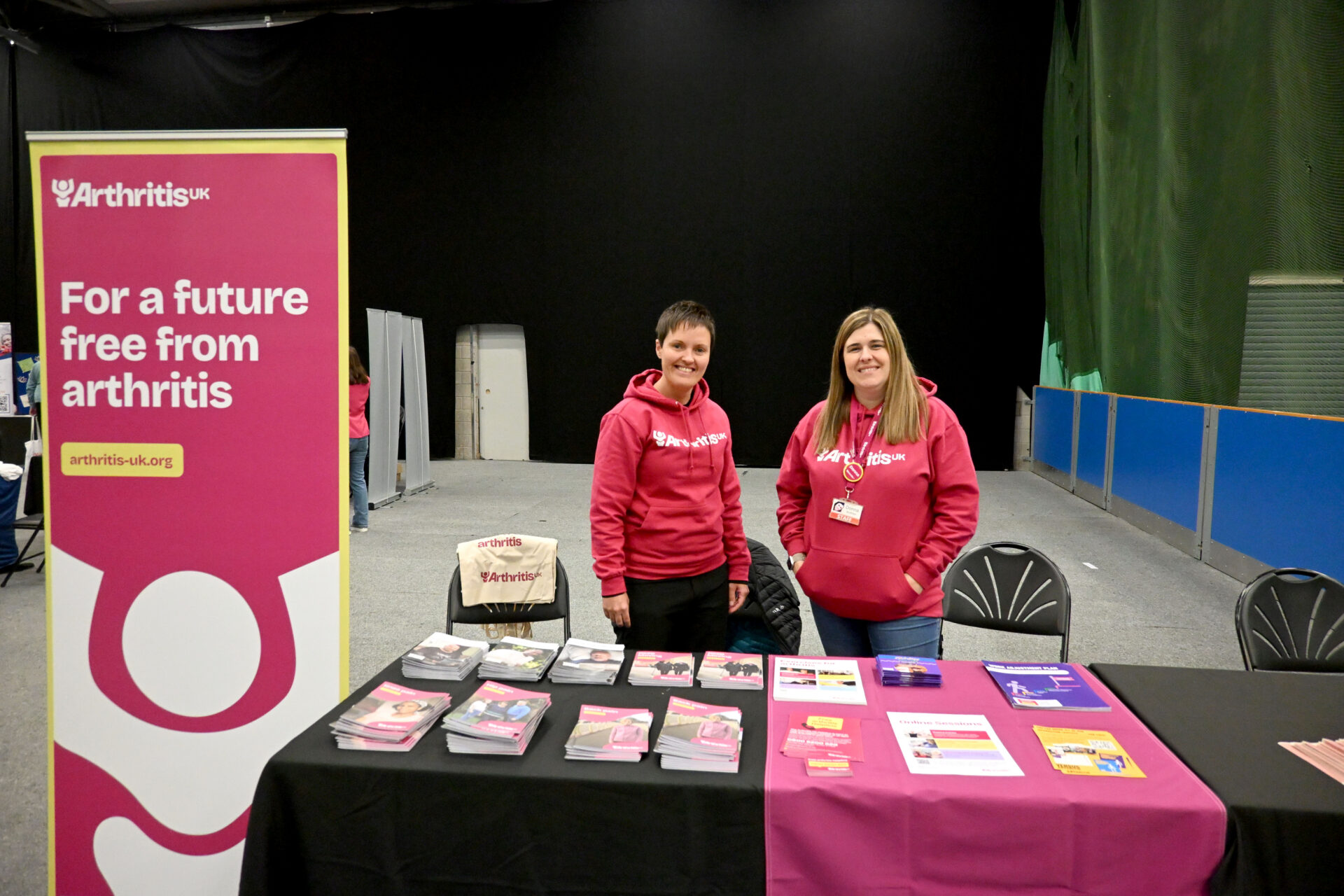
The event brought together NHS teams, council services and local community groups, giving people the chance to get advice, support and health checks all in one place, on the same day.
Instead of focusing on just one issue, the day was built around “what matters to you”, helping clinicians understand people’s wider needs and offer support that fits their health, lifestyle and day-to-day life.
By bringing services together and focusing on those who may face barriers to care, the approach also aims to reduce health inequalities – the differences in health outcomes people experience depending on factors such as where they live, their income or access to support.
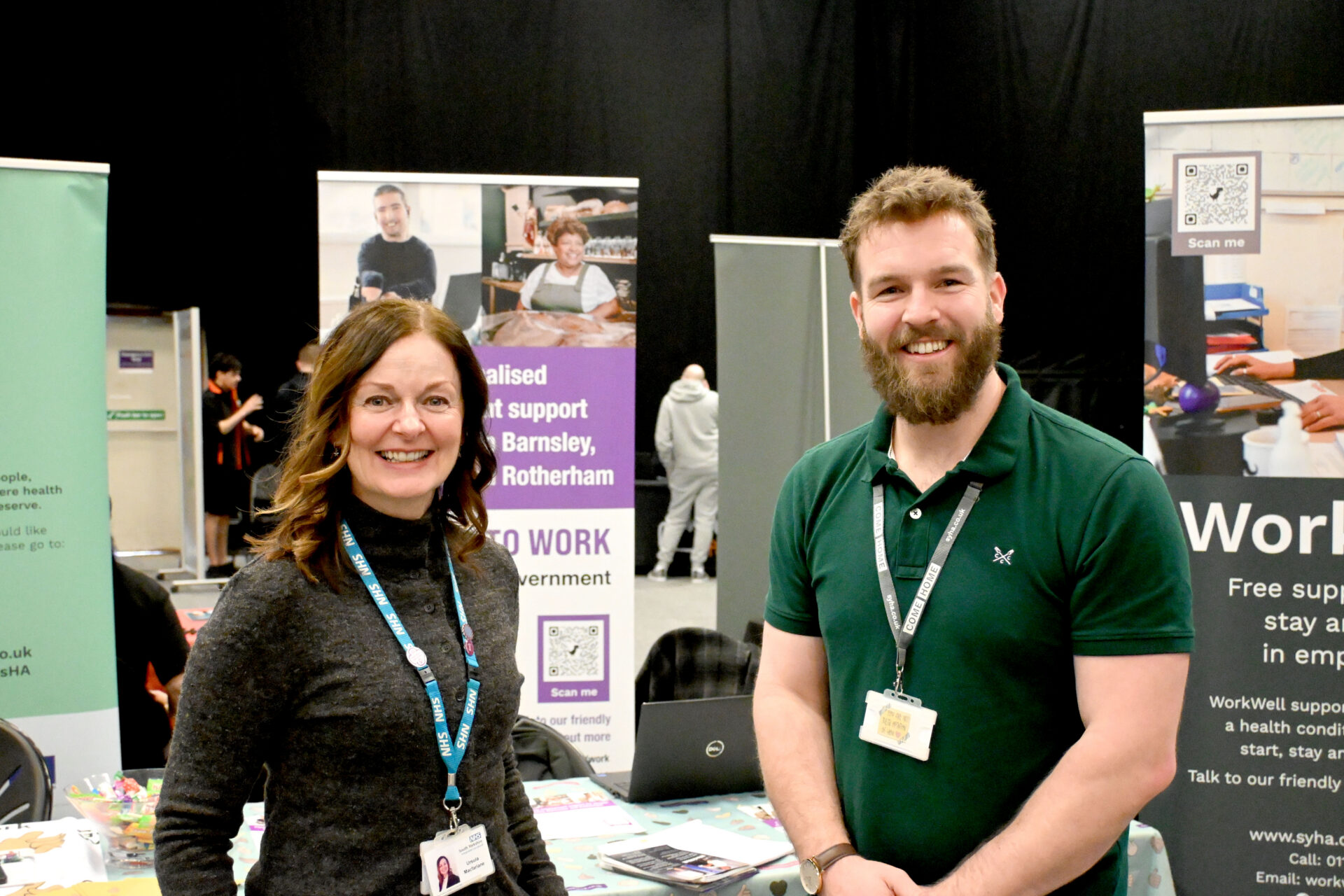
A great success, around 150 people attended on the day.
Heather Jackson, Head of Therapies at DBTH, said: “Community Appointment Days allow us to step away from traditional clinic-based appointments and focus on what really matters to people.
“By bringing everything into one venue, we were able to offer more personalised support which helps people get the right advice and care all on the same day. It’s a powerful example of how working in partnership can improve access, reduce delays, and give patients the confidence to better manage their own health.”
Patients attending the first event were invited from waiting lists for musculoskeletal conditions, such as back, knee and shoulder pain, and asked to complete a short questionnaire before arrival.
Throughout the day, patients arrived at set times and were guided through the event, starting with a one-to-one conversation with a clinician about what support would help them most. From there, they were directed to the right services, all under one roof.

As well as clinical areas for checks and referrals, there was practical advice, digital support and help for specific conditions, alongside personalised exercise guidance and the chance to book onto classes. A dedicated Community Health Hub also connected people to wider support, including talking therapies, help with jobs and housing, financial advice, stop smoking services and NHS Health Checks.
Feedback has been very positive, with many people saying they felt listened to and supported, while colleagues valued the chance to work together in a different environment.
With partners, the Trust is now looking at how it can build on this approach to improve access to services and bring care closer to home, particularly for those who may find it hardest to access traditional healthcare.
Zara Jones, Acting Chief Executive at Doncaster and Bassetlaw Teaching Hospitals, said: “I want to thank everyone involved with making this day a success. With initiatives like this, we can reduce health inequalities by making sure our most vulnerable patients get the support they need, so everyone has a fair chance to live a healthy life.”
Plans are in place to extend the offer of Community Appointment Days into more local venues around Doncaster. For further information about upcoming events and local health services, visit the Trust’s website www.dbth.nhs.uk or follow Doncaster and Bassetlaw Teaching Hospitals on social media.
Content out of date? Information wrong or not clear enough? Report this page.