
What’s on this page?
- What is the the Herbert Protocol?
- How does it work?
- Why is it important?
- What are ID tags and bracelets?
- Download the forms
What is the the Herbert Protocol?
The Herbert Protocol is a simple and effective way to help support people living with dementia or other conditions that may cause them to become lost or confused.
It involves completing a form with important information about a person, which can be quickly shared with the police if they go missing. This helps emergency services locate them as quickly and safely as possible.
How does it work?
A family member, carer or the individual themselves fills in a form that includes key details such as:
- Name, address and a recent photograph
- Medical conditions and medication
- Places they like to visit
- Daily routines and habits
- Emergency contact details
This information is kept safe and up to date.
- In South Yorkshire, families are encouraged to send the completed form to the police in advance.
- In Nottinghamshire, the form should be kept safe and only shared with the police if the person goes missing.
Some people also choose to share the form with trusted friends, family members or neighbours.
Why is it important?
The Herbert Protocol can:
- Help find someone more quickly if they go missing
- Reduce stress and worry for families and carers
- Support emergency services with vital information
- Help people return home safely, sometimes without needing hospital care.
What are ID tags and bracelets?
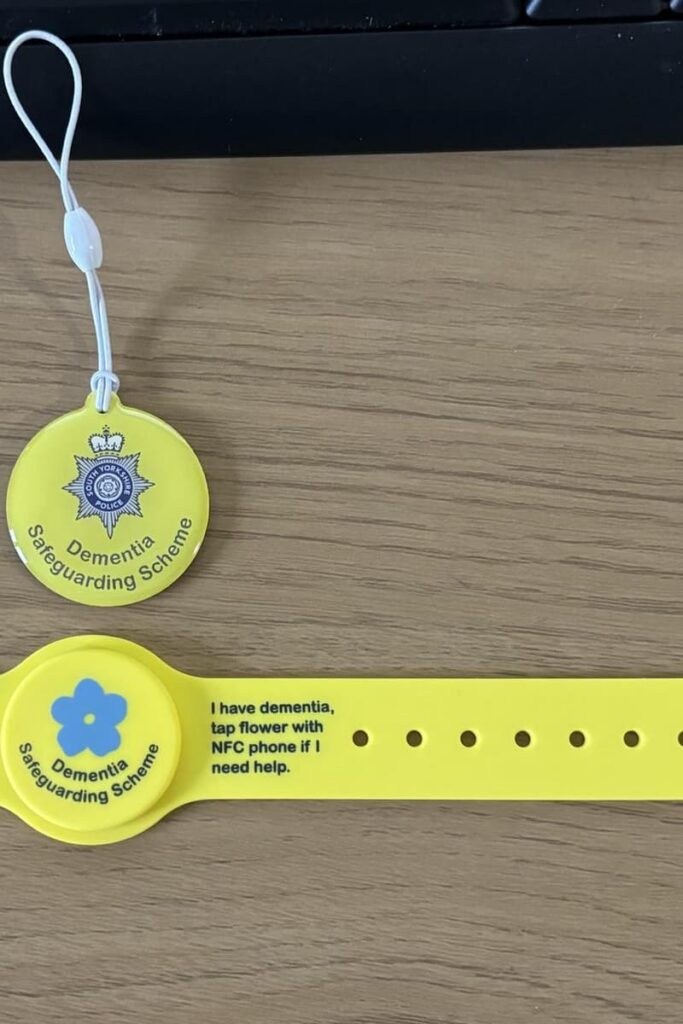
Many people who use the Herbert Protocol also wear a small ID tag or bracelet (see picture below).
If they are found, emergency services can use this to access securely stored information and help return them home quickly, often without needing to bring them to hospital.
Download the forms
You can download the Herbert Protocol form for your area below:
Content out of date? Information wrong or not clear enough? Report this page.