
The improvements will make it easier for people living with diabetes to access timely eye checks closer to home, supporting earlier detection of eye conditions and helping to prevent avoidable sight loss.
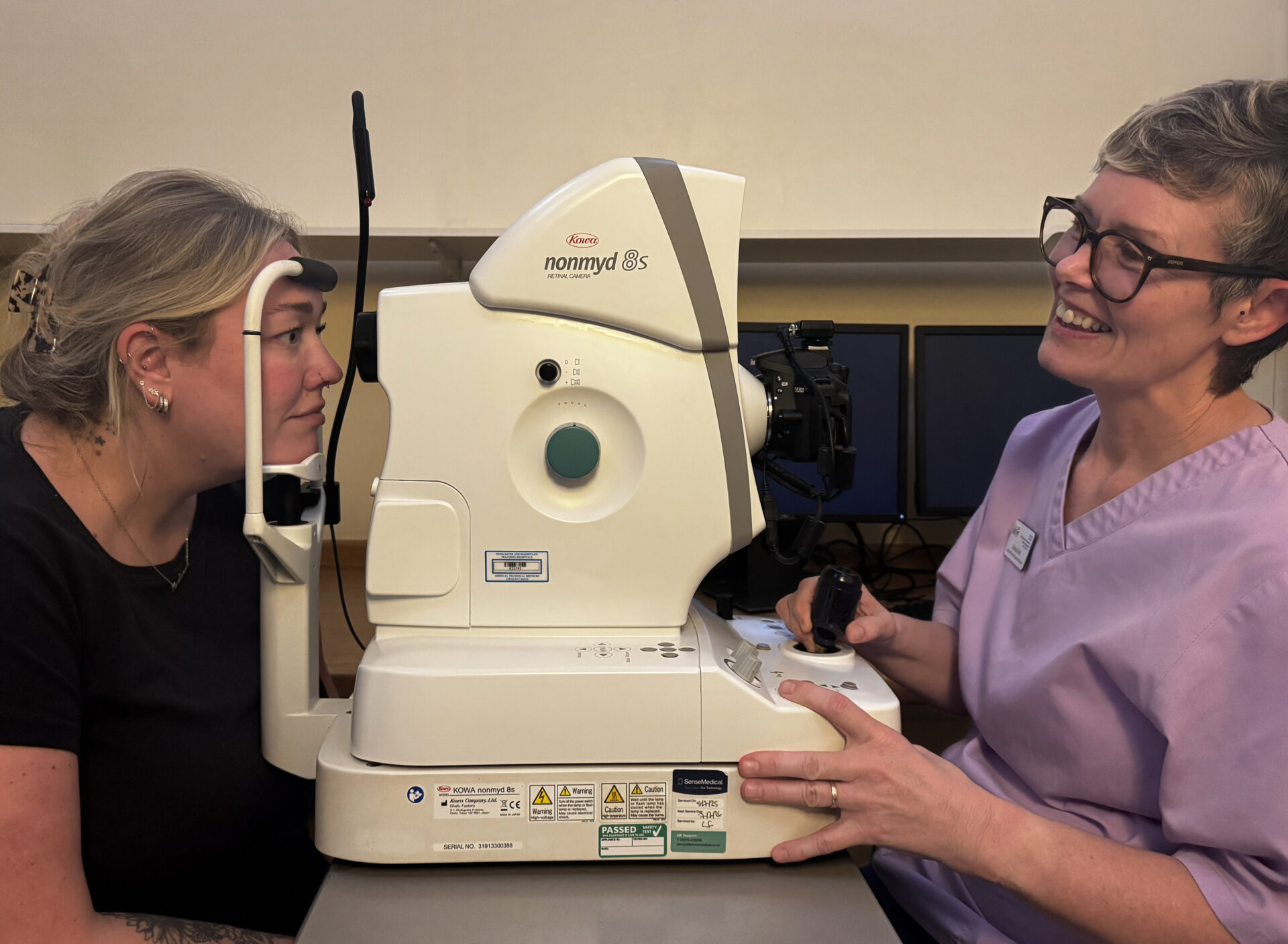
The Diabetic Eye Screening Programme (DESP) is being expanded to increase clinical capacity and bring more advanced diagnostic techniques together in one place. This includes retinal imaging, Optical Coherence Tomography (OCT) scans, and slit lamp examinations, all delivered as part of a coordinated care pathway.
OCT scanning is a painless, non-invasive test that provides highly detailed images of the back of the eye, helping clinicians identify even the earliest signs of change. When used alongside slit lamp assessments and retinal photography, it allows for more accurate diagnosis and closer monitoring of eye health.
These improvements mean patients can benefit from earlier detection of diabetic eye disease, which if found and treated early, can prevent or reduce damage to the eyes and prevent sight loss.
Identifying conditions such as diabetic retinopathy is important as it often develops without symptoms in the early stages. Regular screening remains one of the most effective ways to protect sight and ensure any changes are treated promptly. However, diabetic eye screening is not the same as a regular eye test with an optician, therefore attending for regular eye tests is necessary to check for other conditions.
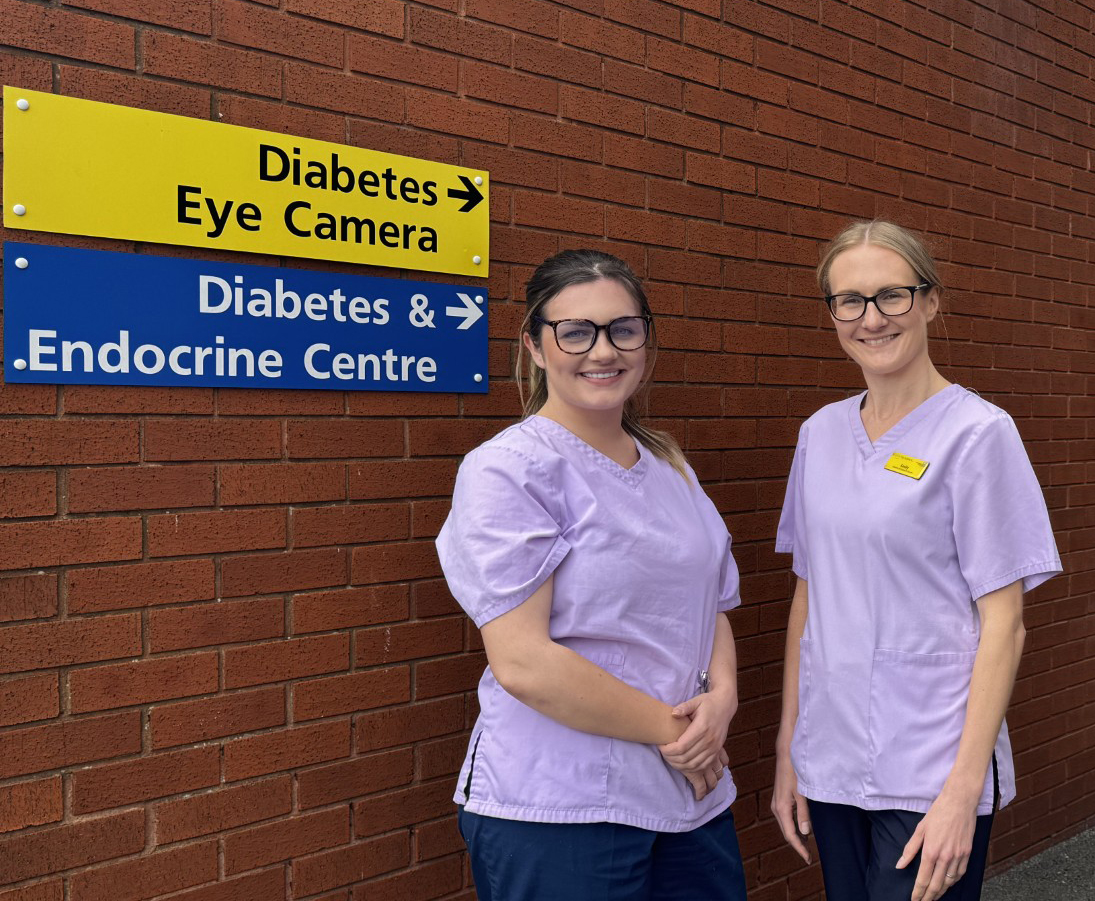
Patients will be able to receive quicker access to follow-up care where needed, allowing them to benefit from fewer unnecessary hospital referrals, and access to more appointments available locally.
Alongside improved clinical facilities, the service is also increasing flexibility for patients, with plans to support more evening and weekend appointments. This will make it easier for people to attend screening at times that suit them and help improve overall uptake.
The service has also strengthened its community-based offer, with outreach and weekend screening sessions delivered in local venues. These initiatives are helping to bring essential eye checks closer to patients and improve access for those who may find it harder to attend hospital appointments.
Dr Shivani Dewan, Lead for the Diabetic Eye Screening Programme at DBTH, said: “These improvements are all about making care easier, faster and more effective for patients. By bringing more of the screening process together in one place, we can reduce delays, improve accuracy and ensure people are seen at the right time. It also means patients can be seen closer to home, which makes a real difference for those living with long-term conditions like diabetes.”
Denise Smith, Chief Operating Officer at the Trust, said: “This is a really positive step forward for patients in our communities. Expanding our diagnostic services enables us to improve access to care, reduce waiting times and reduce the number of visits patients needs to make to hospital. It also reflects our ongoing commitment to delivering more care closer to home while making best use of our facilities and clinical expertise.”
To support this expansion, refurbishment work is underway within the hospital to create additional clinical space for the service, set for completion in the summer. This forms part of wider plans to invest in clinical spaces across the Trust to improve services and patient experience. To find out more, visit: https://www.dbth.nhs.uk/improving-our-hospitals/