
Darren Pryce, 56, from Rotherham, suffered a life-changing stroke in September 2022 despite leading an active and healthy lifestyle.
Now, more than three years on, Darren says he is approximately “90% recovered” and hopes that by sharing his experiences, he can help others navigating the challenges of stroke rehabilitation and recovery.
Darren, who has been married for 33 years and has three adult children, spent four decades working in the Sheffield steel industry, travelling across more than 30 countries during a successful international sales career. A keen runner and fitness enthusiast, he never imagined he would experience a stroke.
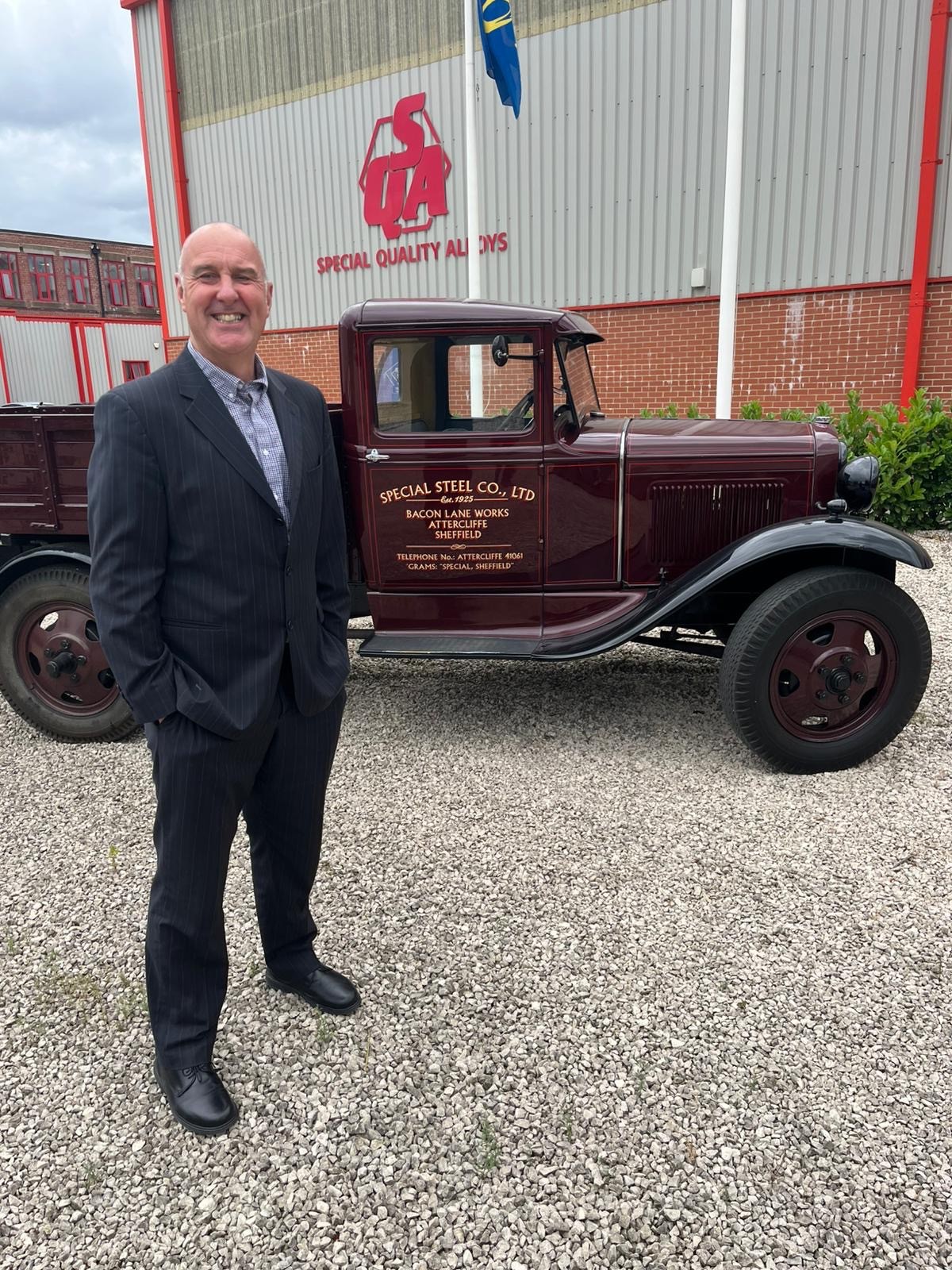
Recalling the events leading up to his stroke, Darren said: “I’d felt unwell earlier in the week and had some earache, but I still went to work and even went running as normal.
“The next morning I woke up extremely ill with no balance, a headache, and I was constantly sick. I collapsed twice and couldn’t speak or stand properly. Then my face dropped.”
Darren’s wife, Helen, immediately called for an ambulance and he was taken to Royal Hallamshire Hospital within the hour, where specialists quickly identified he had suffered a stroke affecting the left side of his brain in the medulla area.
He experienced severe swallowing difficulties, speech problems, balance issues and weakness, and spent nine days unable to eat or drink.
During his treatment and rehabilitation, Darren underwent extensive assessments, physiotherapy, speech and language therapy, and specialist swallowing rehabilitation using AMP Care treatment – a therapy which uses low-level electrical stimulation to help rebuild swallowing function following stroke.
Darren was one of the first people in the UK to receive this treatment.
After initial acute care, Darren continued his rehabilitation pathway at The Rotherham NHS Foundation Trust with support from specialist stroke teams, receiving 39 AMP Care sessions over several months as well as ongoing physiotherapy and psychological support.
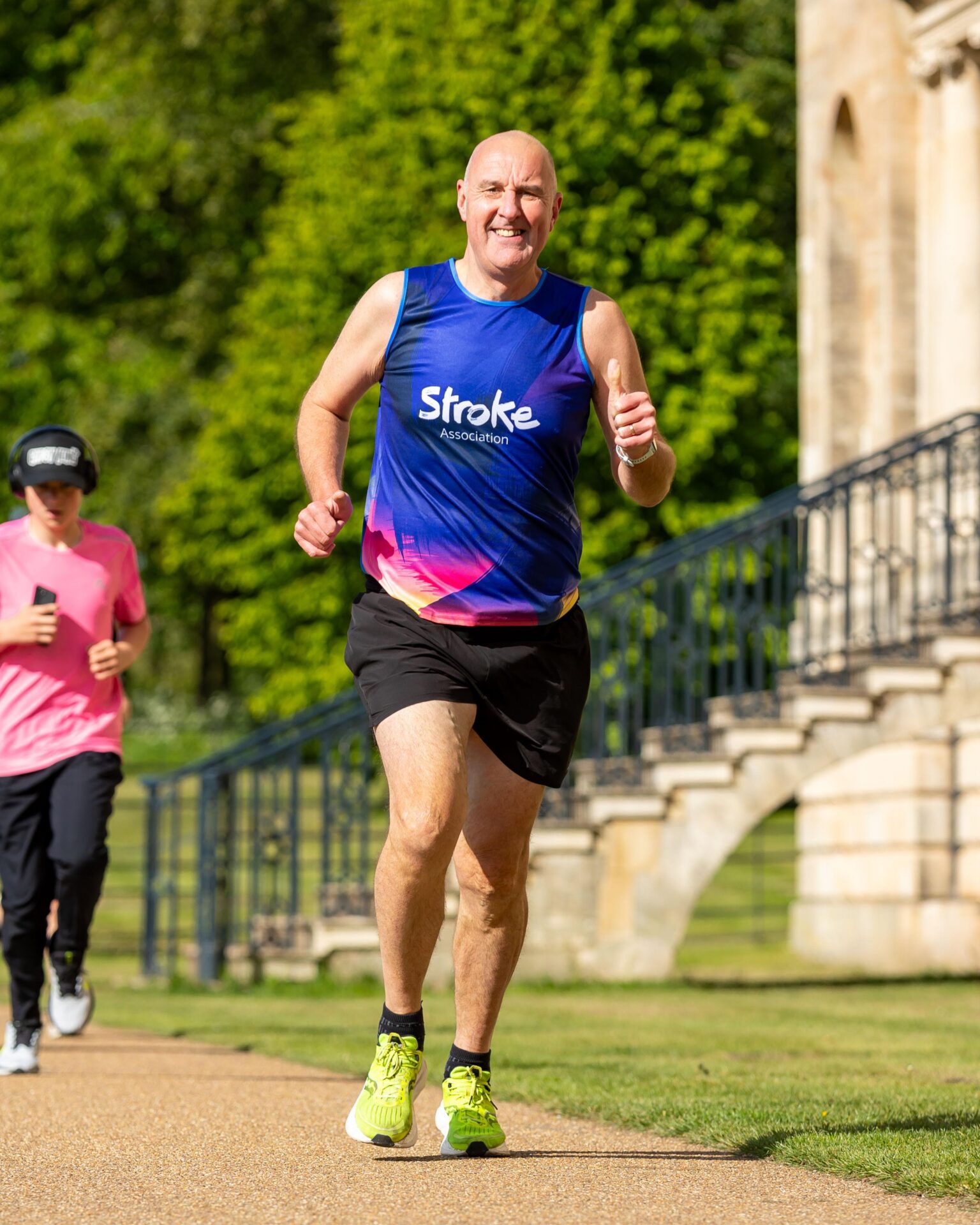
Darren said one moment has stayed with him throughout his recovery journey: “The consultant who treated me was also a runner. I remember him saying: ‘Darren, we have a marathon to run together.’ That really stuck with me.”
Today, Darren has returned to full-time work, travelling and running again, although, as he jokes, “a little slower these days.”
He credits his recovery to specialist NHS care, his own determination, and the support of his family, friends, employer and healthcare professionals.
Wanting to give something back, Darren has since become involved in clinical training sessions at DBTH, helping healthcare professionals better understand the emotional impact of stroke and sharing insights into supporting patients experiencing anxiety during recovery.
“The recovery journey after stroke is about much more than physical rehabilitation. There’s anxiety, vulnerability, loss of confidence and uncertainty. The psychological support I received made a huge difference to me and is something I feel very passionate about discussing openly if it can help others.”
Stroke Awareness Month highlights the importance of recognising stroke symptoms quickly and accessing urgent medical treatment. It also shines a light on the long-term recovery journey many stroke survivors experience.
The specialist stroke teams at DBTH support patients throughout every stage of recovery, from emergency treatment and inpatient care through to rehabilitation, therapy and ongoing community support.
Darren hopes that by sharing his story, more people will understand that recovery after stroke can continue for years – and that hope, support and determination can make a significant difference.
He concluded: “I’m proud of how far I’ve come. If sharing my experience helps even one person feel less alone or more hopeful about their own recovery, then it’s worth it.”
