
Hospital services remain available throughout the festive period, including Emergency Departments at Doncaster Royal Infirmary and Bassetlaw Hospital, which are open 24 hours a day for people with serious or life-threatening conditions. However, for less urgent health concerns, residents are being asked to consider alternative services that may be more appropriate and quicker to access.
These include NHS 111, which is available online or by phone 24 hours a day for advice and direction to the right service. Many community pharmacies will also be open over the bank holidays, often with reduced hours, and can offer advice and treatment for minor illnesses such as coughs, colds, sore throats, rashes and stomach upsets. For sprains, cuts, grazes, minor burns and simple fractures, the Minor Injuries Unit at Montagu Hospital is open every day from 9am to 9pm, except Christmas Day.
Dr Nick Mallaband, Acting Executive Medical Director at DBTH, said: “The festive period can be a particularly busy time for the NHS. Taking a few simple steps now, such as checking you have enough of your regular medications, knowing which services are available locally, and understanding where to go for help, can make a real difference.
“Planning ahead not only helps services run more smoothly, but also gives people the best chance of enjoying a healthier and more relaxed Christmas.”
Residents are also reminded to order repeat prescriptions in good time and ensure they have enough medication to last through the bank holidays. Stocking up on basic household health items, such as pain relief, cold remedies and first aid supplies, can help manage minor illnesses at home. Checking in on elderly or vulnerable neighbours, friends or relatives during the festive period is also encouraged.
Some outpatient clinics and non-urgent services may be closed over Christmas and New Year. Patients with scheduled appointments should attend as normal unless they have been contacted directly to say otherwise. Appointments can be viewed and managed using the NHS App.
For more information about local services and staying well this Christmas, visit https://www.dbth.nhs.uk/find-the-best-service-for-your-illness-or-injury/
Content out of date? Information wrong or not clear enough? Report this page.
Throughout the morning, nine patients attended the clinic and each received a fully accessible experience, with the team adapting the clinic environment and tailoring appointments to meet their individual needs.
Routine diabetic eye screening is a vital part of diabetes care, helping to detect early signs of eye damage before symptoms develop and prevent the risk of sight loss. The screening is quick and painless, involving eye drops to widen the pupils followed by photographs of the retina, the part of the eye that can be affected by diabetic retinopathy.

However, whilst people with learning disabilities are ten times more likely to develop eye conditions such as diabetic retinopathy, they are less likely to take up their screening appointments.
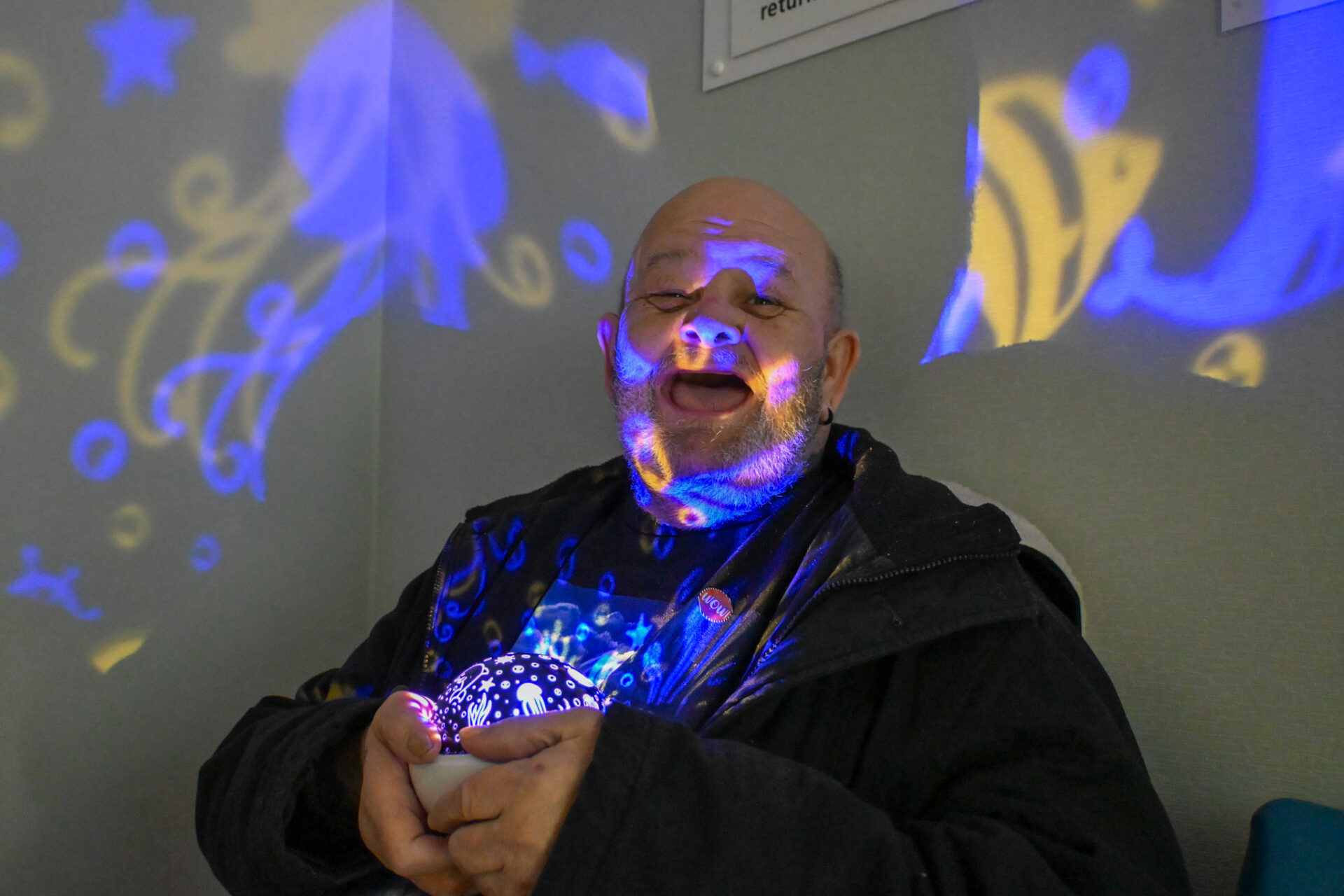
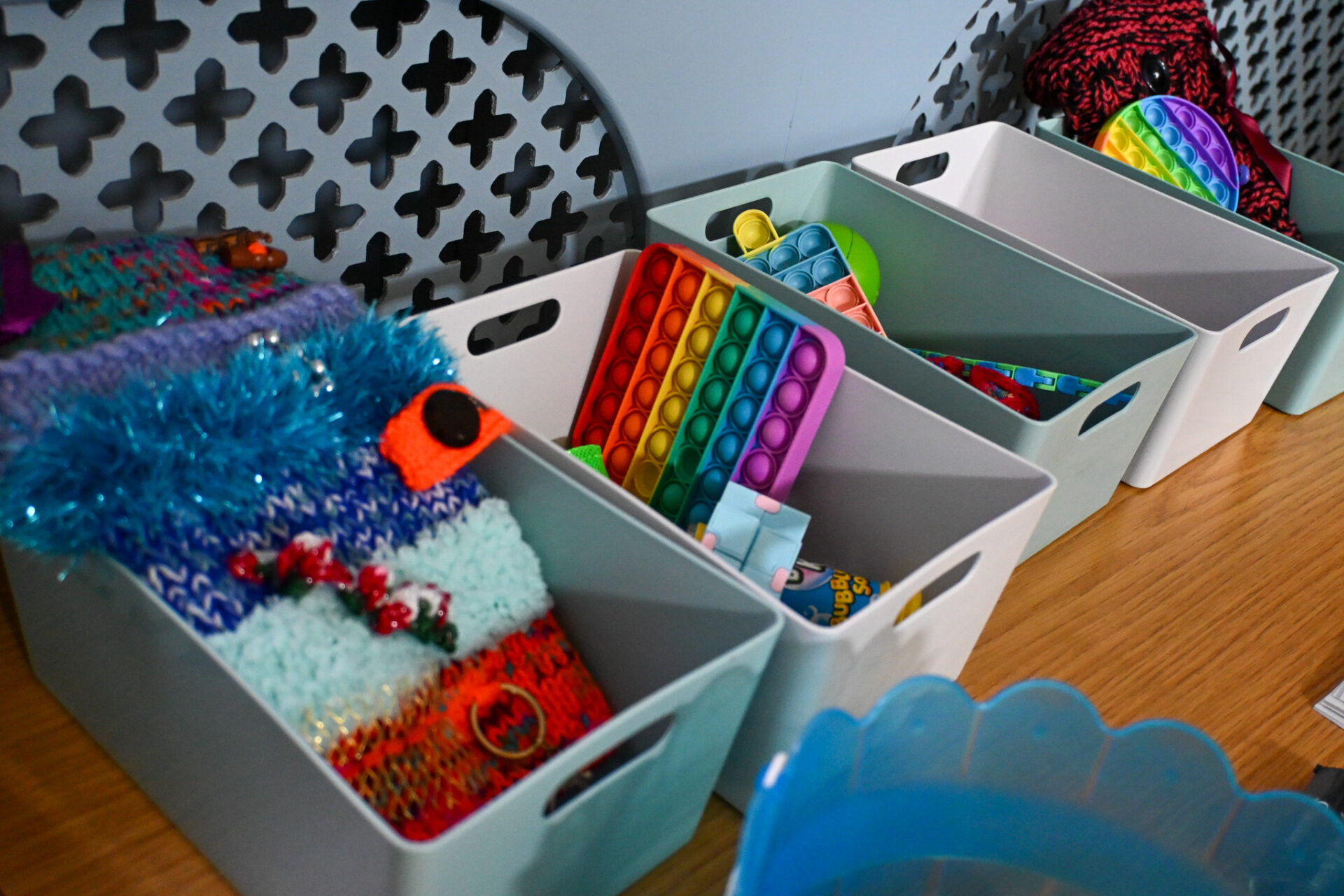
To provide the best possible support, the team ensured the department remained quiet, calm and welcoming. Patients were offered longer appointment times and a space that felt more relaxed than a standard clinical setting. Low lighting was used in the waiting and examination rooms to reduce sensory overwhelm, while a sensory table offered items such as fidget toys and twiddle muffs for patients who benefit from tactile reassurance. A sensory light projector and gentle music in the waiting room created a soothing atmosphere, which was praised by both patients and carers.
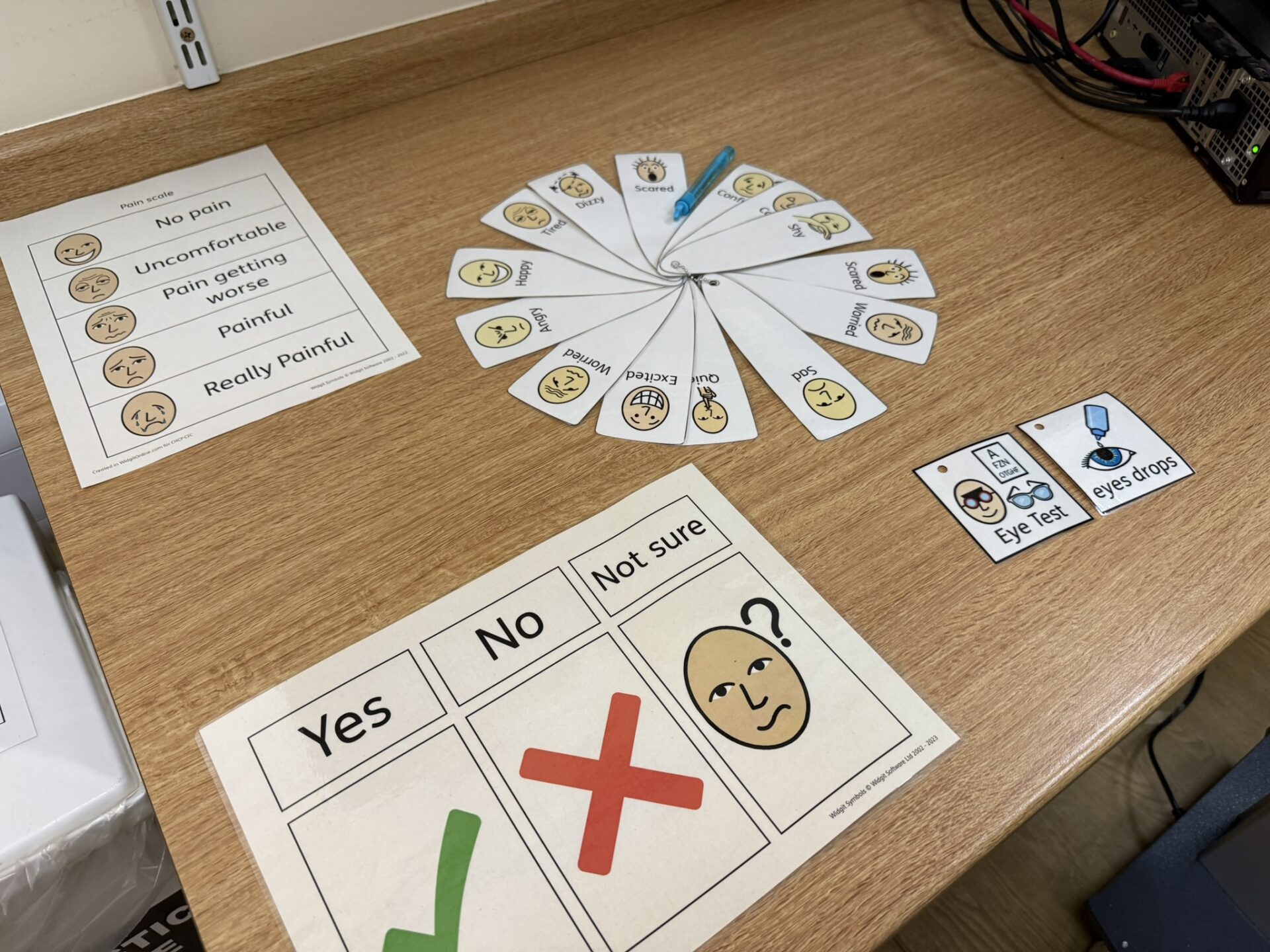
Accessible communication played a vital role in the success of the day. Easy-read letters and printed information were developed specifically for the session, alongside communication cards to ensure each patient understood what was happening and could express their express emotions, preferences and decisions.
Many patients said they found the appointment letter easier to read and understand, showing how small changes to communication can make a meaningful difference to their healthcare experience.
The clinic was also supported by Rebecca Knapton, Acute Learning Disability Liaison Nurse at the Trust, whose familiarity with many of the patients helped put them at ease. Her presence contributed to the positive, friendly atmosphere that patients and carers repeatedly fed back on during the session.
Every patient also left with a certificate, which proved extremely popular, with many eager to show theirs to friends and family once they returned home.
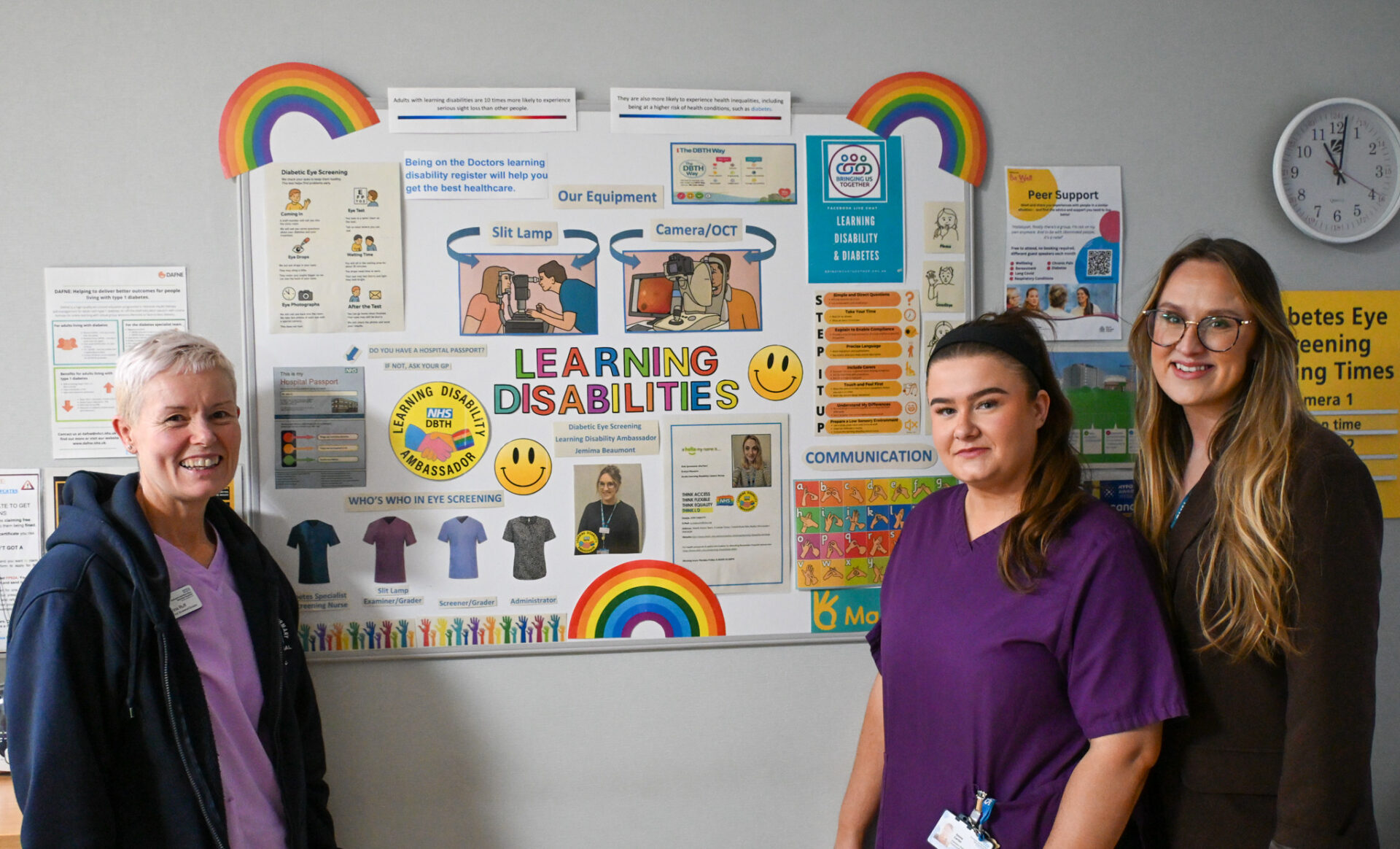
Jemima Beaumont, Failsafe and Engagement Lead for the Diabetic Eye Screening Programme at DBTH, said: “It was really easy to implement such small changes that make a huge impact for our patients with learning disabilities.
“As clinicians, it’s easy to just focus on keeping clinics running smoothly and on time for all patients, but by creating these dedicated sessions and adapting them to support individuals, we can see just how much of a positive impact we can make.
“We know that access, confidence and awareness all play a role in whether someone attends screening – and we’re trying to tackle those challenges head-on.”
Earlier this year, the team hosted a pop-up diabetic eye screening clinic at Bentley Pavilion to support people who may be less likely to attend their routine appointments. Building on this success, the team hopes to expand their work within the local community further and reach more patients who face barriers to accessing their screening.
Zara Jones, Deputy Chief Executive at DBTH, said: “It is fantastic to see such a positive response from patients and carers and it reflects our commitment as a Trust to tackle health inequalities by providing fairer access to care and more inclusive support for those who need it.”
For more information on diabetic eye screening, visit: https://www.dbth.nhs.uk/diabetic-eye-screening/
Content out of date? Information wrong or not clear enough? Report this page.
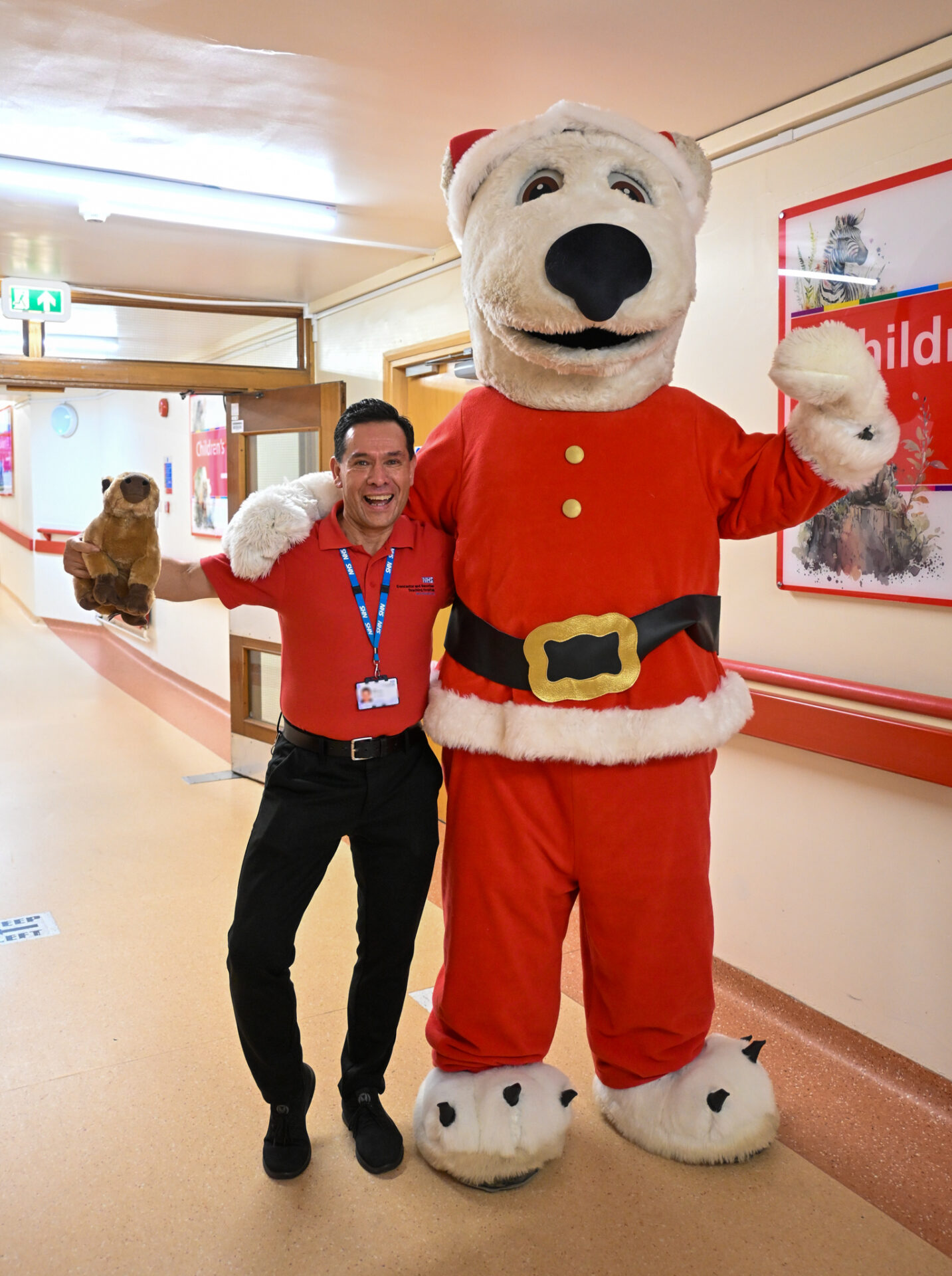
Victor the Polar Bear, the beloved mascot from Yorkshire Wildlife Park (YWP), spread joy, laughter and Christmas spirit on his annual festive visit.
Victor, known across the region for his larger-than-life character and friendly antics, brought smiles and excitement as he toured the Children’s Ward, Children’s Observation Unit and Paediatric Emergency Department at Doncaster Royal Infirmary (DRI).
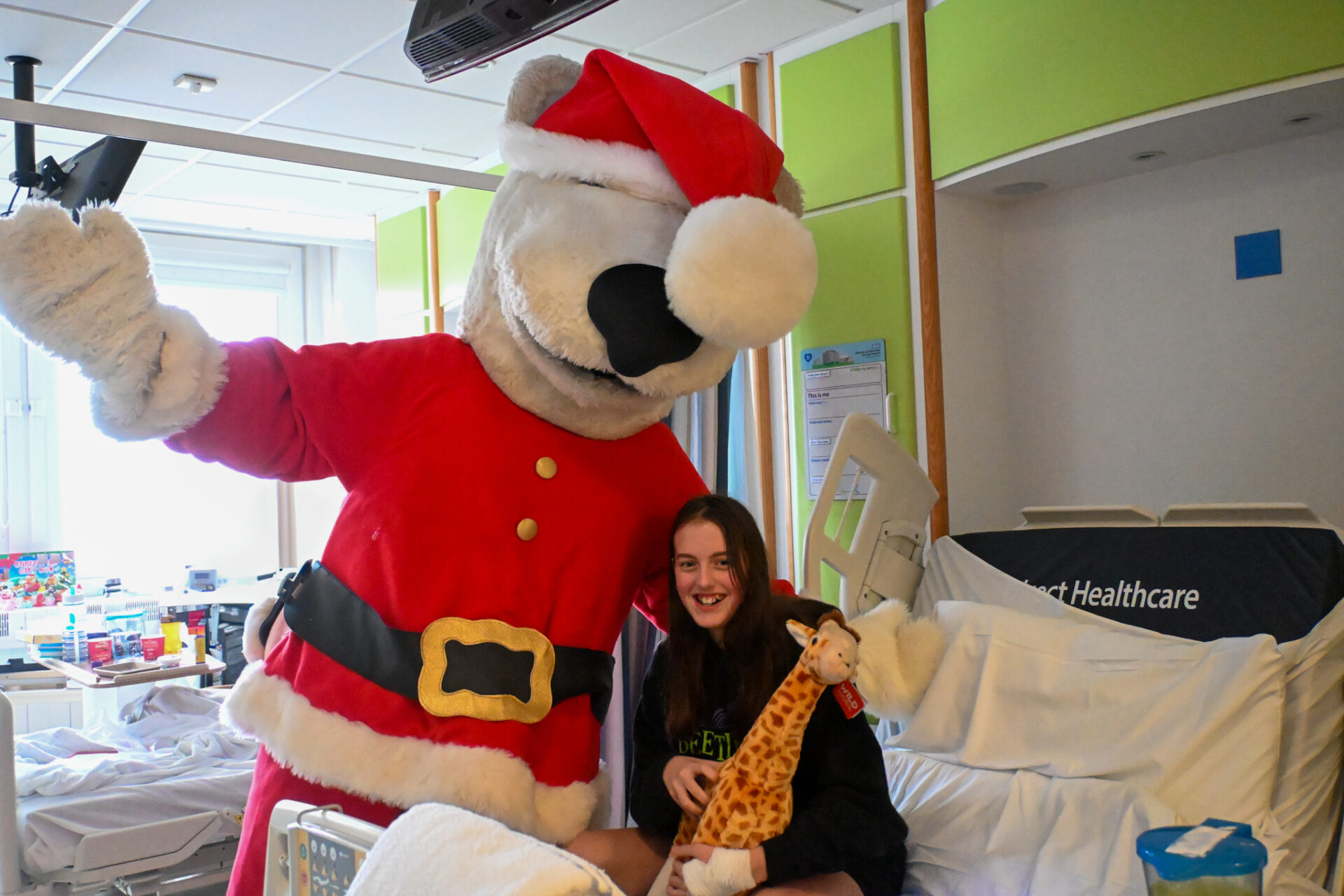
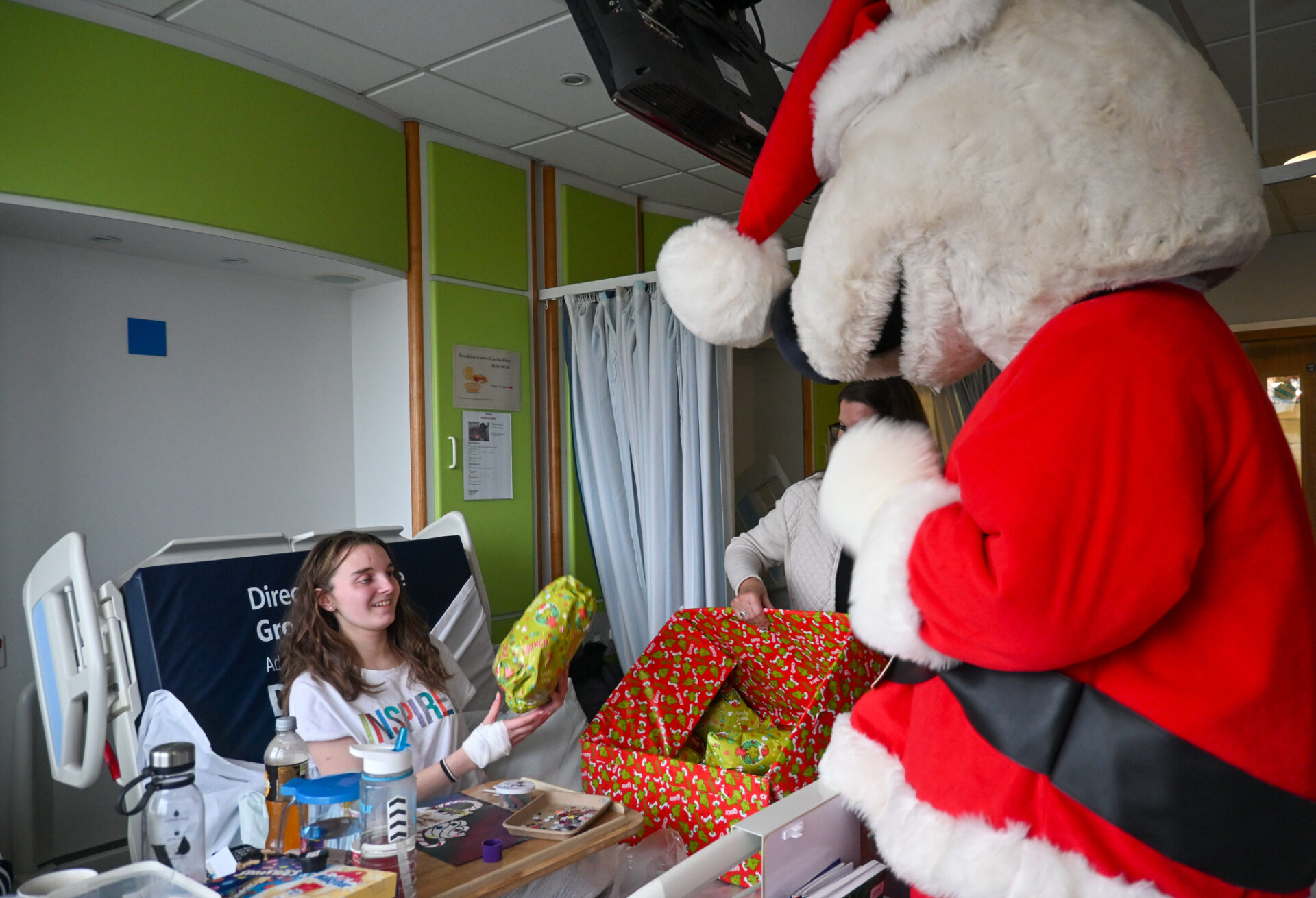
Dressed in his signature Christmas scarf and Santa hat, he handed out cuddly toys generously donated by YWP and its supporters, posed for photos with patients and families, and shared moments of cheer that brightened the day for everyone he met.
Yorkshire Wildlife Park’s CEO, John Minion, said: “Victor’s visit is becoming a Christmas tradition now and everyone at YWP loves being involved. We are especially grateful to our visitors and suppliers who have contributed donations which help bring a little bit of Christmas to the children.”
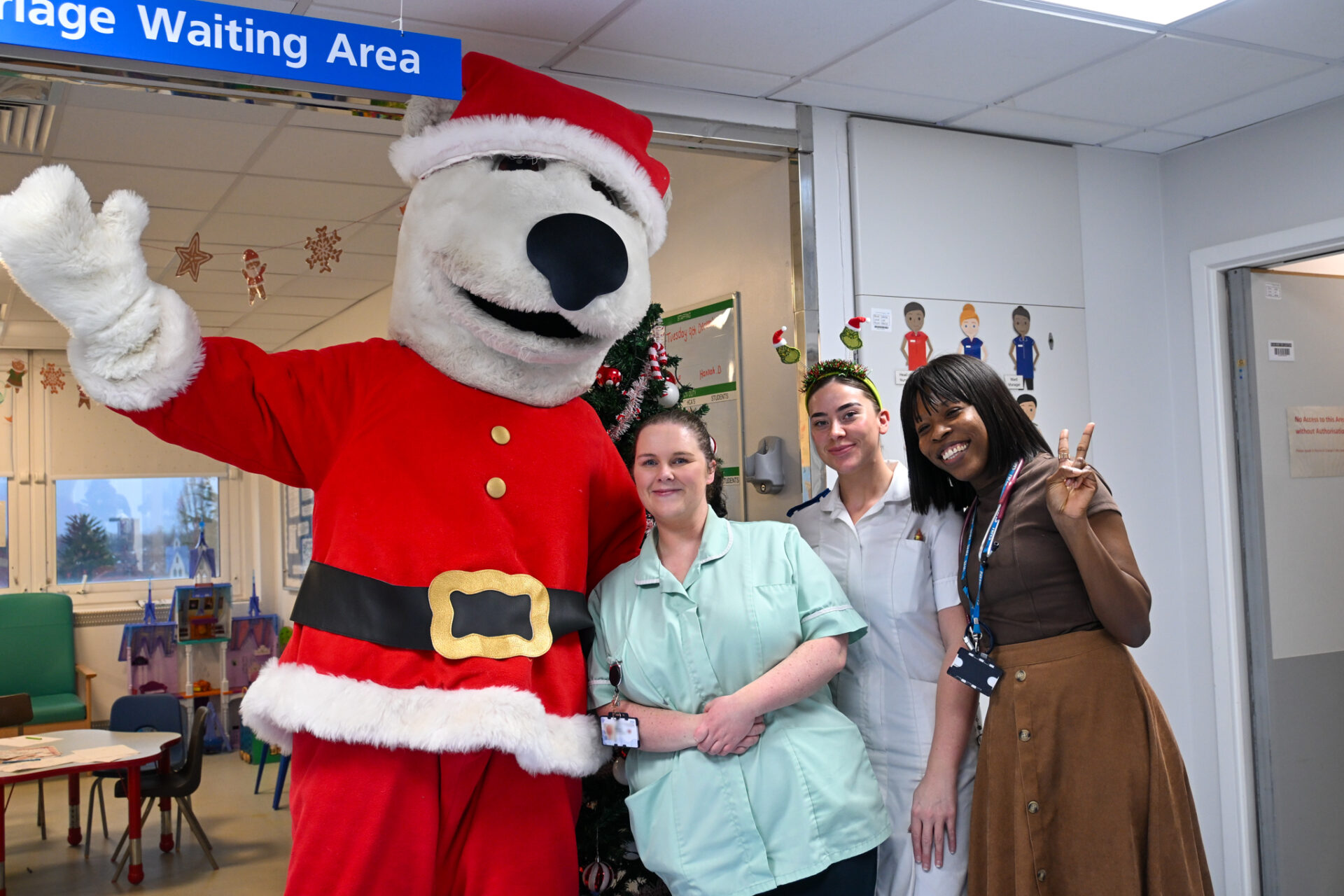
Ashleigh Elam, Sister on the Children’s Ward, added: “Victor’s visit has been wonderful to watch. You could see our young patient’s faces light up as he walked through – it’s moments like this that lift everyone’s spirits.
“We are so grateful to Yorkshire Wildlife Park for their continued support and for bringing festive cheer to our ward.”
The event is part of the ongoing collaboration between Doncaster & Bassetlaw Teaching Hospitals (DBTH), DBTH Charity and YWP – a partnership that brings community organisations together to create meaningful experiences for patients and their families.
For more information about DBTH Charity, please visit the charity website: https://dbthcharity.co.uk/
About DBTH Charity:
Doncaster & Bassetlaw Teaching Hospitals’ Charity is the official charity which supports Doncaster and Bassetlaw Teaching Hospitals Trust to go above and beyond by providing additional equipment, services and amenities for our patients, visitors and staff which cannot be funded by the NHS alone.
These additional extras would not be possible without the support of our community. With your help, we can continue to work with our Trust to fund innovative and exciting projects that make a difference to our patients, their families and our colleagues who care for them.
Visit the charity website to find out more: https://dbthcharity.co.uk/
Content out of date? Information wrong or not clear enough? Report this page.
The Special Care Baby Unit (SCBU) coffee mornings take place each month and were developed by Samantha Barber, Sister and Neonatal Practice Development Nurse, as a supportive space for parents and carers of both current and former SCBU patients to come together, share experiences and offer advice.
Reflecting on how the initiative began, Samantha said: “The babies that are treated on our unit are more vulnerable as they are usually premature, underweight, or become unwell after birth. This can be a really stressful time for parents, especially after labour, when you’re expecting to take your child home.
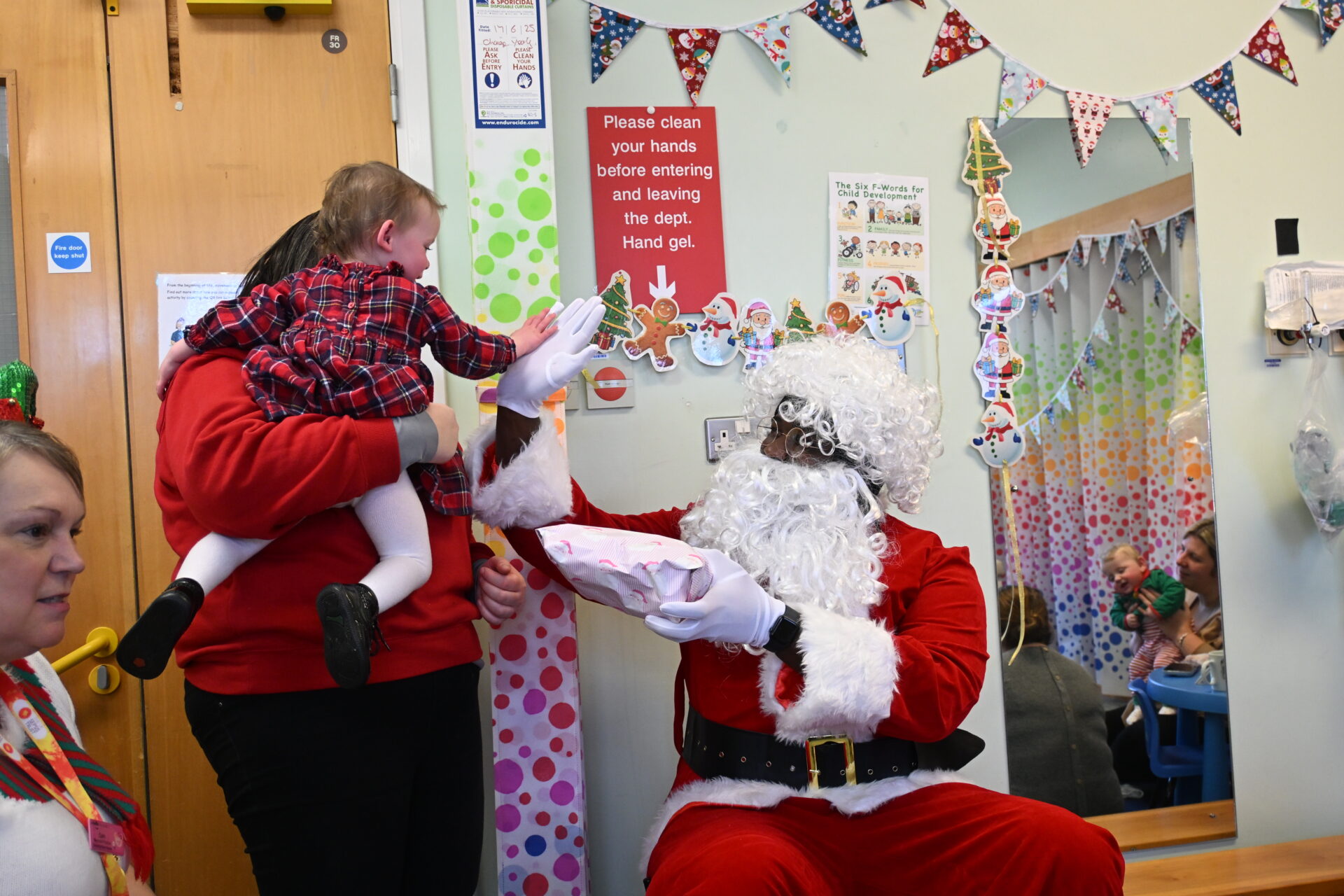
“After seeing how successful the coffee mornings are at the Neonatal Unit at Doncaster Royal Infirmary, and having chats with parents and carers on SCBU, I decided that we needed a support group for them – there are existing support groups, but the experience of having a baby on SCBU is completely different.”
One parent who regularly attends the coffee mornings shared their experience: “Having a neonatal baby is a very different experience to a normal delivery. Your journey is different and going home is often more overwhelming.
“Having a neonatal baby is a very different experience to a normal delivery. Your journey is different and going home is often more overwhelming. For that period in SCBU, the nurses are there to support you and your family, and going home is terrifying.
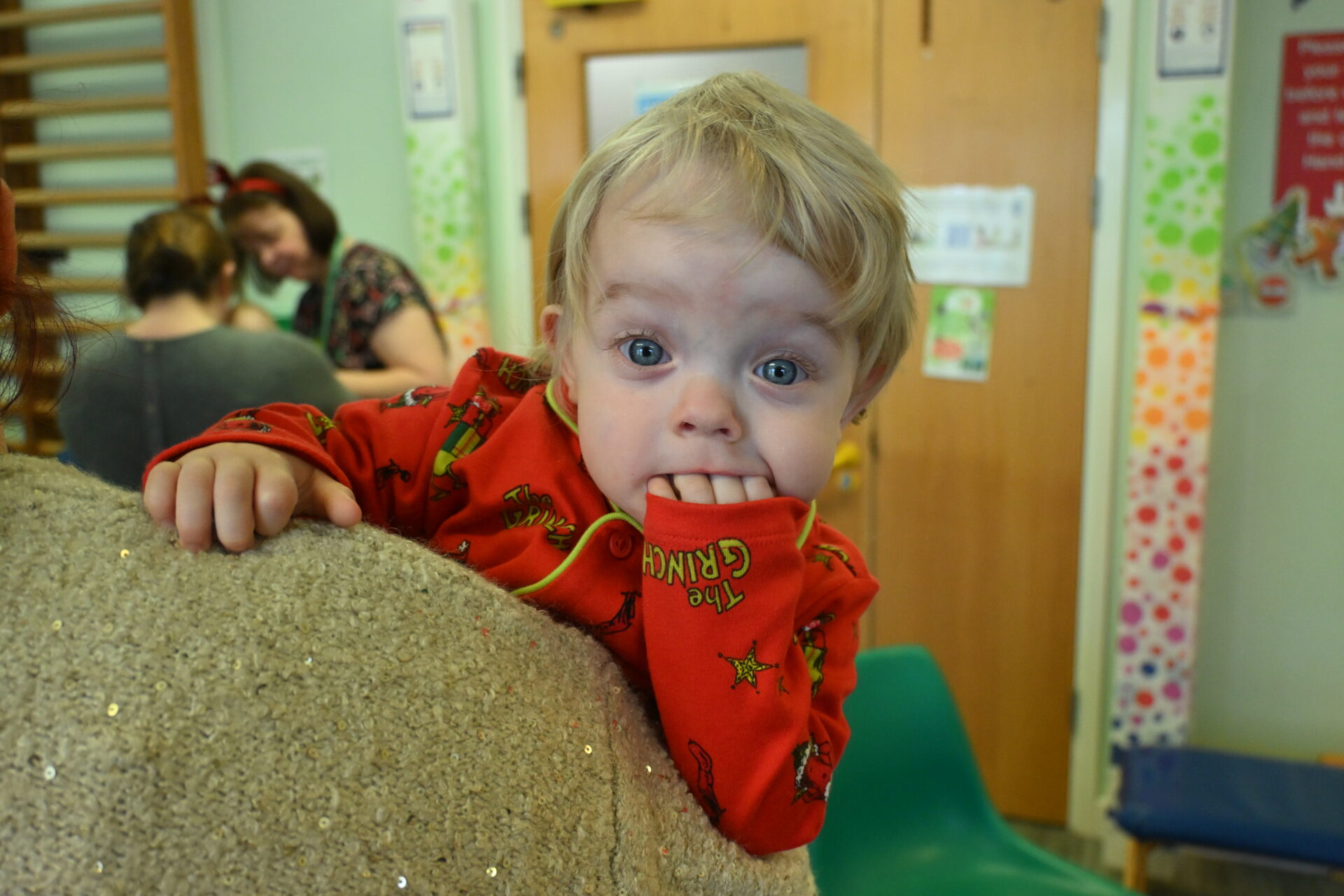
“Having the coffee mornings is such a wonderful idea. They are well organised, a welcome break, and a time to chat with other parents who ‘get it’. We talk about the things that matter to us, and it’s lovely to see familiar faces – other parents, as well as the nurses who become like family when you are in hospital.
“When your baby is small it’s reassuring to see the bigger babies, to know they grow and develop, and to listen to advice from other parents. There’s no medical talk – it’s all social, but a positive and uplifting experience that makes you feel like you’re not on your own.
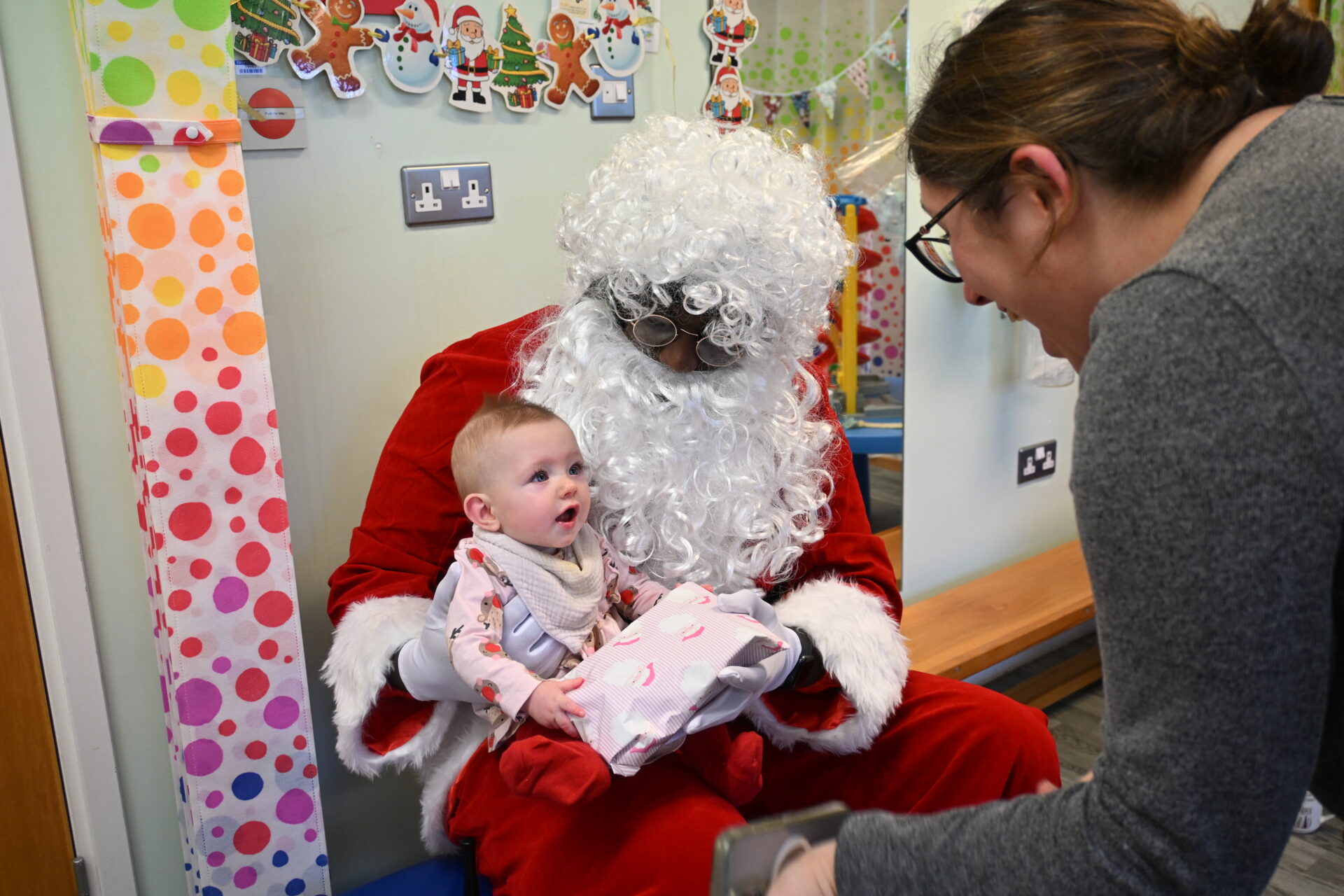
“It really is such a great idea, and we look forward to them every month!”
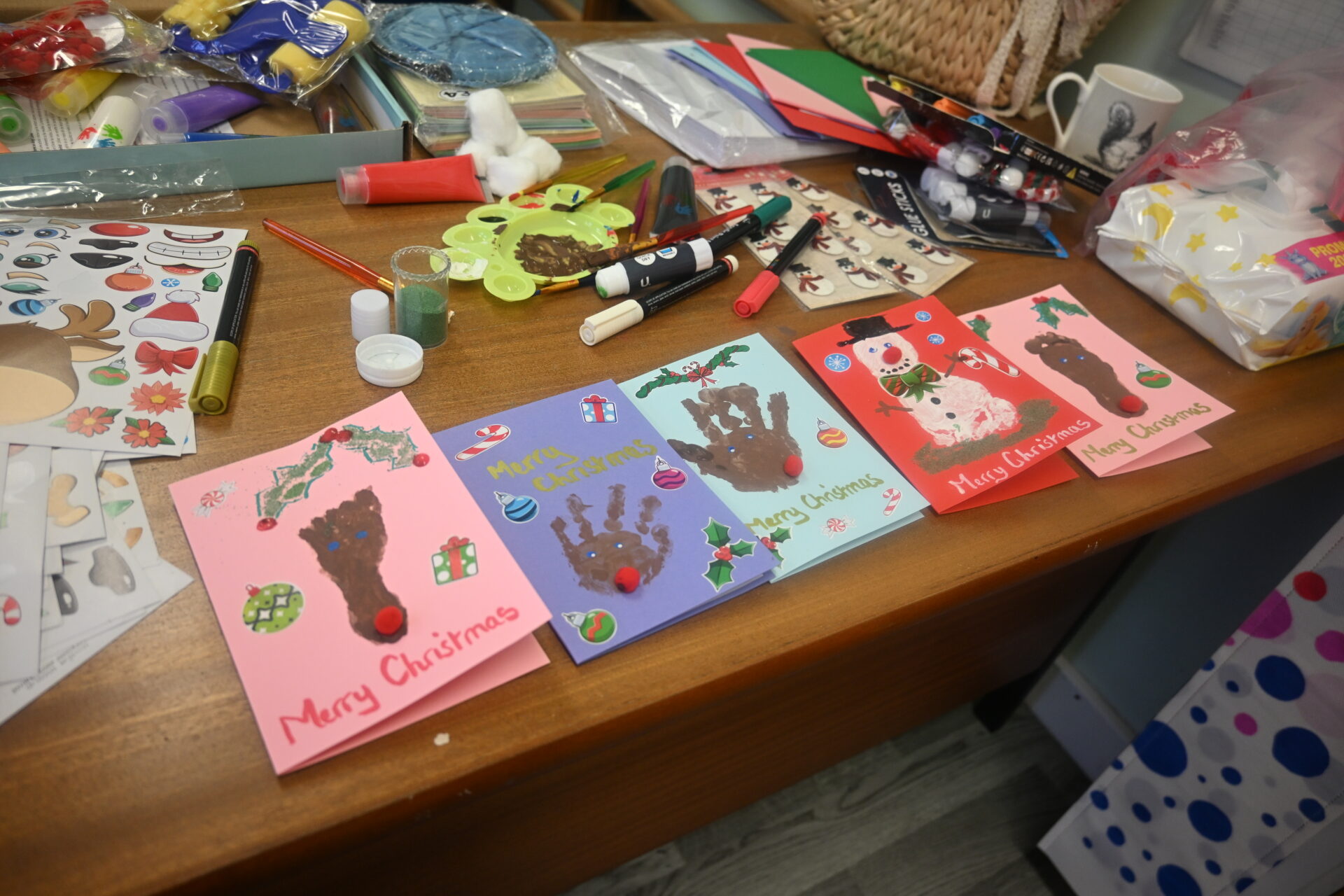
The Trust would also like to thank Yorkshire Wildlife Park for generously donating soft toys to the unit.
Doncaster and Bassetlaw Teaching Hospitals (DBTH) is proud to support initiatives that bring families together through shared experiences, helping to ease what can be a difficult and stressful time.
Content out of date? Information wrong or not clear enough? Report this page.
The Park and Ride service will not operate on these dates or weekends but will run as usual on all other days throughout the festive period.
For those visiting the Trust’s hospitals, the following catering arrangements will be in place during the Christmas period:
-
24 December: Open as usual.
-
25 December: Subway 9am to 5pm and Costa, 10am to 5pm.
-
26 December: Subway 9am to 5pm and Costa, 10am to 5pm.
-
24 December: Hot Kitchen, 8am to 6pm.
-
25 & 26 December: Hot Kitchen, 8am to 4pm.
-
24 December: Hot Kitchen, 12pm to 2pm.
-
25 & 26 December: Closed
The Trust encourages all patients to attend scheduled appointments unless advised otherwise and to use healthcare services appropriately over the holiday season.
For minor illnesses and injuries, individuals are reminded to consider alternative services such as pharmacies, NHS 111, or local urgent care centres where suitable.
Patients and visitors who need to contact services directly can find relevant contact details on the Trust’s website at: https://www.dbth.nhs.uk/contact/
Doncaster and Bassetlaw Teaching Hospitals extends its gratitude to colleagues working over the festive period and its warmest wishes to all for a peaceful Christmas and a healthy New Year.
Content out of date? Information wrong or not clear enough? Report this page.
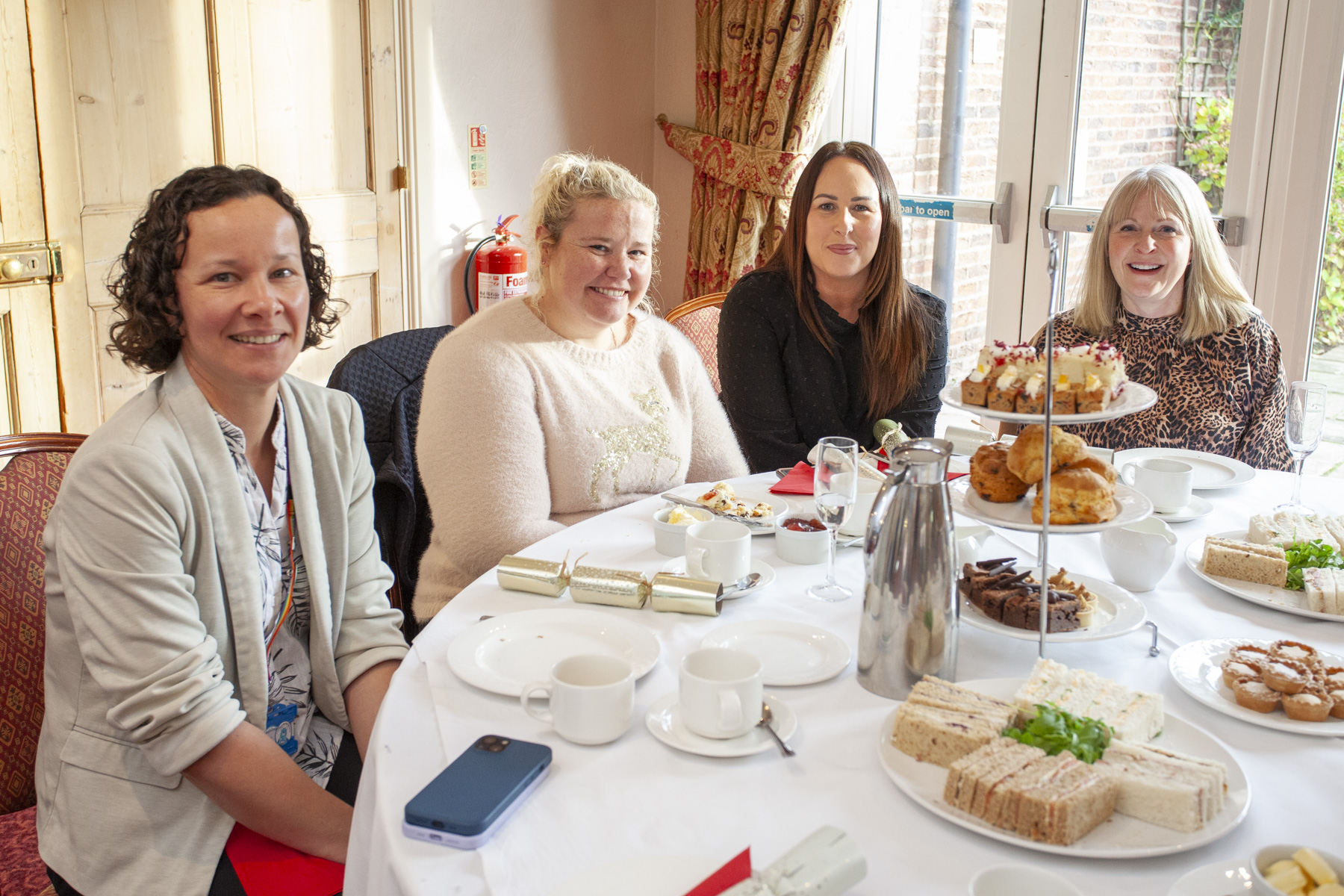
Held at Mount Pleasant in Doncaster and hosted by members of the Trust’s Board of Directors, the celebration brought together around 75 colleagues who had recently reached major NHS milestones, from 10 to 40 years of service. The afternoon tea offered a heartfelt thank you for their dedication, professionalism and compassion throughout their careers.
One of the most remarkable achievements this year belongs to Dorothy Rogers from the pharmacy department, who has reached an extraordinary 50 years of continuous NHS service. Dorothy first joined the department in 1975 and has since become a cornerstone of pharmacy operations, ensuring essential medicines are available across all DBTH sites.
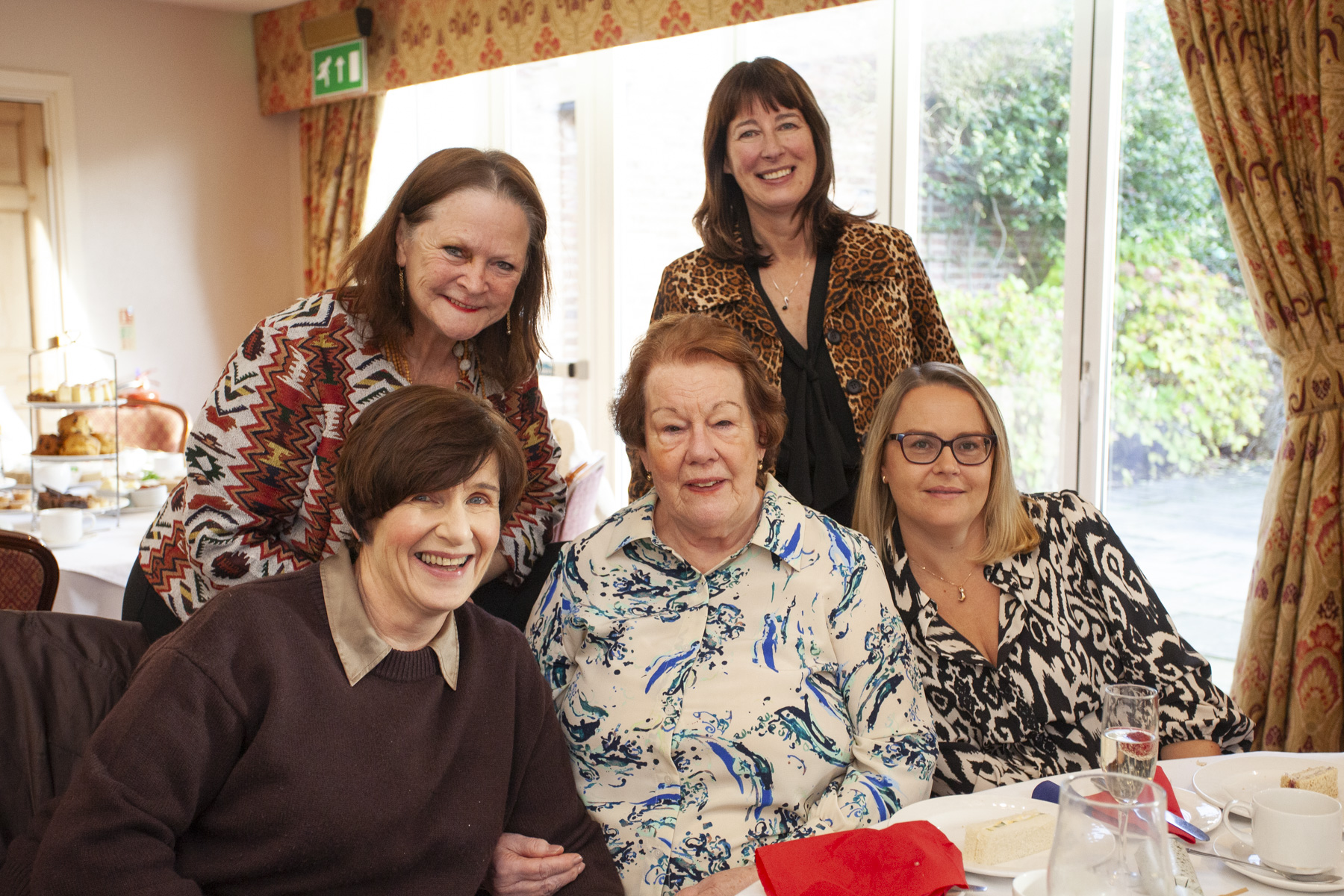
Affectionately known as ‘Aunty Dorothy’ by her colleagues, she is renowned for her encyclopaedic understanding of medication supply and her ability to adapt through decades of change – from handwritten copy-pad orders to modern digital systems. Dorothy marked her milestone at the event, held just one day before her 76th birthday.
In total, the afternoon saw over 1,000 combined years of NHS service celebrated – a testament to the commitment and loyalty of colleagues across the organisation.
Zara Jones, Deputy Chief Executive at DBTH, said: “These colleagues have given years of skill, care and commitment to local people. Their contribution has helped shape the services we provide today, and we are incredibly thankful for everything they have done throughout their careers.”
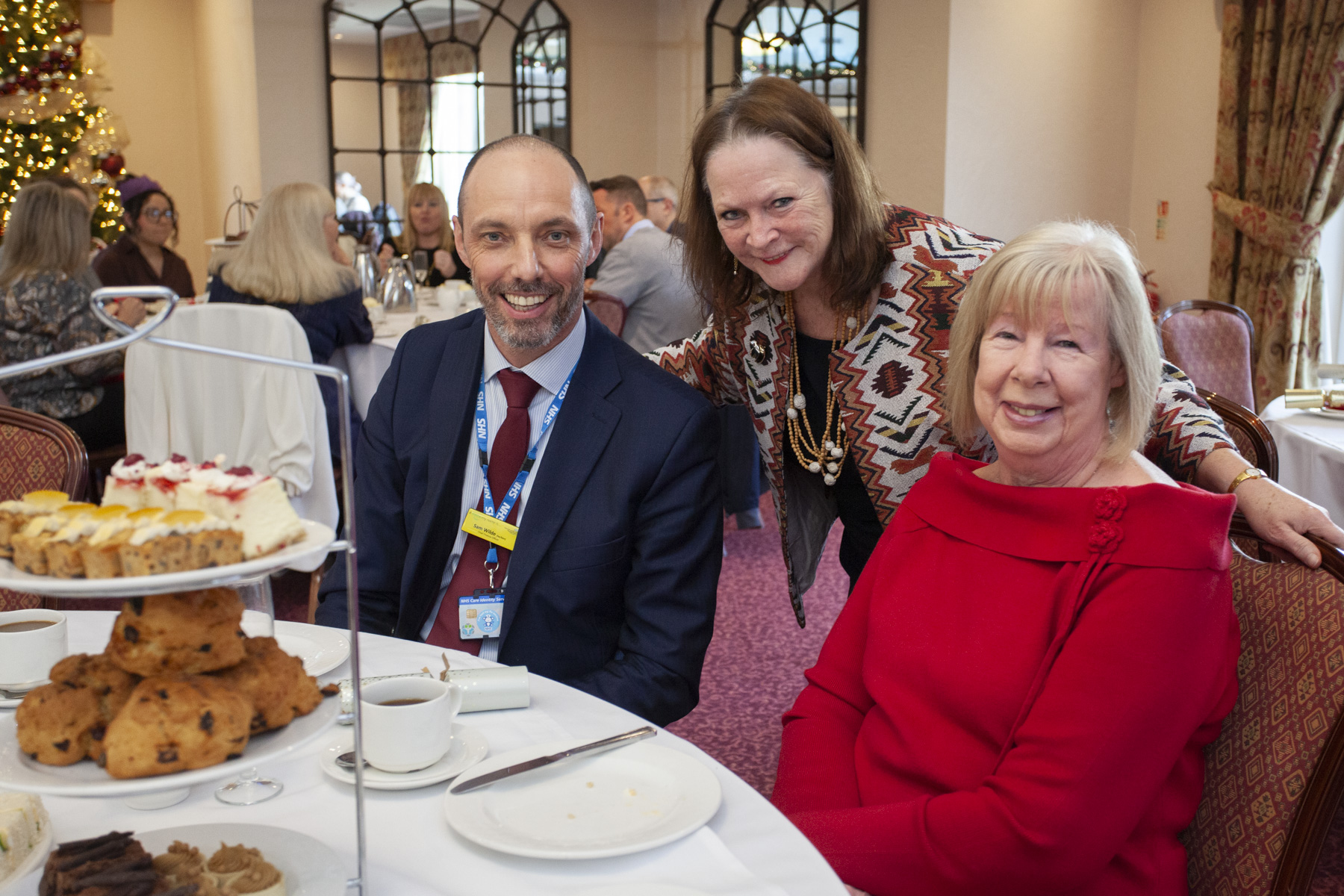
Guests enjoyed the relaxed setting as they reflected on their time in the NHS, recalling memorable moments and the many colleagues and patients they have supported along the way.
The celebration forms part of DBTH’s Long Service programme, which recognises colleagues when they reach key career milestones. The organisation employs more than 7,300 colleagues across three hospital sites and a number of external clinics, and those marking 10, 20, 30, 40 and 50 years’ service receive a commemorative badge and a gift voucher in recognition of their outstanding commitment.
In 2026, the programme will expand to include those who will retire within the calendar year.
Suzy Brain England OBE, Chair of DBTH, added: “Our colleagues are at the heart of everything we do. The exceptional care delivered across our hospitals today is built on the hard work, compassion and commitment of those who have stood by our communities throughout their careers.
“It is a privilege to recognise them and to say thank you.”
These events, including the Long Service celebration and the Annual Star Awards, are hosted and funded through the DBTH Staff Lottery – a charitable fund supported voluntarily by colleagues – ensuring no NHS or taxpayer resources are used.
Content out of date? Information wrong or not clear enough? Report this page.
Throughout December hospitals traditionally see higher demand, while many families juggle school events, festive activities and work commitments. The Trust is asking local people not to miss important check-ups, tests or procedures, as attending planned appointments helps avoid delays in care and supports clinical teams to use time and resources effectively.
If attending becomes difficult, the NHS App makes rearranging quick and convenient. Patients can view, manage and, in many cases, rebook appointments using the free app on smartphones, tablets or computers. The tool allows users to see upcoming appointments, receive reminders, and cancel or rebook in just a few taps.
Denise Smith, Chief Operating Officer at DBTH, said keeping appointments is vital to ensuring services run safely and efficiently at this time of year: “December is always one of our busiest periods. Whether an appointment is for you or your child, attending helps us keep care on track.
“If you can’t make it, please let us know as early as possible or rearrange using the NHS App. Every appointment that goes ahead means more people are seen, and every cancellation made in advance helps us offer that slot to someone else who needs it.”
The Trust, which operates Doncaster Royal Infirmary, Bassetlaw Hospital and Montagu Hospital, hosts more than half a million outpatient appointments each year across its sites and community clinics in South Yorkshire and North Nottinghamshire.
To find out more about how the NHS App can help you stay on top of your appointments, visit: https://www.dbth.nhs.uk/patients-visitors/nhs-app/

Content out of date? Information wrong or not clear enough? Report this page.
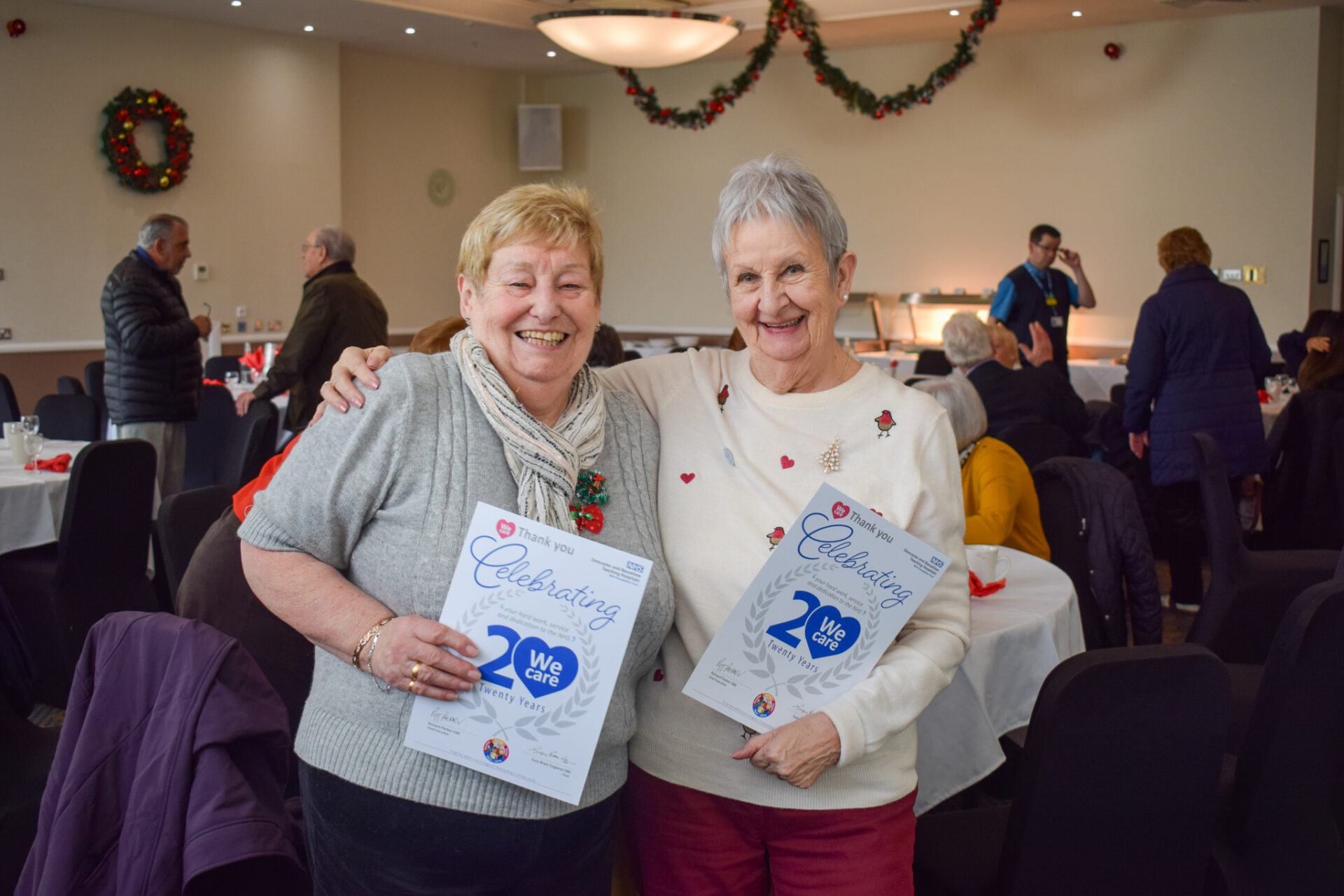
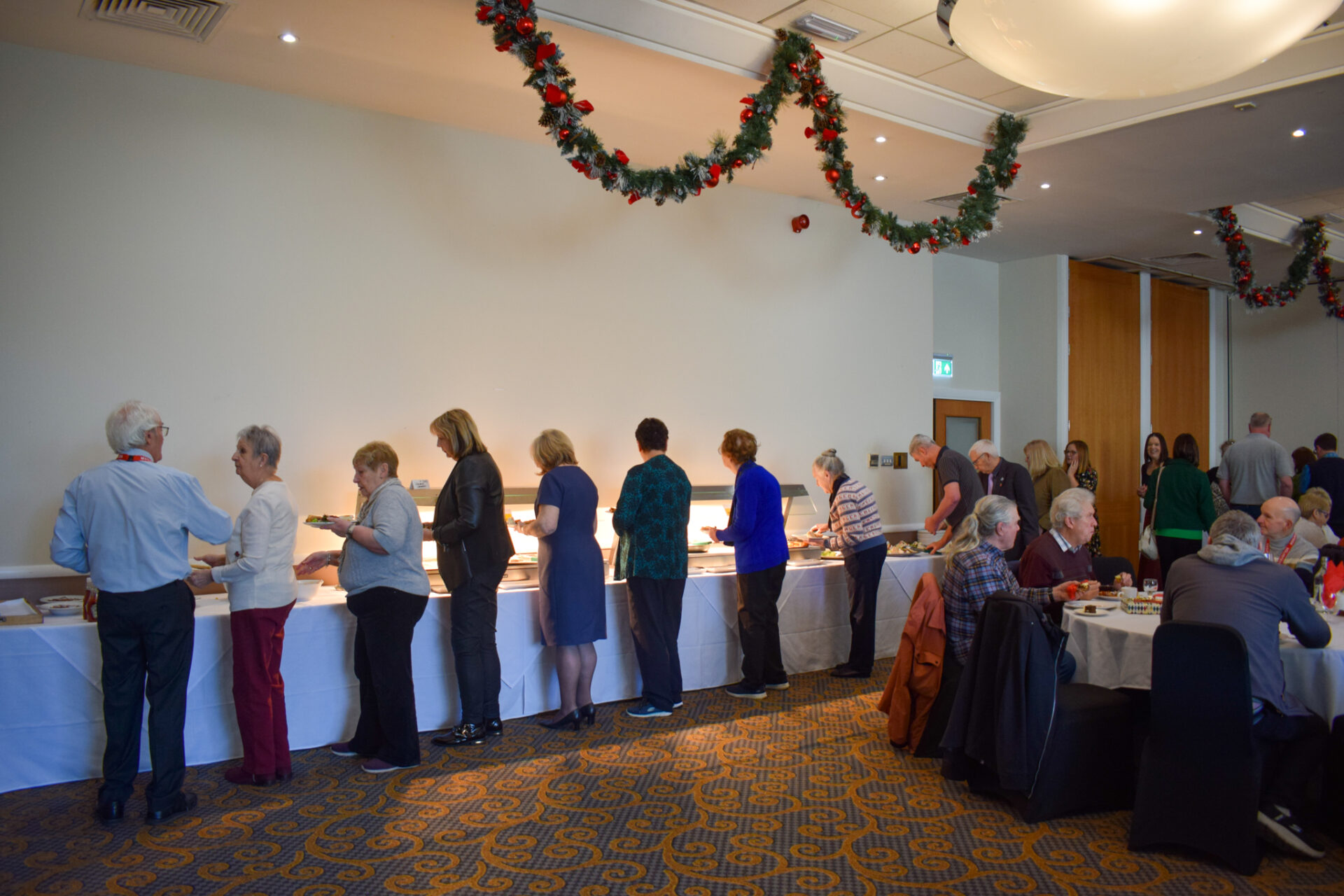
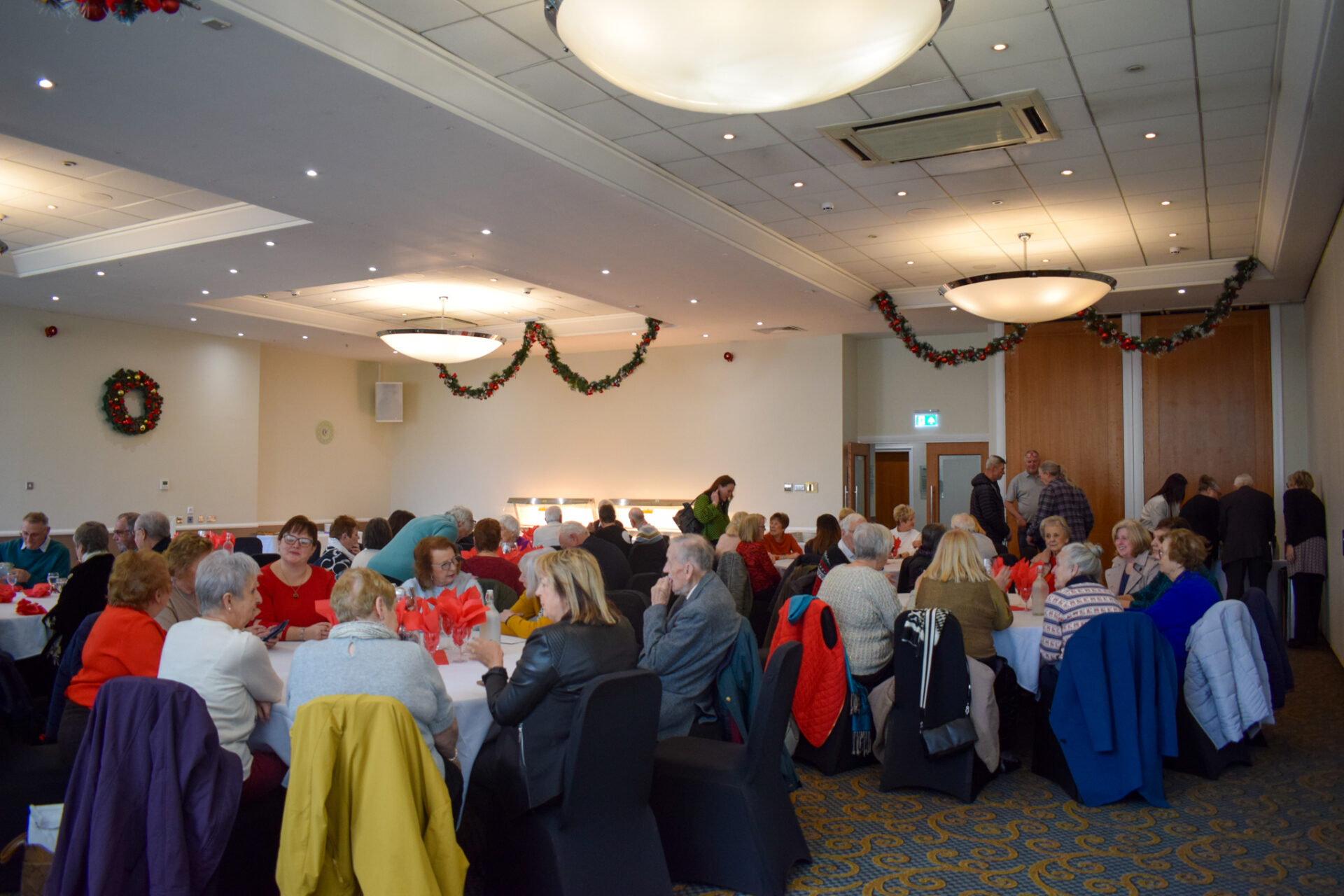
Hosted by Suzy Brain England OBE, Chair of the Board, the event took place at the Holiday Inn in Warmsworth and welcomed volunteers from Doncaster Royal Infirmary, Bassetlaw Hospital and Montagu Hospital.
The room was filled with festive cheer as volunteers enjoyed seasonal treats, caught up with friends, and heard heartfelt thanks for the difference they make every single day.
There are around 120 volunteers who generously support the Trust in a wide variety of roles. From welcoming people at help desks and escorting patients and visitors around hospital sites, to supporting busy clinics, acting as ward companions, helping in relatives’ rooms, coffee shops and patient libraries, and distributing flowers and magazines, volunteers play a vital part in the day-to-day life of the Trust’s three hospital sites.
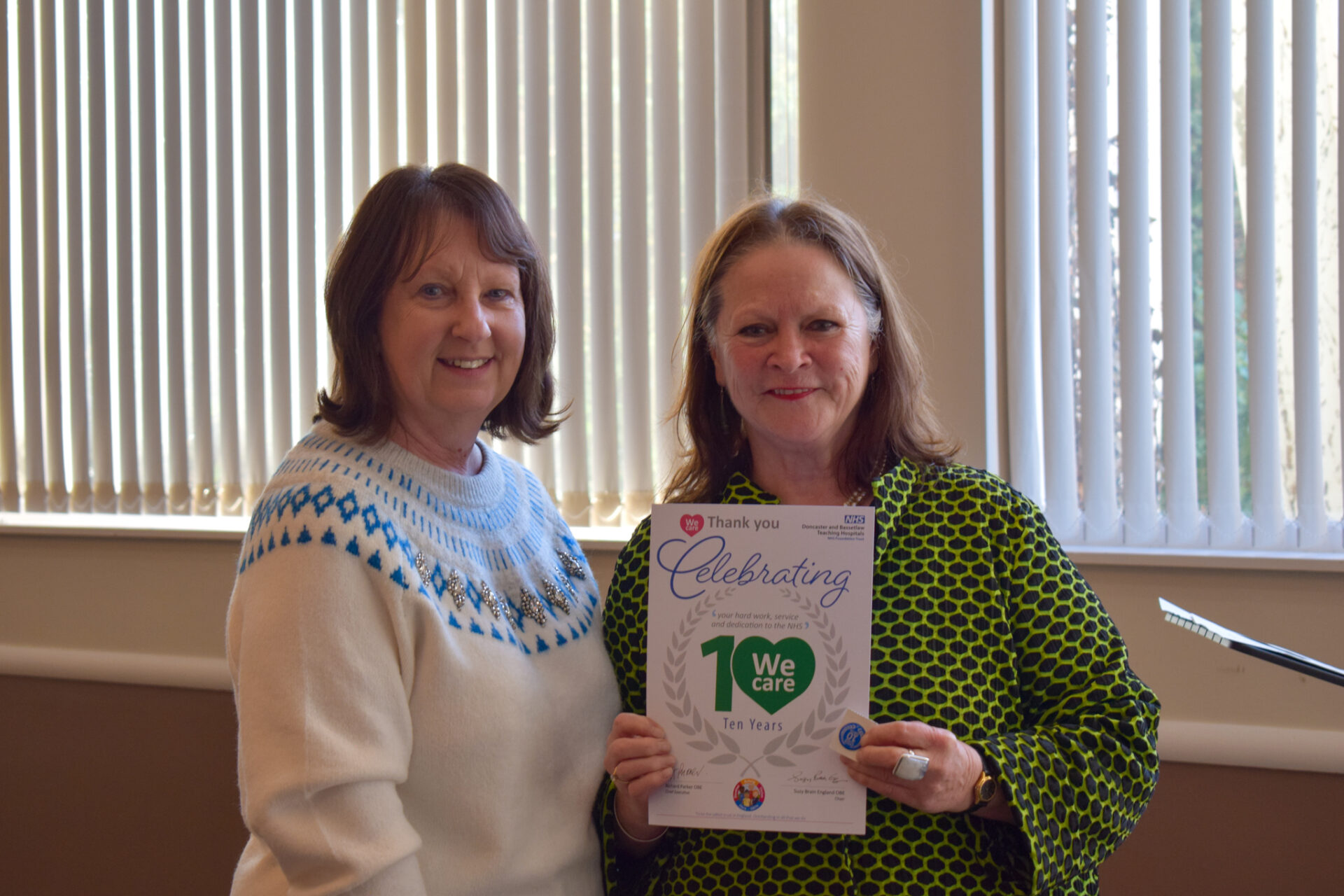
Sharing her appreciation, Suzy Brain England OBE, Chair of the Board, said: “Volunteers are woven into the very fabric of our NHS – everyday people doing extraordinary things. They bring warmth, support and reassurance into our hospitals, often at the moments when patients, families and colleagues need it most.
“Being able to thank such a remarkable group in person, and as one of my final events as Chair, is a true privilege.”
Those interested in becoming a volunteer at DBTH can find out more on the Trust’s website or by contacting the Voluntary Services Team.
Content out of date? Information wrong or not clear enough? Report this page.
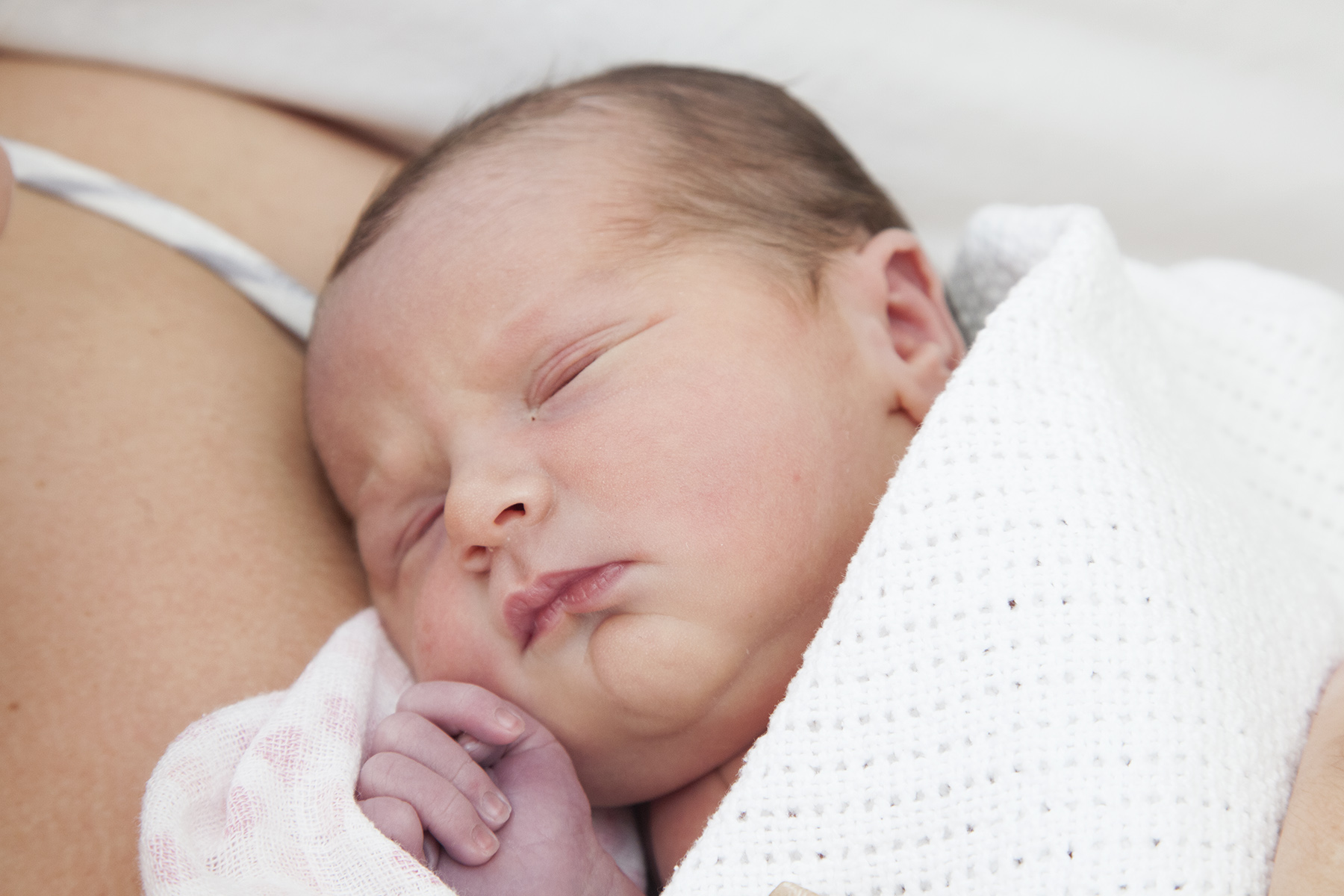
This year, over 100 people took part in the survey, and their responses indicate that local service users continue to report experiences broadly comparable with maternity services nationwide. The Trust supported the births of 4,280 babies last year, reflecting the scale and importance of maternity care across Doncaster and Bassetlaw.
The survey highlighted several encouraging outcomes. No questions fell into the “much worse”, “worse” or “somewhat worse” categories compared with other organisations. 54 questions were rated about the same as most, while one scored somewhat better than average and two were rated better than most.
Compared with last year’s results, which included two questions rated below expected levels, this year’s findings reflect continued progress and a stable, positive experience of care for local families.
Lois Mellor, Director of Midwifery, said: “We welcome the findings of this year’s survey and are reassured to see that service users continue to report experiences consistent with maternity services nationally. Our teams work incredibly hard to provide safe, compassionate care, and we are proud that this has been reflected in these results.
“We want to hear from as many families as possible when the survey is next issued from April 2026. Your feedback helps us understand what is working well and where we can make further improvements.”
Recent public comments shared with the Trust further highlight the dedication and compassion of DBTH midwives.
“The midwives who cared for me were amazing. Their compassion and reassurance made a frightening time so much easier.”
“A midwife picked up on something that didn’t seem right and kept investigating. Her persistence made a huge difference to our baby’s health. We’ll never forget her.”
“We had the same midwife for both our children, 17 years apart. Her support meant everything, and she’s been part of our journey as a family.”
These reflections show the lasting impression midwives make, and the value local communities place on their care, continuity and commitment.
For more information about maternity services at DBTH, please visit: https://www.dbth.nhs.uk/services/maternity/
Content out of date? Information wrong or not clear enough? Report this page.
We are incredibly proud of our hospitals, our services and the colleagues who deliver them.
Our hospitals are a reflection of the communities we care for – they are made up of your neighbours, your friends, your families and, often, you yourselves. As a Trust, we are here to serve you, and we want you to feel confident and supported if you ever need to raise a concern, ask a question or tell us something doesn’t feel right.
We know that even with the best intentions, things can sometimes fall short of what you expect. If you or a loved one has a concern, please let us know directly so we can understand what has happened and respond with care.
You can speak to a member of the team, or contact our Patient Advice and Liaison Service (PALs), who are here to listen and help:
- Telephone: (01302) 642764
- Freephone: 0800 028 8059
- Email: dbth.pals.dbh@nhs.net
Sharing concerns with us through these routes ensures we can look into them fully and provide the support, explanation or action that may be needed. We want to hear from you in the ways that allow us to understand your experience clearly and work with you to resolve any issues.
When issues are raised, they are reviewed through the proper processes and in line with national guidance. Where necessary, we involve independent specialists with no connection to the hospital to ensure fairness, transparency and objectivity.
Our focus is on learning, improving and maintaining the trust you place in us.
We move forward by listening to the experiences of our patients, families and local people – through open conversations that help us understand how we can do better.
Your voice genuinely matters. The more we hear from you, the stronger and safer our services become. Thank you for your continued trust, and for working with us to care for the communities we all belong to.
Content out of date? Information wrong or not clear enough? Report this page.