
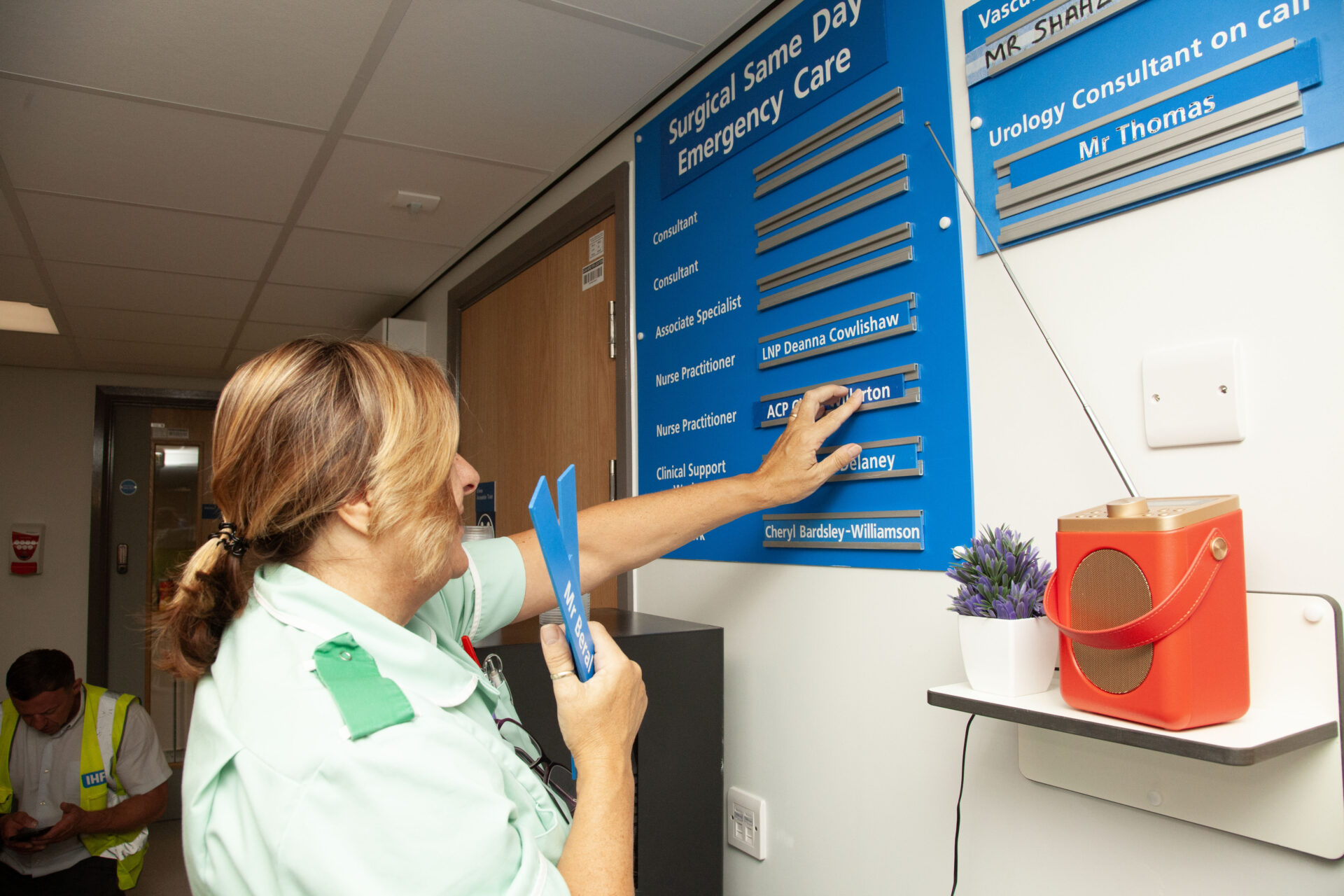
The unit is designed for patients who need urgent surgical assessment, tests, or treatment but are likely to be well enough to go home the same day.
Now located on Level 2 (ground floor), just a short walk from the site’s main entrance and the Outpatient 1 and 2 entrances, the unit is easier to access for patients and visitors.
The relocation is part of a £19.8 million regeneration programme designed to modernise and future-proof DRI’s estate. The bright and contemporary space offers 12 waiting room chairs for referred patients and creates a welcoming environment for both patients and colleagues.

Importantly, this move unlocks further estate improvements across the site by freeing up space in the unit’s previous location for the planned construction of a new Department of Critical Care. It follows other recent upgrades, including the opening of the refurbished Discharge Lounge in July 2025.
Dr Kirsty Edmondson Jones, Director of Infrastructure at DBTH, said: “As part of our Strategic Ambition to provide the best care environments, relocating the Surgical SDEC is a significant step in modernising our facilities and addressing the needs of our ageing infrastructure.
“By investing in accessible, and modern spaces, we are not only improving the experience for patients and colleagues today but also creating the foundations for major developments in the future.”

Deanna Cowlishaw, Lead Advanced Clinical Practitioner for the Surgical SDEC, said: “The new unit is easy to find and offers a refurbished and comfortable setting for patients. It’s a positive change for the team and the people we care for, and we’re looking forward to further settling into our new home.”
The refurbished facility will now serve as the permanent base for Surgical SDEC at DRI. To mark its opening, colleagues from the service joined members of the Capital Planning Unit, including Dr Kirsty Edmondson-Jones, and construction partners for a ribbon-cutting ceremony before welcoming the first patients.

How to find the new Surgical SDEC at DRI:
- From Gate 4: Enter via the main entrance in the East Ward Block. Walk through the foyer towards the lifts, then turn right and follow the corridor. The department is on the left-hand side, halfway along the corridor.
- From Gate 3: Enter via the Outpatient 1 and 2 entrance. Go through the double doors in the far left corner, then take the corridor to the left. The department is on the right-hand side, halfway along the corridor.
For more information on how DBTH is improving its hospital environments, visit: www.dbth.nhs.uk/improving-our-hospitals
Content out of date? Information wrong or not clear enough? Report this page.
Run by the Respiratory team at Doncaster and Bassetlaw Teaching Hospitals (DBTH), the clinic acts as a “one-stop shop” for the diagnosis and treatment of pleural effusions, a condition where excess fluid builds up around the lungs.
This fluid collects in the pleural space – the area between the two thin layers of tissue (the pleura) that line the lungs and chest wall – making it harder to breathe and often requiring medical intervention, particularly in patients with lung cancer.
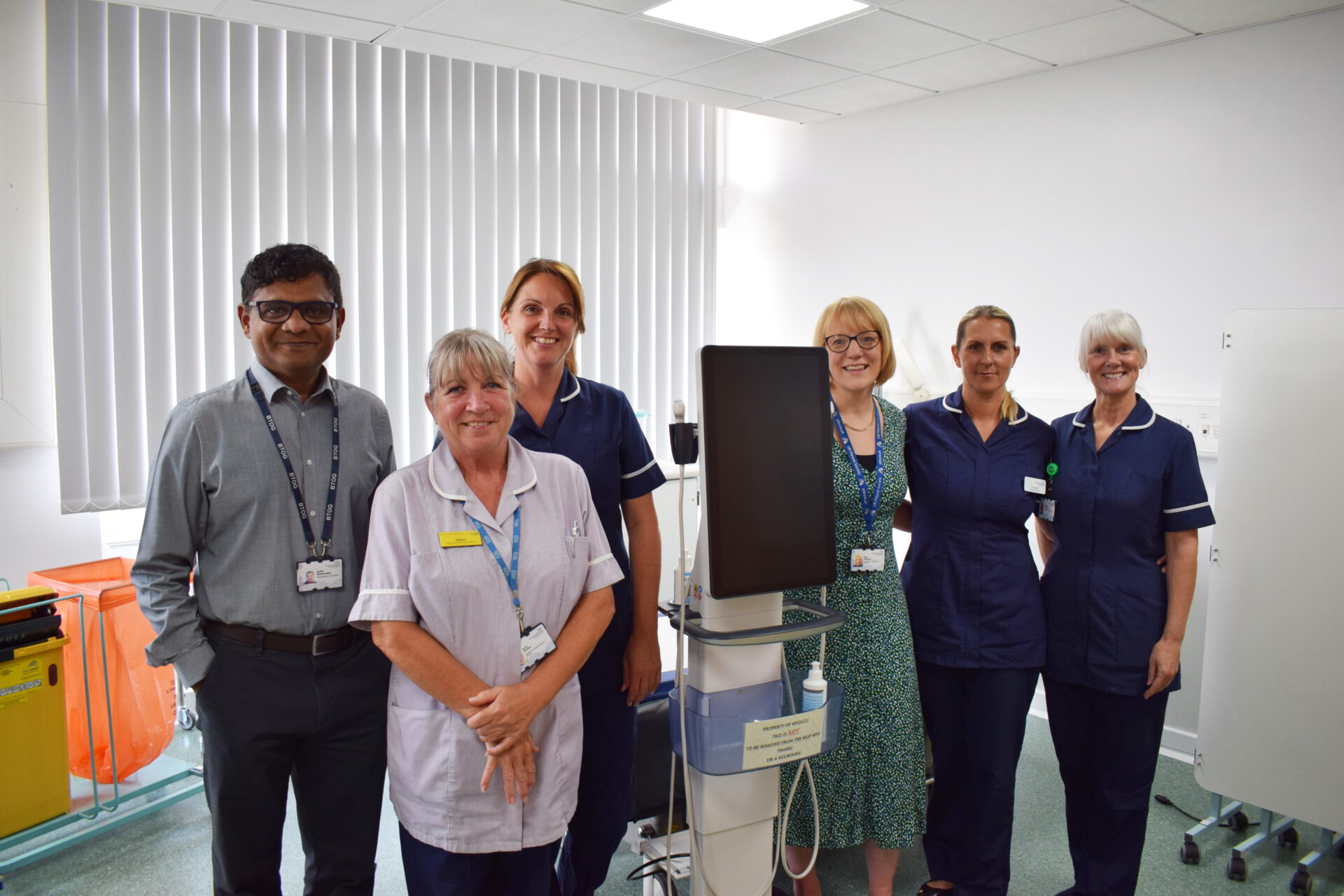
The DCDT funded a new chest ultrasound machine for the hospital, enabling quicker diagnosis and treatment of pleural effusions.
In July, the first official clinic took place, welcoming patients from both DRI and Bassetlaw Hospital.
The new service marks a significant step forward in how patients with pleural effusions are cared for. Previously, many individuals were admitted through emergency pathways, often requiring multiple investigations and extended hospital stays. Now delivered as a planned outpatient service, the pleural clinic brings together diagnosis and treatment in one setting.
This approach allows for quicker access to care, reduces the need for inpatient admission, and offers a more comfortable experience for patients, who are able to remain at home between appointments. It also supports the more efficient use of hospital resources.
Dr Ailsa Holbourn, Respiratory Consultant at DBTH, said: “This has only been possible thanks to the generosity of the Doncaster Cancer Detection Trust and the unwavering commitment from the colleagues involved. Providing timely, efficient treatment is always our goal, and this clinic helps bridge a critical gap in care for patients with pleural effusions.
“Initially, we’re accepting referrals from patients within the Respiratory and Lung Cancer teams, but we hope to expand access to Oncology, the Acute Medical Unit, and the Emergency Department. Ultimately, our aim is to also open up referrals from primary care, including local GPs.”
The launch of the pleural clinic represents a major step forward in improving care for cancer patients across Doncaster and Bassetlaw. With continued support from charitable partners like DCDT, and the dedication of NHS professionals, the Trust remains committed to delivering innovative services that enhance patient outcomes and experience.
This development builds on a number of recent improvements across the organisation, including the opening of a new Discharge Lounge at Doncaster Royal Infirmary to support patient flow and comfort, as well as the launch of the Community Diagnostic Centre at Montagu Hospital – bringing faster access to tests and scans closer to home for thousands of local people.
Content out of date? Information wrong or not clear enough? Report this page.
Lung Cancer Screening (LCS) launched in Doncaster in 2021 as one of 10 national pilot areas. It’s now expanded across South Yorkshire and Bassetlaw, aiming to catch lung cancer early and tackle health inequalities. The success of the pilots means it’s on track to become a national programme by 2029.
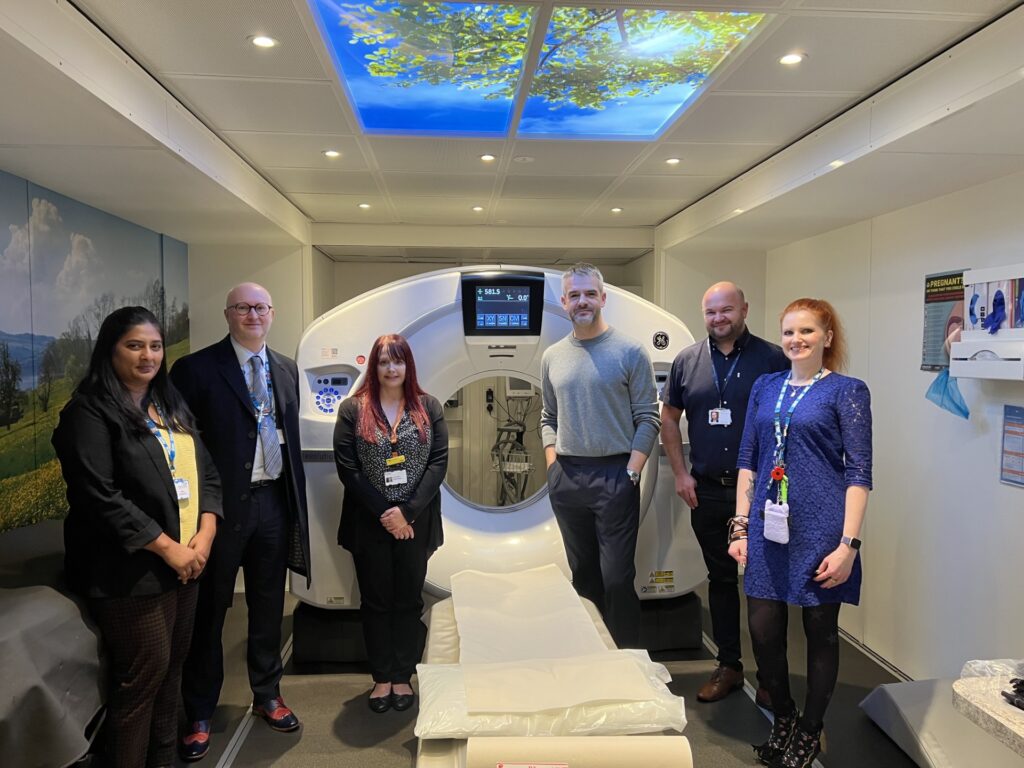
If you’re aged between 55 and 74, and currently smoke or used to, and are registered with a GP in SYB, you’ll receive a letter inviting you for a Lung Health Check.
Dr Jason Page, LCS Clinical Director in SYB, said: “Now we are established in Sheffield and returning to our other areas, we have a better understanding of our eligible population and any barriers to them attending their appointments.
“A common barrier for people is feeling anxious about having a scan. LCS is in two parts: the Lung Health Check, which is a telephone conversation with a healthcare professional who will ask you questions to determine your risk of developing lung cancer. Only if your risk score meets a certain threshold will you be referred for the second part, a scan. It’s a misconception that if you are eligible for LCS you will automatically have a scan, when only around 50% of people who have a Lung Health Check will be referred for one.
“We want our SYB residents to be well informed about LCS, so have produced a video that follows the process and walks you through what happens at a scan appointment. We’re very proud of it and truly hope it helps people.”
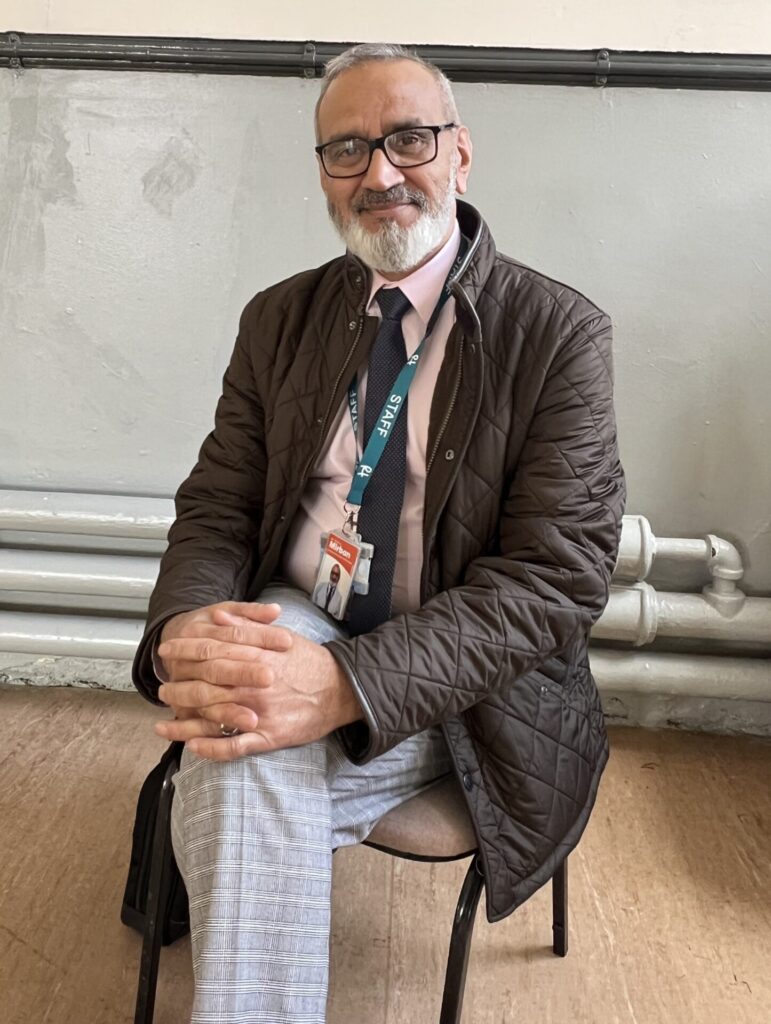
The video also features Rotherham resident Mirban Hussain, who attended his LCS appointment in 2023, was referred for a scan, and had a cancerous nodule removed. Mirban said: “I’m so thankful I went to my LCS appointment and I’m so thankful for what it’s done for me and my family.
“If you do get an invite, please, please, please go for your check. It saved my life.”
Watch the 4-minute video here: https://youtu.be/DE257Iz41F4
Content out of date? Information wrong or not clear enough? Report this page.
Respiratory syncytial virus (RSV) is a leading cause of infant mortality around the world and a main cause of child hospitalisations every year – with almost 7,000 bed days taken up by children with RSV last winter in England (6,815 from 25 November 2024 – 30 March 2025).
The Australian winter is often a good predictor of how viruses will spread in England, and following the highest number of RSV cases on record last year in Australia, cases have been steadily increasing since the start of 2025 in many areas, with almost half of RSV cases in children aged 0 to 4 years.
England’s chief midwife is today urging eligible pregnant women from 28 weeks to speak to their maternity services about getting vaccinated to ensure their babies are protected ahead of their first winter months.
Kate Brintworth, chief midwifery officer for NHS England, said: “While for most adults RSV only causes mild, cold like symptoms, for older adults and young children it can lead to serious breathing problems that can end up in hospitalisation.
“Getting vaccinated while pregnant is the best way to protect your baby from the moment they are born, and now is the time for mums to act, to make sure their babies are protected ahead of their first few months this winter, when there tends to be more bugs circulating.”
The RSV vaccine was offered to pregnant women in England for the first time last September and has now helped to protect more than 300,000 mothers and babies.
Thanks to the hard work of GP and maternity services, vaccination teams and pharmacies across the country, NHS staff have now delivered more than two million RSV vaccinations to eligible people since the rollout kicked off (2,061,474).
Pregnant mums from 28 weeks onwards can access the RSV jab through their maternity services or via their local GP practice.
Older adults aged 75 to 79 years old are also eligible, and across the coming weeks NHS England will send invites to over one million people via letter, text, email or NHS App notifications, to remind those eligible to come forward.
Health Minister Karin Smyth said: “I am proud that this government introduced the RSV vaccination programme for pregnant women last year, to protect babies against this disease.
“Getting the RSV vaccine while pregnant is the most effective way to protect your newborn from getting seriously ill with RSV in their first few months of life.
“That is why I encourage everyone who is eligible for the vaccine to come forward when asked, or contact your maternity service or GP practice to make an appointment from week 28 of pregnancy, to help give your child the best possible start in life.”
New research from the UK Health Security Agency (UKHSA) has found the RSV vaccine is around 82% effective in preventing older people being hospitalised with an RSV infection, and another study by NHS paediatricians found that the maternal vaccine is 72% effective in preventing hospitalisation for newborns whose mothers are vaccinated more than 14 days before delivery.
Greta Hayward, Consultant Midwife at the UK Health Security Agency, said: “Having the RSV vaccine during every pregnancy is the best way for women to protect their newborn against RSV, as the vaccine boosts their immune system to produce more antibodies against the virus, and these then pass through the placenta to help protect their baby from the day they are born. RSV infects around 90% of children in their first two years of life.
“The RSV season usually starts in October and while there is no risk-free birth month, babies born in late summer or the autumn are most likely to be admitted to hospital. Hundreds of babies attend Emergency Departments each day for bronchiolitis through most of November and December. That is why it is so important that over the summer pregnant women reaching 28 weeks of pregnancy, ensure they are vaccinated as soon as possible.”
Vaccinations to protect against flu and whooping cough are also recommended to women during pregnancy to further protect the health of the mother and their baby.
Around 100 community pharmacies in the East of England and the Midlands are also now delivering the RSV vaccine, with NHS England planning to expand this offer to up to 150 additional pharmacies across the country, focusing on areas where access is limited to make it as easy as possible for eligible people to receive their jabs.
Many of the additional community pharmacy sites will also be offering the pertussis (whooping cough) vaccine to eligible pregnant women, helping to improve uptake and free up GP appointments each year.
National Childbirth Trust (NCT)’s Head of Service Development, Maxine Palmer, said: “It’s positive to see the NHS taking action to raise awareness of the risks of RSV to newborn babies.
“Expectant parents need clear and accurate information about vaccinations during pregnancy, so they can make their own informed decisions about their health and the health of their baby.
“We recommend all parents speak to their midwife or doctor to discuss their options and to learn more about preventing, recognising, and treating illness and infection during pregnancy.”
NHS England is rolling out the one-off injection medication, nirsevimab, from late September to provide protection against RSV for eligible high-risk and very preterm babies who are born too early to be protected by the RSV vaccine offered to pregnant women.
Parents should also ensure their children are up to date with their routine NHS vaccinations to protect against infections including HPV, meningitis and measles, mumps and rubella (MMR). For children and young adults up to 25 years old, please speak to your GP about catch-up vaccination options.
Content out of date? Information wrong or not clear enough? Report this page.
Around one to two per cent of people are affected by inflammatory arthritis and many are treated with new medications known as biologics – targeted drugs made from living cells that help reduce inflammation by acting on the immune system.
Many individuals are choosing to start a family while using biologics, but how effective and safe they are in the second half of pregnancy, and after birth, is not yet fully understood.
The MAMA (Monoclonal Antibody Medications in Inflammatory Arthritis) Study will investigate the effects of two different care pathways: continuing biologic medication throughout pregnancy, or stopping biologic medication before 28 weeks’ gestation and restarting no earlier than two weeks after delivery.
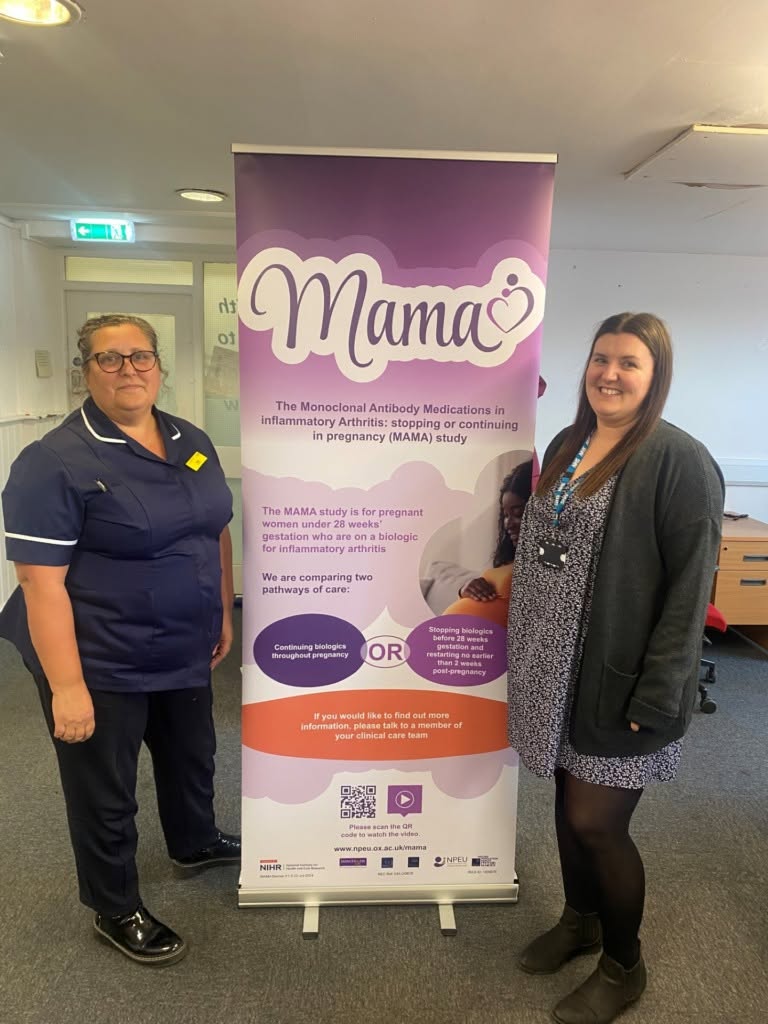
Dr Chee-Seng Yee, Consultant Rheumatologist and Principal Investigator for the study at DBTH, said: “Many patients with inflammatory arthritis are getting pregnant. It is important to manage arthritis well during pregnancy because active inflammation can lead to worse outcomes in pregnancy.
“Currently, more patients with inflammatory arthritis treated with biological therapy have the treatment continued during pregnancy.
“There is still limited evidence about the safest way to manage inflammatory arthritis during pregnancy, particularly when using biologics, and this research will help us give expectant mothers clearer, evidence-based guidance in the future.”
Launched in February 2025 and run by the National Perinatal Epidemiology Unit Clinical Trial Unit (NPEU CTU) at the University of Oxford, the study is open to individuals who are less than 28 weeks pregnant and currently taking biologic medication to manage their condition.
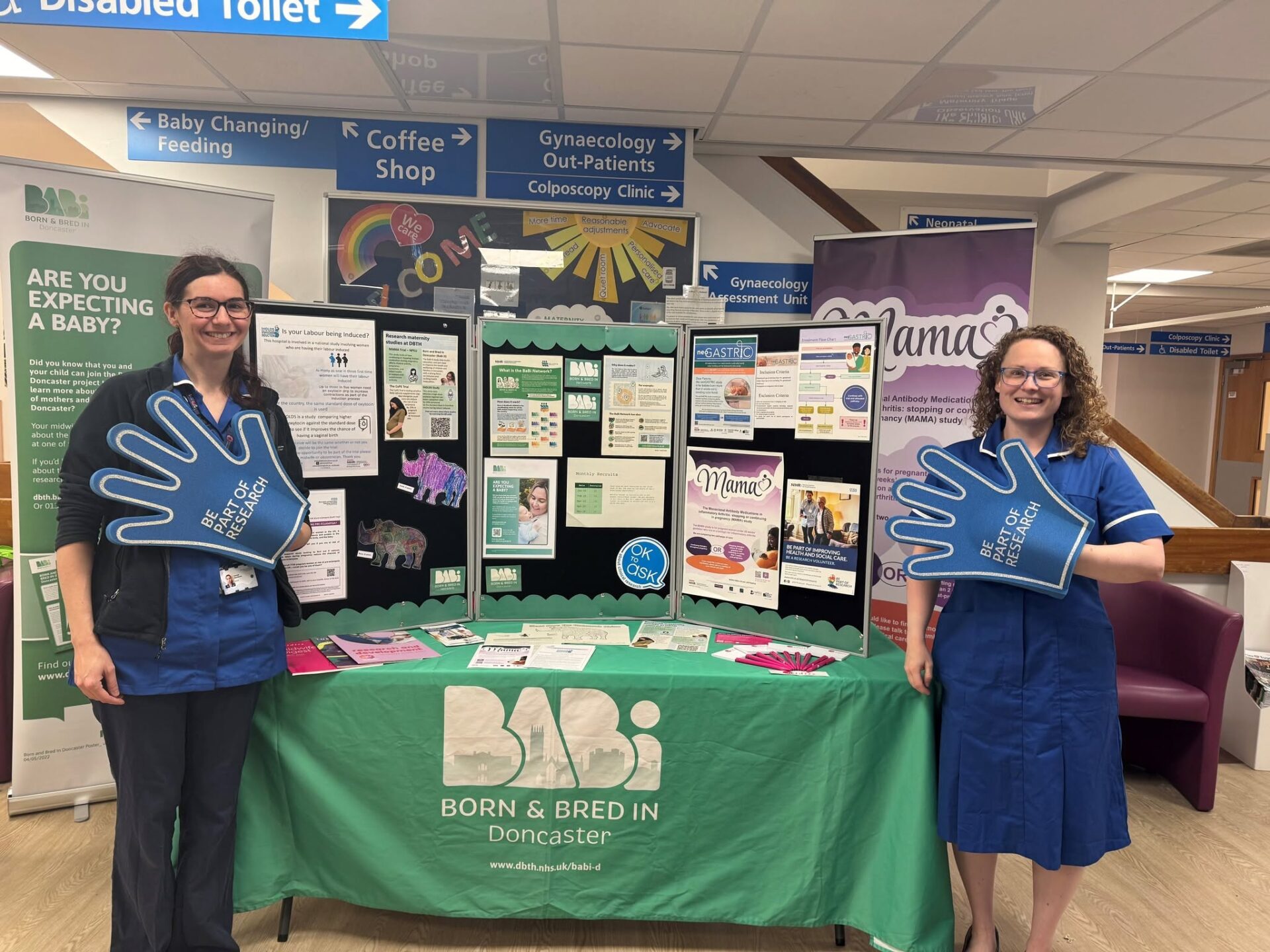
DBTH is one of eight participating hospital sites across the nation and the NPEU hope to increase this to 35, with a goal of 328 recruits overall.
Researchers hope this study will provide important insights into the safety and outcomes of biologic use in pregnancy and help inform future clinical guidance.
Hannah Beardmore, Research Midwife at DBTH, said: “This study is a great example of collaboration between research teams, clinicians and patients. By taking part, expectant mothers are helping us answer important questions that could improve care for pregnant women with inflammatory arthritis for years to come.”
If you are pregnant and have inflammatory arthritis, and are interested in learning more about the study, please speak to a member of your clinical care team or visit the MAMA Study website: https://www.npeu.ox.ac.uk/mama
Content out of date? Information wrong or not clear enough? Report this page.
The first is asking for your views on how many cycles of IVF should be provided to people in South Yorkshire. You can find out more here or take the survey here
The second is asking for your views on how much gluten-free bread and bread-mix produce should be prescribed to people in South Yorkshire. You can find out more here or take the survey here
The NHS will make a decision on whether to change either of these things at their Board Meeting in Public on Wednesday 5th November.
If you have any queries or would like any further information, or to request for us to come out and talk to one of your community meetings to gather views face to face, please email: syicb.involve@nhs.net
Content out of date? Information wrong or not clear enough? Report this page.
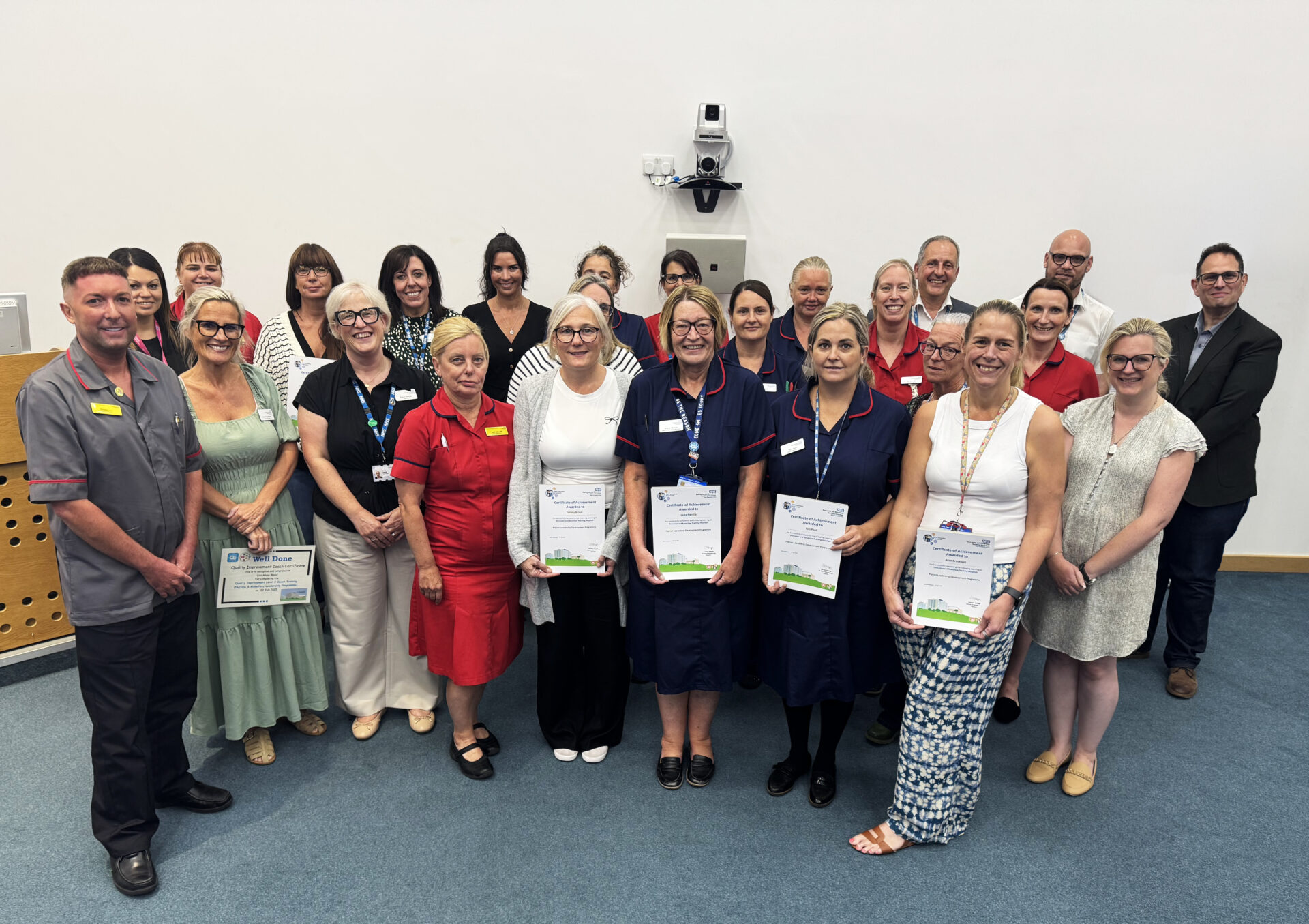
The graduation ceremony, which took place earlier this month at Doncaster Royal Infirmary, focused on the value of inclusive, high-quality leadership across all parts of the organisation.
As part of the programme, participants shared improvement projects they had designed and delivered. These projects were the final task of the six-month course and aimed to make a real difference to how care is delivered at DBTH.
Each project followed Quality Improvement methods – a way of working that helps teams find better, safer, and more efficient ways of delivering care. Many also looked at reducing health inequalities, which means making sure that everyone has fair access to the same high standard of care, regardless of their background or personal circumstances.
Each project was based on the ‘DBTH Way’ – a simple set of expectations that remind everyone how to treat each other, work well as a team, and provide patients the best care possible.
Professor Sam Debbage, Director of Education and Research at DBTH, said: “The programme forms part of a wider commitment by DBTH – it aligns with the Trust’s recently refreshed strategy, Healthier Together: Delivering Exceptional Care for All and one of our four Strategic Ambitions: To become a leading centre for research and education.
“We aim to enhance patient care through providing our colleagues with opportunities to receive high quality mentoring and support through initiatives like the Senior Leadership Programme. This six-month course has offered senior clinicians access to professional guidance that not only allows them to grow in their careers but also to make crucial improvements to working practices.”
Karen Jessop, Chief Nurse at DBTH, said: “Congratulations to all the graduates on their remarkable achievements. We look forward to seeing the continued positive impact of their leadership and projects for the benefit of patients and our communities.”
Further cohorts of the Senior Nursing and Midwifery Leadership Programme are planned, continuing the Trust’s commitment to growing strong and effective leaders.
The Trust also offers a broad range of leadership and development opportunities, including coaching, group learning sessions, and support to build positive and collaborative teams which exhibit the DBTH Way.
Research and improvement tools are also available, such as the Chief Nurse Research Internship and Team Engagement and Development (TED) – a practical toolkit that helps teams identify what’s working well and what could be better.
To learn more about research and innovation at DBTH, visit: https://www.dbth.nhs.uk/research-and-innovation/
Content out of date? Information wrong or not clear enough? Report this page.
This is only the second change since 2016, with the most recent update taking place in 2023. Charges remain competitive and have been benchmarked against other local and regional providers.
The new public parking tariffs will be:
- Up to one hour: £2.00
- Up to two hours: £3.20
- Up to four hours: £4.70
- Up to six hours: £6.80
- Over six hours (daily rate): £8.90
Charges apply seven days a week at Doncaster Royal Infirmary, Bassetlaw Hospital and Montagu Hospital, including bank holidays.
Free parking is available for patients and visitors who meet certain criteria.
Find out more about our concessionary travel arrangements here.
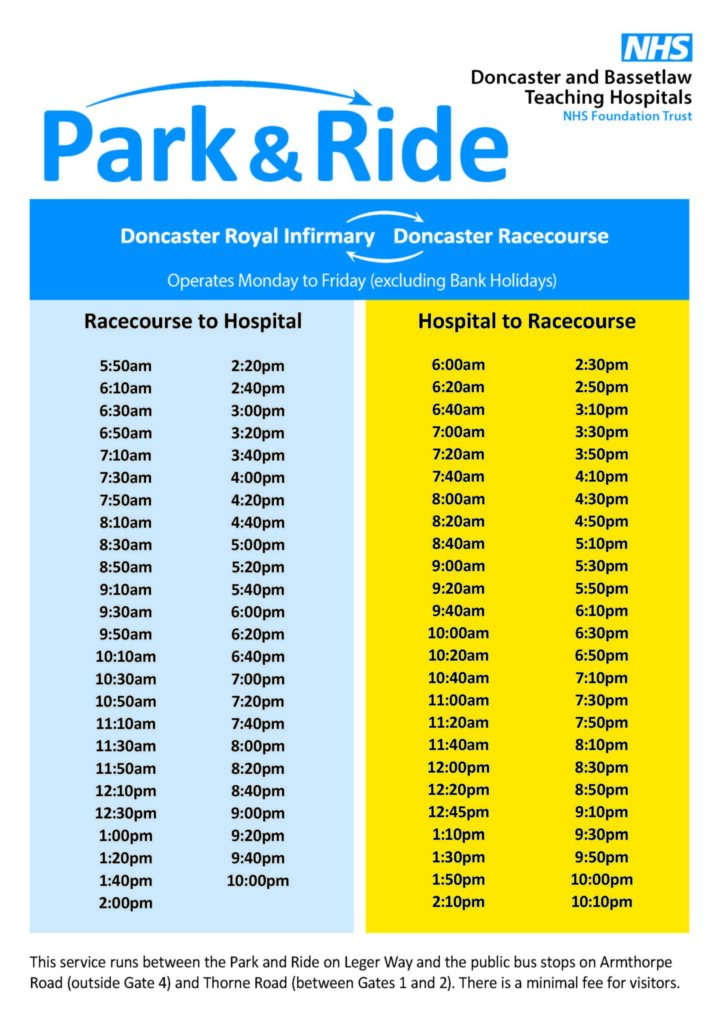
To further support access, the Trust operates a Park and Ride service between hospital sites and from Doncaster Racecourse, with shuttles running approximately every 20 minutes during the week excluding bank holidays.
Content out of date? Information wrong or not clear enough? Report this page.
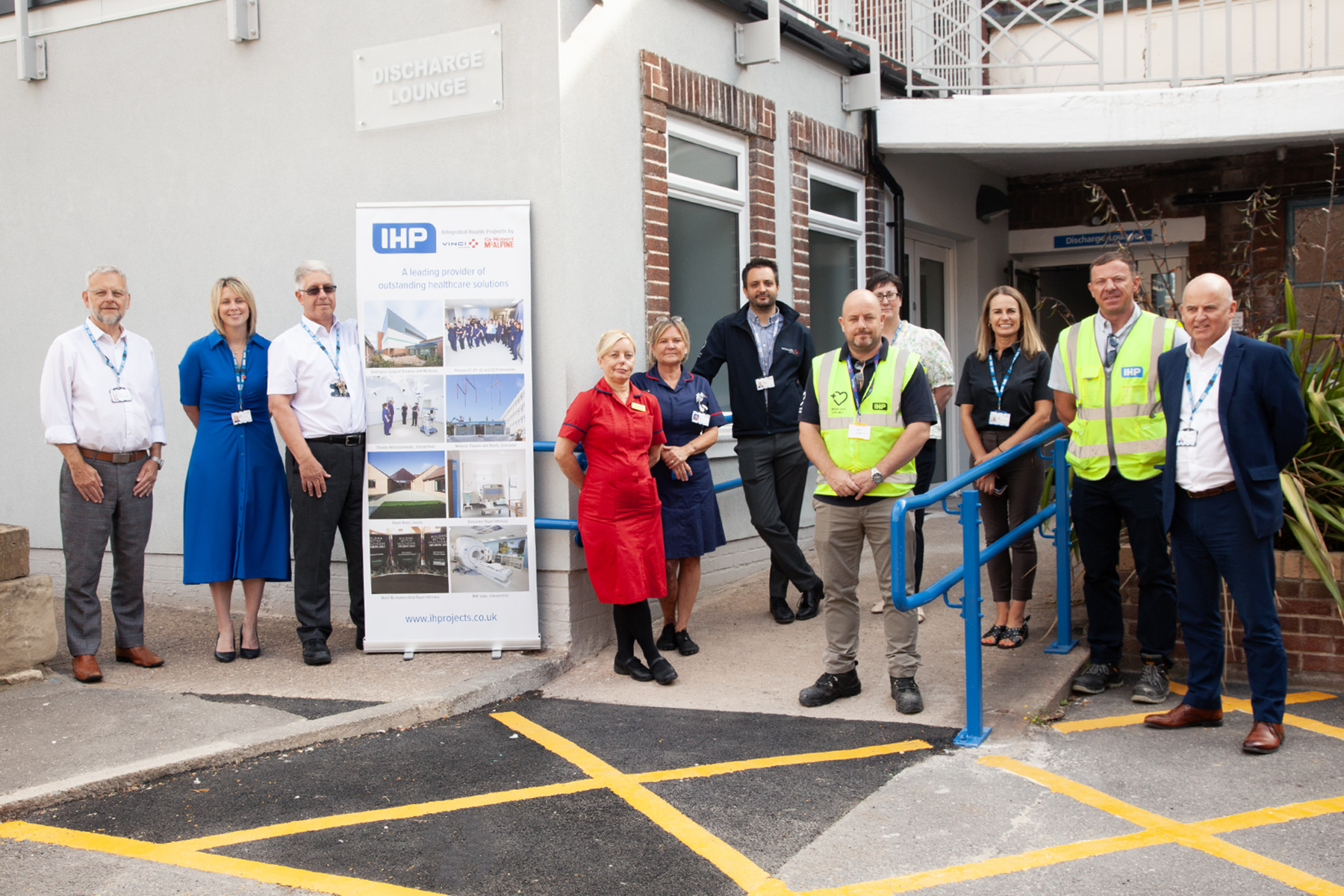
Previously situated to the rear of the hospital site, the Discharge Lounge has now moved to a newly refurbished space within the West Ward Block at DRI, accessed via the Thorne Road entrance. The department welcomed its first patients on Monday 28 July 2025.
The new location offers improved access to transport links, including local bus services and the Park and Ride shuttle, with stops conveniently located on Thorne Road.
For those being collected by car or taxi, a dedicated patient pick-up area is available, alongside parking for community service vehicles transferring patients to ongoing care providers.

A Discharge Lounge is a designated area within larger hospitals such as the DRI that help to improve patient flow by freeing up inpatient beds for patients waiting to be admitted. The facility provides a safe, comfortable space for patients who are clinically ready to leave the hospital while they wait for transfer home or to a community setting.
The new department is a modern, welcoming space which is suited to the needs of all patients. Having a soothing colour scheme, it has carefully selected decorative murals that depict Doncaster landmarks and local landscapes.
The spaces have been designed with input from clinicians specialising in dementia care, helping patients confidently navigate their surroundings, including a large mural of a bus near the exit, which acts as a visual cue to their onward journey.
Providing both bed and seated areas, the Discharge Lounge is supported by a dedicated team specialising in the safe and effective transition from hospital to home or onward care.
Sam Sidwell, Head of Patient Flow, said: “The Discharge team is delighted that our patients can benefit from this improved and welcoming environment before they return home or on to further support within the community.”
To mark the opening, colleagues from the Discharge Lounge, the Capital Planning project team, and construction partners were joined by Richard Parker OBE, Chief Executive, Denise Smith, Chief Operating Officer, and Suzanne Stubbs, Deputy Chief Operating Officer at DBTH.
Denise said: “This is a fantastic new facility for the Trust, offering patients a more comfortable and supportive environment as they prepare to leave our care.”
Dr Kirsty Edmondson-Jones, Director of Infrastructure at DBTH, said: “The completion of this redevelopment at Doncaster Royal Infirmary is an exciting step towards a new era of care at DRI. With the Discharge Lounge now complete, we can continue to enhance our clinical spaces in line with our Healthier Together strategy, ensuring we provide the very best environments for our patients.”
The Discharge Lounge is part of a wider £19.8 million investment at Doncaster Royal Infirmary, including the relocation of the Surgical Same Day Emergency Care department next month, and will pave the way for a new, purpose-built state-of-the-art Department of Critical Care.
Find out more about the ways the Trust is improving the places it delivers care on the DBTH website: www.dbth.nhs.uk/improving-our-hospitals
Content out of date? Information wrong or not clear enough? Report this page.
The RoSPA Health and Safety Awards are internationally recognised, celebrating organisations that demonstrate exceptional standards in health and safety management. They offer a benchmark for performance and reward those who consistently put safety first.
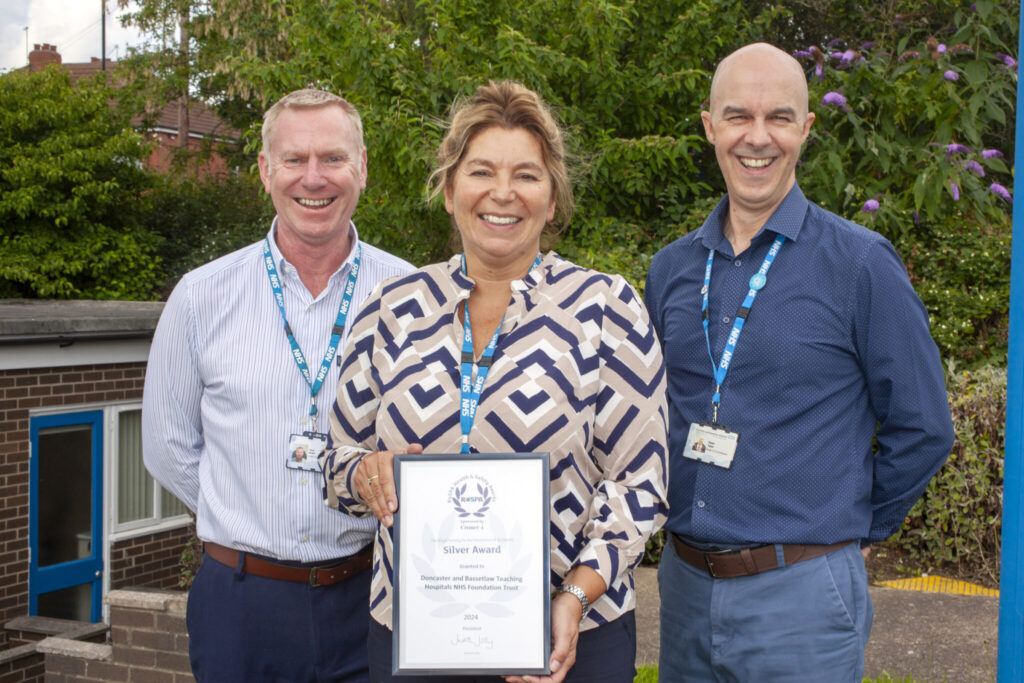
This is a particularly impressive achievement for the Trust, having been awarded Silver just 12 months ago. The Gold award reflects DBTH’s continued determination to lead by example, despite the well-known challenges of working within an ageing hospital estate.
Dr Kirsty Edmondson Jones, Director of infrastructure at DBTH, said: “Achieving Gold is absolutely amazing and a real reflection of the fantastic work happening every day across the Trust. It’s a huge achievement and highlights just how committed our teams are to creating a safe, high-quality environment for everyone who comes through our doors.”
Serving a population of more than 440,000 across South Yorkshire, North Nottinghamshire, and the surrounding areas, DBTH is one of only a handful Teaching Hospitals in Yorkshire. With more than 7,000 colleagues working across three main hospital sites and numerous community services, the Trust’s focus on safety is a key part of its mission to deliver outstanding care locally.
Julia Small, RoSPA’s Growth Director, said: “Doncaster and Bassetlaw Teaching Hospitals should be proud of the hard work and commitment to keeping people safe that has resulted in a RoSPA Award, which honours those organisations who have achieved the highest standards in health and safety in the workplace.
“RoSPA regards DBTH as a strong example of the importance of making accident prevention central to any successful organisation, not just for the benefit of employees, customers and clients, but also society as a whole.”

Sponsored by the National Examination Board in Occupational Safety and Health (NEBOSH), the RoSPA Awards scheme is the longest-running of its kind in the UK, and receives entries from organisations across the globe, making it one of the most sought-after achievement awards for the health and safety industry.
This latest recognition from RoSPA reinforces that commitment – and sets a strong foundation for continued improvement in the years to come.
Content out of date? Information wrong or not clear enough? Report this page.