
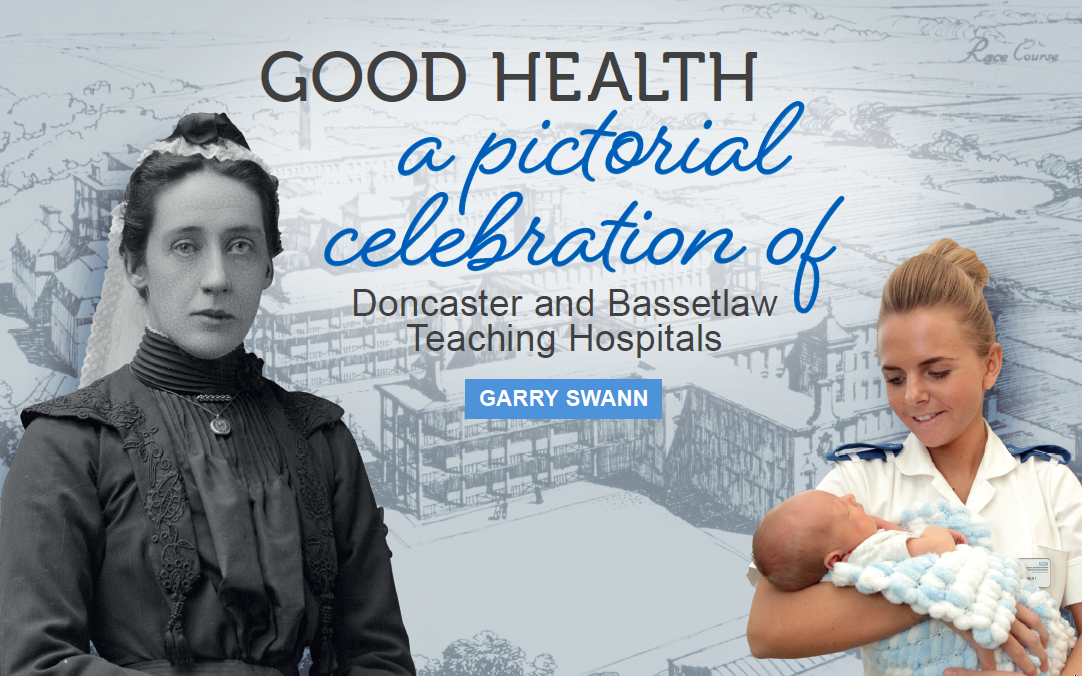
The remarkable story of Doncaster and Bassetlaw Teaching Hospitals has been painstakingly researched, documented and preserved by Trust Archivist Garry Swann, whose dedication has ensured the history of our hospitals is safeguarded for future generations.
Much of the history shared below has been drawn from Garry’s book, Good Health: A Pictorial Celebration of Doncaster and Bassetlaw Teaching Hospitals, which charts the evolution of our hospitals from their nineteenth-century beginnings through to the late 2010s. Richly illustrated with photographs, documents and stories from our archives, it provides a fascinating insight into the people, places and milestones that have shaped the Trust we know today.
You can read a digital copy of Good Health by accessing the PDF here.
The history of our Trust
The story of Doncaster and Bassetlaw Teaching Hospitals is not the story of a single hospital, but of three proud organisations, each with its own rich heritage, serving its own communities, and ultimately coming together to become one Trust.
For more than 150 years, hospitals across Doncaster, Mexborough, Worksop and Retford have cared for generations of local people. Their origins were remarkably similar. Long before the creation of the National Health Service, they were established through the determination and generosity of local communities, funded by charitable donations, subscriptions and fundraising to provide care for rapidly growing populations shaped by industry, mining and the railways. They were hospitals built by their communities, for their communities.
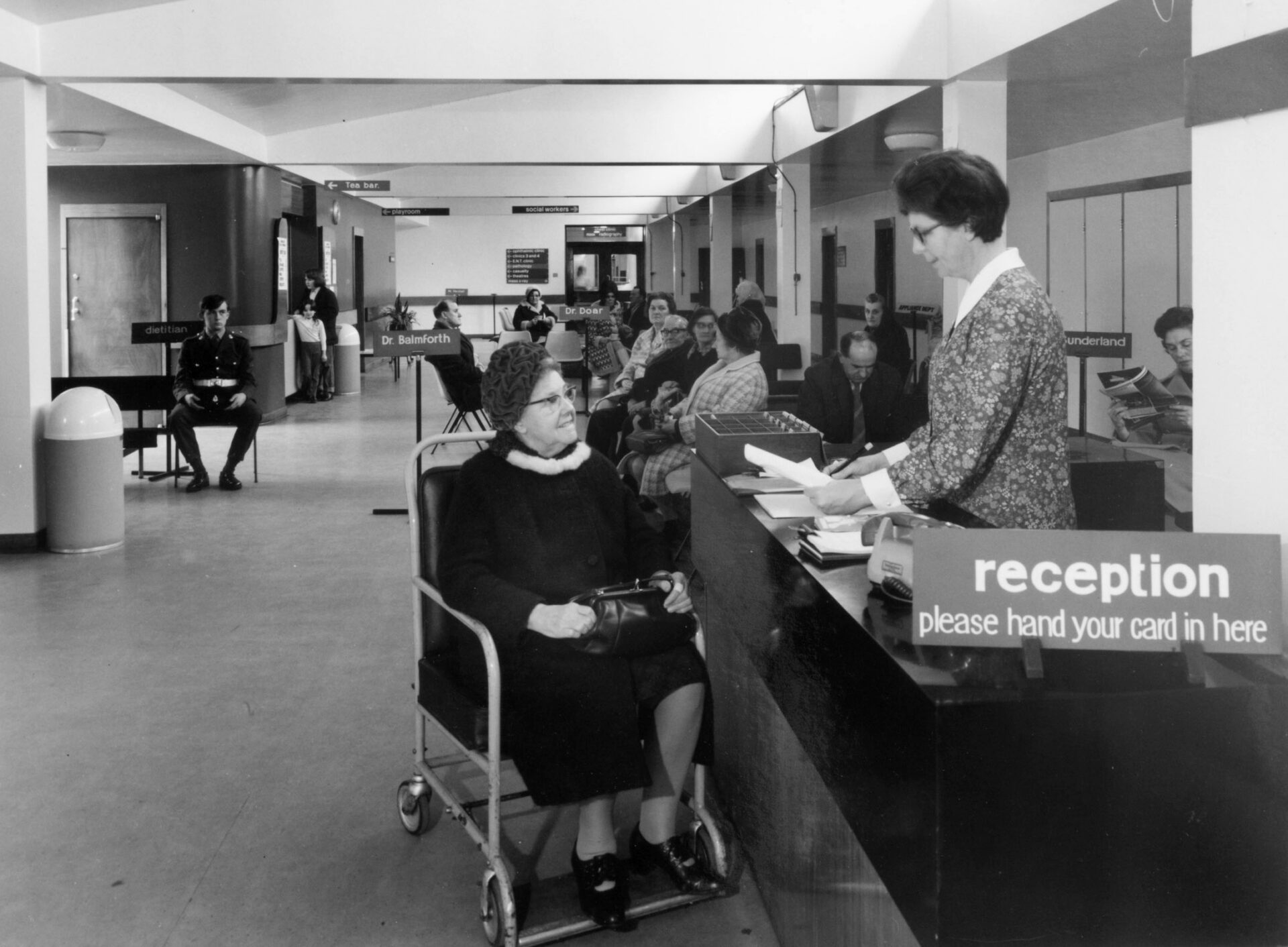
Although each hospital developed in different ways, they shared the same purpose. Doncaster Royal Infirmary grew from a 23-bed infirmary on Wood Street into Britain’s first purpose-built District General Hospital, similarly Montagu Hospital evolved from a cottage hospital serving the Dearne Valley into an important centre for rehabilitation and planned care.
In Bassetlaw, hospitals in Worksop and Retford developed over many decades before modern acute services were brought together with the opening of Bassetlaw District General Hospital. Throughout their histories, each adapted to meet changing patterns of illness, advances in medicine and the expectations of the communities they served.
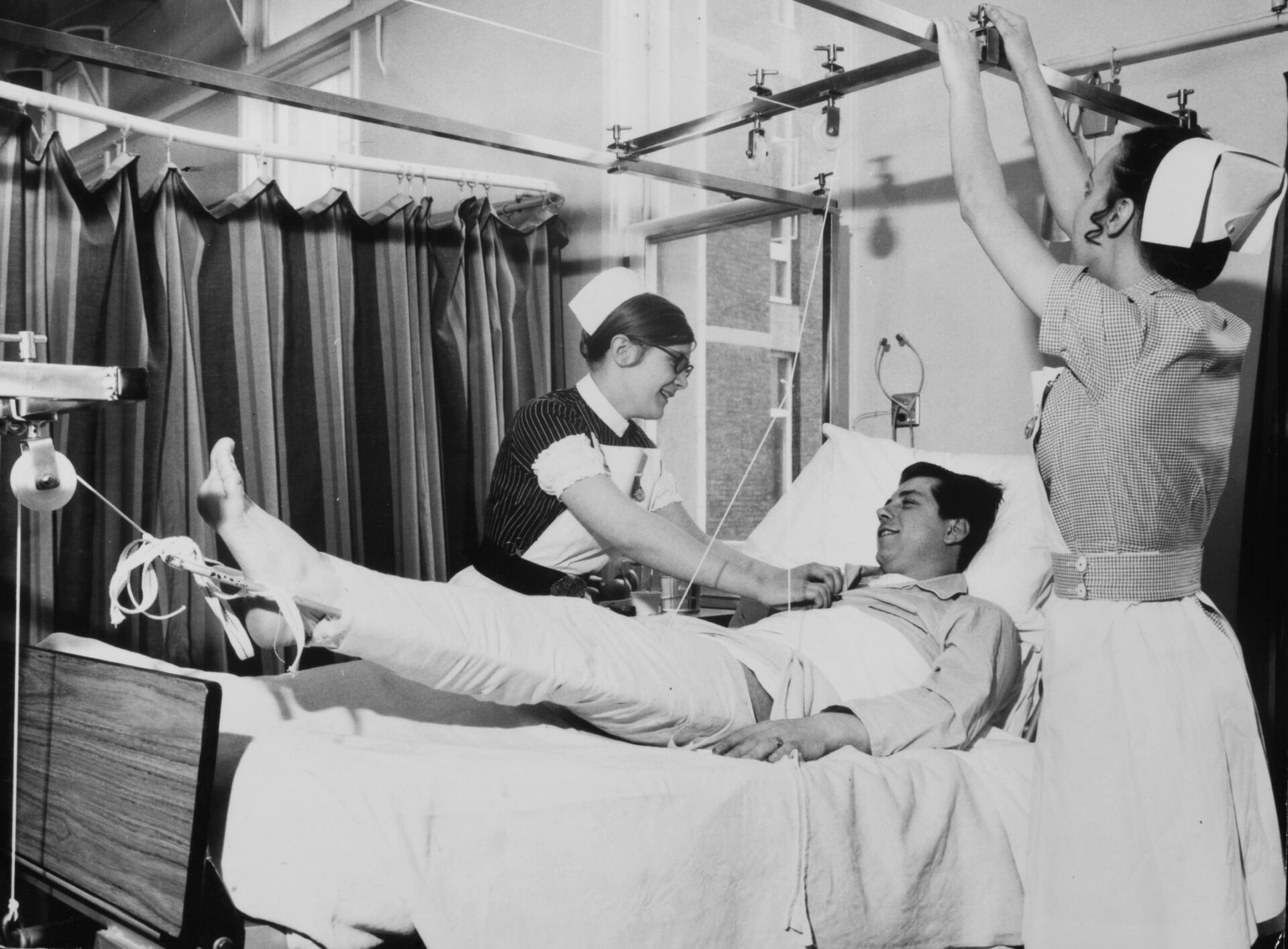
The creation of the NHS in 1948 brought these hospitals into a single national health service, but they continued to operate independently for many years. Increasing collaboration during the late twentieth century reflected a growing recognition that many healthcare challenges could be addressed more effectively by working together.
Montagu Hospital joined with Doncaster Royal Infirmary in 1982, creating a single organisation serving Doncaster and the Dearne Valley. A formal partnership with Bassetlaw followed in 1995, before the organisations merged fully in 2001 to create Doncaster and Bassetlaw Hospitals NHS Trust.
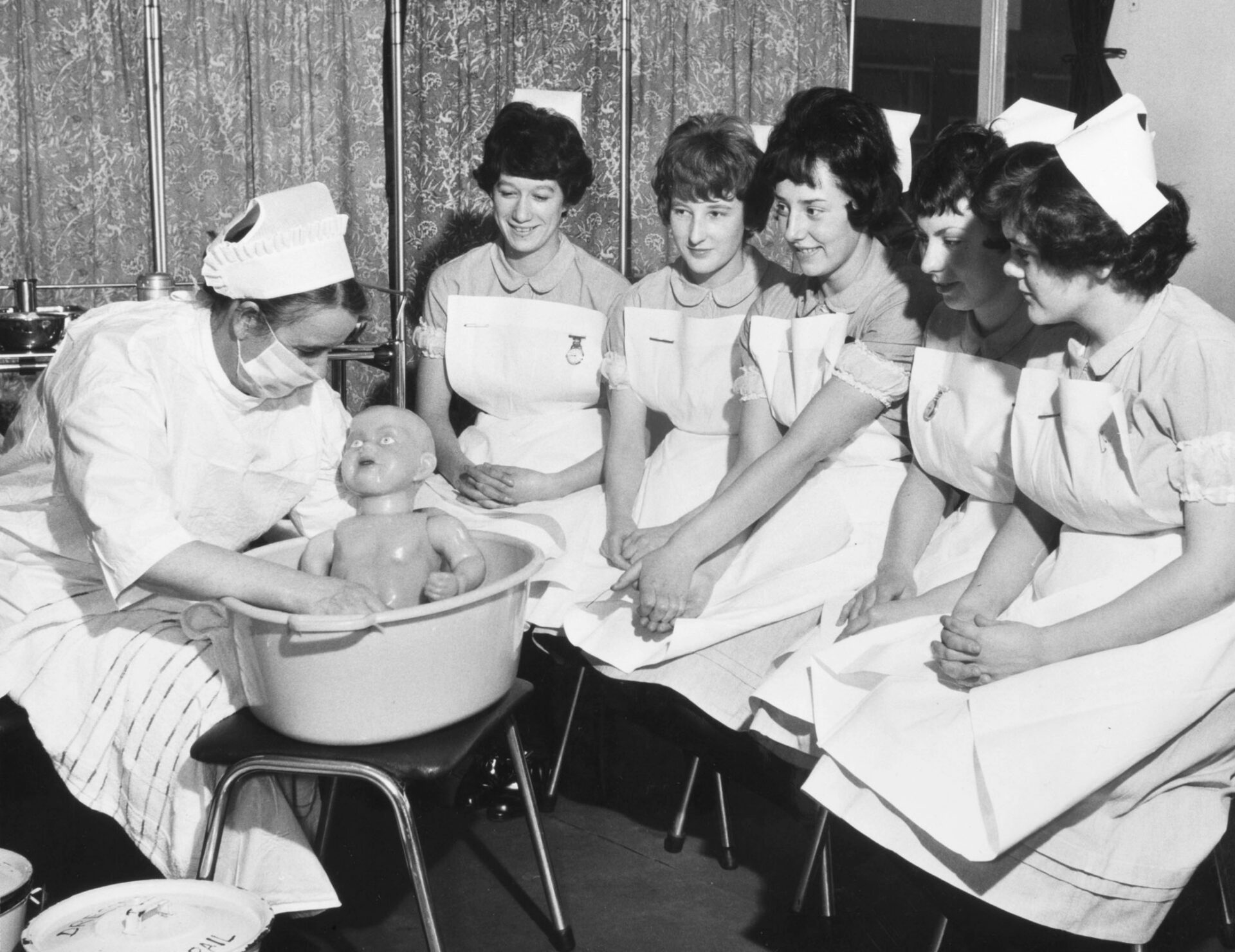
Foundation Trust status was achieved in 2004, and in 2017 the organisation was awarded teaching hospital status through its partnership with the University of Sheffield, becoming Doncaster and Bassetlaw Teaching Hospitals NHS Foundation Trust.
Today, while each hospital retains its own character, history and place within its local community, they are united by a shared purpose: providing exceptional healthcare for the people of Doncaster, Bassetlaw and beyond.
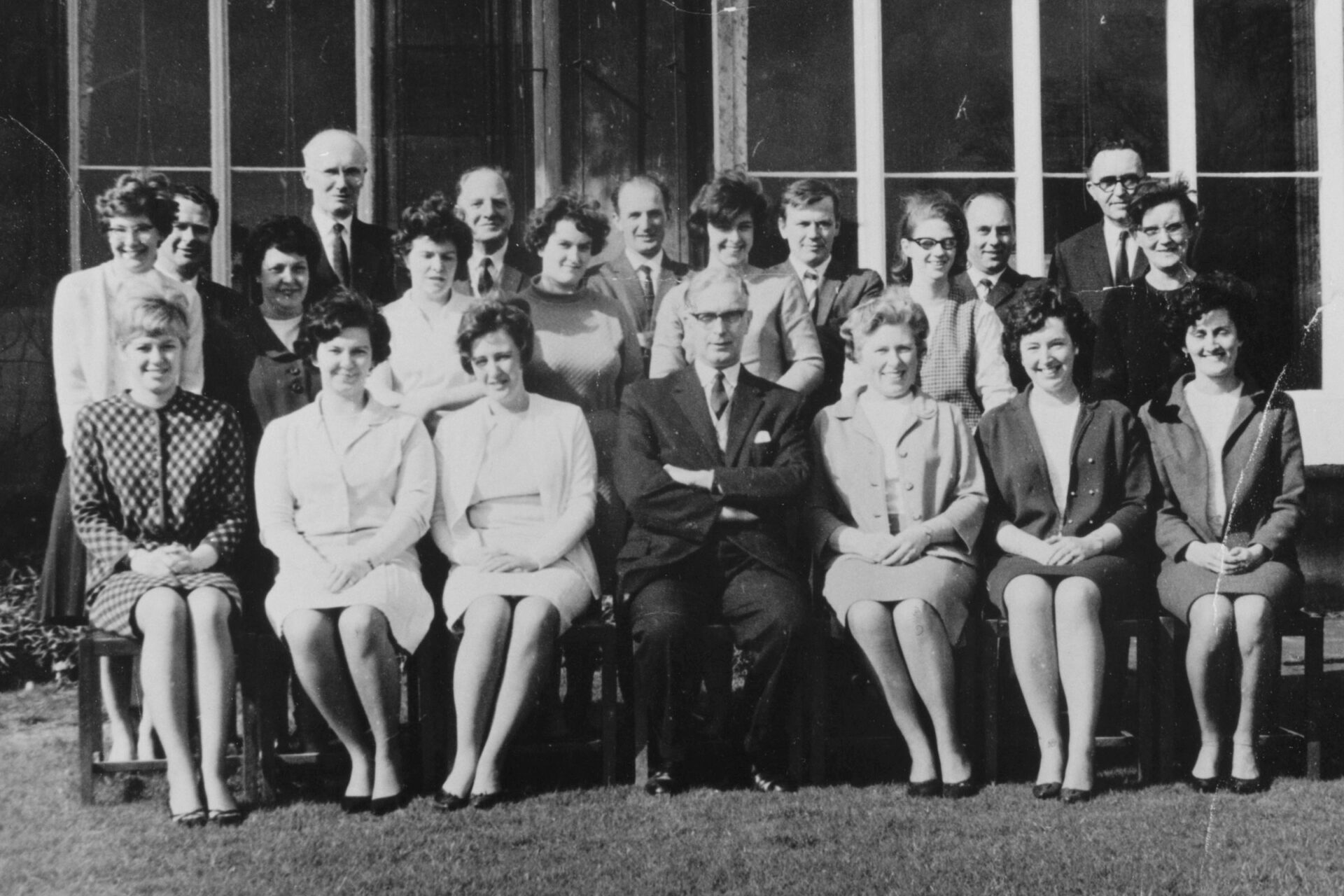
Together they represent more than a century and a half of innovation, resilience and compassionate care, with generations of colleagues building on the work of those who came before them.
Below we explore the individual histories of Doncaster Royal Infirmary, Bassetlaw Hospital and Montagu Hospital, before bringing those stories together to tell the history of the Trust as we know it today.
Doncaster Royal Infirmary
The history of Doncaster Royal Infirmary stretches back more than 150 years and mirrors the story of Doncaster itself. As the town expanded during the nineteenth century, fuelled by the growth of industry, engineering, the railways and later coal mining, the need for organised healthcare became increasingly apparent. While a dispensary had served the town since 1792, by the 1860s local leaders recognised that Doncaster required a modern hospital capable of treating both the everyday illnesses and the industrial injuries associated with a rapidly growing population.
In 1862, a legacy left by local physician Dr Henry Bainbridge helped spark the campaign to establish a new infirmary. Combined with financial support from Doncaster Corporation and generous fundraising by local residents and businesses, the project gathered momentum. Construction began on a site at the corner of Wood Street and Whitaker Street, with even Florence Nightingale reviewing the architectural plans and recommending improvements before work commenced. The Doncaster General Infirmary and Dispensary officially opened its doors on 1 July 1868 with 23 beds across five wards, funded entirely through charitable subscriptions and donations from the local community.
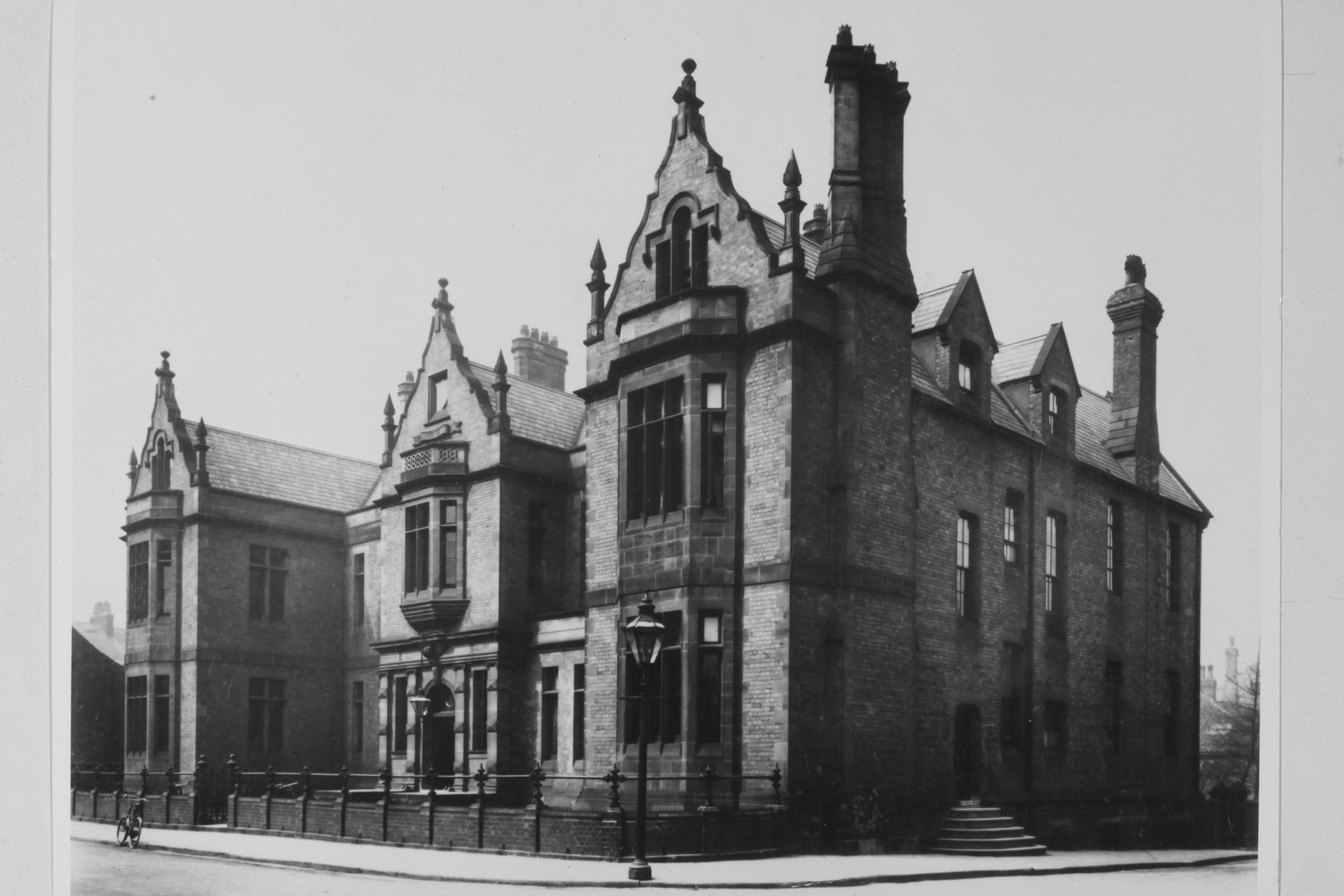
For more than sixty years, the Wood Street Infirmary expanded alongside the town it served. New wards, specialist departments and nursing facilities were added, while advances in medicine transformed the care available to patients. In 1906, following a visit by Princess Christian, daughter of Queen Victoria, the hospital was granted the right to use the title ‘Royal’, becoming Doncaster Royal Infirmary — a significant milestone that reflected its growing reputation. During this period the hospital introduced some of the earliest X-ray services in the region, expanded its nursing workforce and relied heavily on community fundraising, with events such as Infirmary Saturdays, bazaars and public collections helping to sustain services long before public funding existed.
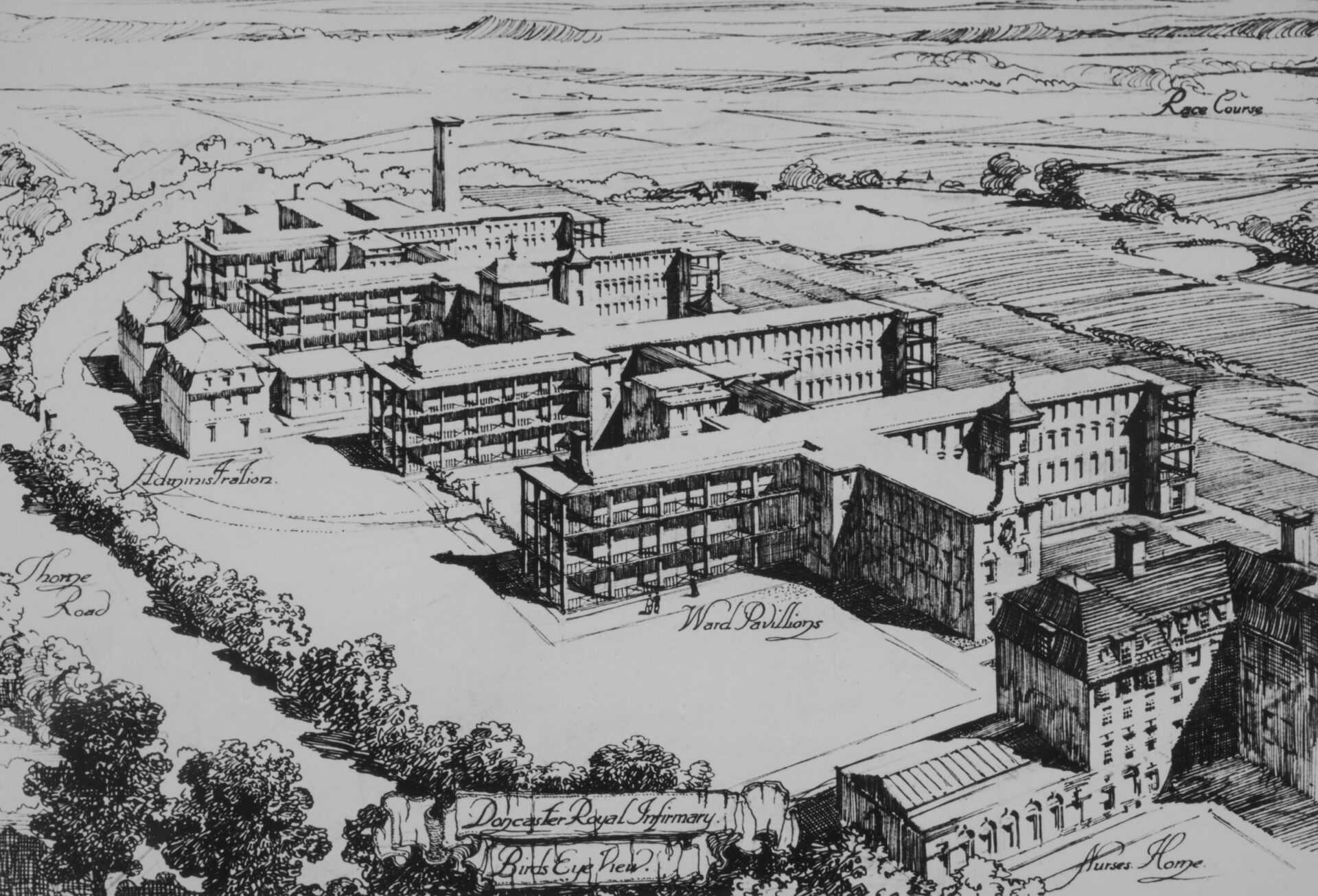
By the 1920s it had become clear that the Wood Street site could no longer meet the demands of a growing population. Following years of debate over where a replacement hospital should be built — remembered locally as the ‘Battle of the Sites’ — land was secured on Thorne Road. Although ambitious plans had to be scaled back due to financial pressures, the new infirmary opened in 1930, marking one of the most significant developments in the hospital’s history. Patients were transferred from Wood Street to the modern facility, which provided improved wards, operating theatres and accommodation for staff.
The hospital again demonstrated its resilience during the Second World War. Five hutted wards were built in the grounds to receive wounded servicemen, while air raid shelters, sandbag defences and additional nursing accommodation transformed the site into an important wartime hospital. Despite the enormous pressures of the period, the hospital continued caring for local patients while supporting the national war effort.
The creation of the National Health Service in 1948 ushered in a new era. No longer dependent upon charitable subscriptions, Doncaster Royal Infirmary became the centrepiece of healthcare across the district.
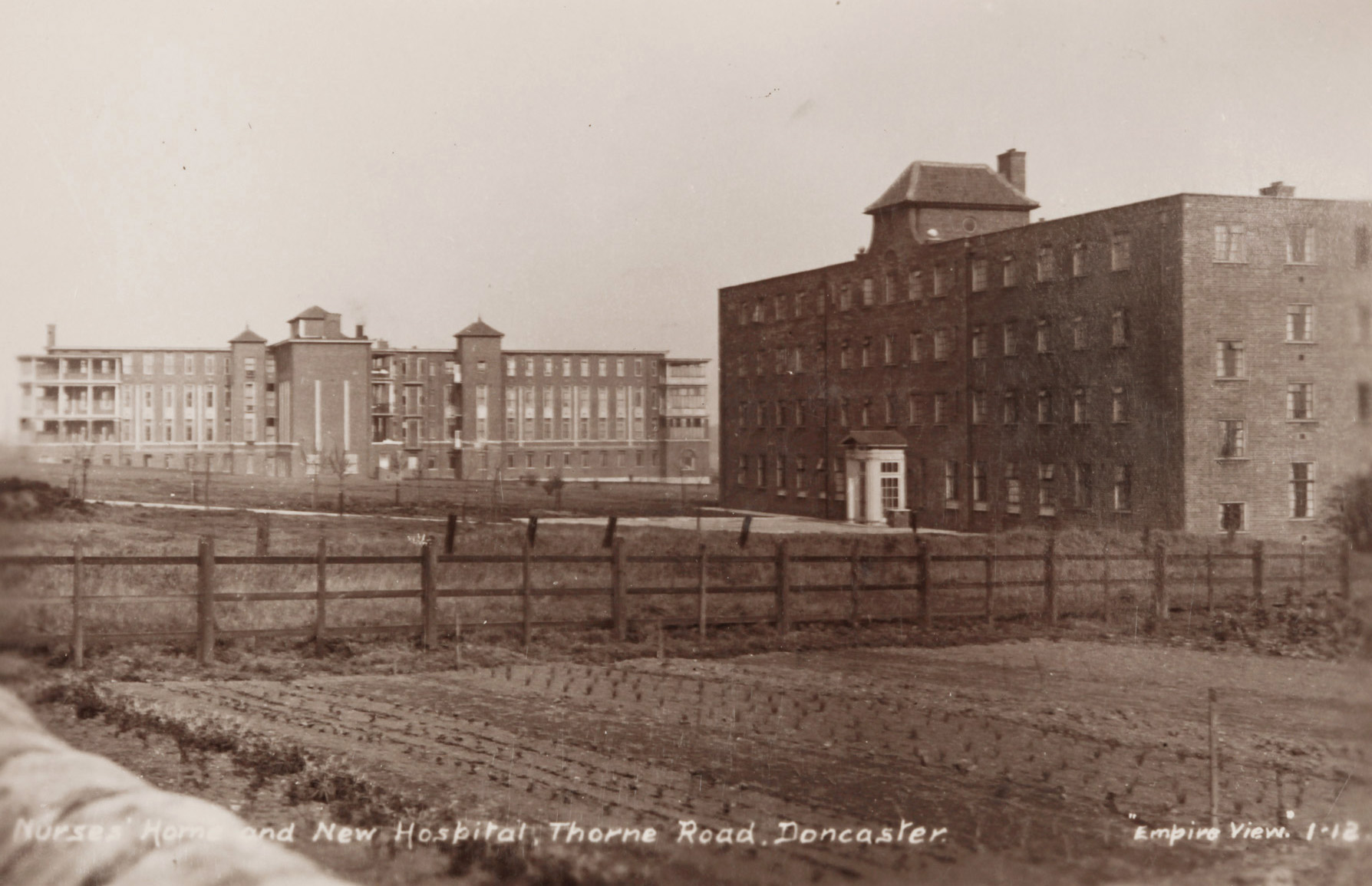
During the 1960s, the hospital entered perhaps its most transformative period, becoming Britain’s first purpose-built District General Hospital. New inpatient wards, maternity services, operating theatres, psychiatric facilities, outpatient departments and support services were brought together on a single campus, creating a model of integrated healthcare that influenced hospital design across the country. The opening of the Postgraduate Medical Teaching Centre further established Doncaster as a centre for education, ensuring generations of doctors and healthcare professionals could train and develop their skills locally.

Throughout the decades that followed, Doncaster Royal Infirmary continued to evolve alongside the NHS, embracing new technology, expanding clinical specialties and adapting its estate to meet changing healthcare needs. It became the cornerstone of a wider organisation, first joining with Montagu Hospital, then partnering with Bassetlaw Hospital, before becoming part of Doncaster and Bassetlaw Teaching Hospitals NHS Foundation Trust.
Today, Doncaster Royal Infirmary remains the Trust’s principal acute hospital and one of South Yorkshire’s most important healthcare institutions. While the buildings, equipment and treatments have changed beyond recognition since 1868, its purpose remains unchanged: providing outstanding care for the people of Doncaster and the surrounding communities, just as generations of colleagues have done for more than a century and a half.

Bassetlaw Hospital
The story of Bassetlaw Hospital is rooted in more than a century of healthcare across north Nottinghamshire. Unlike Doncaster Royal Infirmary, whose history centres on a single institution, Bassetlaw’s story is one of several hospitals that gradually evolved into a modern district general hospital serving the people of Worksop, Retford and the surrounding villages.
Healthcare in the area developed during the late nineteenth century as local communities recognised the growing need for accessible hospital care. Retford Cottage Hospital opened in 1887, followed by Montagu Cottage Hospital in Mexborough three years later, Victoria Hospital in Worksop in 1900, Kilton Hospital in 1902 and the New Retford Hospital in 1923. Together these hospitals reflected the rapid growth of industry across north Nottinghamshire and the increasing demand for organised healthcare for mining communities, railway workers and their families.
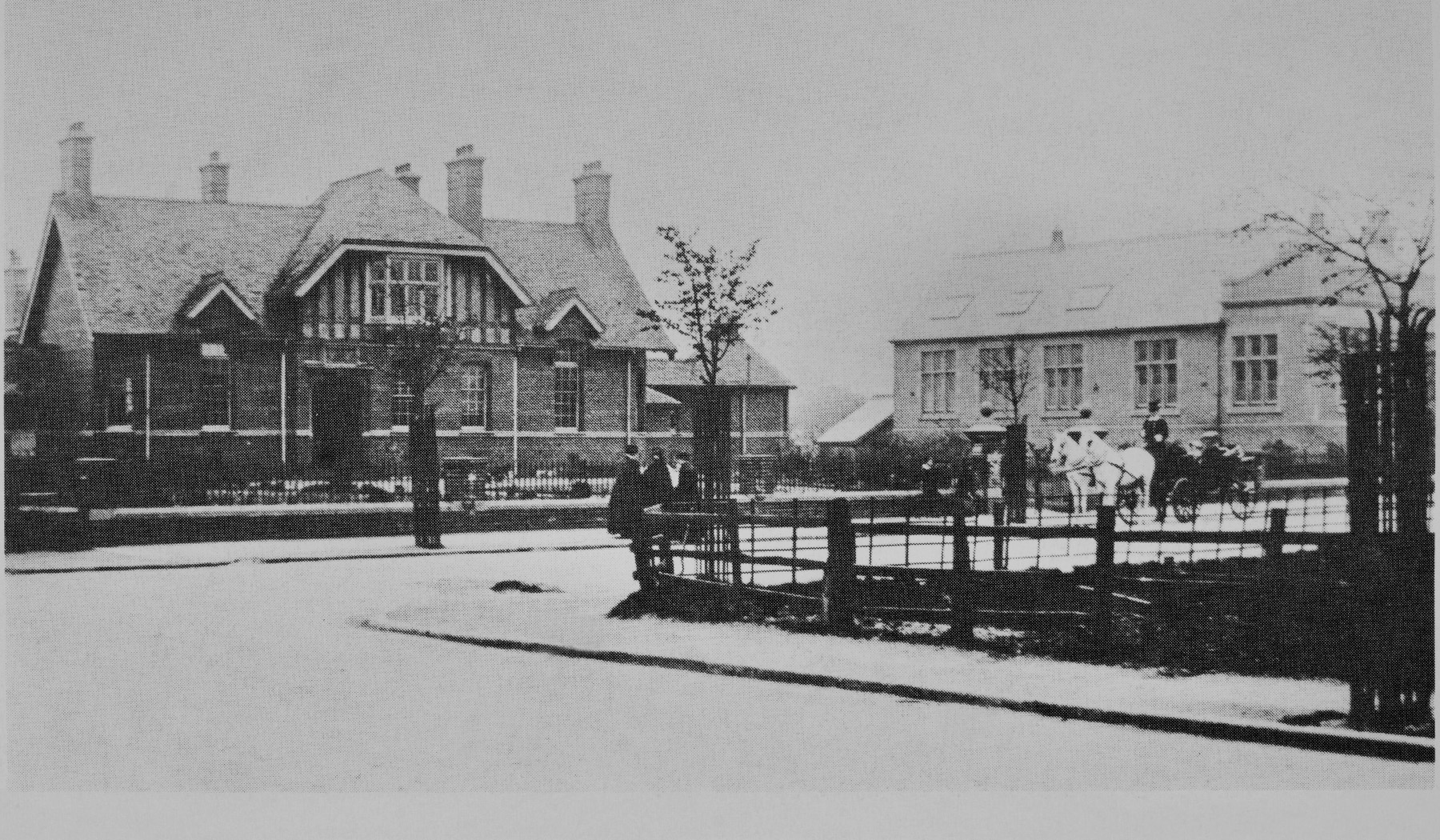
For much of the twentieth century these hospitals provided care independently, each developing services that reflected the needs of their local population. As medicine advanced and expectations of healthcare changed, it became increasingly clear that modern acute services would need to be brought together on a single site. The concept of the District General Hospital, which had transformed healthcare elsewhere, offered an opportunity to provide a comprehensive range of specialist and emergency services for the whole of Bassetlaw.
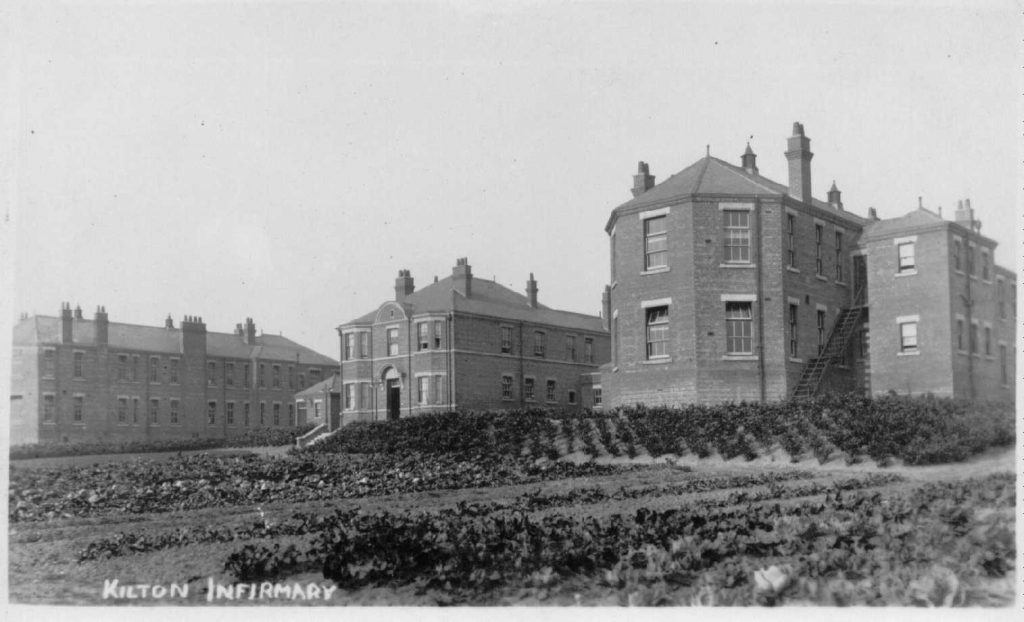
That vision became reality during the 1980s with the development of Bassetlaw District General Hospital. The first phase of the new hospital opened in 1984, representing one of the most significant investments in healthcare ever seen in the area. Modern wards, theatres, diagnostic facilities and outpatient services replaced much of the fragmented provision that had existed previously, while community hospitals in Worksop and Retford continued to provide valuable local services alongside the new acute hospital.
As healthcare became increasingly specialised during the 1990s, collaboration between neighbouring NHS organisations became ever more important. Doncaster Royal Infirmary and Bassetlaw District General Hospital began working more closely together, recognising that sharing clinical expertise, developing specialist services and planning jointly would strengthen care for patients across South Yorkshire and north Nottinghamshire.
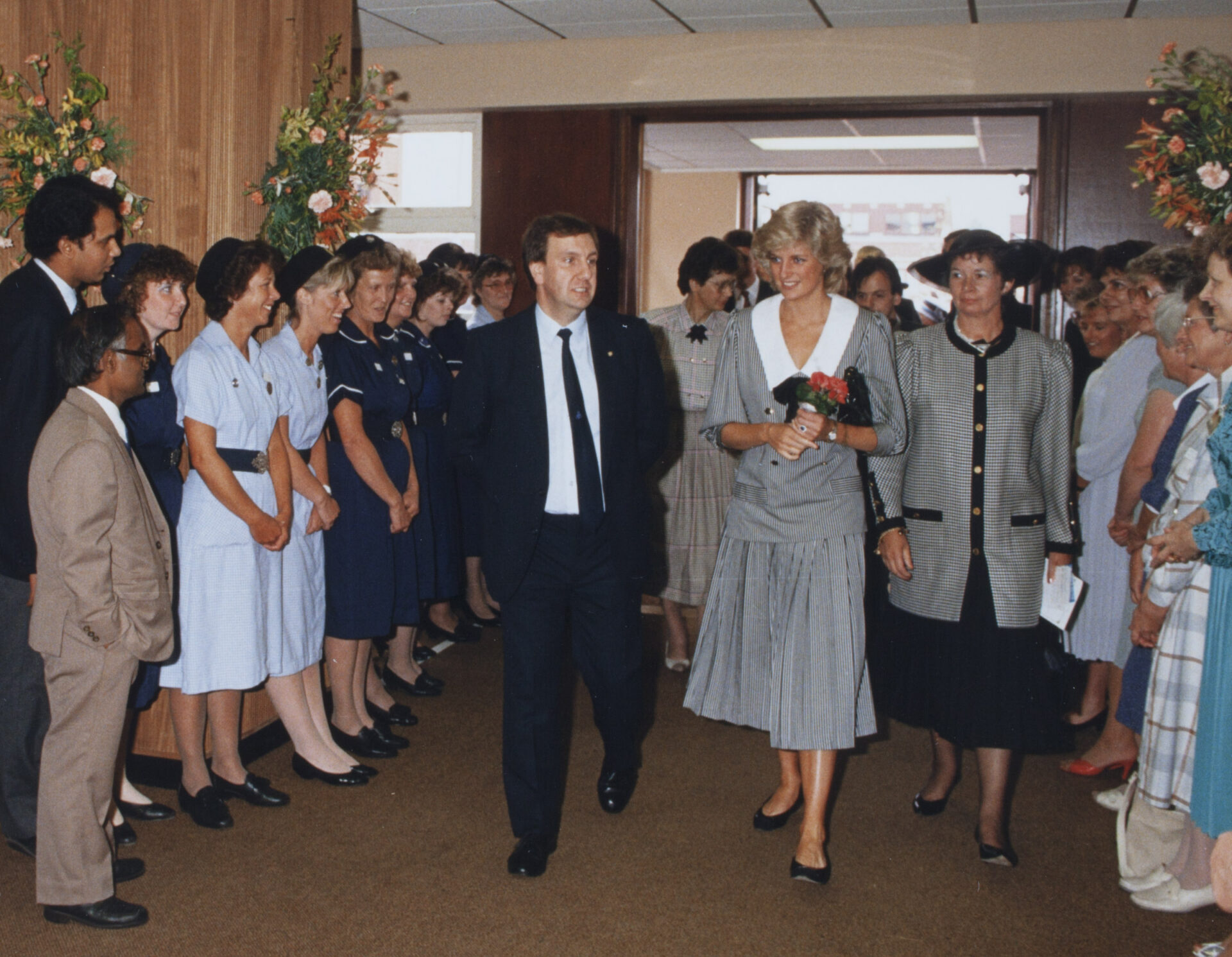
This partnership was formalised in 1995, creating closer links between the two organisations while allowing each hospital to retain its own identity and strong local connections. Six years later, in 2001, the partnership evolved into a full organisational merger with the creation of Doncaster and Bassetlaw Hospitals NHS Trust, bringing together hospitals serving hundreds of thousands of people across two counties. The merger recognised that while patients identified strongly with their local hospitals, many services could be strengthened through collaboration, shared investment and a larger clinical workforce.
Since becoming part of the Trust, Bassetlaw Hospital has continued to develop while maintaining its important role at the heart of its community. Investment in emergency care, diagnostics, planned care and maternity services has ensured local people continue to receive high-quality healthcare close to home, while specialist services are supported through the wider Trust network.
The hospital has also played a key role in some of the Trust’s most significant recent developments. The opening of the Bassetlaw Emergency Village has transformed urgent and emergency care for the area, increasing capacity, improving patient flow and restoring 24-hour paediatric observation services for local families. Alongside investment in diagnostics, outpatient care and digital technology, these developments demonstrate that Bassetlaw Hospital continues to evolve while remaining true to its original purpose of serving the people of north Nottinghamshire.

Today, Bassetlaw Hospital combines the benefits of a modern acute hospital with the character of a community institution. Its history reflects the wider story of the NHS itself: adapting, growing and collaborating to meet changing healthcare needs, while remaining firmly rooted in the communities it was established to serve.
The Fred and Ann Green Legacy
Gift: £11.5 million
Established: 1998
In memory of: Alan Green (1943)
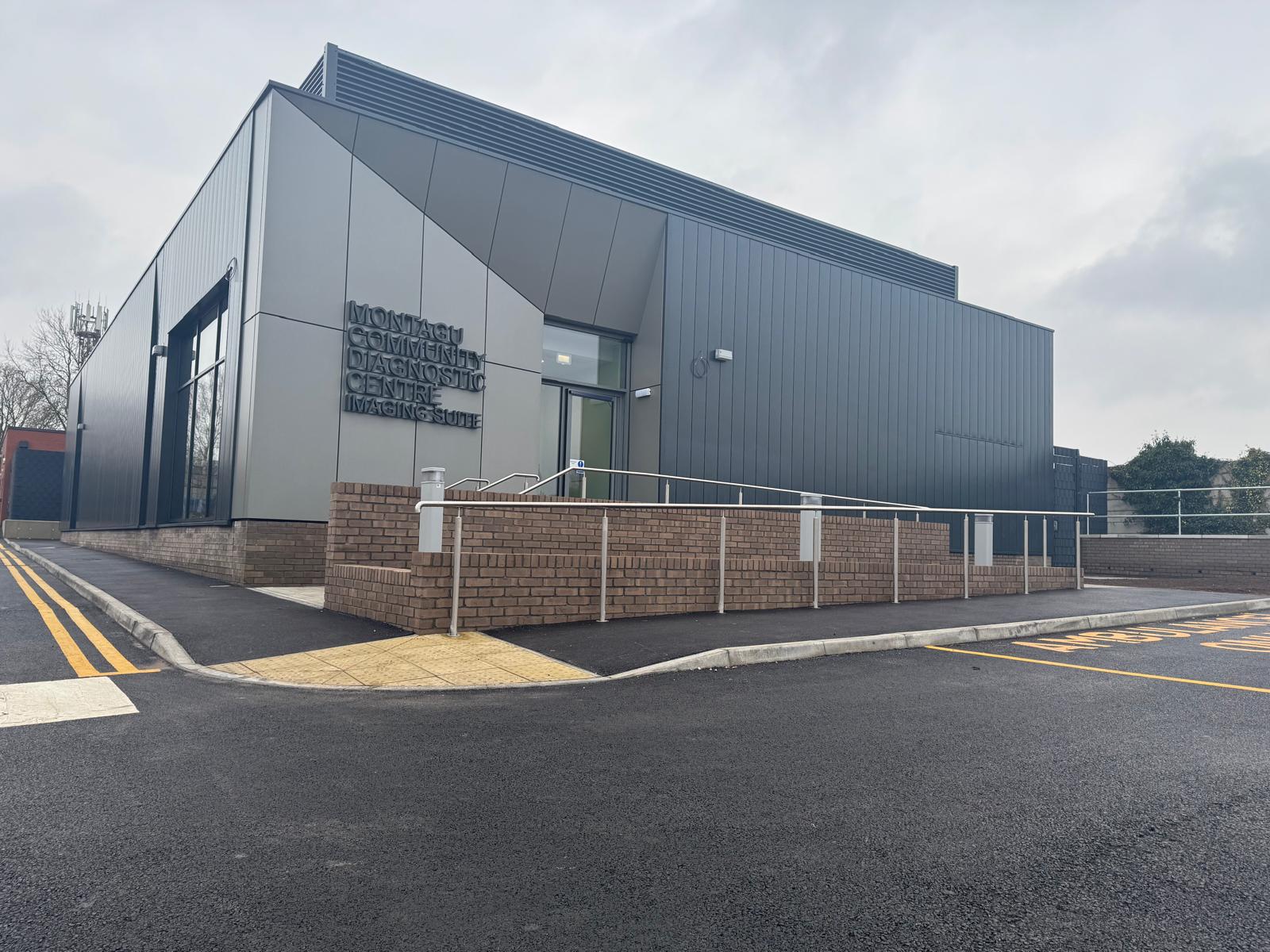
Supported: Montagu Hospital developments, inter-site shuttle buses, Fred and Ann Green Eye Centre and many other improvements across the Trust.
Among the many individuals who have supported our hospitals over the past 150 years, few have left a legacy as enduring as Fred and Ann Green.
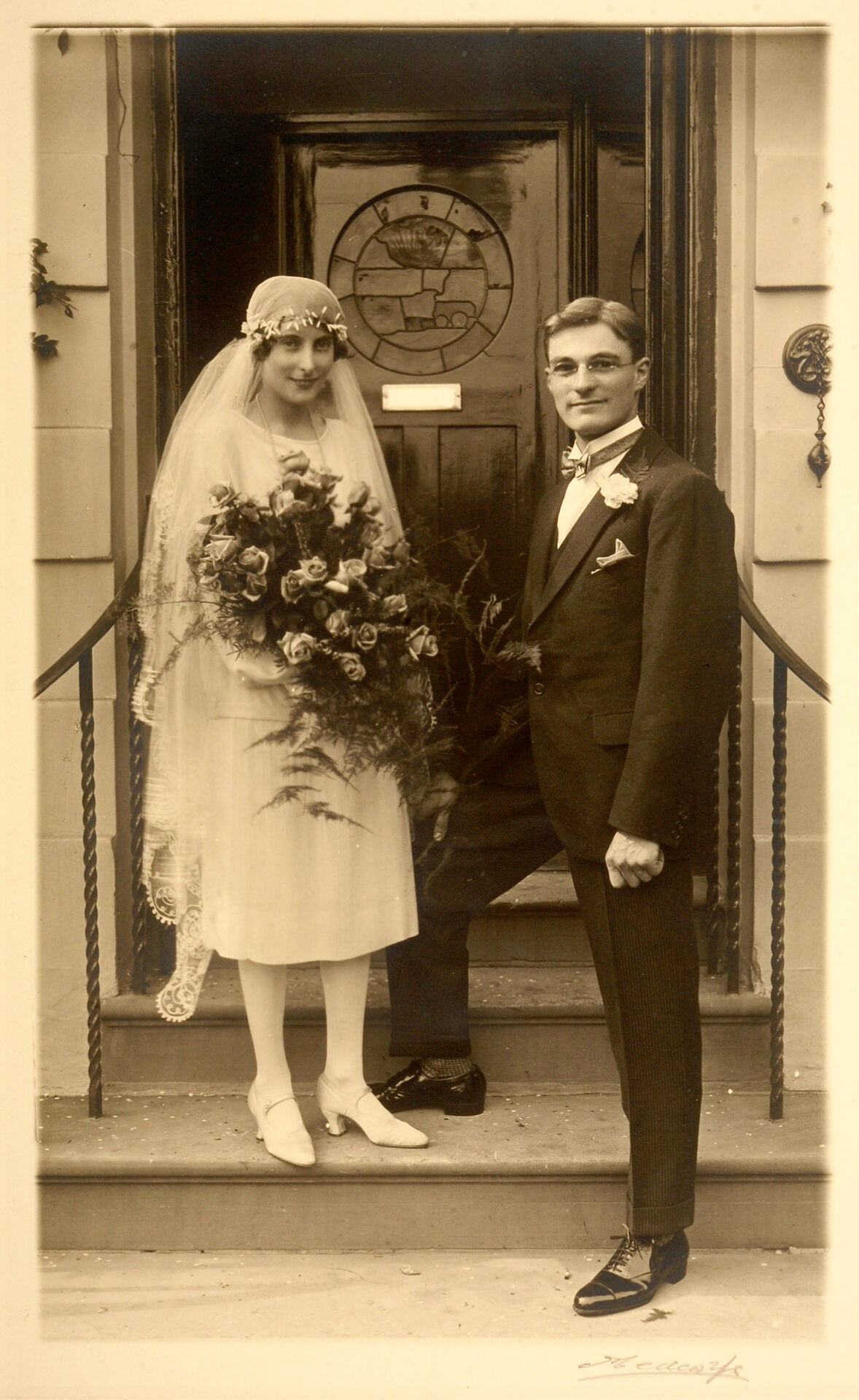
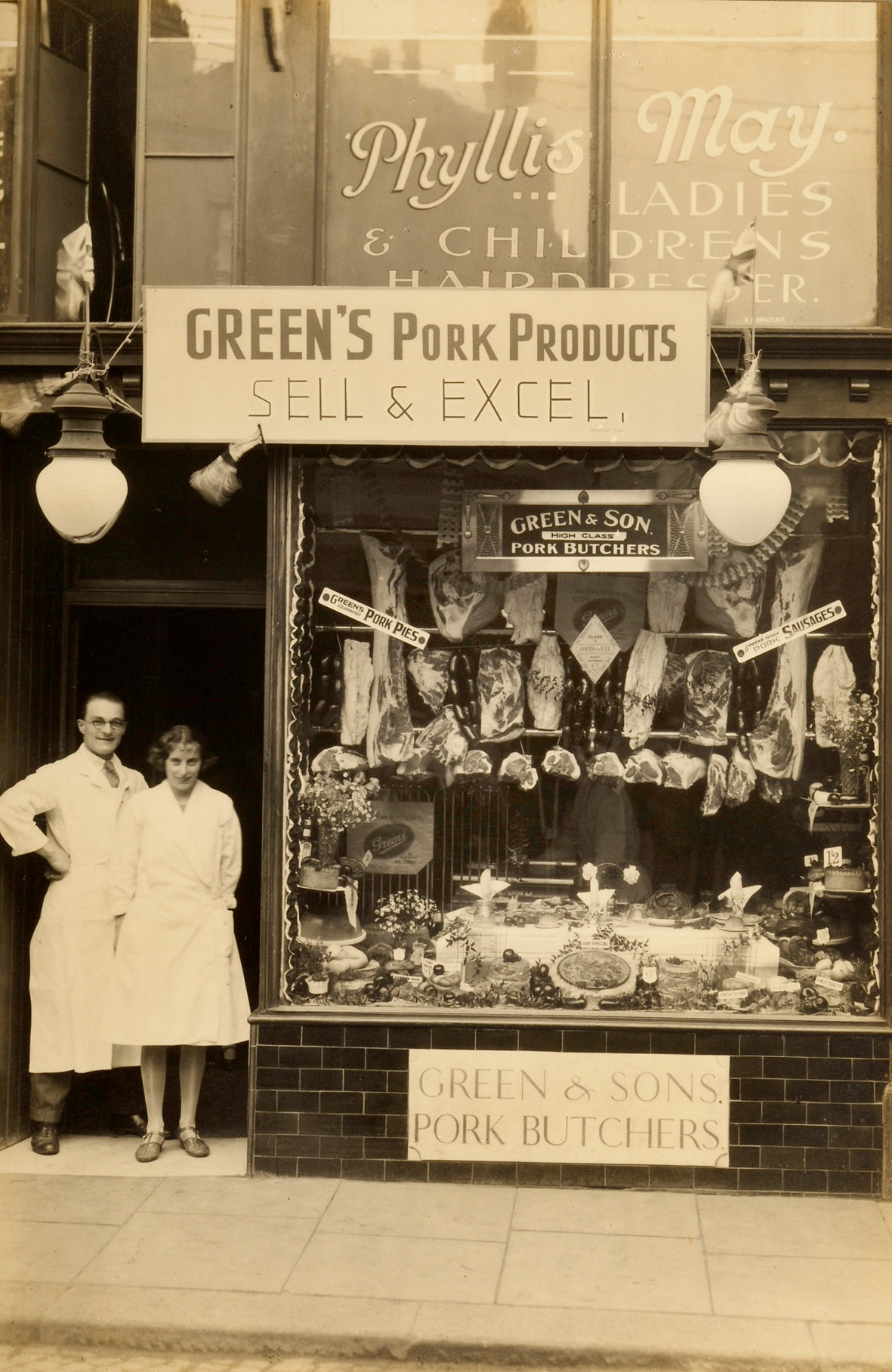
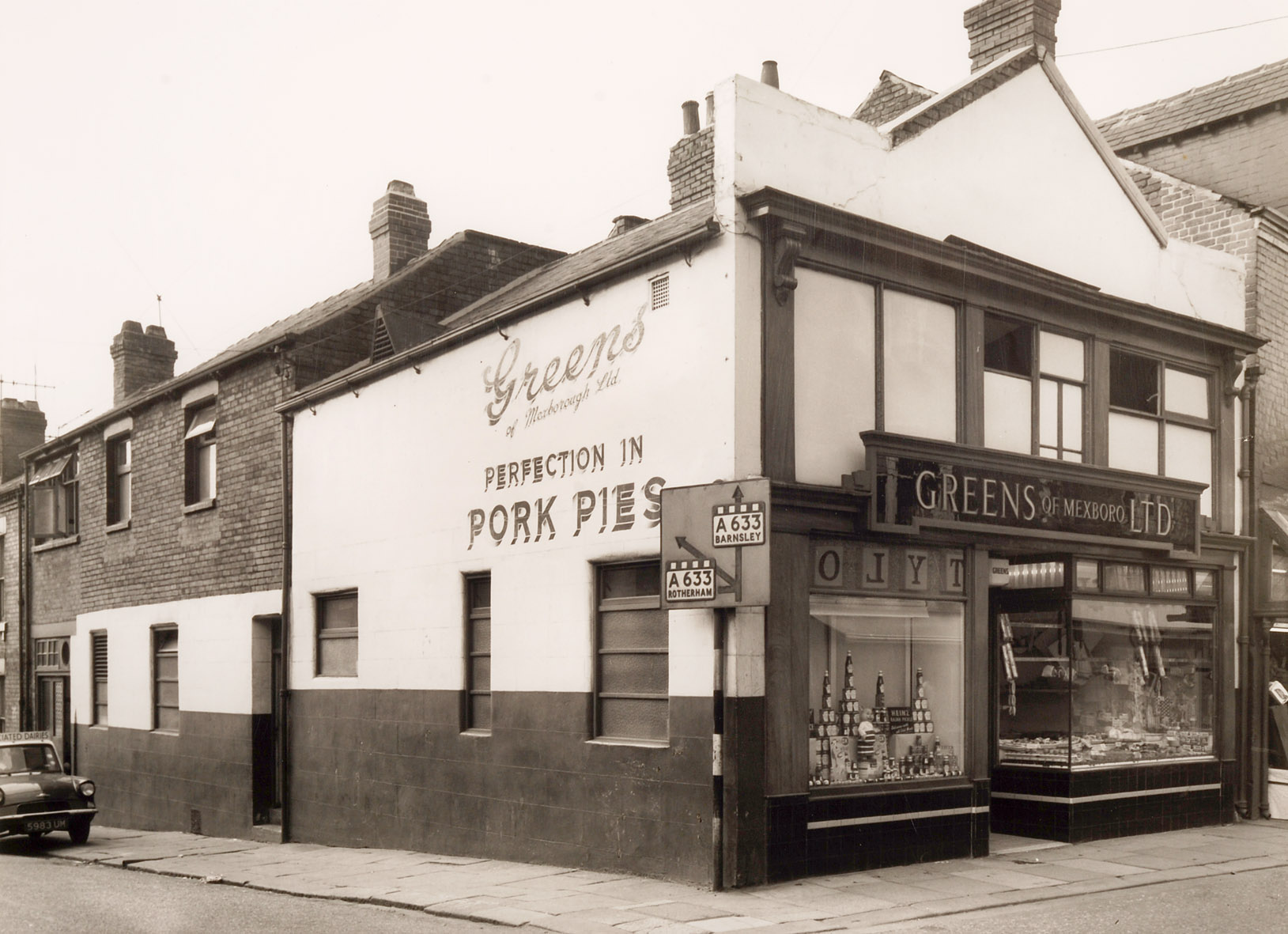
Lifelong residents of Mexborough, Fred and Ann built a successful family butchery business that became a familiar name across South Yorkshire before eventually being acquired by ASDA. Despite their commercial success, they remained deeply connected to the community where they had lived and worked throughout their lives, believing strongly in giving something back to the area that had supported them.
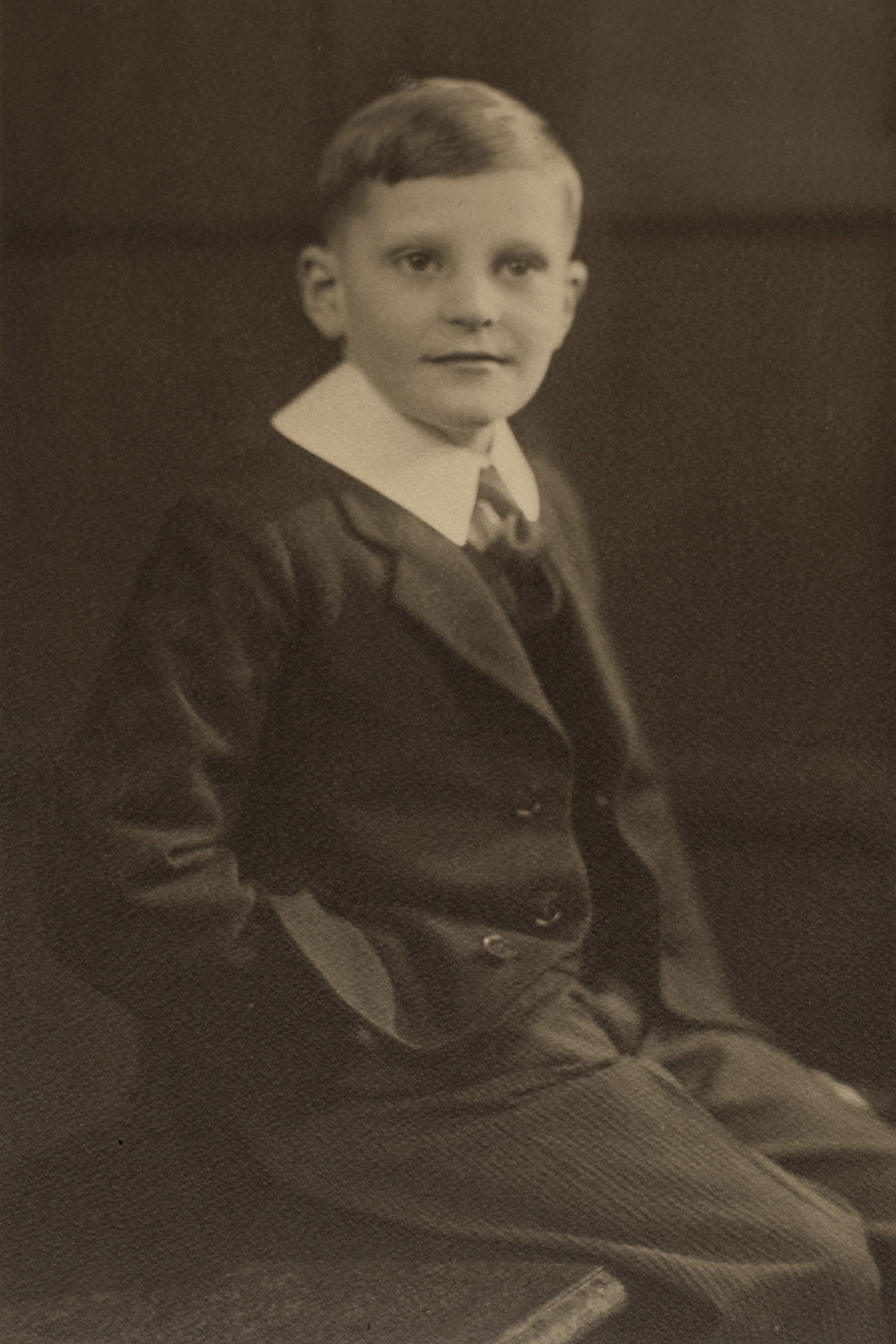
The couple’s lives were marked by profound personal tragedy. In January 1943, their only son, Alan, was killed in a road traffic collision at just 16 years of age. The loss remained with Fred and Ann throughout their lives and ultimately inspired one of the most remarkable acts of philanthropy in the history of local healthcare.
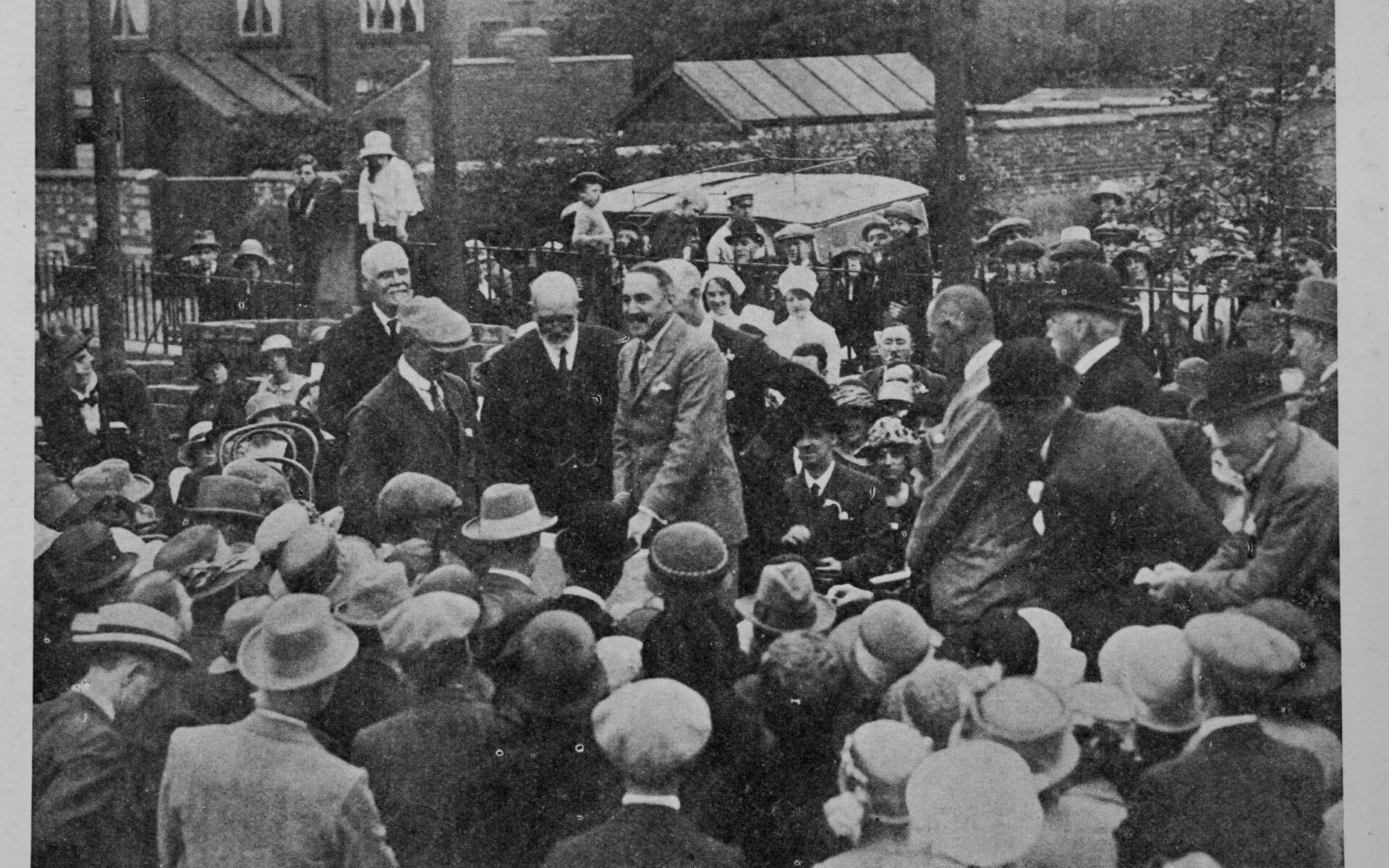
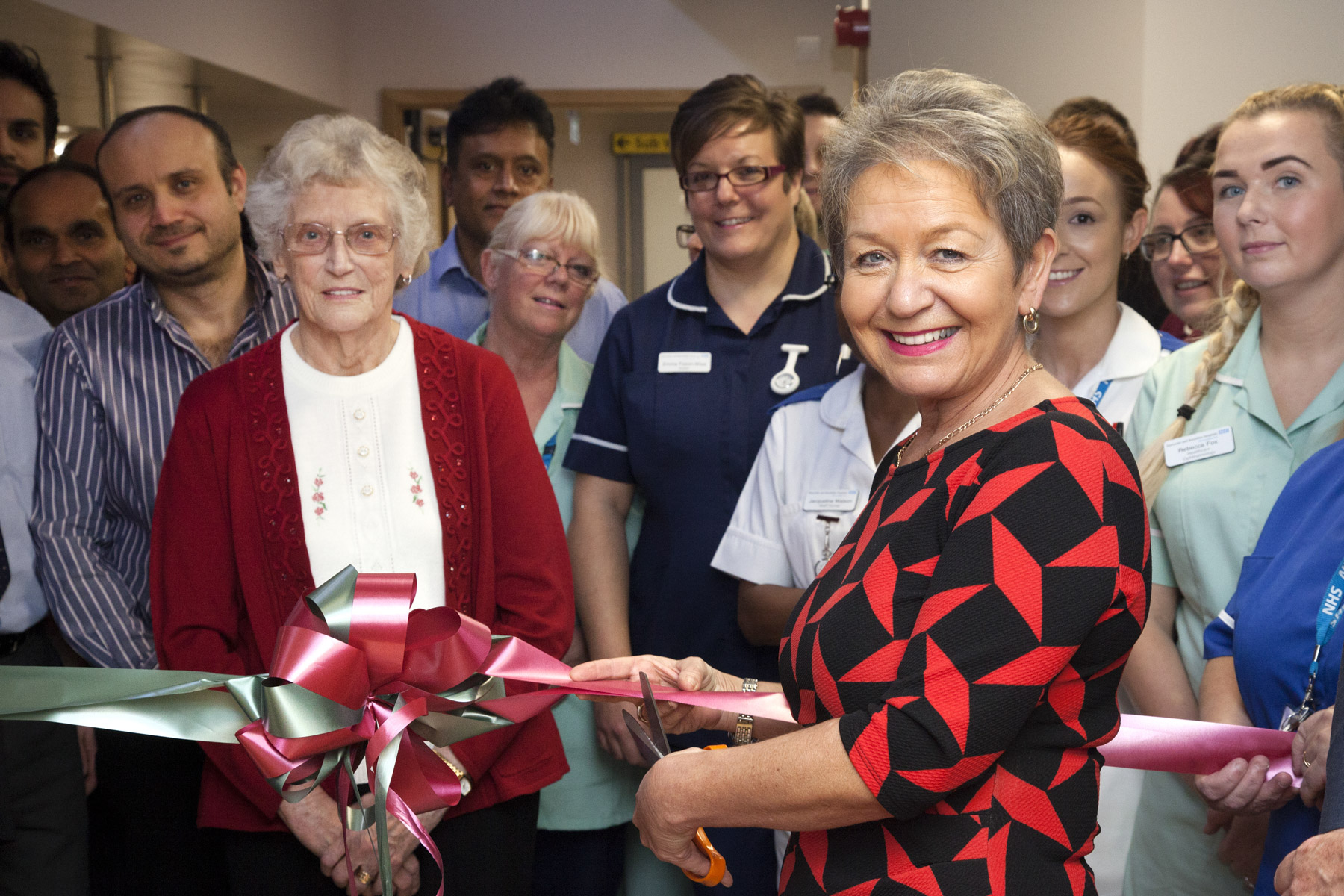
Following Fred Green’s death in 1998, he left an extraordinary £11.5 million (equivalent to around £25 million today) to benefit the people of Mexborough and the surrounding communities. It was one of the largest charitable bequests ever received by an NHS organisation and created what is now known as the Fred and Ann Green Legacy. More than a financial gift, it was a commitment to improving healthcare for generations to come, ensuring patients would benefit long into the future from Fred and Ann’s generosity.
Unlike many charitable donations, the Green Legacy was never intended to fund a single project. Instead, it was established to provide lasting improvements across our hospitals, supporting developments that would otherwise have been beyond the reach of NHS funding alone. The bequest has enabled the Trust to undertake many projects that would not otherwise have been possible, helping enhance patient care and improve the experience of those who use our services.
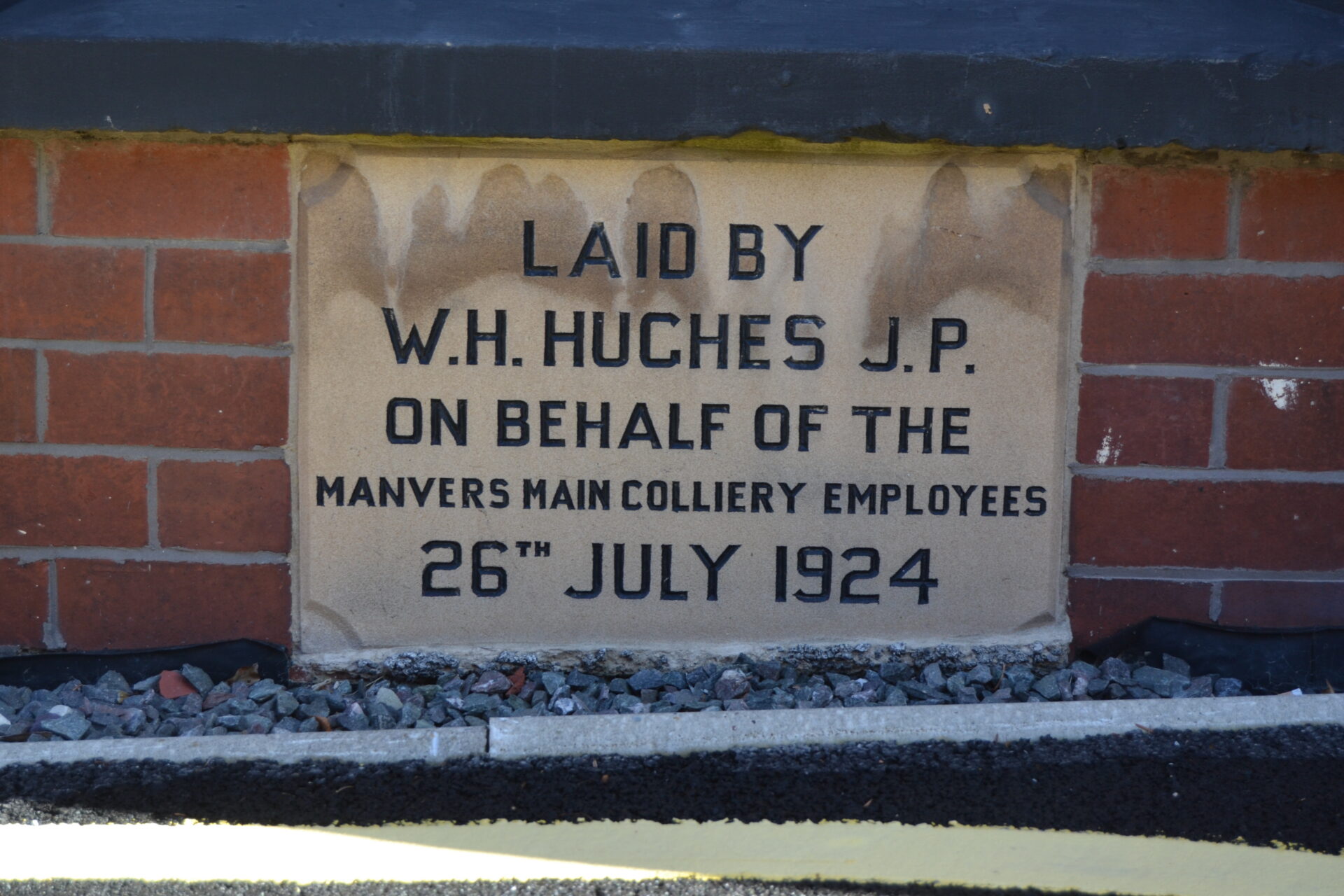
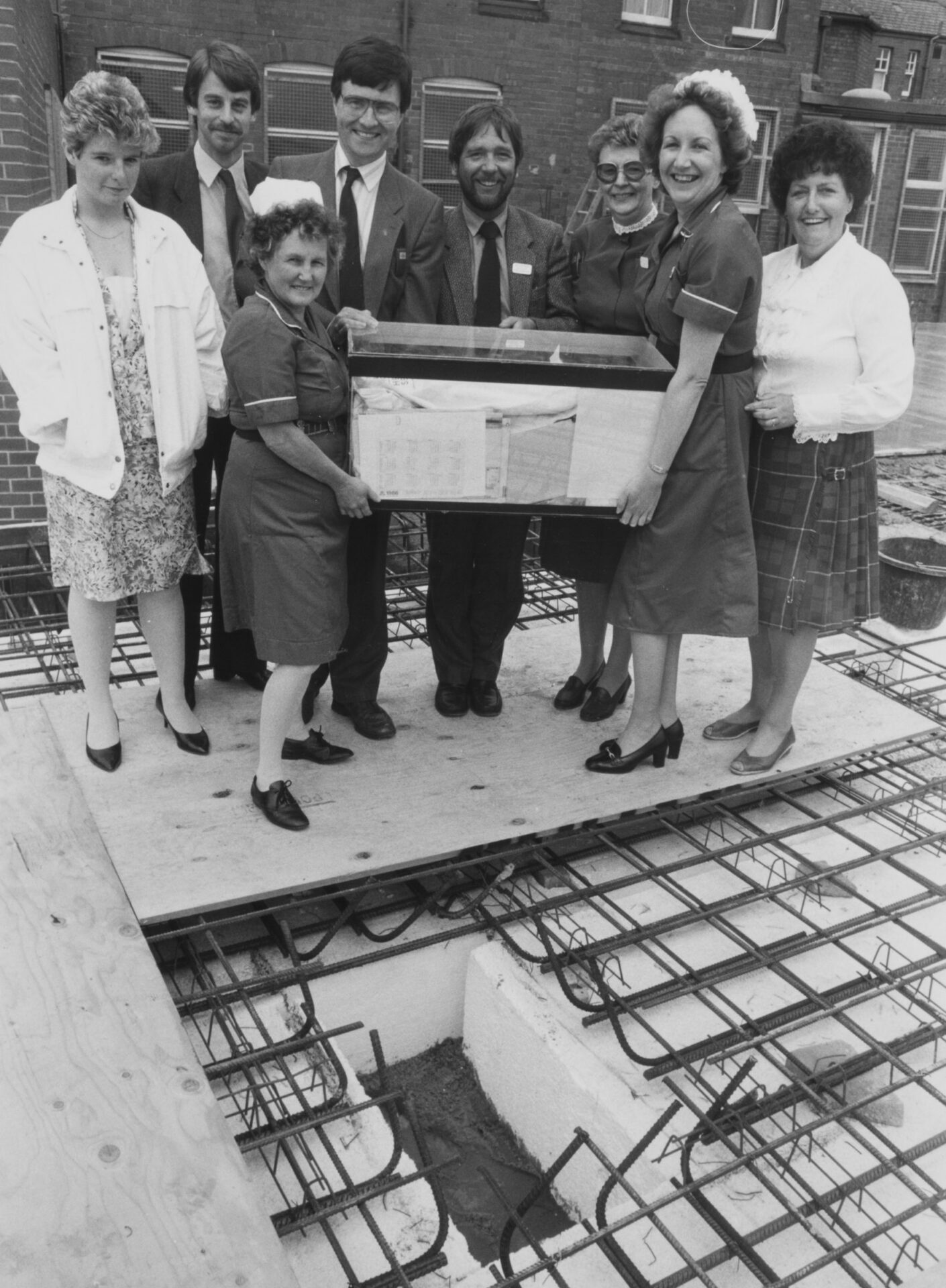
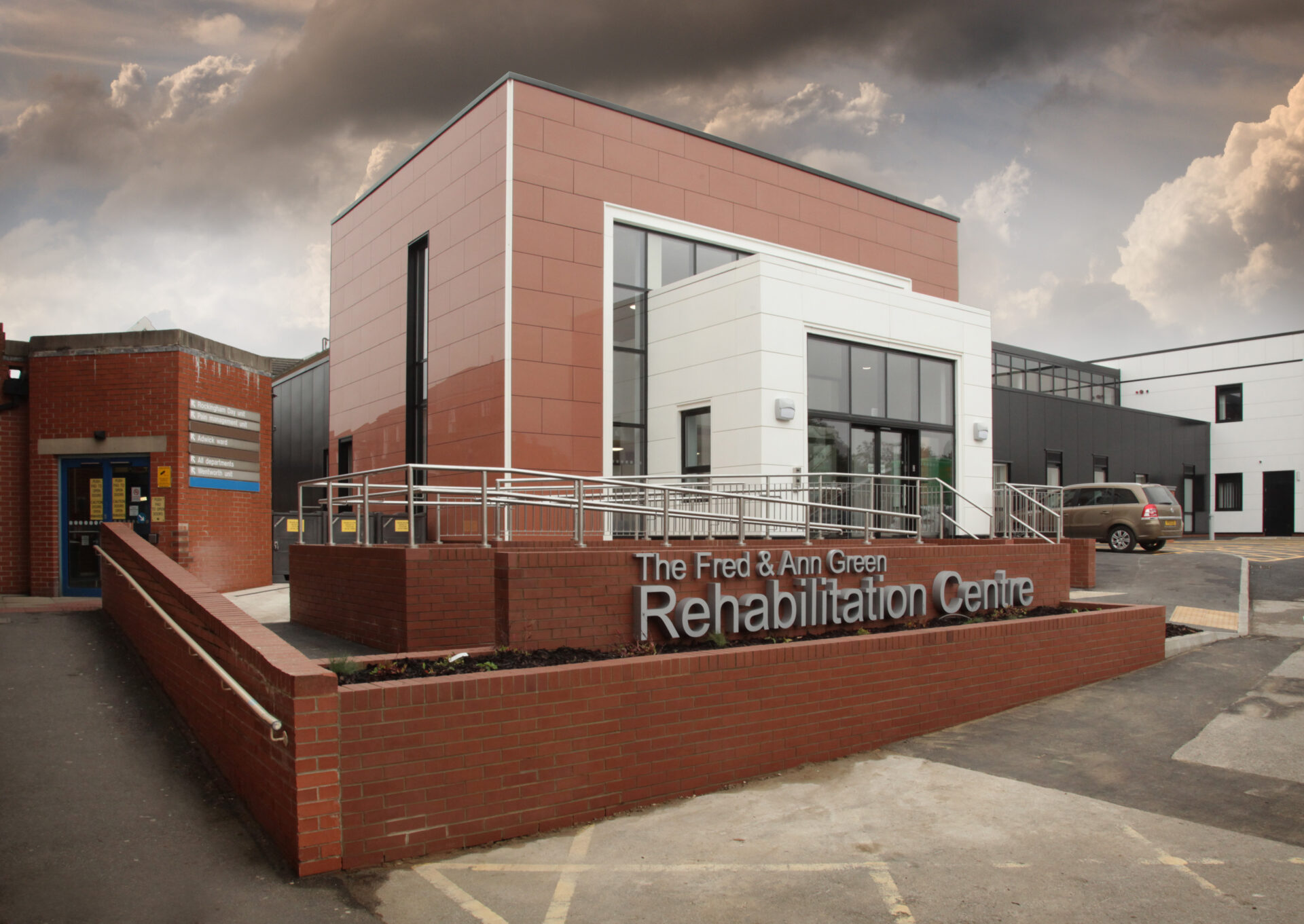
Over the past quarter of a century, the Legacy has supported a wide range of initiatives across the Trust. Its impact can be seen in the development of facilities at Montagu Hospital, the creation of the Fred and Ann Green Eye Centre at Doncaster Royal Infirmary, the introduction of the inter-site shuttle bus service linking our hospitals, and countless other investments in equipment, buildings and patient-centred improvements. Together, these projects have touched the lives of hundreds of thousands of patients, visitors and colleagues.
The Green Legacy also reflects a tradition that stretches back to the very foundations of our hospitals. Long before the creation of the NHS, local people, businesses and philanthropists came together to fund the hospitals their communities needed. Fred and Ann’s extraordinary gift continues that tradition into the modern era, demonstrating the lasting difference that generosity and community spirit can make.
The Trust is also deeply grateful to the Fred and Ann Green Legacy Trustees, who have carefully stewarded the Legacy for more than 20 years. Through their dedication, diligence and commitment to Fred and Ann’s wishes, they have ensured the fund has continued to deliver meaningful and lasting benefits, preserving the couple’s vision and enabling the Legacy to support healthcare for future generations.
Today, more than 25 years after Fred Green’s remarkable bequest, the names Fred and Ann Green remain synonymous with compassion, generosity and an unwavering commitment to improving healthcare. Their legacy lives on not only in the buildings that bear their name, but in the enhanced care, improved facilities and better experiences enjoyed by patients and families across Doncaster, Bassetlaw and the Dearne Valley every single day.
Content out of date? Information wrong or not clear enough? Report this page.